 Preview
 Send
Send Share
Share
 Details

 Download
 Similars
 X-Ray
X-Ray Diaporama
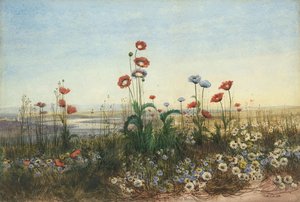
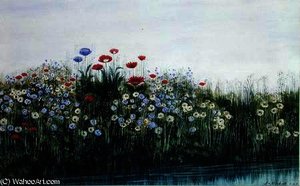
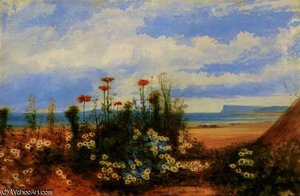
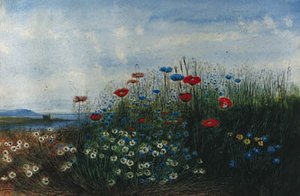
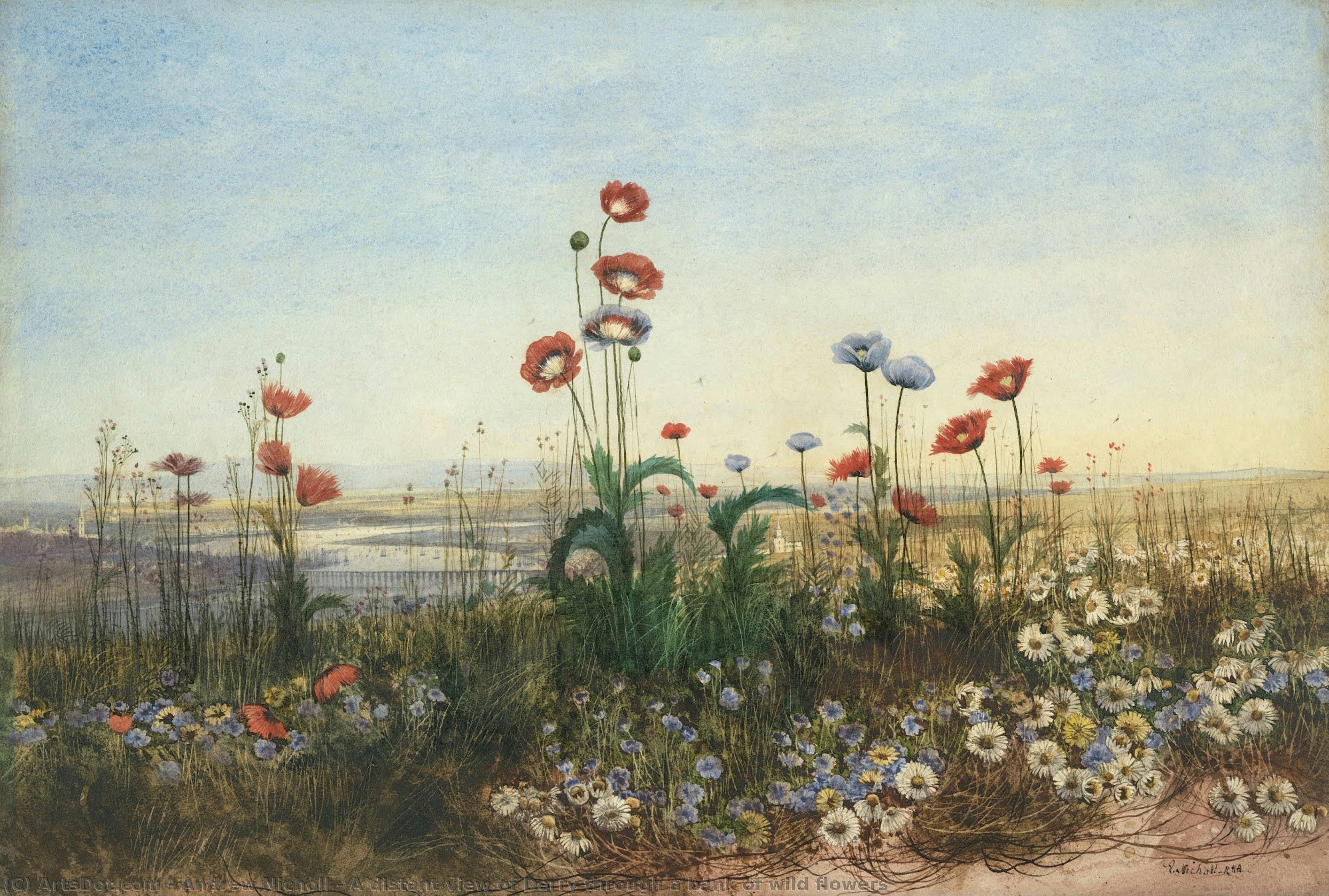
A distant view of Derry through a bank of wild flowers
 Watercolor
- WallArt
- Romanticism
 1830
1830- 19th Century
 64.0 x 81.0 cm
 Art Gallery of New South Wales
 Read More
Hand Made Oil Reproduction
Hand-painted oil on canvas in your size and frame, made to order by our artists. ( Buy Print Buy Image)




P118B $10

P118H $10

P118W $10

P438Z $10

P508JH $12

P508YH $12

P805H $10

P805Z $10

P919BZ $10

P919G $10

P919XJ $10

P959ZH $10

P968JZ $12

W106C $8

W218G $10

W218JH $8

W218Y $10

W307PJ $10

W316G $10

W316PJ $8

W316Y $10

W398PJ $8

W4111J $10

W500HY $15

W500JH $15

W692G $12

W849H $8

W940BG $15

W953PJ $8




Pick from our preset sizes that match the artwork's original proportions.

You may enter your own dimensions to fit a specific frame or space. If your selected size does not match the original image's proportions, we will either crop the artwork or extend the painting with additional hand-painted elements. A digital mockup will be sent for your approval before production begins.
Please note that the on-screen preview does not reflect the actual cropping or extension. Only the mockup will accurately show the final composition.
While custom sizes are available, we recommend selecting a dimension from the predefined list to preserve the original proportions.
After order, ArtsDot.com team will email client for instructions and provide a mockup preview
Worldwide Delivery () in 3/4 weeks instead of standard 5 weeks. (3 September). No compromise on quality.

Free Worldwide Express Shipping

High-Quality Linen Canvas

Full Shipping Insurance

Customs Tax Refund Guarantee

True Color Matching Guarantee

60-Day Return Policy (Defects Only)

100% Money-Back Guarantee

Bulk Discount Offer
 Glass option is only available in size under 110 CM

A distant view of Derry through a bank of wild flowers
Reproduction Medium
Reproduction Size
-


Total Price
$ 263
A Symphony of Flora and Faraway Horizons
In his breathtaking watercolor, "A distant view of Derry through a bank of wild flowers," the Irish master Andrew Nicholl achieves a rare feat of artistic perspective, merging the intimate with the infinite. At first glance, the viewer is drawn into a lush, tactile world of botanical detail; a vibrant foreground of poppies, white and yellow daisies, and delicate blue veronica dances in the light. This "worm’s-eye view" places us directly within the meadow, making the scent of summer and the soft texture of petals almost palpable. Yet, as the eye wanders through the carefully arranged foliage, it discovers a profound sense of depth. The flowers act as a natural, translucent veil, offering glimpses into an expansive topographical panorama that stretches toward the horizon.
The composition is a masterclass in controlled spontaneity. Nicholl utilizes the delicate medium of watercolor to capture the ephemeral quality of sunlight filtering through a summer afternoon. There is a rhythmic beauty in how the bright reds and blues of the wildflowers contrast with the soft, atmospheric haze of the distant landscape. This technique does more than just depict a scene; it creates an emotional journey, leading the observer from the immediate, grounded reality of nature toward the lofty, historical grandeur of the city of Derry. The inclusion of a solitary bird perched amidst the blooms adds a heartbeat to the stillness, a subtle reminder of the living, breathing ecosystem that exists within this serene moment.
Historical Resonance and the Spirit of Place
Beyond its botanical splendor, the painting serves as a poignant historical document of 19th-century Ireland. As the eye settles on the distant skyline, the city of Derry appears with meticulous precision, anchored by the iconic first bridge across the River Foyle, constructed in 1791. This is not merely a landscape; it is a portrait of an era defined by movement and commerce. The presence of shipping on the river whispers tales of Derry’s vital role as a bustling emigration port and a hub of maritime trade. Through Nicholl's brush, we see a civilization in motion, framed by the timeless, unchanging beauty of the Irish countryside.
For the discerning collector or interior designer, this piece offers much more than mere decoration. It provides a window into the Romantic era’s fascination with both scientific observation and emotional depth. The painting possesses a dual soul: it is at once a detailed botanical study and a sweeping epic of human history. Whether placed in a sun-drenched morning room to evoke tranquility or in a sophisticated study to spark conversation about Irish heritage, this reproduction brings an air of academic prestige and nostalgic warmth to any space. It is an invitation to pause, to look closely at the small wonders of the earth, and to contemplate the vast, unfolding stories of our shared past.
Related Artworks
Artist Biography
A Visionary of the Irish Landscape: The Life and Legacy of Andrew Nicholl
Andrew Nicholl was far more than a mere chronicler of scenery; he was a poet of light and atmosphere, a man whose brush breathed life into the rugged terrains of his homeland and beyond. Born in Belfast on April 4, 1804, to a family of modest means, Nicholl’s journey from an apprentice printer to a distinguished member of the Royal Hibernian Academy is a testament to the enduring power of artistic passion. While his early years were spent amidst the rhythmic clatter of the letterpress at The Northern Whig, his heart was always tethered to the natural world. Guided by the encouragement of his brother, the painter William Nicholl, Andrew began to translate the textures of the earth and the nuances of the sky into the delicate, luminous medium of watercolor. His early professional life was defined by a transition from the mechanical precision of printing to the fluid spontaneity of landscape painting. This evolution allowed him to master the subtle art of layered washes, a technique that enabled him to capture the ephemeral quality of light as it dances across water or settles upon ancient stone. His talent did not go unnoticed; through the generous patronage of figures such as Sir James Emerson Tennent, Nicholl was able to expand his horizons far beyond the shores of Ulster, embarking on transformative journeys that would forever enrich his visual vocabulary.The Mastery of Light and the Romantic Spirit
The essence of Nicholl’s work lies in its profound connection to the Romantic movement, a period characterized by an intense fascination with the sublime power of nature. His landscapes are not merely topographical records but emotional experiences. When one gazes upon his depictions of Gougane Barra or the dramatic Coast of Antrim, there is a palpable sense of the untamed and the eternal. He possessed a rare ability to utilize tonal variations to create depth, pulling the viewer into the misty recesses of a valley or toward the sun-drenched horizon of a distant sea. His travels played a pivotal role in his stylistic development. The exotic landscapes of Ceylon offered him a new palette of vibrant colors and tropical light, contrasting beautifully with the more somber, moody greens and grays of the Irish countryside. This duality—the ability to render both the serene inland waterways of Ireland and the lush, humid atmospheres of distant colonies—demonstrates his versatility as a master of watercolor. His work often captures a specific moment in time, where the interplay of shadow and brilliance evokes a sense of quiet contemplation and awe.A Pillar of the Artistic Community
Beyond his individual achievements, Andrew Nicholl was a foundational figure in the institutional development of art in Northern Ireland. He was a driving force behind the establishment of the Belfast Association of Artists, an endeavor that provided a vital platform for local talent and fostered a burgeoning culture of creative discourse. His commitment to the advancement of his peers was matched by his personal professional ascent; after serving as an associate member of the Royal Hibernian Academy since 1847, he achieved full membership in 1860, a prestigious recognition of his standing within the British and Irish art worlds. The historical significance of Nicholl’s oeuvre extends to its role as a visual archive of the nineteenth-century landscape. His meticulous attention to detail serves as a window into a world of disappearing vistas and historical landmarks. Through his legacy, we continue to explore:- The delicate interplay of atmospheric perspective and watercolor luminosity.
- The profound emotional resonance found within the Romantic tradition.
- The cultural importance of the Belfast Association of Artists in fostering regional identity.
- The enduring beauty of the Irish and Ceylonese landscapes as captured through a master's eye.
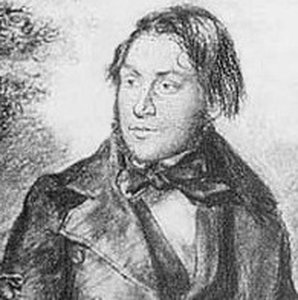
Andrew Nicholl
1804 - 1886 , United Kingdom
Quick Facts
- Artistic Movement Or Style: Romantic Landscape Painting
- Date Of Birth: 1804
- Full Name: Andrew Nicholl
- Nationality: Irish
- Notable Artworks:
- Gougane Barra With The Hermitage Of St Finbarr, County Cork
- Kenbane castle, co. antrim
- Fair head from ballycastle, co. antrim
- Place Of Birth: United Kingdom
Related Articles
Slate Blue Masterpieces: 10 Iconic Paintings & Timeless Home Decor Ideas
Immerse yourself in the captivating world of slate blue! Explore 10 iconic paintings by Monet, Van Gogh & Renoir. Discover their stories, techniques & find museum-quality art reproductions for your home at .

Romantic Landscapes: 10 Masterpieces for Your Home | ArtsDot
Journey through 10 Romantic landscape masterpieces by Friedrich, Turner & Cole. Explore emotional art, sublime nature scenes & iconic 19th-century paintings. Find museum-quality reproductions for your home at ArtsDot.com – discover the full collection online!
The Allure of Azure: Exploring the Symbolic & Aesthetic Depths of Blue in Art History
Explore the rich history of blue in art! Discover its symbolism, from ancient pigments to modern masterpieces by Kandinsky & Seurat. Uncover the psychological impact and cultural meanings behind this captivating hue.

Evocations of Place: A Historical Journey Through Landscape Art
Explore the rich history of landscape art with ArtsDot. Discover renowned artists, movements like Impressionism & Romanticism, and expert guidance for collecting timeless pieces. Find your perfect serene escape today!

John Constable's Masterpieces: Explore 25 Iconic Landscapes for Your Home
Journey through John Constable's 25 most celebrated landscapes. Explore Romanticism, Dedham Vale & his masterful use of light in iconic paintings like 'Hay Wain'. Find museum-quality art reproductions and elevate your home decor on ArtsDot.com.