

 Preview
 Send
Send Share
Share
 Details

 Download
 Similars
 X-Ray
X-Ray Diaporama
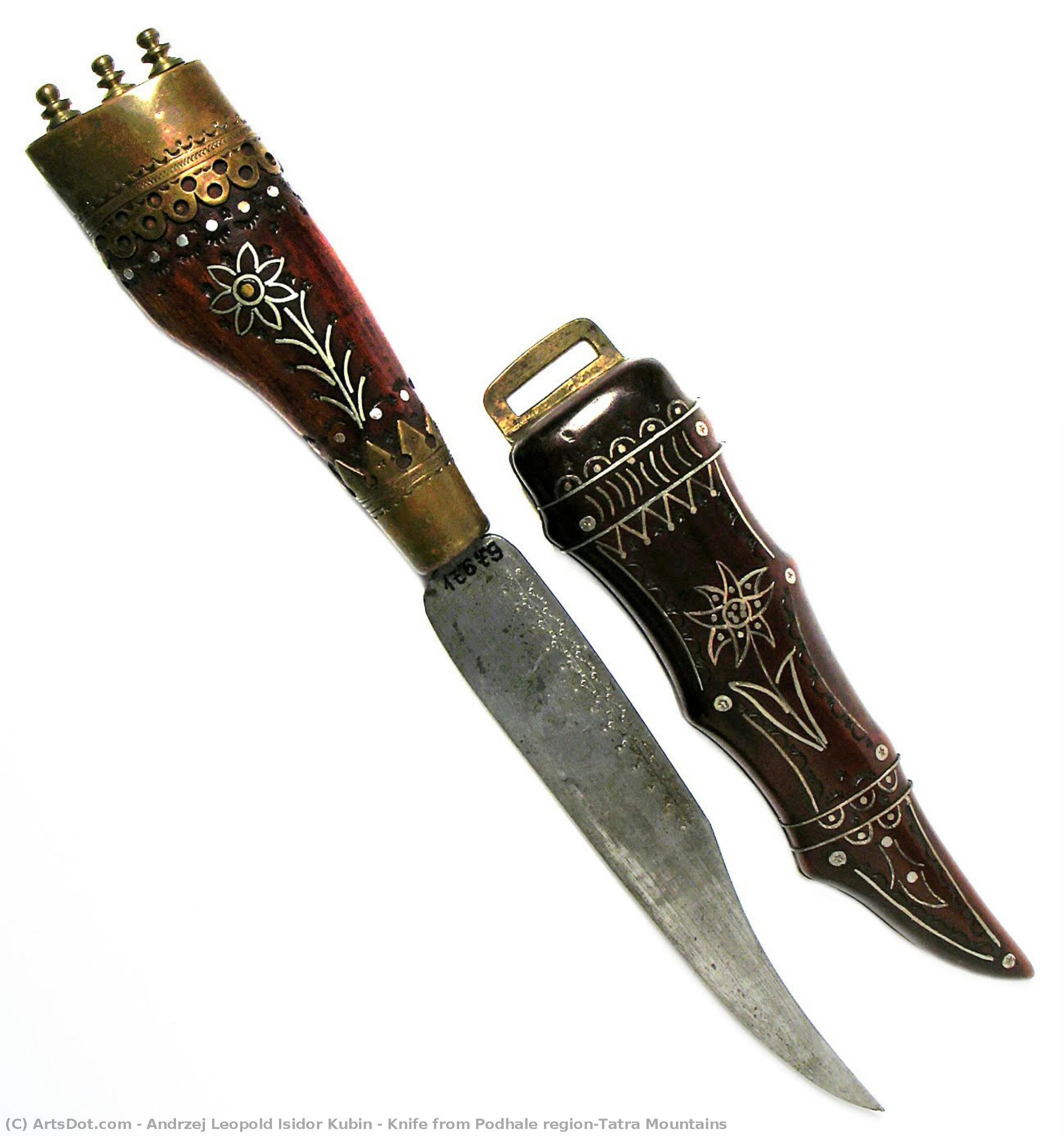
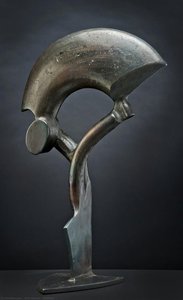
Knife from Podhale region,Tatra Mountains


 Read More
Purchase a high-resolution, enhanced digital image, far superior to the online preview.
Each file is meticulously prepared by our in-house specialists using advanced tools and expert manual retouching. We ensure every image has exceptional clarity, precise color accuracy, and fine detail.
The final file is delivered via email within 72 hours, optimized for immediate use in professional, editorial, and print environments. This is the same quality trusted by top-tier design studios, publishers, and galleries.
Digital Image
Download a high-resolution file for personal display, printing, and creative projects. ( Buy Print Buy Hand Made Painting)
Included in Every Digital Image Order
Expert Digital Delivery, Guaranteed
When you choose ArtsDot.com, you're not just getting an image - you're receiving a professionally enhanced digital artwork, crafted with precision and backed by a satisfaction guarantee. Here's everything that comes with your order, automatically:

Fast Email Delivery
Your high-resolution digital image file will be emailed to you within 72 hours of ordering - ready for immediate use.

AI-Enhanced Digital File
Your artwork is professionally optimized using advanced AI tools and manual editing, ensuring maximum detail, clarity, and color accuracy.

Free Lifetime Re-Delivery
Accidentally deleted or lost your file? No worries - we'll resend it to you anytime, free of charge.

No Import Fees - Ever
Enjoy your artwork instantly with zero customs, duties, or delivery fees - digital downloads are always tax-free.

Color Accuracy Guarantee
We ensure your digital image reflects the original colors as closely as possible using professional tools and color management.

60-Day Satisfaction Guarantee
If you're not satisfied with your digital image, we'll revise it or refund 100% within 60 days - no questions asked.

100% Money-Back Guarantee
Not satisfied? Get a full refund within 60 days of receiving your digital file - no questions asked.

Bulk Order Discounts
Buy 3 images, save 10% - Buy 5, save 15% - Buy 10+, save 20%. Great for creative projects, galleries, and agencies.
Related Artworks


Artist Biography
The Architect of Nightmares: The Life and Vision of Alfred Kubin
To step into the world of Alfred Leopold Isidor Kubin is to descend into a realm where the boundaries between reality and nightmare dissolve. Born in 1877 in the town of Leitmeritz, within the Austro-Hungarian Empire, Kubin’s early life was marked by a profound sense of melancholy and psychological turbulence. The loss of his mother during his youth left an indelible shadow upon his soul, a grief so heavy that it famously manifested in a desperate suicide attempt upon her grave in 1896. This early encounter with mortality and the abyss would become the cornerstone of his artistic identity. While his initial foray into the world of art began with a brief, unfulfilling apprenticeship in landscape photography, it was through the medium of drawing and printmaking that he truly found his voice—a voice capable of articulating the deepest, most unsettling recesses of the human subconscious.
Kubin’s artistic journey was shaped by the vibrant yet heavy atmosphere of Central Europe. His studies in Munich during the late 1890s placed him at a critical crossroads of modernism. It was here that he encountered the haunting works of Odilon Redon, Edvard Munch, and James Ensor, masters who dared to explore the psychological landscape. However, perhaps no influence resonated more deeply than the etchings of Max Klinger. The intricate, monochromatic visions of Klinger provided Kubin with a technical blueprint for his own explorations of the macabre. Inspired by the aquatint techniques of Goya and Klinger, Kubin began to craft a visual language composed of ink, wash, and lithography—media that allowed for the fluid, spectral textures necessary to depict his fantastical and often terrifying subject matter.
Symbolism, Expressionism, and the Dreamscape
The work of Alfred Kubin stands as a monumental bridge between Symbolism and Expressionism. Unlike the Impressionists who sought to capture the fleeting light of the external world, Kubin turned his gaze inward, seeking to map the topography of dreams and delusions. His oeuvre is populated by a cast of spectral figures, distorted landscapes, and unsettling creatures that seem to emerge from a state of perpetual flux. Through his mastery of line and shadow, he created a sense of "the worst of all possible worlds," a concept echoing the pessimism of Schopenhauer. His art does not merely represent fear; it embodies the existential dread of an era caught between the fading certainties of the nineteenth century and the violent upheavals of the twentieth.
His literary contribution, the single novel The Other Side, serves as a profound companion to his visual art. In this work, the themes of duality, transformation, and the permeability of the dream state are explored with the same intensity found in his prints. His ability to weave narrative into his imagery made him a premier illustrator, capable of breathing life into the dark mythologies of literature. Whether depicting the grotesque or the sublime, Kubin’s technical precision ensured that even his most chaotic visions possessed a haunting, structural clarity.
Legacy Amidst the Shadows of History
The historical context of Kubin's life added layers of gravity to his already somber themes. As Europe descended into the carnage of World War I, Kubin sought refuge in the seclusion of Zwickledt Manor in Upper Austria. This period of isolation allowed him to refine his introspective style, far removed from the political clamor of the cities, yet deeply connected to the universal themes of destruction and loss. Later, during the rise of the Nazi regime, his work was branded as entartete Kunst (degenerate art), a label that threatened to erase his contributions from the cultural record. Yet, through this period of immense political pressure, Kubin continued to create, his imagery reflecting the pervasive atmosphere of dread and the fragility of human existence.
Today, Alfred Kubin is recognized not merely as a printmaker or illustrator, but as a visionary who anticipated the psychological complexities of the modern age. His significance lies in his ability to give form to the formless—to provide a visual vocabulary for the anxieties, terrors, and profound mysteries of the human psyche. His legacy continues to haunt and inspire, reminding us that beneath the surface of our perceived reality lies an infinite, dark, and beautiful expanse of the unknown.

andrzej leopold isidor kubin
1877 - 1959 , Czech Republic
Quick Facts
- Artistic Movement Or Style: Group of Seven
- Artists Or Movements Influenced By This Artist:
- Group of Seven
- Modernism
- Artists Who Influenced This Artist:
- William Morris
- Gustave Moreau
- Date Of Birth: August 5, 1877
- Date Of Death: 1917
- Full Name: Tom Thomson
- Nationality: Canadian
- Notable Artworks:
- The Great Northern
- Lake Tomkop
- The West Wind
- Place Of Birth: Claremont, Ontario

