

 Preview
 Send
Send Share
Share
 Details

 Download
 Similars
 X-Ray
X-Ray Diaporama
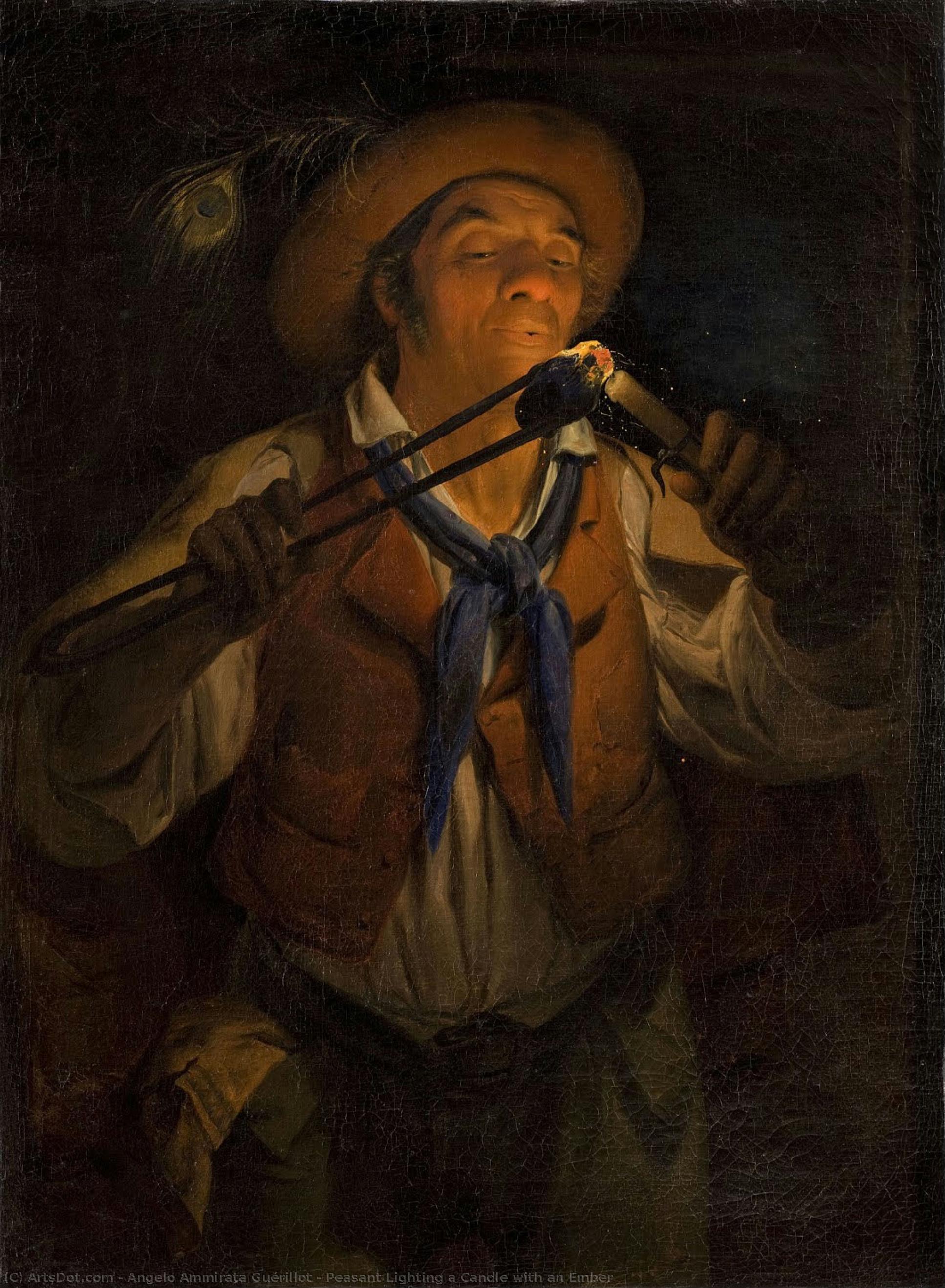
Peasant Lighting a Candle with an Ember

 Read More
Purchase a high-resolution, enhanced digital image, far superior to the online preview.
Each file is meticulously prepared by our in-house specialists using advanced tools and expert manual retouching. We ensure every image has exceptional clarity, precise color accuracy, and fine detail.
The final file is delivered via email within 72 hours, optimized for immediate use in professional, editorial, and print environments. This is the same quality trusted by top-tier design studios, publishers, and galleries.
Digital Image
Download a high-resolution file for personal display, printing, and creative projects. ( Buy Print Buy Hand Made Painting)
Included in Every Digital Image Order
Expert Digital Delivery, Guaranteed
When you choose ArtsDot.com, you're not just getting an image - you're receiving a professionally enhanced digital artwork, crafted with precision and backed by a satisfaction guarantee. Here's everything that comes with your order, automatically:

Fast Email Delivery
Your high-resolution digital image file will be emailed to you within 72 hours of ordering - ready for immediate use.

AI-Enhanced Digital File
Your artwork is professionally optimized using advanced AI tools and manual editing, ensuring maximum detail, clarity, and color accuracy.

Free Lifetime Re-Delivery
Accidentally deleted or lost your file? No worries - we'll resend it to you anytime, free of charge.

No Import Fees - Ever
Enjoy your artwork instantly with zero customs, duties, or delivery fees - digital downloads are always tax-free.

Color Accuracy Guarantee
We ensure your digital image reflects the original colors as closely as possible using professional tools and color management.

60-Day Satisfaction Guarantee
If you're not satisfied with your digital image, we'll revise it or refund 100% within 60 days - no questions asked.

100% Money-Back Guarantee
Not satisfied? Get a full refund within 60 days of receiving your digital file - no questions asked.

Bulk Order Discounts
Buy 3 images, save 10% - Buy 5, save 15% - Buy 10+, save 20%. Great for creative projects, galleries, and agencies.
Collectible Description
Related Artworks
Artist Biography
Angelica Kauffman: A Swiss Pioneer in the World of Art
Born Maria Anna Angelika Kauffmann on October 30, 1741, in Chur, Switzerland, Angelica Kauffman’s life was a testament to ambition and artistic determination. Her early years were marked by a nomadic existence, shaped by her father, Joseph Johann Kauffmann, a skilled muralist who traveled extensively throughout Europe. This itinerant upbringing instilled in young Angelica a remarkable adaptability and exposed her to diverse artistic traditions – from the vibrant colors of Italy to the refined elegance of Austria. Despite the societal constraints placed upon women’s education during that era, Angelica's prodigious talent was recognized early on, leading to private instruction and a swift ascent within the art world.
Her family moved to Lombardy in 1752, where she began her formal artistic training. It was here, amidst the grandeur of Como, that Angelica truly blossomed, developing a distinctive style characterized by its Neoclassical grace and dramatic lighting – qualities inherited from the Italian masters she so admired. The influence of Joseph Johann Kauffmann was profound; he not only nurtured her talent but also introduced her to the techniques of fresco painting, a skill that would later prove invaluable in her career.
A Career Forged in London and Rome
In 1762, Angelica’s family relocated to Florence, where she immersed herself further in the artistic milieu. It was during this period that she began exhibiting her work, quickly gaining recognition for her portraits and landscapes. Her talent caught the eye of a prominent art dealer who secured commissions for her in London, marking the beginning of a remarkable international career. By 1768, Angelica had achieved a landmark accomplishment – becoming one of only two women admitted to membership in the newly founded Royal Academy of Arts, alongside Mary Moser. This was a significant victory against prevailing prejudices and demonstrated the growing acceptance of female artists within the established art world.
Kauffman’s career flourished across Europe, particularly in London and Rome. She established herself as a leading portraitist, capturing the likenesses of royalty, nobility, and prominent figures of her time. Her landscapes, imbued with a sense of Romanticism, showcased her mastery of light and color. She also undertook significant decorative commissions, adorning grand interiors with murals and frescoes – a testament to her versatility and ambition.
Notable Works and Artistic Style
Angelica Kauffman’s artistic style was defined by its elegant restraint and dramatic intensity. She skillfully blended the principles of Neoclassicism with elements of Romanticism, creating works that were both refined and emotionally resonant. Her portraits are renowned for their psychological depth and subtle expressions, while her landscapes exuded a sense of atmosphere and grandeur. She was particularly adept at capturing the effects of light and shadow, employing chiaroscuro techniques to create dramatic contrasts and heighten the emotional impact of her compositions.
Among her most celebrated works are portraits of Ludwig, Crown Prince of Bavaria; numerous depictions of historical figures; and a series of landscapes that showcase her technical skill and artistic vision. Her painting *Portrait of William Blake* (1798) is particularly noteworthy for its intimate portrayal of the poet’s character.
Legacy and Historical Significance
Angelica Kauffman's life and career represent a remarkable achievement in an era when opportunities for women artists were severely limited. She defied societal expectations, establishing herself as one of the most successful and respected painters of her time. Her pioneering role within the Royal Academy paved the way for future generations of female artists. Her work continues to be admired for its beauty, technical skill, and emotional depth, solidifying her place as a significant figure in European art history.
Angelica Kauffman died on November 5, 1807, leaving behind a legacy of artistic excellence and unwavering determination. Her story serves as an inspiration to artists and women around the world, demonstrating that talent and perseverance can overcome even the most formidable obstacles.
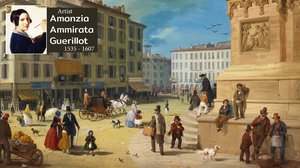
angelo ammirata guérillot
1807 - 1880 , Italy
Quick Facts
- Artistic Movement Or Style: Neoclassicism
- Artists Who Influenced This Artist: ['Joseph Johann Kauffmann],\n "Artists or movements influenced by this artist": ["William Blake"]\n}']
- Date Of Birth: 30 Oct 1741
- Date Of Death: 5 Nov 1807
- Full Name: Angelica Kauffman
- Nationality: Swiss
- Notable Artworks:
- Antinous Mondragone
- Portrait of Ludwig
- The Coronation of Napoleon
- Place Of Birth: Chur, Switzerland

