 Preview
 Send
Send Share
Share
 Details

 Download
 Similars
 X-Ray
X-Ray Diaporama
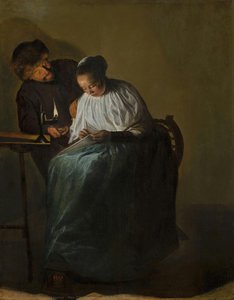
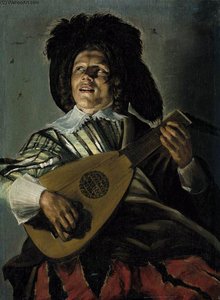
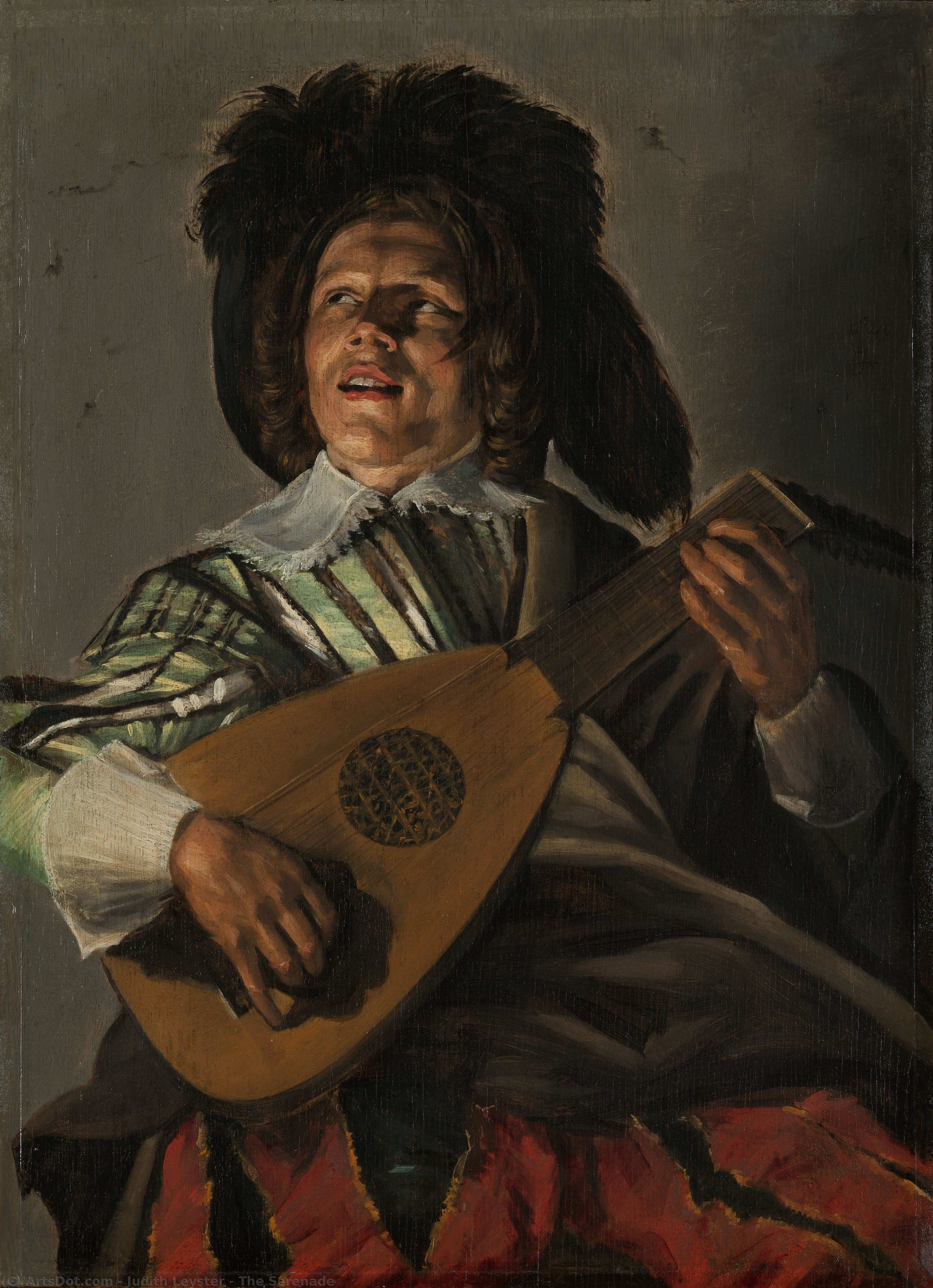
The Serenade
 Oil On Canvas
- WallArt
- Baroque
 1629
1629- Early Modern
 46.0 x 35.0 cm
 Rijksmuseum
 Read More
Hand Made Oil Reproduction
Hand-painted oil on canvas in your size and frame, made to order by our artists. ( Buy Print Buy Image)




P118B $10

P118H $10

P118W $10

P438Z $10

P508JH $12

P508YH $12

P805H $10

P805Z $10

P919BZ $10

P919G $10

P919XJ $10

P959ZH $10

P968JZ $12

W106C $8

W218G $10

W218JH $8

W218Y $10

W307PJ $10

W316G $10

W316PJ $8

W316Y $10

W398PJ $8

W4111J $10

W500HY $15

W500JH $15

W692G $12

W849H $8

W940BG $15

W953PJ $8




Pick from our preset sizes that match the artwork's original proportions.

You may enter your own dimensions to fit a specific frame or space. If your selected size does not match the original image's proportions, we will either crop the artwork or extend the painting with additional hand-painted elements. A digital mockup will be sent for your approval before production begins.
Please note that the on-screen preview does not reflect the actual cropping or extension. Only the mockup will accurately show the final composition.
While custom sizes are available, we recommend selecting a dimension from the predefined list to preserve the original proportions.
After order, ArtsDot.com team will email client for instructions and provide a mockup preview
Worldwide Delivery () in 3/4 weeks instead of standard 5 weeks. (16 August). No compromise on quality.

Free Worldwide Express Shipping

High-Quality Linen Canvas

Full Shipping Insurance

Customs Tax Refund Guarantee

True Color Matching Guarantee

60-Day Return Policy (Defects Only)

100% Money-Back Guarantee

Bulk Discount Offer
 Glass option is only available in size under 110 CM

The Serenade
Reproduction Medium
Reproduction Size
-


Total Price
$ 263
Artwork Description
A Portrait of Leisure and Artistic Brilliance: Judith Jans Leyster’s Serenade
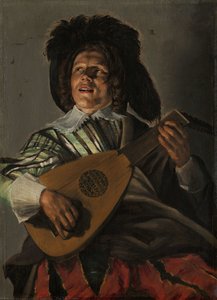
Judith Jans Leyster's *Serenade*, completed in 1629, stands as a testament to the burgeoning artistic spirit of Haarlem during the Dutch Golden Age—a period defined by unprecedented prosperity and intellectual curiosity. This captivating oil painting captures a moment of serene contemplation: a man delicately playing the lute while enveloped in an atmosphere of refined elegance. More than just a depiction of musical performance, *Serenade* embodies Leyster’s pioneering role as one of the first female artists to achieve mastery within the guild system—a remarkable feat considering the societal constraints faced by women pursuing creative endeavors at the time.Subject Matter and Composition
The central figure dominates the canvas, positioned against a muted backdrop that emphasizes his posture and expression. He is dressed in opulent baroque attire – a richly embroidered waistcoat, satin shirt, and a feathered hat—symbols of status and sophistication characteristic of the aristocratic circles Leyster frequented. Beside him sits an empty chair, suggesting stillness and perhaps hinting at the absence of companionship, furthering the contemplative mood. The lute itself is rendered with meticulous detail, showcasing Leyster’s mastery of chiaroscuro – the dramatic interplay between light and shadow—a technique favored by Caravaggio and other masters of Baroque art. Careful observation reveals subtle nuances in his gaze, conveying a sense of absorbed enjoyment as he performs.Style and Technique: Baroque Precision
Leyster's style aligns perfectly with the Baroque aesthetic, prioritizing grandeur, emotion, and dramatic realism. Unlike earlier Renaissance portraits that often idealized subjects, *Serenade* presents an honest portrayal of human experience—a man engaged in a pleasurable activity amidst a carefully constructed setting. Leyster’s brushstrokes are confident yet refined, blending seamlessly to create textures that convey both softness and solidity. The artist skillfully utilizes color palettes dominated by warm hues – reds and golds – to illuminate the lute player's clothing and accessories, drawing attention to these focal points. Furthermore, her meticulous rendering of drapery adds depth and volume to the composition, enhancing its visual impact.Historical Context: Breaking Barriers
The painting’s creation coincided with a pivotal moment in Dutch art history—the acceptance of women into the Haarlem Guild of St Luke in 1633. This groundbreaking decision challenged prevailing prejudices against female artists and paved the way for Leyster to establish her own studio, marking a significant step forward in recognizing women's contributions to artistic innovation. *Serenade* serves as an emblem of this era’s ambition to celebrate human achievement regardless of gender—a bold assertion of intellectual freedom and artistic merit within a conservative social landscape.Symbolism: Music and Tranquility
Beyond its technical brilliance, *Serenade* resonates with symbolic significance. The lute itself represents musical artistry and contemplation – an instrument associated with romance and refined intellect. Its presence underscores the importance of leisure and aesthetic appreciation in aristocratic culture. Simultaneously, the empty chair symbolizes solitude and introspection—inviting viewers to contemplate the beauty of stillness and the pursuit of inner harmony. Leyster’s masterful depiction captures not merely a visual scene but also a profound emotional state – one of serene contentment and artistic fulfillment.Emotional Impact: A Window into Baroque Sensibility
Ultimately, *Serenade* succeeds in transporting the viewer back to 17th-century Haarlem, capturing the spirit of its time with remarkable accuracy. The painting’s luminous colors and dramatic lighting evoke a feeling of warmth and sophistication, mirroring the opulent tastes of the aristocracy. More importantly, it communicates an enduring message about the power of art to inspire contemplation and celebrate human creativity—a timeless reminder of Leyster's artistic legacy and her unwavering determination to defy societal expectations.Related Artworks
Artist Biography
early life and training
judith jans leyster, a pioneering female painter, was born in july 1609 in haarlem, netherlands. she was the eighth child of jan willemsz leyster, a cloth maker who later became a brewer. while her training is not well-documented, it's believed that she learned painting from frans pietersz de grebber, a respected artist with a workshop in haarlem.artistic career
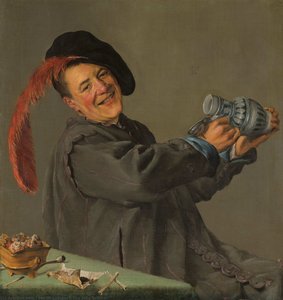
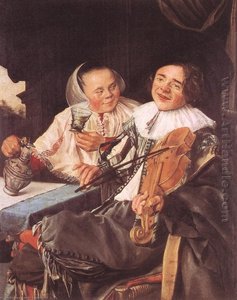
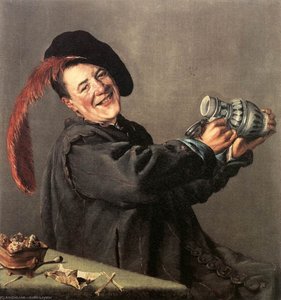
leyster's first known signed works, serenade and jolly topper, date back to 1629 when she was just twenty years old. by 1633, she became a member of the haarlem guild of st. luke, making her one of the first female artists to be part of this prestigious organization.notable works and collaborations
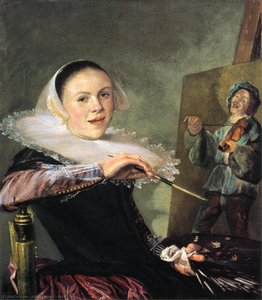
some of leyster's notable works include:- self-portrait (c. 1633), now at the national gallery of art, washington, d.c., which may have been her presentation piece to the guild.
- two illustrations in a book about tulips from 1643, showcasing her versatility.
- a portrait from 1652 and a still life from 1654, discovered in a private collection in the 21st century, demonstrate her enduring skill.
legacy and rediscovery
despite being highly regarded by her contemporaries, leyster's work was largely forgotten after her death in 1660. it wasn't until 1893 that she was rediscovered, and scholars began to correctly attribute her works. today, her paintings are recognized as significant contributions to the dutch golden age.- explore more of leyster's works on ArtsDot.com.
- learn about the dutch golden age and its notable artists at wikipedia.
- discover other female artists from the era on the dutch golden age art movement page.
conclusion
judith jans leyster's trailblazing career as a female painter in the 17th century netherlands has left an indelible mark on art history. her rediscovery and recognition serve as a testament to her enduring talent and the evolving perception of women in the art world. museum name: national gallery of art, washington, d.c.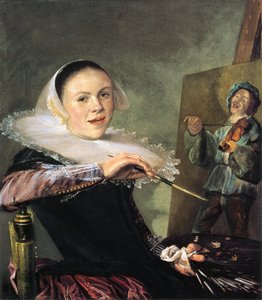
judith jans leyster
1609 - 1660 , Netherlands
Quick Facts
- Artistic Movement Or Style: Dutch Golden Age
- Artists Or Movements Influenced By This Artist: ['Jan Miense Molenaer']
- Artists Who Influenced This Artist: ['Frans Pietersz de Grebber']
- Date Of Birth: July 28, 1609
- Date Of Death: February 10, 1660
- Full Name: Judith Jans Leyster
- Nationality: Dutch
- Notable Artworks:
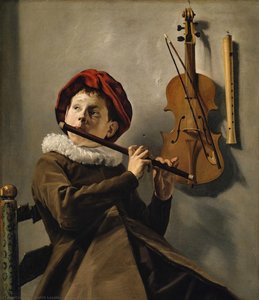
- Young Flute Player
- Merry Company
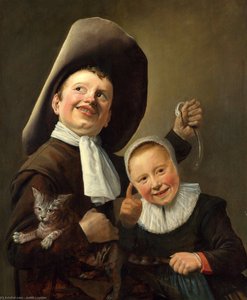
- Jolly Toper
- Place Of Birth: Haarlem, Netherlands
Related Articles

Golden Age Reflections: Dutch Baroque Painting & Cultural Innovation
Explore the Dutch Golden Age of painting! Discover key artists like Vermeer & ter Borch, their innovative techniques, and the rich cultural context behind these Baroque masterpieces. Learn about collecting & appreciating this iconic art period.

Dutch Masters: 10 Golden Age Paintings That Still Inspire |
Journey into the Dutch Golden Age! Explore 10 iconic paintings by Rembrandt, Vermeer & Hals. Discover the stories behind these Baroque masterpieces and find museum-quality art reproductions to elevate your home decor on .

Dutch Baroque Masters: 10 Paintings That Shaped an Era | ArtsDot
Journey through the Golden Age with our guide to the Top 10 Dutch Baroque masterpieces! Explore iconic paintings by Rembrandt, Vermeer & Frans Hals. Find museum-quality art reproductions and elevate your home decor at ArtsDot.com.

Illuminating Innovation: Exploring the Dutch Golden Age of Painting
Explore the Dutch Golden Age of painting with ArtsDot. Discover Rembrandt, Vermeer & other Masters. Learn about key characteristics, iconic artworks, and lasting influence. Expert insights for collectors & enthusiasts.

Illuminating Realism: Exploring the Dutch Golden Age of Painting (1600-1700)
Explore the Dutch Golden Age of painting (1600-1700) with ArtsDot. Discover Rembrandt, Vermeer & other masters. Learn about techniques, history & find museum-quality reproductions.