 Preview
 Send
Send Share
Share
 Details

 Download
 Similars
 X-Ray
X-Ray Diaporama
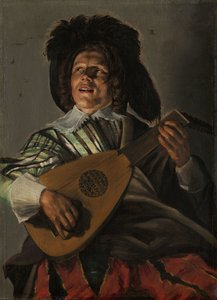
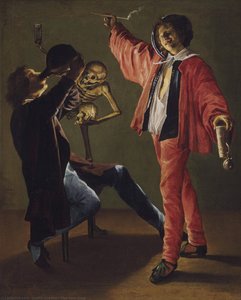
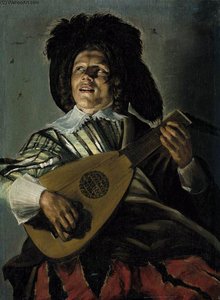
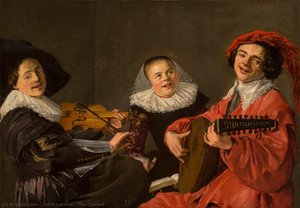
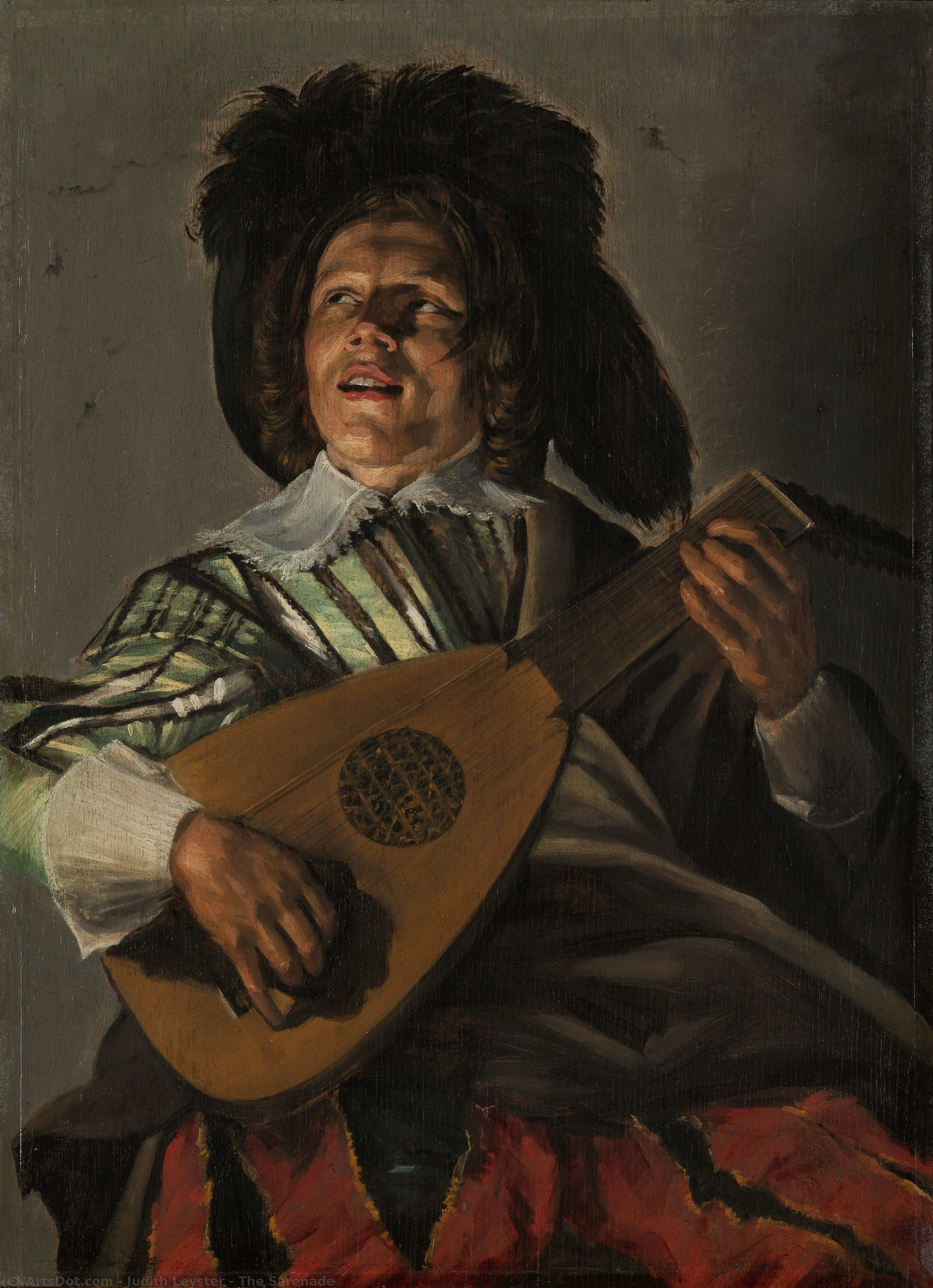
The Serenade
 Oil On Canvas
- WallArt
- Baroque
 1629
1629- Early Modern
 46.0 x 35.0 cm
 Rijksmuseum
 Read More
Hand Made Oil Reproduction
Hand-painted oil on canvas in your size and frame, made to order by our artists. ( Buy Print Buy Image)




P118B $10

P118H $10

P118W $10

P438Z $10

P508JH $12

P508YH $12

P805H $10

P805Z $10

P919BZ $10

P919G $10

P919XJ $10

P959ZH $10

P968JZ $12

W106C $8

W218G $10

W218JH $8

W218Y $10

W307PJ $10

W316G $10

W316PJ $8

W316Y $10

W398PJ $8

W4111J $10

W500HY $15

W500JH $15

W692G $12

W849H $8

W940BG $15

W953PJ $8




Pick from our preset sizes that match the artwork's original proportions.

You may enter your own dimensions to fit a specific frame or space. If your selected size does not match the original image's proportions, we will either crop the artwork or extend the painting with additional hand-painted elements. A digital mockup will be sent for your approval before production begins.
Please note that the on-screen preview does not reflect the actual cropping or extension. Only the mockup will accurately show the final composition.
While custom sizes are available, we recommend selecting a dimension from the predefined list to preserve the original proportions.
After order, ArtsDot.com team will email client for instructions and provide a mockup preview
Worldwide Delivery () in 3/4 weeks instead of standard 5 weeks. (23 August). No compromise on quality.

Free Worldwide Express Shipping

High-Quality Linen Canvas

Full Shipping Insurance

Customs Tax Refund Guarantee

True Color Matching Guarantee

60-Day Return Policy (Defects Only)

100% Money-Back Guarantee

Bulk Discount Offer
 Glass option is only available in size under 110 CM

The Serenade
Reproduction Medium
Reproduction Size
-


Total Price
$ 263
Artwork Description
A Symphony of Light and Shadow
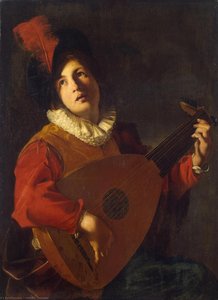
In the quiet corners of the Dutch Golden Age, few works capture the intimate intersection of melody and solitude as profoundly as Judith Jans Leyster’s 1629 masterpiece, The Serenade. This captivating oil painting serves as a window into a moment of profound musical absorption, where the boundaries between the performer and his art seem to dissolve. At its heart, the composition presents a man lost in the rhythmic pulse of his lute, his posture reflecting a deep, soulful engagement with the notes being plucked. Leyster does not merely depict a musician; she captures the very essence of serenity and the transcendent power of art to suspend time itself.
The painting is a masterclass in the Baroque use of chiaroscuro, a technique where dramatic contrasts between light and dark sculpt the figures with breathtaking realism. A soft, directional light washes over the subject, illuminating the fine textures of his opulent attire—the crispness of a white shirt, the intricate embroidery of a waistcoat, and the flamboyant flair of a feathered hat. This strategic illumination draws the eye toward the musician's expressive face, where subtle nuances in his gaze suggest an internal dialogue with the music, creating an emotional resonance that pulls the viewer into his private world.
The Elegance of the Dutch Golden Age
To understand The Serenade is to understand the vibrant, prosperous atmosphere of Haarlem in the early seventeenth century. This was an era defined by intellectual curiosity and a burgeoning middle class that found beauty in the domestic and the refined. Leyster, a pioneering force among the few women to achieve mastery within the prestigious Guild of St. Luke, utilizes this period's penchant for realism to ground her subject in a tangible reality. The meticulous detail rendered in the lute—the wood's grain, the tension of the strings—speaks to a level of technical precision that would later lead many of her works to be mistakenly attributed to masters like Frans Hals.
Beyond the technical brilliance, there is a profound symbolic weight to the composition. The presence of an empty chair beside the musician introduces a poignant note of stillness, perhaps hinting at a companion who has just departed or a lingering sense of longing. This subtle tension between the lively performance and the surrounding silence imbues the work with a melancholic beauty, making it far more than a simple genre painting. It is a study in presence and absence, a reflection on the fleeting nature of pleasure and the enduring legacy of creative expression.
A Timeless Addition to the Modern Interior
For the discerning collector or interior designer, The Serenade offers much more than historical significance; it provides a sophisticated focal point for any curated space. The painting’s muted, earthy palette and dramatic lighting allow it to integrate seamlessly into diverse decor styles, from the stately grandeur of a traditional library to the moody, contemporary aesthetic of a modern loft. Its ability to evoke a sense of calm, intellectual depth, and refined taste makes it an incomparable piece for those looking to infuse their surroundings with character and soul.
Owning a high-quality reproduction of this Leyster treasure allows one to bring the spirit of the Dutch Golden Age into the home. It serves as a daily reminder of the beauty found in quiet moments of passion and the enduring strength of the human spirit. Whether placed in a sunlit gallery or a dimly lit study, The Serenade continues to perform its namesake—a beautiful, lingering melody that resonates through the centuries.
Related Artworks


Artist Biography
early life and training
judith jans leyster, a pioneering female painter, was born in july 1609 in haarlem, netherlands. she was the eighth child of jan willemsz leyster, a cloth maker who later became a brewer. while her training is not well-documented, it's believed that she learned painting from frans pietersz de grebber, a respected artist with a workshop in haarlem.artistic career
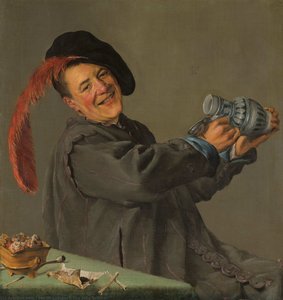
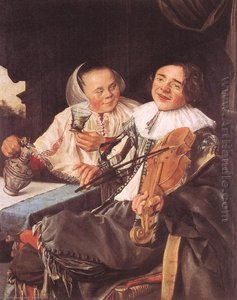
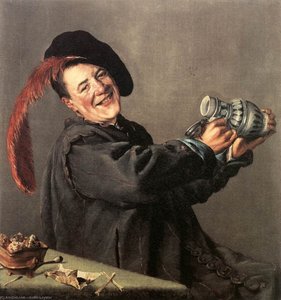
leyster's first known signed works, serenade and jolly topper, date back to 1629 when she was just twenty years old. by 1633, she became a member of the haarlem guild of st. luke, making her one of the first female artists to be part of this prestigious organization.notable works and collaborations
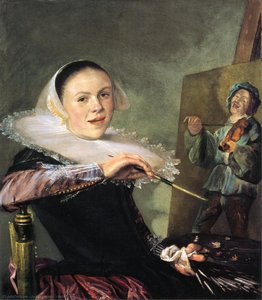
some of leyster's notable works include:- self-portrait (c. 1633), now at the national gallery of art, washington, d.c., which may have been her presentation piece to the guild.
- two illustrations in a book about tulips from 1643, showcasing her versatility.
- a portrait from 1652 and a still life from 1654, discovered in a private collection in the 21st century, demonstrate her enduring skill.
legacy and rediscovery
despite being highly regarded by her contemporaries, leyster's work was largely forgotten after her death in 1660. it wasn't until 1893 that she was rediscovered, and scholars began to correctly attribute her works. today, her paintings are recognized as significant contributions to the dutch golden age.- explore more of leyster's works on ArtsDot.com.
- learn about the dutch golden age and its notable artists at wikipedia.
- discover other female artists from the era on the dutch golden age art movement page.
conclusion
judith jans leyster's trailblazing career as a female painter in the 17th century netherlands has left an indelible mark on art history. her rediscovery and recognition serve as a testament to her enduring talent and the evolving perception of women in the art world. museum name: national gallery of art, washington, d.c.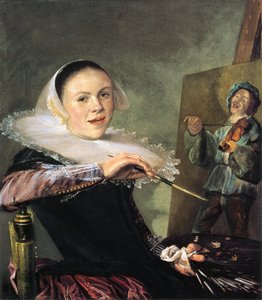
judith jans leyster
1609 - 1660 , Netherlands
Quick Facts
- Artistic Movement Or Style: Dutch Golden Age
- Artists Or Movements Influenced By This Artist: ['Jan Miense Molenaer']
- Artists Who Influenced This Artist: ['Frans Pietersz de Grebber']
- Date Of Birth: July 28, 1609
- Date Of Death: February 10, 1660
- Full Name: Judith Jans Leyster
- Nationality: Dutch
- Notable Artworks:
- Young Flute Player
- Merry Company
- Jolly Toper
- Place Of Birth: Haarlem, Netherlands
Related Articles

Golden Age Reflections: Dutch Baroque Painting & Cultural Innovation
Explore the Dutch Golden Age of painting! Discover key artists like Vermeer & ter Borch, their innovative techniques, and the rich cultural context behind these Baroque masterpieces. Learn about collecting & appreciating this iconic art period.

Dutch Masters: 10 Golden Age Paintings That Still Inspire |
Journey into the Dutch Golden Age! Explore 10 iconic paintings by Rembrandt, Vermeer & Hals. Discover the stories behind these Baroque masterpieces and find museum-quality art reproductions to elevate your home decor on .

Dutch Baroque Masters: 10 Paintings That Shaped an Era | ArtsDot
Journey through the Golden Age with our guide to the Top 10 Dutch Baroque masterpieces! Explore iconic paintings by Rembrandt, Vermeer & Frans Hals. Find museum-quality art reproductions and elevate your home decor at ArtsDot.com.

Illuminating Innovation: Exploring the Dutch Golden Age of Painting
Explore the Dutch Golden Age of painting with ArtsDot. Discover Rembrandt, Vermeer & other Masters. Learn about key characteristics, iconic artworks, and lasting influence. Expert insights for collectors & enthusiasts.
Illuminating Realism: Exploring the Dutch Golden Age of Painting (1600-1700)
Explore the Dutch Golden Age of painting (1600-1700) with ArtsDot. Discover Rembrandt, Vermeer & other masters. Learn about techniques, history & find museum-quality reproductions.