 Preview
 Send
Send Share
Share
 Details

 Download
 Similars
 X-Ray
X-Ray Diaporama
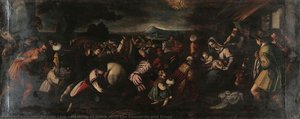
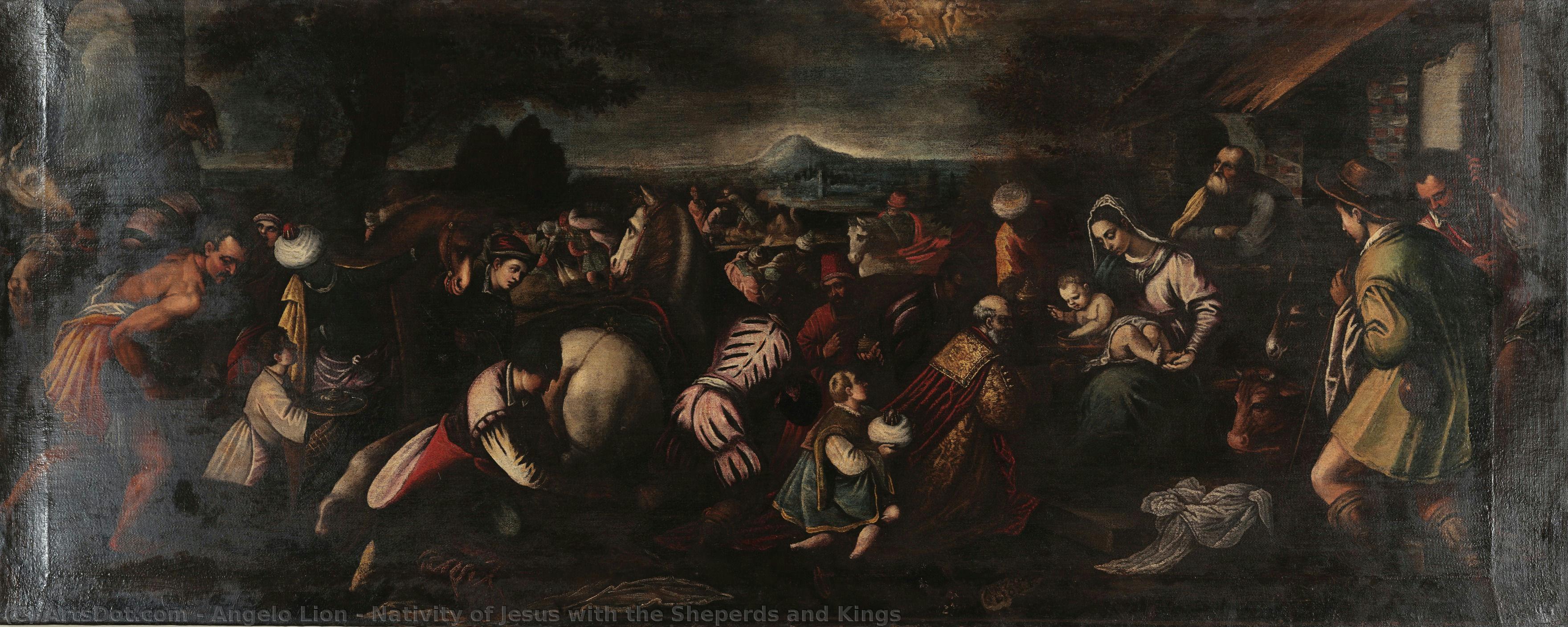
Nativity of Jesus with the Sheperds and Kings
 97.0 x 242.0 cm
 Musei Civici di Arte Antica e Museo Riminaldi
 Read More
Giclée / Art Print
Museum-quality giclée or canvas print with fast production and flexible finish options. ( Buy Hand Made Painting Buy Image)




































Pick from our preset sizes that match the artwork's original proportions.

You may enter your own dimensions to fit a specific frame or space. If your selected size does not match the original image's proportions, we will either crop the artwork or extend the image with a mirrored or solid-fill edge. A digital mockup will be sent for your approval before production begins.
Please note that the on-screen preview does not reflect the actual cropping or extension. Only the mockup will accurately show the final composition.
While custom sizes are available, we recommend selecting a dimension from the predefined list to preserve the original proportions.
Worldwide Delivery () in 2 weeks instead of standard 4/5 weeks. (29 August)

Free Worldwide Express Shipping

High-Quality Linen Canvas

Full Shipping Insurance

Customs Tax Refund Guarantee

True Color Matching Guarantee

60-Day Return Policy (Defects Only)

100% Money-Back Guarantee

Bulk Discount Offer
 Glass option is only available in size under 110 CM

Nativity of Jesus with the Sheperds and Kings
Giclée / Art Print
Reproduction Size
-


Total Price
$ 63
Related Artworks





Artist Biography
Angelo Lion: A Pioneer of White Monochromatic Abstraction
Angelo Lion, an enigmatic figure in the annals of 20th-century Italian art, remains a compelling study in understated innovation and profound influence. Born in Italy – details of his early life remain frustratingly sparse, shrouded in the mists of time and limited biographical documentation – Lion emerged during a period of intense artistic ferment, absorbing the dynamism of Futurism while forging a distinctly personal path. His legacy isn’t one of flamboyant exhibitions or widespread fame; rather, it resides in the quiet power of his monochrome explorations, particularly his masterful manipulation of white paint to evoke complex emotional landscapes and subtle shifts in form. Lion's work represents a significant, though often overlooked, contribution to the development of abstract art, demonstrating an early mastery of texture and gesture within a severely limited palette.Early Influences and Artistic Development
The precise details of Lion’s formative years are elusive, but it is believed he spent time in Venice during the 1920s and 30s, a city deeply intertwined with the burgeoning Futurist movement. While never formally affiliated with the group, Lion clearly absorbed its spirit of dynamism, experimentation, and rejection of traditional artistic conventions. The Futurists’ fascination with speed, technology, and the depiction of motion undoubtedly influenced his early work, though he quickly moved beyond mere replication of mechanical imagery. Crucially, Lion's exposure to Venetian painting traditions – particularly the layering techniques employed by masters like Titian – provided a foundational understanding of color and texture that would later inform his monochrome explorations. The stark contrasts between light and shadow inherent in Venetian art seem to have seeded an interest in exploring the expressive potential of negative space and subtle tonal variations, which he would ultimately master with unparalleled skill. Interestingly, Lion’s work also shows hints of early influences from the German Expressionists, particularly their focus on subjective experience and emotional intensity.The Rise of White Monochromatic Art
Lion's most distinctive contribution to art history lies in his sustained exploration of white paint. Beginning around 1950, he embarked on a series of paintings predominantly executed in shades of white – sometimes starkly brilliant, other times delicately nuanced – using a variety of techniques to create an astonishing range of visual effects. He eschewed the traditional methods of applying paint with brushes, instead favoring scraping, rubbing, and layering to build up complex textures and suggest forms that were often ambiguous and open to interpretation. Lion’s process was intensely physical; he would frequently use his hands, palette knives, and even rags to manipulate the paint, imbuing each work with a palpable sense of energy and immediacy. This tactile approach is evident in the visible brushstrokes and subtle shifts in surface quality that characterize his paintings. The choice of white as his primary medium was not merely aesthetic; it represented a deliberate rejection of color’s conventional role in art, forcing him to rely on variations in tone, texture, and gesture to convey meaning and emotion.Key Works and Recurring Themes
Several works stand out as particularly significant examples of Lion's artistic vision. “Nativity of Jesus with the Shepherds and Kings” (1957) exemplifies his ability to create a complex narrative through purely abstract means, utilizing subtle shifts in texture and form to evoke the drama and emotion of the biblical scene. Similarly, "St Dominic and St Francis" (1960) demonstrates his mastery of creating depth and spatial relationships within a monochrome palette. Throughout his career, Lion explored recurring themes of spirituality, solitude, and the human condition. His paintings often convey a sense of quiet contemplation and introspection, inviting viewers to engage with their own emotions and experiences. The ambiguity inherent in his abstract forms allows for multiple interpretations, reflecting the subjective nature of artistic experience.Legacy and Historical Significance
Angelo Lion’s impact on 20th-century art is profound, though often understated. He was a pioneer in the development of white monochromatic abstraction, anticipating later artists such as Yves Klein and Robert Motherwell. His meticulous exploration of texture and gesture within a severely limited palette demonstrated an extraordinary level of technical skill and artistic vision. Lion’s work serves as a testament to the power of simplicity and restraint, proving that profound meaning can be conveyed through the most minimal means. While he may not have achieved widespread recognition during his lifetime, Angelo Lion's legacy continues to inspire artists today who seek to explore new ways of expressing themselves through abstraction. His dedication to pushing the boundaries of monochrome painting remains a remarkable achievement in the history of art.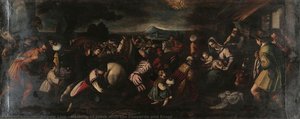
angelo lion
Italy
Quick Facts
- Artistic Movement Or Style: Abstract painter
- Artists Who Influenced This Artist: ['Futurist influence']
- Full Name: Angelo Lion
- Nationality: Italian
- Notable Artworks:
- Nativity of Jesus
- St Dominic and St Francis
- Place Of Birth: Italy