

 Preview
 Send
Send Share
Share
 Details

 Download
 Similars
 X-Ray
X-Ray Diaporama
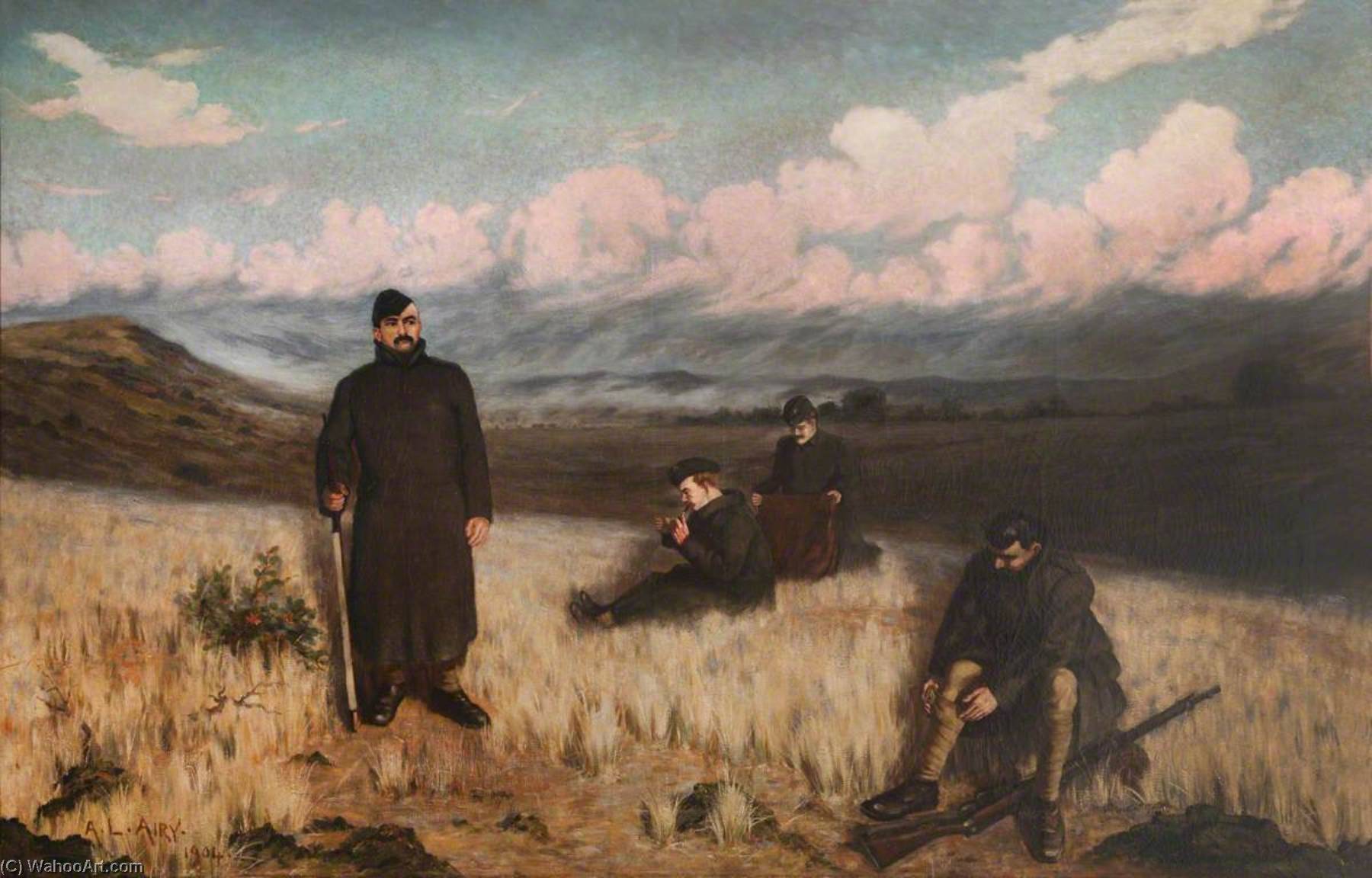
Soldiers in the Fields in South Africa
 Oil On Canvas
- WallArt
- Early 20th Century Painting
 1902
1902- Late Medieval
 120.0 x 181.0 cm
 The Royal Hospital Chelsea
 Read More
Purchase a high-resolution, enhanced digital image, far superior to the online preview.
Each file is meticulously prepared by our in-house specialists using advanced tools and expert manual retouching. We ensure every image has exceptional clarity, precise color accuracy, and fine detail.
The final file is delivered via email within 72 hours, optimized for immediate use in professional, editorial, and print environments. This is the same quality trusted by top-tier design studios, publishers, and galleries.
Digital Image
Download a high-resolution file for personal display, printing, and creative projects. ( Buy Print Buy Hand Made Painting)
Included in Every Digital Image Order
Expert Digital Delivery, Guaranteed
When you choose ArtsDot.com, you're not just getting an image - you're receiving a professionally enhanced digital artwork, crafted with precision and backed by a satisfaction guarantee. Here's everything that comes with your order, automatically:

Fast Email Delivery
Your high-resolution digital image file will be emailed to you within 72 hours of ordering - ready for immediate use.

AI-Enhanced Digital File
Your artwork is professionally optimized using advanced AI tools and manual editing, ensuring maximum detail, clarity, and color accuracy.

Free Lifetime Re-Delivery
Accidentally deleted or lost your file? No worries - we'll resend it to you anytime, free of charge.

No Import Fees - Ever
Enjoy your artwork instantly with zero customs, duties, or delivery fees - digital downloads are always tax-free.

Color Accuracy Guarantee
We ensure your digital image reflects the original colors as closely as possible using professional tools and color management.

60-Day Satisfaction Guarantee
If you're not satisfied with your digital image, we'll revise it or refund 100% within 60 days - no questions asked.

100% Money-Back Guarantee
Not satisfied? Get a full refund within 60 days of receiving your digital file - no questions asked.

Bulk Order Discounts
Buy 3 images, save 10% - Buy 5, save 15% - Buy 10+, save 20%. Great for creative projects, galleries, and agencies.
Collectible Description
A Glimpse of Resilience: Anna Airy’s “Soldiers in the Fields in South Africa”
Anna Airy's "Soldiers in the Fields in South Africa," painted in 1902, is more than just a depiction of men resting amidst a pastoral landscape; it’s a poignant meditation on duty, camaraderie, and the quiet dignity found within moments of respite. Created during a period of significant social upheaval and military engagement, this oil-on-canvas work offers a rare glimpse into the lives of soldiers stationed in South Africa, capturing not just their physical presence but also the subtle emotional currents flowing beneath the surface of their shared experience.
Airy’s style is characterized by a remarkable sensitivity to light and color. She eschews dramatic contrasts, instead favoring a muted palette of earthy browns, greens, and blues – tones that evoke the vastness of the South African veldt and lend an air of quiet contemplation to the scene. Her brushwork is loose yet deliberate, conveying both the texture of the clothing and the rolling contours of the landscape with remarkable skill. The composition itself is carefully balanced, drawing the eye across the canvas from the cluster of soldiers in the foreground to the distant hills, creating a sense of depth and spaciousness that mirrors the scale of the environment.
The Context of Conflict and Creation
To fully appreciate “Soldiers in the Fields,” it’s crucial to understand the historical backdrop against which it was created. The painting emerged during the Second Boer War (1899-1902), a brutal conflict between the British Empire and the Boers, who fiercely defended their independence. While often portrayed as a straightforward colonial struggle, the war revealed deep divisions within South Africa and exposed the complexities of race, land ownership, and political power. Airy’s commission to paint scenes of military life was part of a broader effort by the British government to document and promote its role in the conflict – though her work transcends mere propaganda, offering instead a humanizing portrayal of the soldiers involved.
Airy herself was an intriguing figure within the art world. The granddaughter of Sir George Biddell Airy, the Astronomer Royal, and Johann Benedict Listing, a renowned mathematician, she inherited a lineage steeped in intellectual curiosity and scientific rigor. This background subtly informed her artistic approach – a meticulous observation of detail combined with a deep understanding of perspective and composition. Her upbringing, marked by the early loss of her mother and raised primarily by artist aunts, fostered an environment where creativity flourished, shaping her unique vision.
Symbolism and Emotional Resonance
Beyond its realistic depiction of soldiers, “Soldiers in the Fields” is rich in symbolic meaning. The arrangement of the men – seated on the ground, sharing rifles and equipment – speaks to a sense of shared purpose and mutual reliance. The inclusion of a lone soldier standing near the group suggests leadership or perhaps simply a moment of observation, highlighting the human element within the military hierarchy. Notably, a small bird is visible in the sky above, representing hope, freedom, or even a connection to nature amidst the harsh realities of war.
The painting’s emotional impact lies in its quiet dignity and understated realism. It avoids glorifying warfare, instead focusing on the simple act of soldiers finding solace in each other's company. The relaxed postures, the shared glances, and the overall atmosphere of camaraderie convey a sense of resilience – a testament to the human spirit’s ability to endure hardship and find moments of connection even in the most challenging circumstances. It is a powerful reminder that even amidst conflict, humanity persists.
A Legacy of Observation and Detail
“Soldiers in the Fields in South Africa” remains a significant work within Anna Airy's oeuvre and a valuable example of early 20th-century British art. Currently housed at The Royal Hospital Chelsea, it stands as a testament to her skill as an artist and her ability to capture the essence of human experience. Reproductions of this evocative painting offer collectors and interior designers alike a chance to bring home a piece of history – a poignant reminder of the soldiers who served in South Africa and the quiet dignity they found amidst the fields of conflict.
Related Artworks

Artist Biography
A Pioneer’s Palette: The Life and Art of Anna Airy
Anna Airy, born in Greenwich in 1882, emerged as a significant figure in early 20th-century British art—a time of immense social and artistic change. Her lineage was steeped in intellectual pursuit; the granddaughter of Sir George Biddell Airy, Astronomer Royal, and Johann Benedict Listing, a professor at the University of Göttingen, she inherited a legacy of rigorous observation and scientific curiosity that would subtly inform her artistic vision. The early loss of her mother and upbringing by her artist aunts fostered an environment where creativity flourished, and her father’s encouragement solidified her path toward a life dedicated to art. Airy's formal training began at the prestigious Slade School of Fine Art in London from 1899 to 1903, where she honed her skills under the tutelage of influential figures like Fred Brown, Henry Tonks, and Philip Wilson Steer. It was here that she developed a versatile approach, mastering oil painting, pastel, etching, and watercolor—a testament to her dedication and natural talent. Her success at the Slade was immediate, earning her numerous prizes including the coveted Melville Nettleship Prize for three consecutive years and a Slade School Scholarship in 1902.From Idyllic Landscapes to Factories of War
Airy’s early artistic endeavors showcased a diverse range of subjects—portraits revealing psychological depth, landscapes imbued with atmospheric nuance, and botanical studies rendered with meticulous detail. She exhibited regularly at the Royal Academy from 1905 onward, establishing herself as a rising star in the London art scene. A one-woman exhibition at the Carfax Gallery in 1908 further cemented her reputation. However, it was the outbreak of World War I that dramatically altered the course of her career and secured her place in history. In an unprecedented move, Airy became one of the first women officially commissioned as a war artist by the Imperial War Museum. Unlike many male artists who focused on battlefield scenes, Airy’s commission centered on documenting the vital—yet often overlooked—world of wartime industry. She was assigned to paint scenes at factories across Britain, including the National Projectile Factory in Hackney Marshes, London, and facilities in Chilwell, Nottingham, Glasgow, and Hendon. Her paintings offer a compelling glimpse into the lives of those who labored tirelessly to support the war effort, particularly the women who filled roles traditionally held by men. The conditions were often harsh; one anecdote recounts how the intense heat at the Hackney Marshes factory literally burned through her shoes while she was painting “A Shell Forge.” This dedication to capturing authenticity—even at personal discomfort—speaks volumes about her commitment as an artist and a documentarian of her time.Style, Influences, and Artistic Versatility
Airy’s artistic style defied easy categorization. While influenced by contemporaries like William Orpen and Augustus John, she forged her own path, blending elements of impressionism with a keen eye for realism. Her pastels often possessed a delicate luminosity, while her oil paintings demonstrated a boldness in brushwork and color. She was equally adept at the precise lines of etching, showcasing her mastery across various mediums. A recurring theme throughout her work was an appreciation for natural forms—flowers, ferns, and fruits were frequent subjects, rendered with both scientific accuracy and artistic sensitivity. This fascination likely stemmed from her upbringing and family connections to the world of science. Beyond her war-related commissions, Airy continued to explore a wide range of subject matter, demonstrating a remarkable versatility that set her apart from many of her peers. She was a member of several prominent art societies—the Pastel Society, the Royal Society of Painter-Etchers, the Royal Institute of Oil Painters, and the Royal Institute of Painters in Water Colours—reflecting her broad artistic interests and recognition within the art community.Legacy and Lasting Impact
Following the war, Airy continued to paint, exhibit, and teach, solidifying her position as a leading woman artist of her generation. She married fellow artist Geoffrey Buckingham Pocock and later moved to Playford near Ipswich, where she taught at the local art school. In addition to her artistic practice, Airy shared her knowledge through writing, authoring “The Art of Pastel” (1930) and “Making a Start in Art” (1951). Her works are now held in prestigious collections including the British Museum, the Victoria and Albert Museum, and the Imperial War Museum, as well as galleries across the UK and internationally. Airy’s historical significance extends beyond her artistic achievements. As one of the first women to be officially commissioned as a war artist, she broke down barriers for female artists in a traditionally male-dominated field. Her paintings provide invaluable visual records of wartime industry and the changing roles of women in British society during World War I—a period of profound transformation. Anna Airy’s legacy endures not only through her captivating artwork but also as an inspiration to future generations of artists, particularly women seeking to make their mark on the world. She remains a testament to the power of art to document history, challenge conventions, and celebrate the resilience of the human spirit.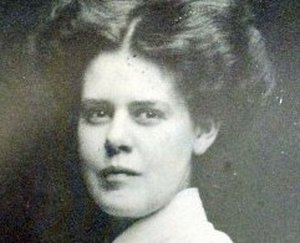
Anna Airy
1882 - 1964 , United Kingdom
Quick Facts
- Artistic Movement Or Style: Impressionism, Realism
- Artists Who Influenced This Artist:
- William Orpen
- Augustus John
- Date Of Birth: June 6, 1882
- Date Of Death: 1964
- Full Name: Anna Airy
- Nationality: British
- Notable Artworks:
- A Shell Forge
- Roses Triumphant
- July Piece
- Soldiers in South Africa
- Place Of Birth: Greenwich, UK

