 Send
Send Share
Share
 Details

 Download
 Similars
 Diaporama
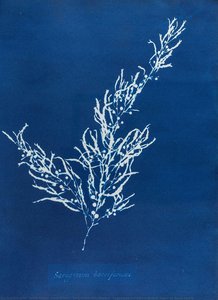
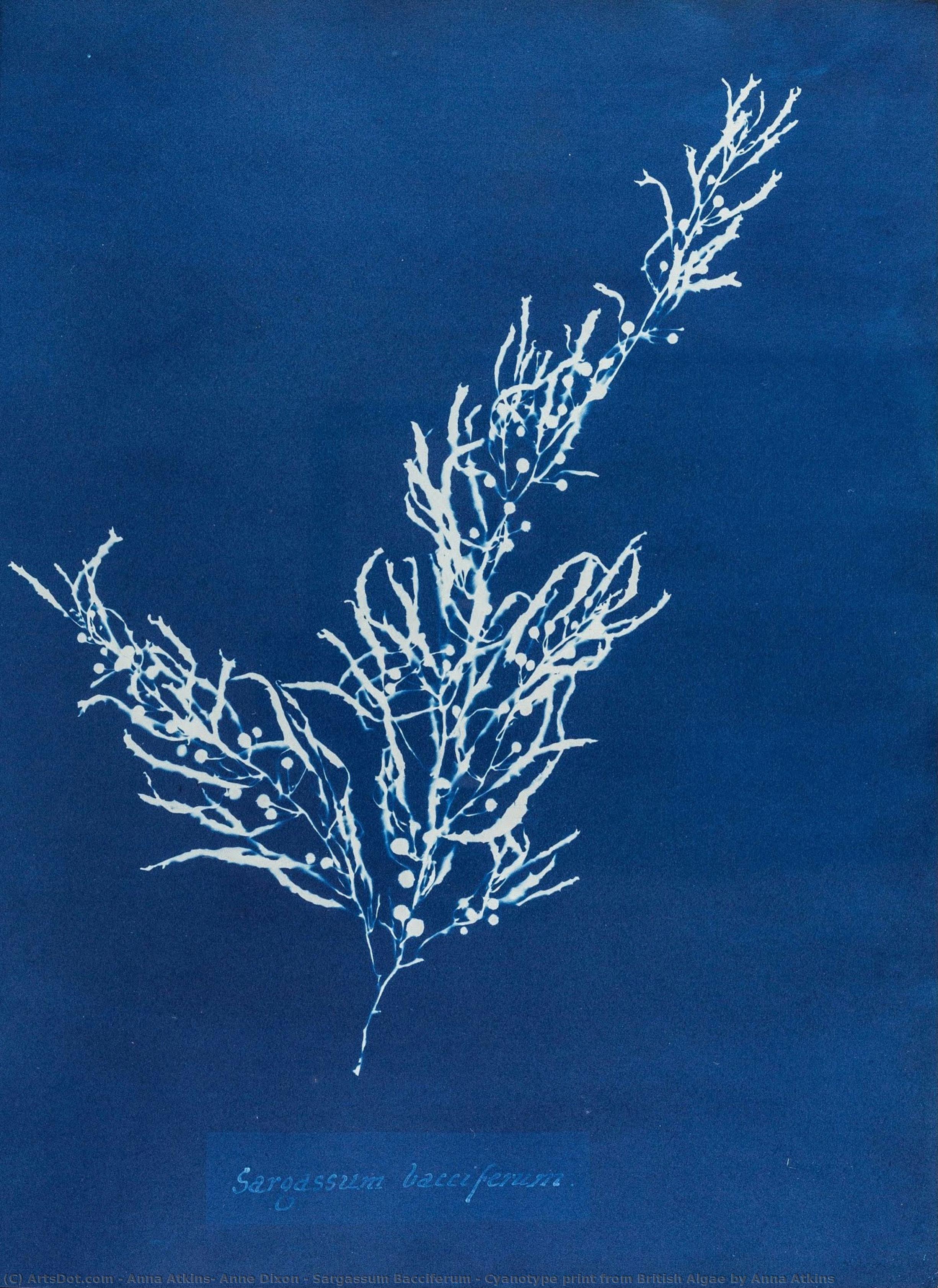
Sargassum Bacciferum - Cyanotype print from British Algae by Anna Atkins


 Read More
Hand Made Oil Reproduction
Hand-painted oil on canvas in your size and frame, made to order by our artists. ( Buy Print Buy Image)




































Pick from our preset sizes that match the artwork's original proportions.

You may enter your own dimensions to fit a specific frame or space. If your selected size does not match the original image's proportions, we will either crop the artwork or extend the painting with additional hand-painted elements. A digital mockup will be sent for your approval before production begins.
Please note that the on-screen preview does not reflect the actual cropping or extension. Only the mockup will accurately show the final composition.
While custom sizes are available, we recommend selecting a dimension from the predefined list to preserve the original proportions.
After order, ArtsDot.com team will email client for instructions and provide a mockup preview
Worldwide Delivery () in 3/4 weeks instead of standard 5 weeks. (16 August). No compromise on quality.

Free Worldwide Express Shipping

High-Quality Linen Canvas

Full Shipping Insurance

Customs Tax Refund Guarantee

True Color Matching Guarantee

60-Day Return Policy (Defects Only)

100% Money-Back Guarantee

Bulk Discount Offer
 Glass option is only available in size under 110 CM

Sargassum Bacciferum - Cyanotype print from British Algae by Anna Atkins
Reproduction Medium
Reproduction Size
-


Total Price
$ 263
Artwork Description
A Botanical Revelation: Anna Atkins and the Dawn of Photographic Botany
Within the hushed halls of the Royal Society, a remarkable testament to scientific curiosity and artistic vision resides – a cyanotype print titled “Sargassum Bacciferum.” More than just a depiction of seaweed, this delicate blue image represents a pivotal moment in both botanical illustration and photographic history. Created by Anna Atkins in 1843, it’s a window into the Victorian era's burgeoning fascination with natural science and the nascent possibilities of capturing reality through light and chemistry.
Atkins, born Anna Children in 1799, possessed an unusually progressive education fostered by her father, John George Children – a chemist, mineralogist, and zoologist. This scientific foundation, coupled with her keen observational skills, led her to collaborate with William Henry Fox Talbot on the revolutionary cyanotype process. This technique, utilizing sunlight and simple chemicals, allowed for the creation of direct positive images—a radical departure from the laborious methods of traditional engraving.
The Alchemy of Blue: Technique and Process
The beauty of “Sargassum Bacciferum” lies not only in its subject matter but also in the meticulous execution of the cyanotype process itself. Atkins carefully selected specimens of *Sargassum bacciferum*, a resilient seaweed species, and arranged them on a sheet of treated paper. Exposure to sunlight transformed the chemicals within the paper, creating a stunningly detailed blue print that captured the delicate textures and intricate forms of the plant. The resulting image is remarkably sharp, showcasing the subtle variations in color and form with an almost ethereal quality.
The process itself was a testament to Atkins’s ingenuity – she didn't simply photograph the seaweed; she treated it as a negative, using its silhouette to create a positive image. This innovative approach demonstrated a deep understanding of the cyanotype’s potential and established her as a pioneer in photographic botany.
A Symbol of Resilience: Seaweed and Victorian Science
The choice of *Sargassum bacciferum* is significant. This hardy seaweed, thriving in coastal waters, embodies resilience and adaptability – qualities that resonated deeply with the Victorian scientific spirit. During this era, there was a growing interest in understanding and classifying the natural world, driven by both practical needs (such as identifying edible plants) and a desire to unravel the mysteries of creation.
Furthermore, seaweed held symbolic weight; it represented abundance, fertility, and connection to the sea – a vital resource for coastal communities. Atkins’s meticulous documentation of this seemingly simple organism offered a glimpse into the complex interconnectedness of the natural world, reflecting a broader Victorian fascination with observation and detailed record-keeping.
A Legacy Preserved: The First Illustrated Photographic Book
“Sargassum Bacciferum” is not merely a beautiful botanical print; it’s a landmark achievement. It stands as the first book illustrated with photographs, published in 1843 by Anna Atkins herself. This groundbreaking work challenged conventional artistic practices and paved the way for future generations of photographers and illustrators. The limited number of surviving copies—now treasured within institutions like the British Library and the New York Public Library—testify to the enduring value of this remarkable piece of art history.
Today, reproductions of “Sargassum Bacciferum” offer a tangible connection to this pivotal moment in scientific and artistic innovation. They serve as a reminder of Anna Atkins’s pioneering spirit and her profound contribution to our understanding of the natural world through the transformative power of photography.
Related Artworks
Artist Biography
A Pioneer of Photographic Botany: The Life and Legacy of Anna Atkins
Anna Atkins, born Anna Children in 1799 in Tonbridge, Kent, was a figure whose contributions to both botany and photography were remarkably ahead of her time. Her life unfolded against the backdrop of burgeoning scientific inquiry and artistic innovation, yet she navigated a world where opportunities for women were severely limited. The early loss of her mother fostered a particularly close relationship with her father, John George Children, a respected chemist, mineralogist, and zoologist—a connection that proved pivotal in shaping her intellectual trajectory. He provided an unusually comprehensive scientific education for a woman of the era, nurturing a curiosity that would blossom into groundbreaking work. This foundation wasn’t merely academic; it was deeply practical, involving her directly in his research, most notably through detailed engravings of shells used to illustrate his translation of Lamarck's *Genera of Shells*. These early artistic endeavors weren’t simply illustrative; they honed a meticulous observational skill that would become central to her later photographic explorations.Cyanotype Impressions: A Revolution in Scientific Documentation
The year 1839 marked a turning point, not only for Atkins but for the nascent field of photography itself. She was elected a member of the London Botanical Society, an unusual honor that underscored her growing reputation within the scientific community. Simultaneously, she became captivated by the revolutionary photographic process of cyanotyping, invented by Sir John Herschel. Unlike earlier methods, cyanotype offered a relatively simple and accessible means of creating photographic images—a blueprint-like process using light-sensitive iron salts to produce striking blue prints. Atkins didn’t merely adopt this technique; she transformed it into an instrument for scientific documentation unlike any seen before. She embarked on the ambitious project of cataloging British algae, recognizing that traditional hand-drawn illustrations often failed to capture the intricate details of these delicate specimens. Her resulting work, *Photographs of British Algae: Cyanotype Impressions* (1842-1853), wasn’t just a collection of beautiful images; it was a landmark achievement—the first book ever illustrated with photographs.Artistic Vision and Scientific Rigor
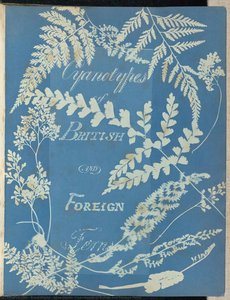
The significance of Atkins's work extends far beyond its historical "first." She didn’t simply *reproduce* botanical specimens; she presented them as objects of aesthetic beauty, carefully arranging the algae on the cyanotype paper to create compositions that were both scientifically accurate and visually compelling. The ethereal blue tones and delicate forms evoke a sense of wonder, transforming scientific documentation into an art form. This blending of artistic vision and scientific rigor was particularly remarkable for its time, challenging conventional notions about the relationship between art and science. Her later work extended beyond algae to include ferns and other plant life, as evidenced by *Cyanotypes of British and Foreign Plants and Ferns* (1854), further demonstrating her mastery of the cyanotype process and her dedication to botanical documentation. Collaborations with figures like Anne Dixon expanded her artistic explorations, incorporating elements such as flowers, feathers, and lace into increasingly complex compositions.A Legacy Rediscovered
Despite her pioneering contributions, Anna Atkins’s work largely faded from view in the late 19th century. Her albums were rediscovered in the British Museum by historian William Lang Jr. in 1889, but even then, her role as the creator remained somewhat obscured. It wasn't until more recent scholarship that her significance began to be fully appreciated. Today, Atkins is celebrated as a visionary artist and scientist—a true innovator who anticipated many of the developments in both photography and botanical illustration that would follow. Her work continues to inspire artists and scientists alike, reminding us of the power of observation, experimentation, and the enduring beauty of the natural world. Institutions like the J. Paul Getty Museum hold examples of her cyanotypes – *Cyanotypes of British and Foreign Ferns*, *Convalaria multiflora*, and *Adiantum tenerum, Jamaica* – testaments to her skill and dedication. Her legacy is a powerful reminder that innovation often arises from unexpected intersections—in this case, the convergence of art, science, and a woman’s unwavering curiosity.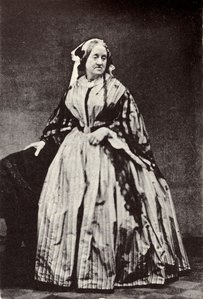
anna atkins, anne dixon
1799 - 1871 , United Kingdom
Quick Facts
- Artistic Movement Or Style: Botanical art, Photography
- Artists Or Movements Influenced By This Artist:
- Early photography
- Botanical illustration
- Artists Who Influenced This Artist:
- John Herschel
- Jean-Baptiste Lamarck
- Date Of Birth: March 16, 1799
- Date Of Death: 1871
- Full Name: Anna Atkins (Anne Dixon)
- Nationality: British
- Notable Artworks:
- Cyanotypes of British Ferns
- Convalaria multiflora
- Adiantum tenerum, Jamaica
- Place Of Birth: Tonbridge, UK
Related Articles

Monochrome Visions: Exploring the Aesthetic & Historical Significance of Black & White Photography
Explore the rich history & artistic power of black and white photography. From early techniques to iconic masters like Ansel Adams, discover why monochrome continues to captivate art lovers today. Expert insights for collectors.

Beyond the Lens: Photography's Enduring Influence on Modern & Contemporary Art
Explore photography's pivotal role in shaping modern & contemporary art. Discover key movements, influential artists like Stieglitz, and expert collecting advice from ArtsDot.

Pictorialism: A Search for Artistic Photography's Soul – Aesthetics, Techniques & Legacy
Explore the captivating world of Pictorialism – a pivotal movement that transformed photography into fine art. Discover key artists like Stieglitz & Käsebier, techniques, and collecting tips from experts.

Witnessing History Through Lens & Light: Documentary Photography's Enduring Legacy
Explore the powerful history of documentary photography – from its origins to contemporary masters like Gordon Parks & W. Eugene Smith. Discover how this art form shapes our understanding of society and witness pivotal moments in time.
The Flourishing Canvas: A Historical Journey Through Botanical Illustration
Explore the captivating history of botanical illustration! Discover renowned artists like Robert Havell & Mary Walcott, learn about techniques, and find museum-quality art at ArtsDot.com.