 Preview
 Send
Send Share
Share
 Details

 Download
 Similars
 X-Ray
X-Ray Diaporama
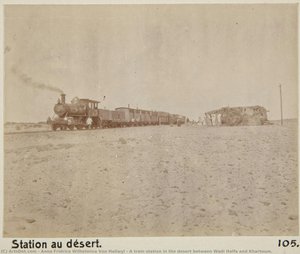
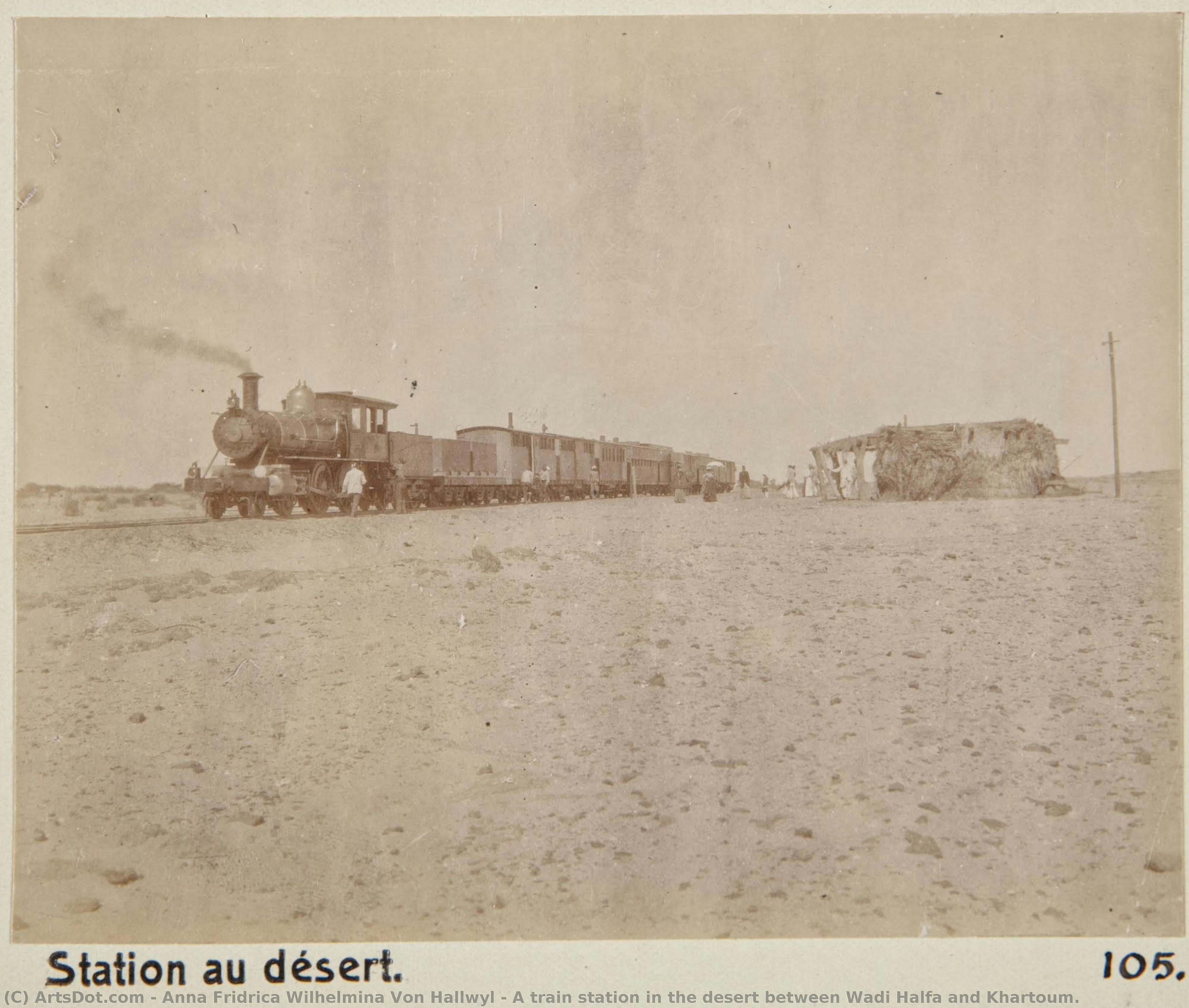
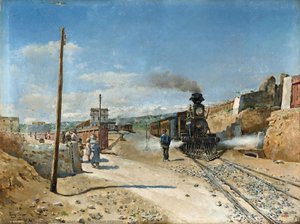
A train station in the desert between Wadi Halfa and Khartoum.


 Read More
Hand Made Oil Reproduction
Hand-painted oil on canvas in your size and frame, made to order by our artists. ( Buy Print Buy Image)




































Pick from our preset sizes that match the artwork's original proportions.

You may enter your own dimensions to fit a specific frame or space. If your selected size does not match the original image's proportions, we will either crop the artwork or extend the painting with additional hand-painted elements. A digital mockup will be sent for your approval before production begins.
Please note that the on-screen preview does not reflect the actual cropping or extension. Only the mockup will accurately show the final composition.
While custom sizes are available, we recommend selecting a dimension from the predefined list to preserve the original proportions.
After order, ArtsDot.com team will email client for instructions and provide a mockup preview
Worldwide Delivery () in 3/4 weeks instead of standard 5 weeks. (3 September). No compromise on quality.

Free Worldwide Express Shipping

High-Quality Linen Canvas

Full Shipping Insurance

Customs Tax Refund Guarantee

True Color Matching Guarantee

60-Day Return Policy (Defects Only)

100% Money-Back Guarantee

Bulk Discount Offer
 Glass option is only available in size under 110 CM

A train station in the desert between Wadi Halfa and Khartoum.
Reproduction Medium
Reproduction Size
-


Total Price
$ 263
Related Artworks
Artist Biography
The Architect of a Legacy: The Life of Wilhelmina von Hallwyl
In the heart of Stockholm, where history breathes through the gilded corridors of the Hallwyl Museum, lies the enduring spirit of Anna Fridrica Wilhelmina von Hall and Hallwyl. Born in 1844 into the prosperous Kempe family, Wilhelmina’s early years were defined by a unique intersection of industrial wealth and profound intellectual curiosity. As the daughter of Wilhelm Kempe, a titan of the Swedish timber industry, her upbringing was far more than a mere exercise in aristocratic luxury; it was an immersion into a world where aesthetics and scholarship were held in the highest regard. This foundational period nurtured a discerning eye that would eventually transform her from a mere socialite into one of the most significant cultural stewards of the late 19th and early 20th centuries.
Her life took a transformative turn through her marriage to Count Walther von Hallwyl, a Swiss officer whose presence brought a cosmopolitan flair to her Swedish roots. Together, they inhabited a sphere where tradition met modern ambition. While their social standing placed them at the pinnacle of Stockholm's nobility, Wilhelmina’s true vocation lay not in the ballroom, but in the meticulous pursuit of beauty and history. Her marriage did more than unite two prestigious lineages; it provided the stability and resources necessary to embark upon a lifelong quest for artistic excellence, blending the ancestral traditions of the Swiss Hallwyl family with the vast economic potential of her Swedish heritage.
A Visionary Assemblage: The Art of Collecting
To speak of Wilhelmina von Hallwyl is to speak of an unparalleled passion for the tangible remnants of human creativity. Her collecting process was not a passive accumulation of wealth, but an active, scholarly endeavor. Driven by an innate desire to safeguard cultural treasures, she embarked on a global odyssey to assemble a collection that bridged the gap between European refinement and East Asian mystique. Her eye was remarkably versatile, capable of finding profound meaning in the heavy weight of medieval arms and armor, the delicate translucency of fine porcelain, and the intricate narratives found within ancient manuscripts.
The sheer scale of her achievement is staggering, as she curated a collection that eventually swelled to over 50,000 objects. This was not merely a hoard of treasures, but a carefully composed dialogue between different eras and cultures. Her collection featured:
- Fine Arts: A profound selection of European paintings, including evocative landscapes that captured the serene essence of the Swedish countryside.
- Decorative Arts: Exquisite furniture crafted from rich mahogany and porcelain adorned with intricate floral motifs, reflecting the height of Victorian elegance.
- Historical Artifacts: A formidable array of arms, armor, and books that served as a window into the martial and intellectual history of Europe.
A Monument to Cultural Stewardship
The true greatness of Wilhelmina von Hallwyl lies in her foresight. She understood that the treasures she gathered were too precious to remain mere private possessions; they were meant for the collective memory of humanity. This realization culminated in her extraordinary decision to donate her vast collection and her magnificent palace to the Swedish state. The resulting Hallwyl Museum stands today as a breathtaking architectural marvel, designed by Isak Gustaf Clason, blending medieval prototypes with the sophisticated grace of Renaissance Venice. It remains one of the few places in the world where the late 19th-century aristocratic lifestyle is preserved with such startling, unadulterated clarity.
Her historical significance cannot be overstated. In an era when women's influence was often confined to the domestic sphere, Wilhelmina exerted a powerful, lasting impact on the global cultural landscape. Through her meticulous curation and her ultimate act of generosity, she ensured that the splendor of the Victorian age and the artistry of diverse civilizations would continue to inspire generations. She did not merely collect art; she curated history itself, leaving behind a legacy that remains as vibrant and essential today as it was during her lifetime.
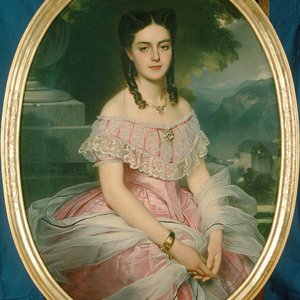
anna fridrica wilhelmina von hallwyl
1844 - 1930 , Sweden
Quick Facts
- Artistic Movement Or Style: Victorian Interiors
- Artists Or Movements Influenced By This Artist: ['Sydney Parkinson']
- Artists Who Influenced This Artist: ['Paulus Moreelse']
- Date Of Birth: October 1, 1844
- Date Of Death: July 25, 1930
- Full Name: Anna Fridrica Wilhelmina von Hallwyl
- Nationality: Swedish
- Notable Artworks: ['Portrait of a Middle-aged Man']
- Place Of Birth: Stockholm, Sweden
Related Articles

Monochrome Visions: Exploring the Aesthetic & Historical Significance of Black & White Photography
Explore the rich history & artistic power of black and white photography. From early techniques to iconic masters like Ansel Adams, discover why monochrome continues to captivate art lovers today. Expert insights for collectors.

Beyond the Lens: Photography's Enduring Influence on Modern & Contemporary Art
Explore photography's pivotal role in shaping modern & contemporary art. Discover key movements, influential artists like Stieglitz, and expert collecting advice from ArtsDot.

Pictorialism: A Search for Artistic Photography's Soul – Aesthetics, Techniques & Legacy
Explore the captivating world of Pictorialism – a pivotal movement that transformed photography into fine art. Discover key artists like Stieglitz & Käsebier, techniques, and collecting tips from experts.

Witnessing History Through Lens & Light: Documentary Photography's Enduring Legacy
Explore the powerful history of documentary photography – from its origins to contemporary masters like Gordon Parks & W. Eugene Smith. Discover how this art form shapes our understanding of society and witness pivotal moments in time.
Documentary Photography's Defining Moments: 10 Masterpieces for Your Home |
Explore 10 defining documentary photography masterpieces – from Dorothea Lange to Robert Capa. Discover powerful stories, iconic images & timeless art for your home. Museum-quality prints at .