 Preview
 Send
Send Share
Share
 Details

 Download
 Similars
 X-Ray
X-Ray Diaporama
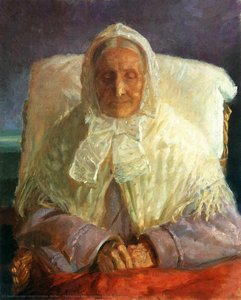
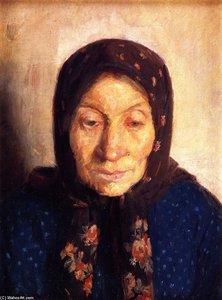
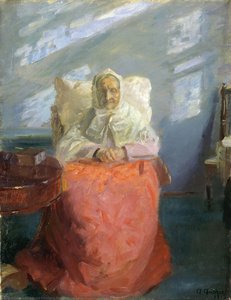
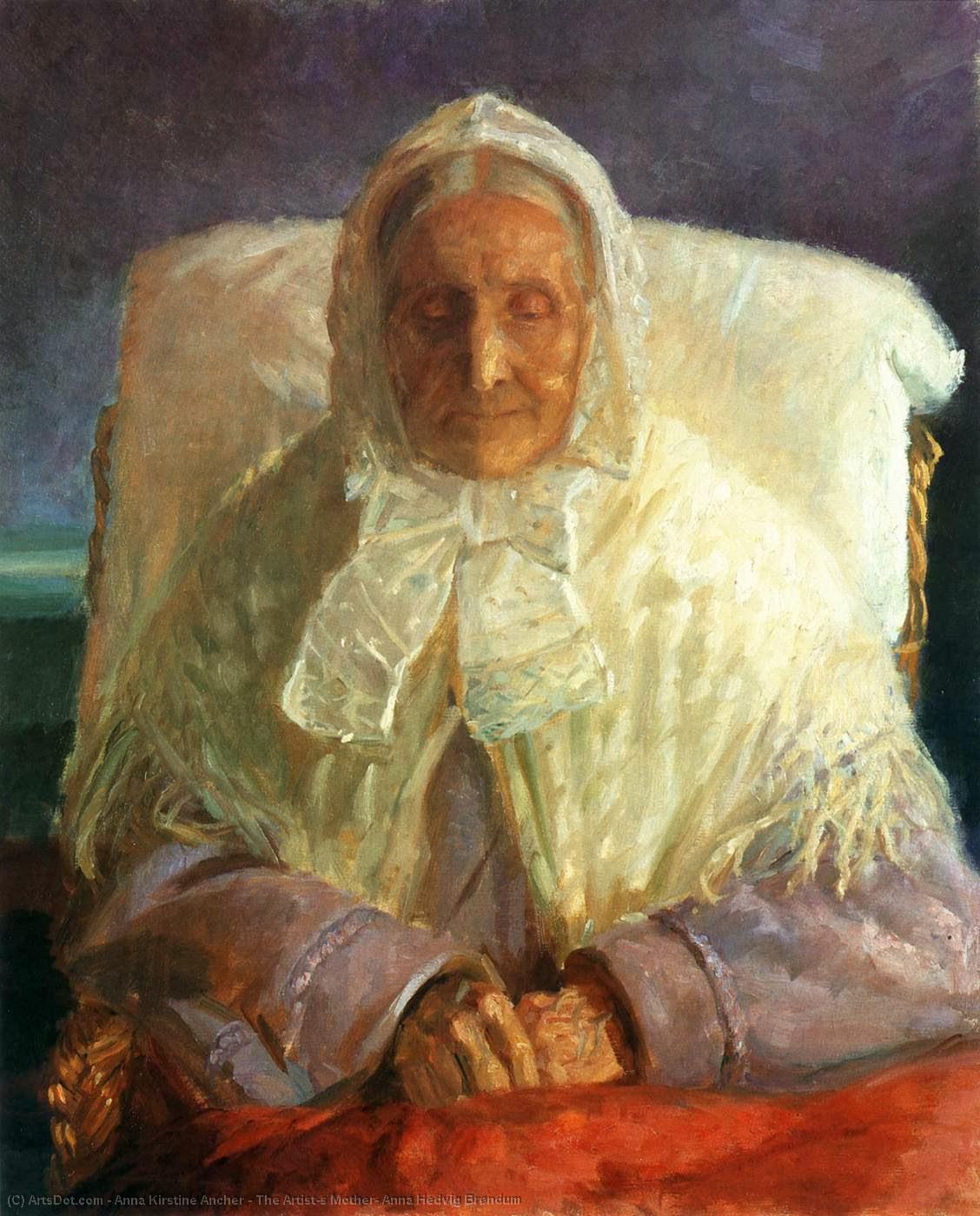
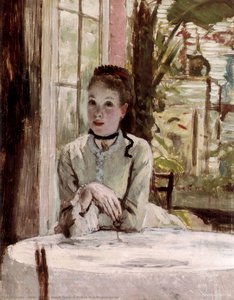
The Artist's Mother, Anna Hedvig Brøndum
 Acrylic On Canvas
- WallArt
- Northern Impressionism
 1913
1913 79.0 x 63.0 cm
 Skagens Museum
 Read More
Giclée / Art Print
Museum-quality giclée or canvas print with fast production and flexible finish options. ( Buy Hand Made Painting Buy Image)




P118B $10

P118H $10

P118W $10

P438Z $10

P508JH $12

P508YH $12

P805H $10

P805Z $10

P919BZ $10

P919G $10

P919XJ $10

P959ZH $10

P968JZ $12

W106C $8

W218G $10

W218JH $8

W218Y $10

W307PJ $10

W316G $10

W316PJ $8

W316Y $10

W398PJ $8

W4111J $10

W500HY $15

W500JH $15

W692G $12

W849H $8

W940BG $15

W953PJ $8




Pick from our preset sizes that match the artwork's original proportions.

You may enter your own dimensions to fit a specific frame or space. If your selected size does not match the original image's proportions, we will either crop the artwork or extend the image with a mirrored or solid-fill edge. A digital mockup will be sent for your approval before production begins.
Please note that the on-screen preview does not reflect the actual cropping or extension. Only the mockup will accurately show the final composition.
While custom sizes are available, we recommend selecting a dimension from the predefined list to preserve the original proportions.
Worldwide Delivery () in 2 weeks instead of standard 4/5 weeks. (5 September)

Free Worldwide Express Shipping

High-Quality Linen Canvas

Full Shipping Insurance

Customs Tax Refund Guarantee

True Color Matching Guarantee

60-Day Return Policy (Defects Only)

100% Money-Back Guarantee

Bulk Discount Offer
 Glass option is only available in size under 110 CM

The Artist's Mother, Anna Hedvig Brøndum
Giclée / Art Print
Reproduction Size
-


Total Price
$ 63
The Artist's Mother, Anna Hedvig Brøndum – A Portrait Steeped in Skagen’s Light
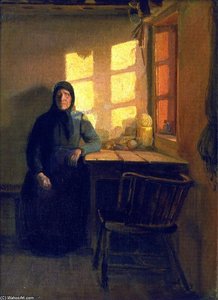
Anna Kirstine Ancher’s “The Artist’s Mother, Anna Hedvig Brøndum” is more than just a depiction of an elderly woman; it’s a distillation of Skagen’s spirit—a testament to resilience, quiet dignity, and the enduring beauty found in simplicity. Painted in 1913, this portrait captures a moment frozen in time, illuminated by the distinctive Nordic light that defines the coastal village where Ancher spent her formative years.
A Window into Skagen’s Soul
Skagen, nestled on Denmark’s Jutland Peninsula, served as an epicenter for artistic innovation during the Belle Époque. Artists like Edvard Munch and Vilhelm Hammershøi flocked to its shores seeking inspiration from the dramatic interplay of sea spray and sunlight. Ancher herself was deeply rooted in this landscape, having grown up alongside her father, Erik Andersen Brøndum, who owned Brøndums Hotel – a hub for bohemian creativity.
Style and Technique: Impressionistic Sensitivity
Ancher’s approach to painting exemplifies the tenets of Impressionism. Rather than striving for photographic realism, she prioritized capturing fleeting sensations—the diffused glow of the afternoon sun filtering through the curtains, the subtle nuances of color on Brøndum's face. Her brushstrokes are loose and expressive, conveying a palpable sense of movement and atmosphere. The muted palette – dominated by blues and browns – reflects the prevailing mood of Skagen’s winter months, emphasizing introspection and contemplation.
Symbolism: Comfort and Connection
The composition itself speaks volumes about Ancher's intentions. Brøndum is seated in a chair draped with a blanket—a gesture of warmth and protection against the cold winds outside. Her gaze drifts off to the right, suggesting engagement with something beyond the immediate frame – perhaps memories or inner thoughts. The inclusion of a small wooden stool reinforces the theme of domestic tranquility and connection to the natural world.
Emotional Resonance: A Portrait of Quiet Strength
"The Artist’s Mother" transcends mere visual representation; it embodies Ancher's profound affection for her mother and her unwavering belief in the transformative power of art. The painting radiates a sense of serenity and resilience—a quiet dignity that speaks to the enduring spirit of those who persevere amidst life’s challenges. It remains an evocative masterpiece, inviting viewers to contemplate themes of family, memory, and the sublime beauty of everyday existence.
Additional Research: Exploring Ancher's Legacy
The Artist’s Mother, Anna Hedvig Brøndum by ANCHER, Anna Kirstine delves deeper into the painting’s context within Ancher's broader artistic oeuvre and her contribution to Skagen’s artistic heritage.
File:Anna Ancher - Mrs Ane Brøndum in the blue room - Google Art Project showcases a high-resolution reproduction of the artwork, allowing for detailed appreciation of Ancher’s masterful technique.
Related Artworks
Artist Biography
A Life Bathed in the Light of Skagen
Anna Kirstine Brøndum Ancher, forever known as Anna Ancher, occupies a unique and cherished position within Danish art history. Born in 1859 in the remote fishing village of Skagen, at the very tip of Denmark’s Jutland peninsula, she was intrinsically linked to the landscape and community that would become synonymous with her artistic vision. Unlike many of her fellow *Skagen Painters*, Anna wasn't a visitor drawn by the dramatic Nordic light; she *was* of Skagen, born and raised within its bracing winds and ever-changing skies. This deep connection imbued her work with an authenticity and intimacy rarely found in artists who merely observed from afar. Her father, Erik Andersen Brøndum, owned the renowned Brøndums Hotel, a haven for artists seeking to capture the raw beauty of the region – a constant exposure that undoubtedly nurtured her early artistic inclinations. From childhood, she was surrounded by creative energy and the stimulating exchange of ideas, laying the foundation for a life dedicated to painting.Formative Years and Artistic Development
Anna’s talent blossomed early, prompting her family to support her formal training. She spent three years at the Vilhelm Kyhn College of Painting in Copenhagen, honing her skills in drawing and developing a distinctive style characterized by sensitive observation and a nuanced understanding of color. However, it was her time studying in Paris, at the atelier of Pierre Puvis de Chavannes alongside Marie Triepcke (later Krøyer), that broadened her artistic horizons. This exposure to new techniques and perspectives proved invaluable, yet she always remained true to her Nordic roots. In 1880, a pivotal moment arrived when she married Michael Ancher, another prominent Skagen Painter. Their partnership was not only a personal union but also an artistic one, fostering mutual inspiration and support throughout their careers. Despite societal expectations that often confined women to domestic roles, Anna continued to paint prolifically after her marriage and the birth of their daughter, Helga, demonstrating remarkable dedication to her craft.Capturing Everyday Life and the Essence of Light
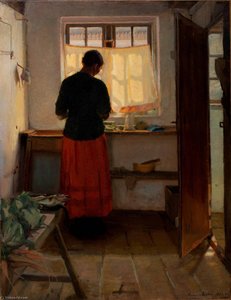
Anna Ancher’s artistic focus centered on portraying the everyday lives of the people of Skagen – fishermen, their wives, and children – within intimate domestic settings. She wasn't interested in grand historical narratives or mythological scenes; instead, she found beauty and significance in the ordinary moments of existence. Her paintings are characterized by a remarkable sensitivity to light and color, skillfully capturing the fleeting effects of sunlight streaming through windows, illuminating interiors with a warm, inviting glow. Works like *Blue Ane* (1882) showcase her mastery of color interplay, while *The Girl in the Kitchen* (1883-1886) offers a poignant glimpse into domestic life. She possessed an exceptional ability to convey atmosphere and emotion through subtle nuances of tone and texture. Her later work, such as *Interior with Clematis* (1913), further demonstrates her evolving skill in exploring the interplay of light and shadow, creating scenes that are both visually captivating and emotionally resonant. She wasn’t merely depicting what she saw; she was conveying how it *felt* to be present in those moments.Legacy and Lasting Influence
Anna Ancher's contributions to Danish art extend beyond her individual paintings. As a pioneering female artist, she challenged conventional norms and paved the way for future generations of women artists. Her work played a crucial role in the development of Danish Impressionism and the broader Nordic Modern Breakthrough movement, which sought a more truthful and authentic representation of reality. Today, her paintings are held in prestigious collections such as the Hirschsprung Collection in Copenhagen, Helga Anchers Fond, and Skagens Museum – testaments to her enduring artistic merit. The Anchers’ home in Skagen has been preserved as a museum, *Anchers Hus*, offering visitors a unique opportunity to step back in time and experience the world that inspired their art. It stands as a living tribute to their lives and work, ensuring that Anna Ancher's legacy continues to inspire and captivate audiences for years to come. Her ability to find profound beauty in the simplicity of everyday life, coupled with her masterful handling of light and color, solidifies her place as one of Denmark’s most beloved and significant artists.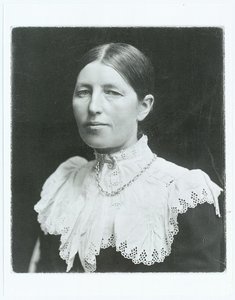
Anna Kirstine Ancher
1859 - 1935 , Denmark
Quick Facts
- Artistic Movement Or Style: Impressionism, Nordic art
- Artists Who Influenced This Artist:
- Pierre Puvis de Chavannes
- Marie Triepcke Krøyer
- Date Of Birth: August 18, 1859
- Date Of Death: April 15, 1935
- Full Name: Anna Kirstine Ancher
- Nationality: Danish
- Notable Artworks:
- Blue Ane
- The Girl in the Kitchen
- Syende fiskerpige
- Interior with Clematis
- Sheep Shearing
- Plucking the Christmas Goose
- Place Of Birth: Skagen, Denmark