 Send
Send Share
Share
 Details

 Download
 Similars
 Diaporama
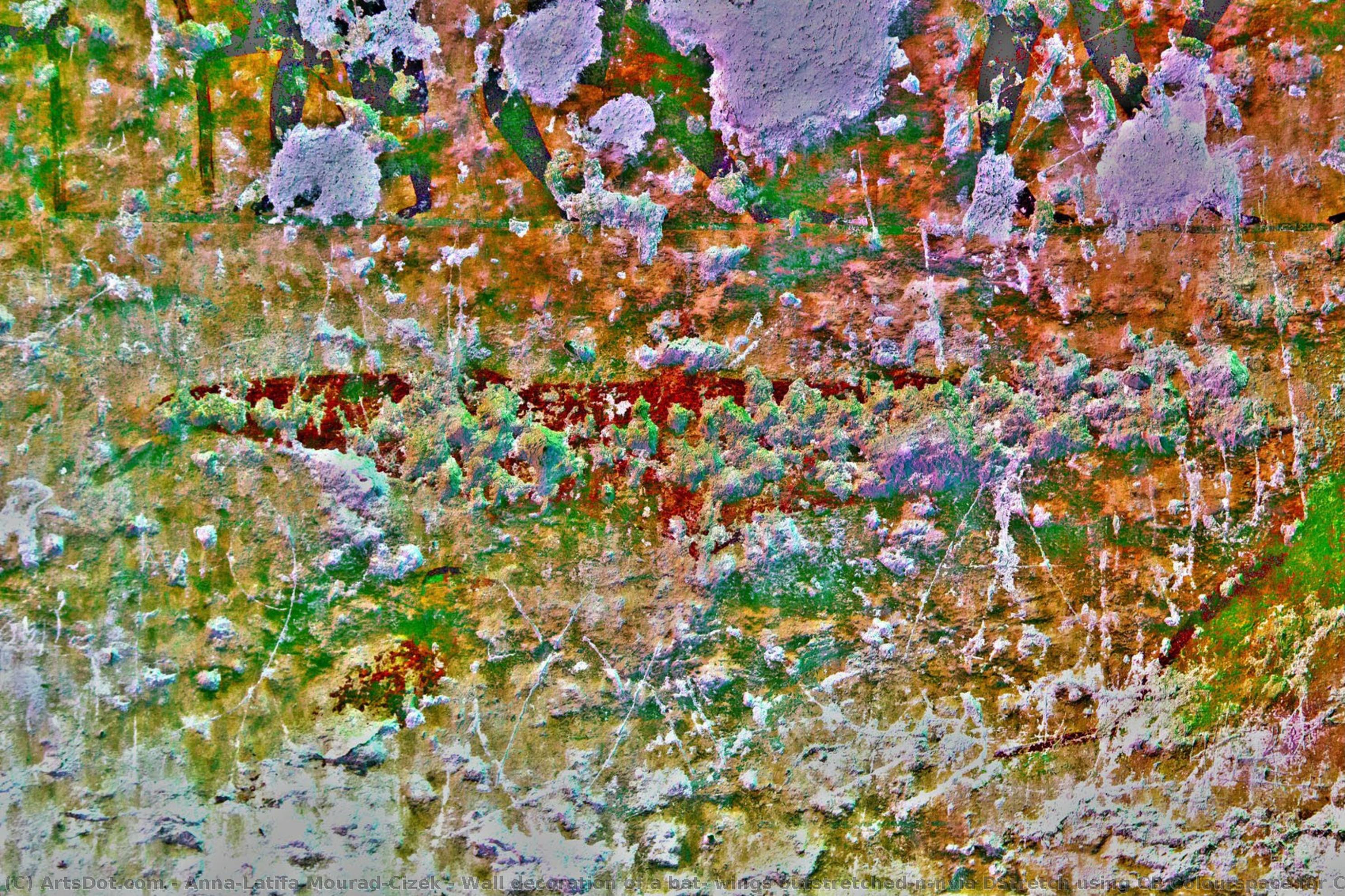
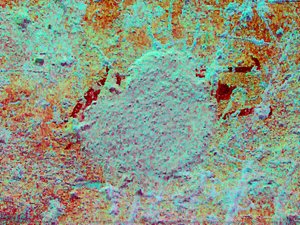
Wall decoration of a bat, wings outstretched\n\nvia DStretch using CB Colourspace for Colour Decorrelation Stretching


 Read More
Giclée / Art Print
Museum-quality giclée or canvas print with fast production and flexible finish options. ( Buy Hand Made Painting Buy Image)




































Pick from our preset sizes that match the artwork's original proportions.

You may enter your own dimensions to fit a specific frame or space. If your selected size does not match the original image's proportions, we will either crop the artwork or extend the image with a mirrored or solid-fill edge. A digital mockup will be sent for your approval before production begins.
Please note that the on-screen preview does not reflect the actual cropping or extension. Only the mockup will accurately show the final composition.
While custom sizes are available, we recommend selecting a dimension from the predefined list to preserve the original proportions.
Worldwide Delivery () in 2 weeks instead of standard 4/5 weeks. (1 September)

Free Worldwide Express Shipping

High-Quality Linen Canvas

Full Shipping Insurance

Customs Tax Refund Guarantee

True Color Matching Guarantee

60-Day Return Policy (Defects Only)

100% Money-Back Guarantee

Bulk Discount Offer
 Glass option is only available in size under 110 CM

Wall decoration of a bat, wings outstretched\n\nvia DStretch using CB Colourspace for Colour Decorrelation Stretching
Giclée / Art Print
Reproduction Size
-


Total Price
$ 63
A Window into Antiquity: The Ethereal Bat of Beni Hassan
In the quiet corridors of history, certain images possess the power to transcend their era, bridging the vast chasm between the ancient world and the modern eye. "Wall decoration of a bat, wings outstretched" is one such evocative fragment of the past. Captured through the sophisticated lens of DStretch technology, this piece offers more than just a visual encounter; it provides a spectral glimpse into the tomb of Khety at Beni Hassan. The subject, a bat with its wings spread in a dramatic, sweeping gesture, commands the viewer's attention with an almost primal energy. While the photograph utilizes CB Colourspace for colour decorrelation stretching—a technique that reveals hidden layers of pigment—the result is a composition that feels vibrantly alive, pulsing with deep purples and striking tones that defy the dusty reality of archaeological ruins.
The artistry behind this depiction, documented by the scholar-artist Anna-Latifa Mourad-Cizek, lies in its ability to blend scientific precision with raw, aesthetic beauty. The technique used to process this image allows us to see the artwork as it might have appeared to those who first walked the halls of the Beni Hassan tombs, albeit through a heightened, dreamlike spectrum. The way the wings stretch across the canvas creates a sense of movement and expansion, turning a static wall decoration into a dynamic moment of flight. For the collector or interior designer, this piece offers a unique opportunity to introduce a conversation starter that is both intellectually stimulating and visually arresting.
Symbolism and the Archaeological Soul
To look upon this bat is to engage with the profound symbolism inherent in ancient Egyptian funerary art. In the context of a tomb, every creature depicted served a purpose beyond mere decoration; they were often guardians or symbols of transformation and rebirth. The outstretched wings of the bat suggest a state of transition, a movement between the earthly realm and the afterlife. This sense of metamorphosis is echoed in the very way we view the piece today—through modern digital enhancement that breathes new life into ancient pigments. The interplay of light and shadow, even within a processed photograph, evokes a sense of mystery and the eternal cycle of life and death.
The historical weight of this work is anchored by its connection to the scholarly pursuits of Mourad-Cizek, whose expertise in the Hyksos period and Egyptian archaeology lends an extra layer of authenticity to the visual narrative. When decorating a space with a high-quality reproduction of this work, one is not merely hanging a picture; one is curating a piece of human heritage. The deep, saturated hues and the dramatic silhouette of the bat provide a sophisticated focal point that can anchor a room, offering a sense of depth and historical gravity that contemporary abstract art often strives to achieve.
A Timeless Addition to the Modern Interior
For those seeking to infuse their living spaces with character and narrative, this artwork serves as an exquisite choice. Its ability to harmonize with both minimalist modern settings and more eclectic, maximalist decors makes it a versatile masterpiece. The striking use of purple and dark tones can lend a sense of luxury and intimacy to a study or a gallery wall, while the subject matter invites guests to linger and contemplate the mysteries of the ancient Levant and Egypt.
Choosing a reproduction of such a significant historical fragment allows for an appreciation of archaeological beauty without the fragility of the original artifact. It brings the spirit of the Nile and the brilliance of scientific discovery into the home, creating an atmosphere of intellectual curiosity and aesthetic elegance. Whether you are an art enthusiast drawn to the technical marvel of DStretch processing or a designer looking for a piece with profound historical resonance, this depiction of the Beni Hassan bat stands as a testament to the enduring power of ancient imagery.
Related Artworks

Artist Biography
A Scholar’s Brush: The Archaeological Visions of Anna-Latifa Mourad-Cizek
Anna-Latifa Mourad-Cizek is a historian and archaeologist whose work transcends the traditional boundaries of her field, offering compelling insights into the dynamic interplay between ancient Egypt and its neighboring cultures. Born in Australia, her academic journey led her from Macquarie University, where she earned a PhD focusing on the pivotal period surrounding the “Rise of the Hyksos,” to postdoctoral research at the Austrian Academy of Sciences as part of the groundbreaking ‘The Hyksos Enigma’ project. Currently an Assistant Professor of Egyptian Archaeology at the University of Chicago and a Research Fellow at the Australian Institute of Archaeology, Mourad-Cizek embodies a rare blend of rigorous scholarship and hands-on archaeological experience. Her career is defined by a commitment to understanding not just *what* happened in the ancient world, but *how* cultural encounters shaped societies and fostered resilience in the face of change.From Tomb Art to Transformative Processes
Mourad-Cizek’s initial research centered on Egyptian-Levantine relations during the Middle Bronze Age, a period often overshadowed by narratives of invasion and conflict. Her doctoral work challenged conventional interpretations, emphasizing the complex network of interactions—trade, migration, artistic exchange—that characterized this era. This foundation led to her involvement with archaeological projects at Saqqara and Beni Hassan in Egypt, sites rich in funerary art and architecture. It was during these excavations that Mourad-Cizek began to develop a keen eye for detail, recognizing the subtle yet profound ways in which cultural influences manifested themselves in material culture. Her work isn’t simply about identifying foreign motifs; it's about deciphering the stories behind them—the motivations of artisans, the social contexts of artistic production, and the broader implications for understanding Egyptian identity. She has expanded her focus to encompass the entire Third and Second Millennia BCE, investigating the movement of concepts, objects, and people across geographic, social, and cultural borders.The Hyksos Enigma: A Multidirectional Approach
Her time with ‘The Hyksos Enigma’ project proved pivotal in shaping her current research trajectory. As Research Track 5 leader on “Multidirectional Cultural Interference Studies,” Mourad-Cizek spearheaded investigations into the impact of the Hyksos—a foreign dynasty that ruled Egypt during the Second Intermediate Period—on Egyptian culture, politics, and society. This work moved beyond a simple assessment of conquest to explore the nuanced processes of cultural exchange and adaptation. She challenged the traditional view of the Hyksos as solely destructive forces, highlighting their role in introducing new technologies, religious practices, and artistic styles that ultimately contributed to the emergence of the New Kingdom. Her recent publications, including ‘Rise of the Hyksos: Egypt and the Levant from the Middle Kingdom to the Early Second Intermediate Period’ and ‘The Enigma of the Hyksos, Vol II: Transforming Egypt into the New Kingdom’, demonstrate a commitment to presenting a holistic view of this transformative period.Digital Tools & Contemporary Relevance
Mourad-Cizek is not confined by traditional archaeological methods. She actively embraces digital technologies—epigraphy and image enhancement software like DStretch®—to unlock new insights from ancient artifacts. Her application of DStretch® to the wall paintings at Beni Hassan, for example, revealed previously obscured details, offering a fresh perspective on Egyptian artistic techniques and symbolism. This innovative approach reflects her broader commitment to making archaeological research accessible and engaging to a wider audience. Beyond the technical aspects, Mourad-Cizek’s work resonates with contemporary concerns about cultural exchange, migration, and community resilience. By studying how ancient societies navigated periods of upheaval and transformation, she offers valuable lessons for understanding our own complex world. Her current research examines how communities adapted to shifting long-distance connectivities during the Middle to Early Late Bronze Age, a topic that speaks directly to the challenges of globalization and interconnectedness in the 21st century. She is also interested in network dynamics, ancient community resilience to socio-political change, Old and Middle Kingdom tomb art and architecture.A Legacy of Interdisciplinary Insight
Anna-Latifa Mourad-Cizek’s contributions extend beyond her scholarly publications and archaeological fieldwork. She has been recognized as a leading voice in the field of archaeology, featured among “Ten Women in Archaeology You Should Know About” by the Australian Academy of the Humanities. Her work is characterized by an interdisciplinary approach—drawing on history, art history, anthropology, and digital technologies to create a rich and nuanced understanding of the ancient world. She continues to inspire students and colleagues alike with her passion for archaeology and her commitment to uncovering the hidden stories of past civilizations. Through her research, Mourad-Cizek is not only illuminating the complexities of ancient Egypt but also offering valuable insights into the enduring human capacity for adaptation, resilience, and cultural exchange.
anna-latifa mourad-cizek
Australia
Quick Facts
- Artistic Movement Or Style: Archaeological insights
- Date Of Birth: Not Found
- Date Of Death: Living
- Full Name: Anna-Latifa Mourad-Cizek
- Nationality: Australian
- Notable Artworks:
- Wall decoration of a bat, wings outstretched
- Wall decoration of a bat, wings hooked
- Place Of Birth: Not Found, Australia
Related Articles
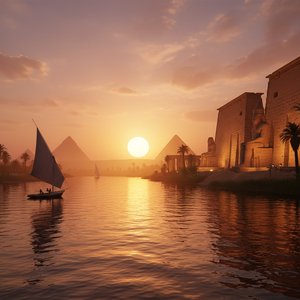
Golden Hour on the Nile: Symbolism & Artistic Legacy of Egyptian Sunsets
Explore the rich symbolism of Egyptian sunset paintings & their artistic legacy. Discover how color, ritual, and landscape shaped ancient beliefs – a guide for discerning collectors.
Celestial Messengers: A Comprehensive Exploration of Angelic Representation in Art History
Explore the captivating history of angels in art! Discover symbolism, iconic Renaissance masterpieces & renowned artists. Expert insights for art lovers & collectors at ArtsDot.

Celestial Messengers: Angels in Painting – A Historical & Artistic Exploration
Explore the captivating history of angels in painting! Discover symbolism, iconic Renaissance & Byzantine masterpieces, and renowned artists. Expert insights for art lovers & collectors at ArtsDot.
Sir Edward Poynter: Aestheticism, Archaeology & Victorian Identity
Explore the captivating world of Sir Edward Poynter, a leading figure of Aestheticism & Victorian art. Discover his archaeological narratives, iconic paintings like 'Day Dream Fine,' and lasting influence on British art history.
The Enduring Legacy of Classicism: Principles, Evolution & Influence in Western Art
Explore the enduring legacy of Classicism in Western art! Discover its historical context, key principles, iconic masterpieces & lasting influence. Learn about Renaissance and Neoclassical movements with ArtsDot.