 Preview
 Send
Send Share
Share
 Details

 Download
 Similars
 X-Ray
X-Ray Diaporama
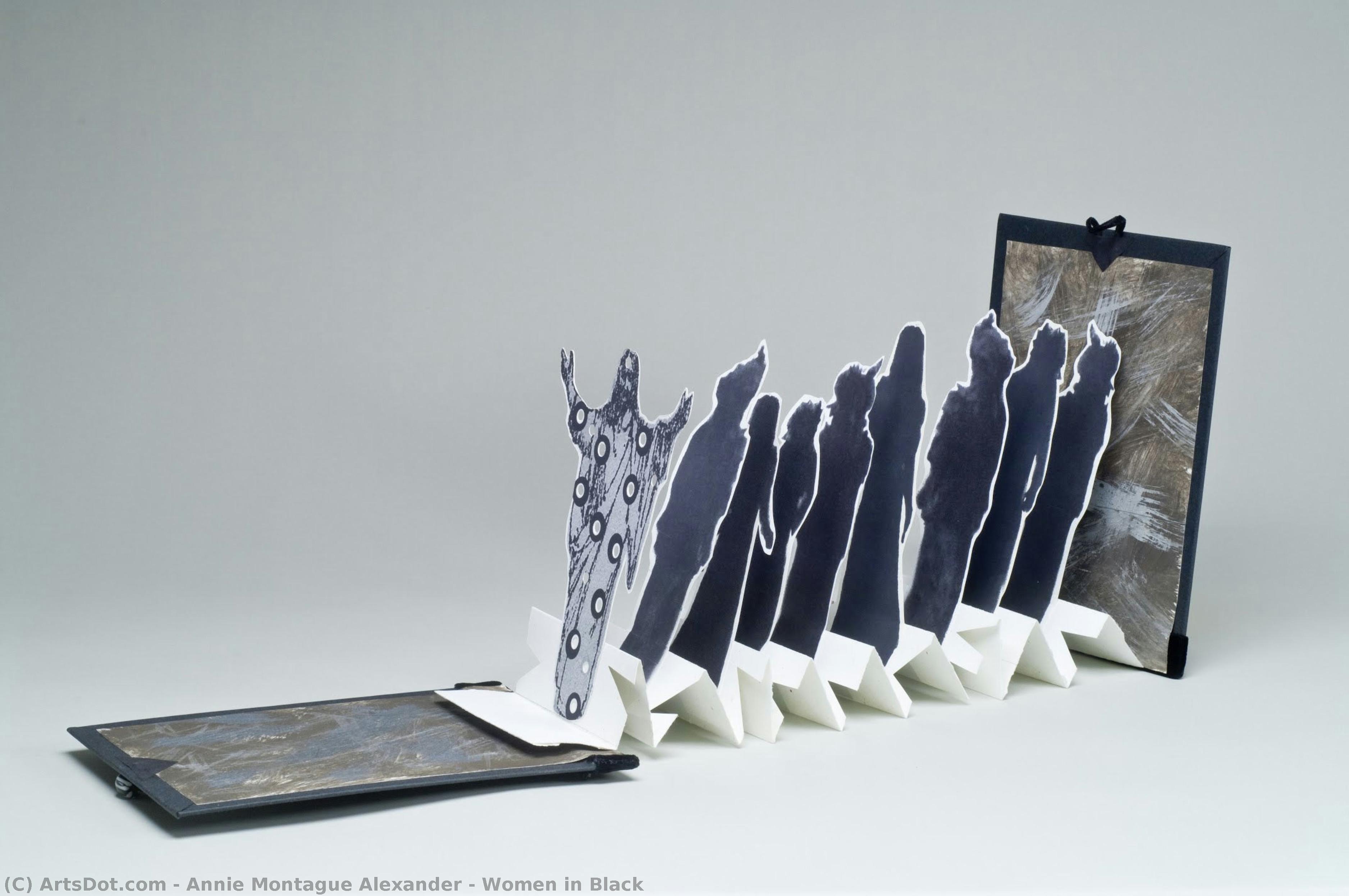
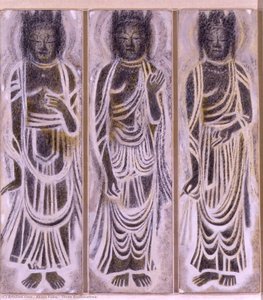
Women in Black


 Read More
Giclée / Art Print
Museum-quality giclée or canvas print with fast production and flexible finish options. ( Buy Hand Made Painting Buy Image)




































Pick from our preset sizes that match the artwork's original proportions.

You may enter your own dimensions to fit a specific frame or space. If your selected size does not match the original image's proportions, we will either crop the artwork or extend the image with a mirrored or solid-fill edge. A digital mockup will be sent for your approval before production begins.
Please note that the on-screen preview does not reflect the actual cropping or extension. Only the mockup will accurately show the final composition.
While custom sizes are available, we recommend selecting a dimension from the predefined list to preserve the original proportions.
Worldwide Delivery () in 2 weeks instead of standard 4/5 weeks. (24 August)

Free Worldwide Express Shipping

High-Quality Linen Canvas

Full Shipping Insurance

Customs Tax Refund Guarantee

True Color Matching Guarantee

60-Day Return Policy (Defects Only)

100% Money-Back Guarantee

Bulk Discount Offer
 Glass option is only available in size under 110 CM

Women in Black
Giclée / Art Print
Reproduction Size
-


Total Price
$ 63
Related Artworks





Artist Biography
A Pioneer of Paleontology: Annie Montague Alexander
Annie Montague Alexander (1867-1950) wasn’t merely an explorer; she was a force of nature, a relentless collector, and a quietly transformative benefactor to the world of science. Born in Honolulu during the waning days of the Hawaiian Kingdom, her life unfolded across continents and decades, marked by a profound connection to the earth's ancient history. Her story is one of defying societal expectations, embracing adventure, and ultimately shaping the landscape of paleontological research through both her personal expeditions and her unwavering financial support.
Alexander’s early life was steeped in privilege and a unique perspective – she hailed from a family deeply intertwined with the burgeoning sugar industry on Maui. Her father, Samuel Thomas Alexander, and his uncle, Henry Perrine Baldwin, were instrumental figures in establishing Alexander & Baldwin, one of Hawaii's “Big Five” corporations. This background provided her with access to resources and travel opportunities that were largely unavailable to women of her era. However, it also exposed her to the complexities of a rapidly changing society grappling with colonialism and economic transformation. Despite attending Punahou School for a brief period, her adventurous spirit led her to Oakland, California, where she immersed herself in the burgeoning field of paleontology under the tutelage of John C. Merriam at the University of California, Berkeley.
The Explorer’s Heart
It was Merriam's lectures that ignited a lifelong passion within Alexander – a fascination with uncovering the secrets held within fossilized remains. She quickly transitioned from student to active participant, financing expeditions and accompanying paleontologists on journeys across the American West. These weren’t leisurely excursions; they were demanding undertakings requiring resilience, resourcefulness, and an intimate understanding of the terrain. Her early expeditions focused primarily on Nevada, where she meticulously documented and collected fossils from the Triassic period, including a remarkable new species of lizard-like marine reptile – *Thalattosaurus alexandrae* – named in her honor by Merriam himself.
Alexander’s approach to fieldwork was remarkably unconventional for a woman of her time. She didn't shy away from the physical labor involved, often participating in digging and packing specimens alongside her male colleagues. Her scrapbook, filled with detailed observations, sketches, and photographs, offers a rare glimpse into the realities of 1905 field research – a world of dust, sun, and relentless pursuit of prehistoric treasures. She famously documented the challenges faced by women in this environment, noting the often-unacknowledged burdens they carried, from cooking and cleaning to assisting with complex scientific tasks.
Building Institutions: UCMP & MVZ
Beyond her personal expeditions, Alexander’s legacy is inextricably linked to the establishment of two cornerstone institutions within the University of California system: the Museum of Vertebrate Zoology (MVZ) and the University of California Museum of Paleontology (UCMP). Recognizing a critical need for dedicated research facilities and comprehensive collections, she spearheaded these initiatives in 1908 and 1921 respectively. Her vision extended beyond simply creating museums; she actively funded their operations, supported ongoing expeditions, and cultivated relationships with leading paleontologists – including Joseph Grinnell, Alden H. Miller, E. Raymond Hall, and John C. Merriam.
Alexander’s influence wasn't merely financial; she possessed a keen understanding of the scientific process and a deep commitment to fostering research excellence. She meticulously curated specimens, ensuring their preservation and accessibility for future generations of scientists. Her dedication extended even after her retirement, as she continued to provide support and guidance to the museums until her death in 1950.
A Lasting Legacy
Annie Montague Alexander’s life represents a remarkable confluence of privilege, adventure, and intellectual curiosity. She defied societal constraints, embraced the challenges of fieldwork, and ultimately left an indelible mark on the world of paleontology. Her contributions extended far beyond the fossils she collected; she established institutions that continue to be vital centers for research and education. She remains a powerful symbol of female leadership in science – a pioneer who not only unearthed the secrets of the past but also helped shape our understanding of the present.
Her story serves as a reminder that scientific progress is often driven by individuals willing to challenge conventions, pursue their passions with unwavering determination, and invest in the pursuit of knowledge. Annie Montague Alexander’s legacy continues to inspire generations of scientists and explorers alike.
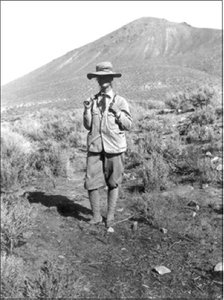
annie montague alexander
1867 - 1950 , United States of America
Quick Facts
- Artistic Movement Or Style: Paleontology, Naturalist
- Artists Or Movements Influenced By This Artist: ['Paleontology']
- Artists Who Influenced This Artist: ['John C. Merriam']
- Date Of Birth: December 29, 1867
- Date Of Death: September 10, 1950
- Full Name: Annie Montague Alexander
- Nationality: American
- Notable Artworks:
- Women in Black
- UCMP collections
- Place Of Birth: San Francisco, USA