

 Preview
 Send
Send Share
Share
 Details

 Download
 Similars
 X-Ray
X-Ray Diaporama
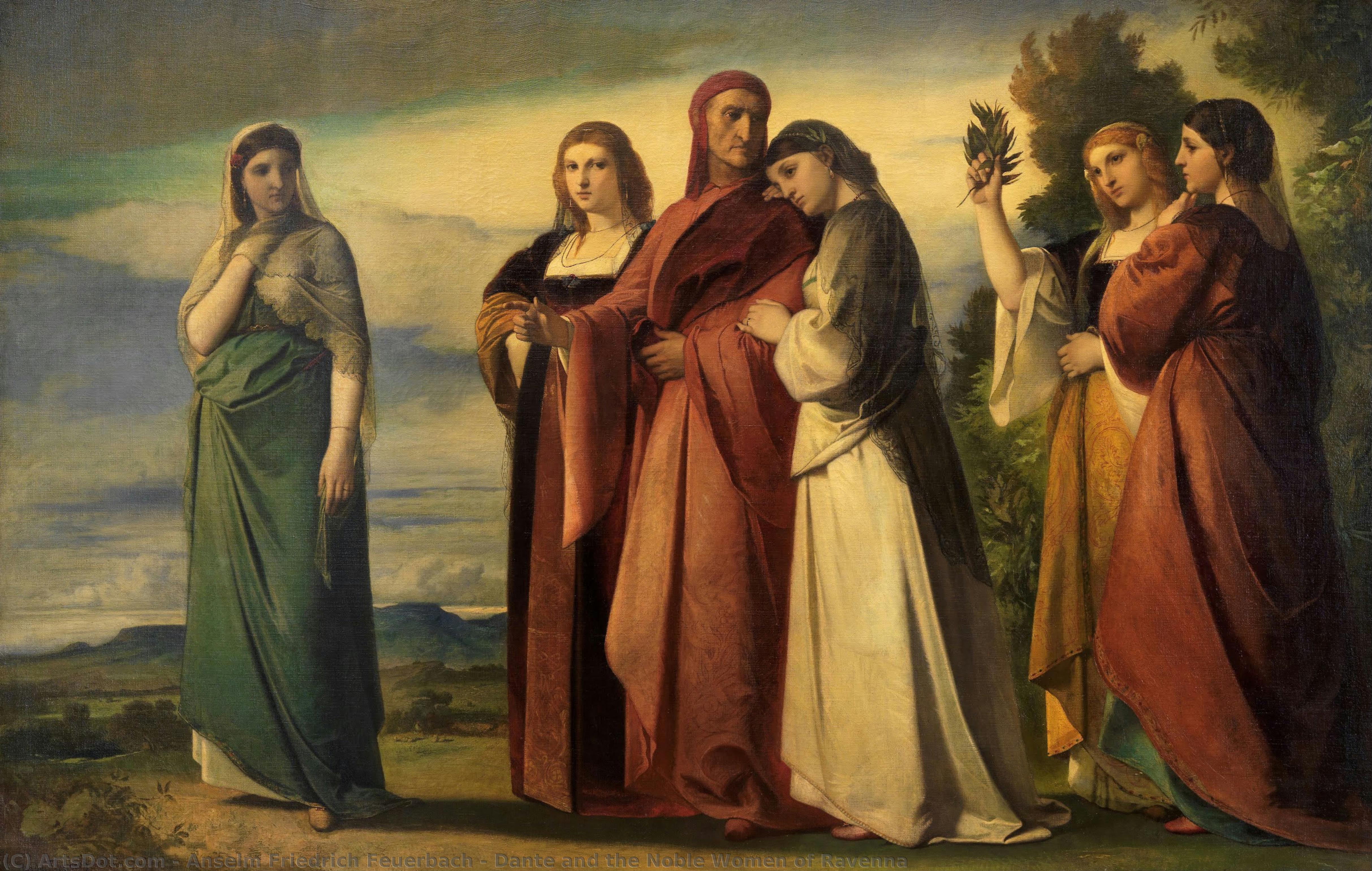
Dante and the Noble Women of Ravenna
 Oil On Canvas
- WallArt
- Neoclassicism
 1858
1858- 19th Century
 155.0 x 238.0 cm
 Staatliche Kunsthalle Karlsruhe
 Read More
Purchase a high-resolution, enhanced digital image, far superior to the online preview.
Each file is meticulously prepared by our in-house specialists using advanced tools and expert manual retouching. We ensure every image has exceptional clarity, precise color accuracy, and fine detail.
The final file is delivered via email within 72 hours, optimized for immediate use in professional, editorial, and print environments. This is the same quality trusted by top-tier design studios, publishers, and galleries.
Digital Image
Download a high-resolution file for personal display, printing, and creative projects. ( Buy Print Buy Hand Made Painting)
Included in Every Digital Image Order
Expert Digital Delivery, Guaranteed
When you choose ArtsDot.com, you're not just getting an image - you're receiving a professionally enhanced digital artwork, crafted with precision and backed by a satisfaction guarantee. Here's everything that comes with your order, automatically:

Fast Email Delivery
Your high-resolution digital image file will be emailed to you within 72 hours of ordering - ready for immediate use.

AI-Enhanced Digital File
Your artwork is professionally optimized using advanced AI tools and manual editing, ensuring maximum detail, clarity, and color accuracy.

Free Lifetime Re-Delivery
Accidentally deleted or lost your file? No worries - we'll resend it to you anytime, free of charge.

No Import Fees - Ever
Enjoy your artwork instantly with zero customs, duties, or delivery fees - digital downloads are always tax-free.

Color Accuracy Guarantee
We ensure your digital image reflects the original colors as closely as possible using professional tools and color management.

100-Day Satisfaction Guarantee
If you're not satisfied with your digital image, we'll revise it or refund 100% within 100 days - no questions asked.

100% Money-Back Guarantee
Not satisfied? Get a full refund within 100 days of receiving your digital file - no questions asked.

Bulk Order Discounts
Buy 3 images, save 10% - Buy 5, save 15% - Buy 10+, save 20%. Great for creative projects, galleries, and agencies.
A Poetic Encounter in Oil
In the grand tradition of Neoclassical storytelling, Anselm Friedrich Feuerbach’s Dante and the Noble Women of Ravenna serves as a breathtaking window into a moment of profound literary and historical resonance. Painted in 1858, this sweeping oil on canvas invites the viewer to step into a world where the boundaries between reality and epic poetry blur. The composition presents a gathering of figures set against a majestic, mountainous backdrop, capturing a sense of timelessness that is characteristic of Feuerbach’s mastery. As one gazes upon the scene, the eye is immediately drawn to the elegant silhouettes of women in flowing gowns—most notably a striking figure draped in deep green—whose presence lends an air of grace and nobility to the assembly. The arrangement of men, some poised with staffs, suggests a significant historical or allegorical gathering, creating a narrative tension that lingers long after the first glance.
The technique employed by Feuerbach is nothing short of exquisite, showcasing the rigorous training he received at the prestigious Düsseldorf Academy. His brushwork, while precise enough to define the delicate textures of fabric and the rugged contours of the distant peaks, possesses a luminous quality that breathes life into the canvas. The interplay of light and shadow creates a sculptural depth, making each figure feel as though they occupy a tangible, three-dimensional space. This meticulous attention to detail is balanced by a soft, atmospheric perspective in the background, where the mountains fade into a hazy blue, evoking a sense of longing and nostalgia. For the discerning collector or interior designer, this painting offers a sophisticated focal point, bringing a layer of intellectual depth and classical beauty to any curated space.
Symbolism and the Neoclassical Spirit
Beyond its visual splendor, the artwork is steeped in the intellectual currents of the 19th century. Feuerbach, influenced by his lineage of archaeologists and scholars, infused this piece with a deep reverence for classical antiquity and the Italian Renaissance. The subject matter—referencing the legendary poet Dante Alighieri and the noblewomen of Ravenna—functions as an allegory for the intersection of intellect, beauty, and historical legacy. The presence of a solitary bird in the upper reaches of the sky serves as a subtle symbolic touch, perhaps representing the fleeting nature of inspiration or the soaring heights of poetic thought. Every element, from the dignified posture of the figures to the dramatic landscape, is orchestrated to evoke an emotional response of reverence and contemplation.
For those seeking to adorn a home or gallery with a piece that transcends mere decoration, this reproduction offers more than just aesthetic appeal; it provides a conversation piece rooted in European heritage. The painting’s large-scale presence (155 x 238 cm) allows its intricate details and emotional gravity to command the room, making it an ideal selection for grand halls or studies where art is meant to inspire reflection. To own such a work is to possess a fragment of the Neoclassical soul, a testament to a period when art sought to harmonize the grandeur of nature with the profound complexities of the human experience.
Related Artworks



Artist Biography
Early Life and Formation
Anselm Friedrich Feuerbach, born in Speyer, Germany, in 1829, emerged from a uniquely intellectual lineage that profoundly shaped his artistic sensibilities. His father, Joseph Anselm Feuerbach, was a respected archaeologist, while his grandfather, Paul Johann Anselm Ritter von Feuerbach, distinguished himself as a prominent legal scholar. This environment fostered a deep appreciation for classical learning and rigorous thought—qualities that would become hallmarks of the artist’s work. Feuerbach's formal artistic training began at the local gymnasium in Speyer before he ventured to Düsseldorf to study at the prestigious Düsseldorf Academy under luminaries such as Johann Wilhelm Schirmer, Wilhelm von Schadow, and Carl Sohn. This initial exposure laid a foundation in traditional techniques, but Feuerbach’s restless spirit soon led him further afield. He continued his studies in Antwerp with Gustav Wappers and then embarked on a pivotal sojourn to Paris between 1852 and 1854, where he immersed himself in the studio of Thomas Couture. It was in Paris that the seeds of his distinctive style—a blend of classical rigor and Romantic expressiveness—began to germinate.A Synthesis of Styles: Neoclassicism Infused with Romanticism
Feuerbach stands as a leading figure of German Neoclassicism, yet to categorize him solely within that framework would be an oversimplification. His artistic journey was one of constant synthesis, drawing inspiration from diverse sources and forging a unique path. Initially influenced by the Düsseldorf school’s emphasis on classical forms, he increasingly gravitated towards the allure of the Italian Renaissance and the emotional intensity of French Romanticism during his time in Antwerp and Paris. This confluence of influences resulted in paintings characterized by statuesque figures rendered with meticulous detail, often set within scenes steeped in classical mythology or historical narratives. He wasn’t merely replicating the past; rather, he sought to breathe new life into ancient themes, imbuing them with a contemporary sensibility. Feuerbach aimed to reconcile technical mastery—the precision of Old Masters—with subject matter that resonated with his own era and explored universal human emotions. His figures possess an idealized beauty, yet they are not cold or distant; instead, they convey a sense of inner life and psychological depth.Iconic Works and Artistic Achievements
Throughout his career, Feuerbach produced a series of works that cemented his reputation as one of Germany’s most important 19th-century painters. Hafiz at the Fountain, created during his Parisian period in 1852, is an early masterpiece demonstrating his burgeoning style and fascination with exotic subjects. The painting captures a moment of poetic contemplation, showcasing Feuerbach's ability to create atmosphere and evoke emotion through color and composition. Silenus with Sleeping Bacchus Boy, housed at the Staatliche Kunsthalle Karlsruhe, exemplifies his graceful depiction of classical mythology, while The Battle of the Amazons reveals his skill in portraying dynamic movement and dramatic scenes on a grand scale. His talent for portraiture is evident in works like Portrait of Professor Karl Theodor Welcker, where he captures not only the subject’s physical likeness but also their intellectual character with remarkable precision. Perhaps his most celebrated achievements are the two versions of Plato’s Symposium. These paintings, depicting a scene from Plato's philosophical dialogue, are testaments to Feuerbach’s ability to translate abstract ideas into visual form, focusing on idealized beauty and intellectual discourse within a meticulously rendered classical setting. Other notable works include his evocative portraits of the model Nanna Risi, which demonstrate his mastery of capturing personality and emotion through subtle nuances of expression.Legacy and Historical Significance
Anselm Feuerbach is rightfully recognized as the leading classicist painter of the German 19th-century school. He bridged a critical gap between classical traditions and the evolving artistic trends of his time, influencing a generation of German artists with his emphasis on technical skill and idealized forms. While he initially garnered praise for his virtuosity, Feuerbach faced criticism during his lifetime from those who perceived his style as overly academic or detached. However, his reputation has steadily grown since his death, as scholars and art enthusiasts have come to appreciate the depth and complexity of his work. His lasting impact lies not only in the beauty and craftsmanship of his paintings but also in his exploration of timeless themes—beauty, emotion, intellect—within a classical framework. Feuerbach’s works continue to captivate audiences today, solidifying his place as a significant figure in 19th-century German art and a master of neoclassical painting infused with Romantic sensibility.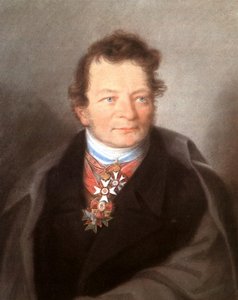
Anselm Friedrich Feuerbach
1829 - 1880 , Germany
Quick Facts
- Artistic Movement Or Style: Neoclassicism, Romanticism
- Artists Or Movements Influenced By This Artist: ['German artists']
- Artists Who Influenced This Artist:
- Schirmer
- Schadow
- Couture
- Date Of Birth: September 12, 1829
- Date Of Death: January 4, 1880
- Full Name: Anselm Friedrich Feuerbach
- Nationality: German
- Notable Artworks:
- Hafiz at the Fountain
- Silenus with Bacchus
- Battle of Amazons
- Plato’s Symposium
- Place Of Birth: Speyer, Germany