 Preview
 Send
Send Share
Share
 Details

 Download
 Similars
 X-Ray
X-Ray Diaporama
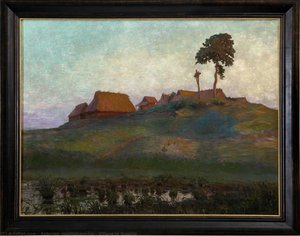
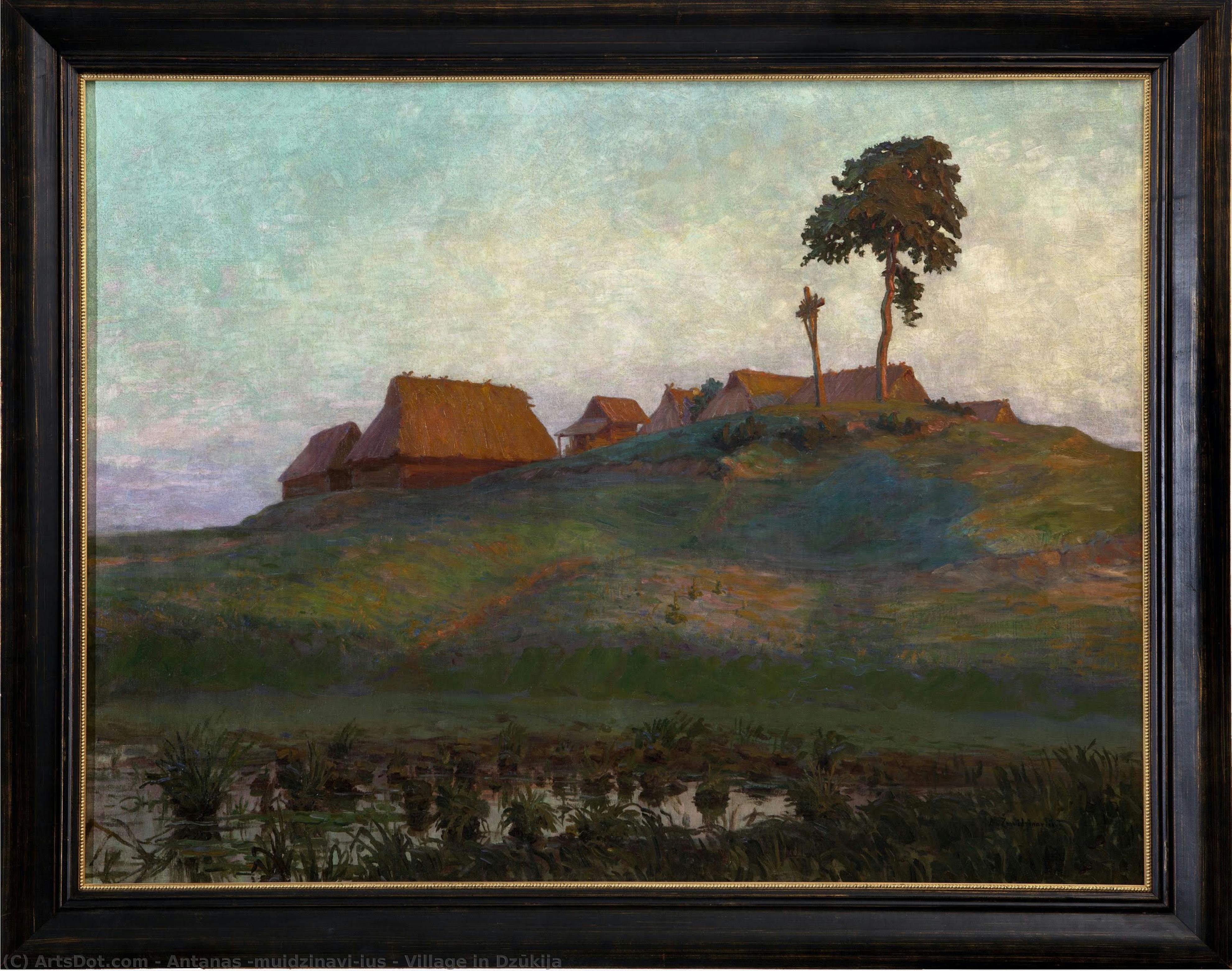
Village in Dzūkija


 Read More
Hand Made Oil Reproduction
Hand-painted oil on canvas in your size and frame, made to order by our artists. ( Buy Print Buy Image)




































Pick from our preset sizes that match the artwork's original proportions.

You may enter your own dimensions to fit a specific frame or space. If your selected size does not match the original image's proportions, we will either crop the artwork or extend the painting with additional hand-painted elements. A digital mockup will be sent for your approval before production begins.
Please note that the on-screen preview does not reflect the actual cropping or extension. Only the mockup will accurately show the final composition.
While custom sizes are available, we recommend selecting a dimension from the predefined list to preserve the original proportions.
After order, ArtsDot.com team will email client for instructions and provide a mockup preview
Worldwide Delivery () in 3/4 weeks instead of standard 5 weeks. (22 August). No compromise on quality.

Free Worldwide Express Shipping

High-Quality Linen Canvas

Full Shipping Insurance

Customs Tax Refund Guarantee

True Color Matching Guarantee

60-Day Return Policy (Defects Only)

100% Money-Back Guarantee

Bulk Discount Offer
 Glass option is only available in size under 110 CM

Village in Dzūkija
Reproduction Medium
Reproduction Size
-


Total Price
$ 263
Artwork Description
Related Artworks


Artist Biography
The Lyrical Spirit of a Lithuanian Visionary
Antanas Žmuidzinavičius was far more than a mere chronicler of landscapes; he was a poet of the Lithuanian soil, a man whose brush captured the very breath of a nation finding its voice. Born in 1876 in the quiet surroundings of Seirijai, his early life was deeply rooted in the rhythms of a landscape shaped by tradition and the resilient spirit of the Lithuanian people. Growing up amidst the political tensions of Russian rule, Žmuidzinavičius developed an intimate connection to the folklore and the pastoral simplicity of his homeland—a connection that would become the emotional heartbeat of his entire oeuvre. His work does not merely depict scenery; it evokes a sense of melancholy, dignity, and enduring peace, transforming the rural countryside into a stage for profound human emotion.
His artistic journey was one of remarkable breadth, moving from the humble beginnings of a peasant family to the prestigious art academies of Europe. After honing his foundational skills at the Veiveriai Teachers' Seminary, he sought the light of the wider world, studying in Warsaw and eventually immersing himself in the vibrant, avant-garde atmosphere of Paris. It was within the halls of the Académie Colarossi and the Académie Vitti that his style began to coalesce, blending the technical rigor of classical training with the fleeting, atmospheric magic of Impressionism and the raw, emotive power of Expressionism.
A Master of Light and Atmospheric Resonance
To gaze upon a Žmuidzinavičius landscape is to experience the shifting moods of the Lithuanian countryside. His technique was characterized by a delicate touch, utilizing soft brushstrokes and a masterful command of atmospheric perspective to create depth and movement. He had an unparalleled ability to capture the way light interacts with the natural world—whether it be the golden warmth of a summer meadow or the heavy, silver mists that cling to a forest at dawn.
His most celebrated works often focus on the quiet, unadorned beauty of everyday existence. In masterpieces such as The Village of Noblemen of Dzūkija Ethnographic Area, he presents a scene of profound stillness, where thatched roofs and ancient crosses stand as silent witnesses to the passage of time. His canvases frequently feature:
- Serene Meadows: Bathed in a soft, ethereal glow that suggests a moment of eternal peace.
- Misty Woodlands: Where the boundaries between earth and sky blur, inviting contemplation.
- Lyrical Portraits: Capturing the quiet strength and weathered grace of the Lithuanian peasantry.
Through these subjects, he avoided the grandiosity often sought by his contemporaries, choosing instead to find the sacred within the mundane. His work serves as a visual symphony of consonance, where the textures of nature and the nuances of light harmonize to celebrate the quiet dignity of life.
A Guardian of National Identity and Cultural Heritage
The significance of Antanas Žmuidzinavičius extends far beyond the edges of his canvases. He was a monumental figure in the preservation and promotion of Lithuanian culture during some of the most turbulent eras of the 20th century. As an educator, collector, and organizer, he acted as a vital architect of the nation's artistic infrastructure. He was instrumental in founding the Lithuanian Art Society and the Vilnius Art Society, institutions that provided a sanctuary for artists of various nationalities to unite under a shared creative purpose.
Perhaps his most whimsical and enduring legacy is his role as a collector, which laid the groundwork for what would become the Žmuidzinavičius Museum. Known affectionately as the Devil Museum, this collection of sculptures and carvings—a passion project sparked by his fascination with folklore—remains a testament to his dedication to the eccentric and enchanting elements of Lithuanian tradition. By gathering these pieces, he ensured that the mythological and folkloric roots of his people would never be forgotten.
Ultimately, Žmuidzinavičius stands as a bridge between the old world of folk tradition and the new world of modern art. His life’s work remains a profound exploration of what it means to belong to a land, leaving behind a legacy that continues to inspire admiration for its tenderness, its technical brilliance, and its unwavering devotion to the soul of Lithuania.
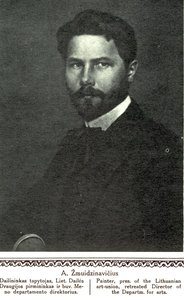
antanas žmuidzinavičius
1876 - 1966 , Lithuania
Quick Facts
- Artistic Movement Or Style: Impressionism/Expressionism
- Artists Or Movements Influenced By This Artist: ['Mikalojus Konstantinas Čiurlionis']
- Artists Who Influenced This Artist:
- Wojciech Gerson
- Hermenegildo Anglada Camarasa
- Date Of Birth: October 31, 1876
- Date Of Death: August 9, 1966
- Full Name: Antanas Žmuidzinavičius
- Nationality: Lithuanian
- Notable Artworks: ['Village in Dzūkija']
- Place Of Birth: Seirijai, Lithuania
Related Articles

John Constable's Masterpieces: Explore 25 Iconic Landscapes for Your Home
Journey through John Constable's 25 most celebrated landscapes. Explore Romanticism, Dedham Vale & his masterful use of light in iconic paintings like 'Hay Wain'. Find museum-quality art reproductions and elevate your home decor on ArtsDot.com.

Cultivating Visions: A Historical Journey Through Rural Landscapes in Art
Explore the rich history of rural landscape painting with ArtsDot. Discover Impressionist masterpieces, key artists & movements. Find your perfect serene artwork and bring nature's beauty home.

Cézanne's Masterpieces: 25 Iconic Artworks to Transform Your Space
Journey through 25 iconic artworks by Paul Cézanne – a master of Impressionism and Post-Impressionism. Explore his landscapes, still lifes, and the stories behind these timeless masterpieces. Discover museum-quality reproductions & curated decor at ArtsDot.com.

Evocations of Place: A Historical Journey Through Landscape Art
Explore the rich history of landscape art with ArtsDot. Discover renowned artists, movements like Impressionism & Romanticism, and expert guidance for collecting timeless pieces. Find your perfect serene escape today!

Evocations of Place: A Historical Journey Through Landscape Art
Explore the rich history of landscape art with ArtsDot. Discover renowned artists, movements like Impressionism & tonalism, and expert guidance for collecting timeless pieces. Find your perfect serene escape today!