 Preview
 Send
Send Share
Share
 Details

 Download
 Similars
 X-Ray
X-Ray Diaporama
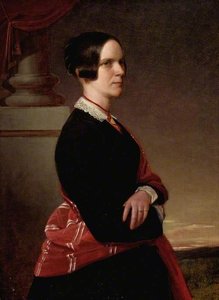
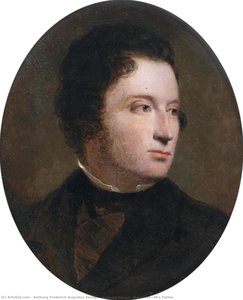
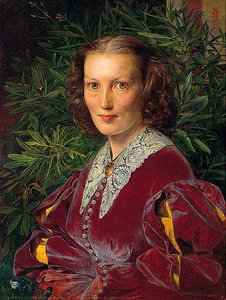
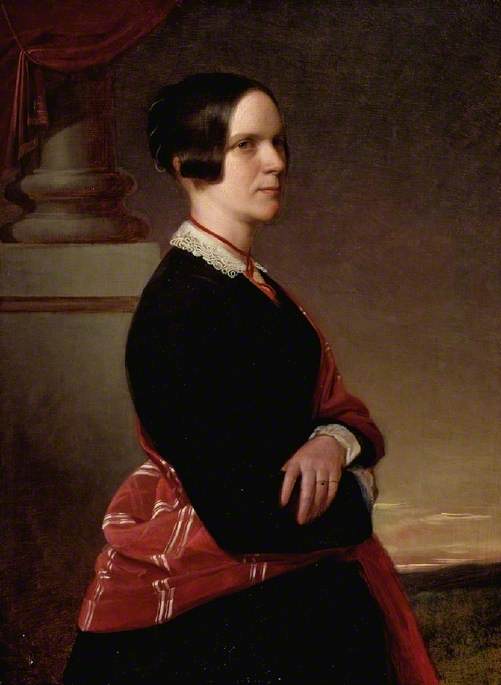
Mrs Sandys, the Artist's Mother
 Painting
- WallArt
- Pre-Raphaelite Dreamer
 1840
1840- 19th Century
 47.0 x 36.0 cm
 Fitzwilliam College
 Read More
Hand Made Oil Reproduction
Hand-painted oil on canvas in your size and frame, made to order by our artists. ( Buy Print Buy Image)




P118B $10

P118H $10

P118W $10

P438Z $10

P508JH $12

P508YH $12

P805H $10

P805Z $10

P919BZ $10

P919G $10

P919XJ $10

P959ZH $10

P968JZ $12

W106C $8

W218G $10

W218JH $8

W218Y $10

W307PJ $10

W316G $10

W316PJ $8

W316Y $10

W398PJ $8

W4111J $10

W500HY $15

W500JH $15

W692G $12

W849H $8

W940BG $15

W953PJ $8




Pick from our preset sizes that match the artwork's original proportions.

You may enter your own dimensions to fit a specific frame or space. If your selected size does not match the original image's proportions, we will either crop the artwork or extend the painting with additional hand-painted elements. A digital mockup will be sent for your approval before production begins.
Please note that the on-screen preview does not reflect the actual cropping or extension. Only the mockup will accurately show the final composition.
While custom sizes are available, we recommend selecting a dimension from the predefined list to preserve the original proportions.
After order, ArtsDot.com team will email client for instructions and provide a mockup preview
Worldwide Delivery () in 3/4 weeks instead of standard 5 weeks. (26 August). No compromise on quality.

Free Worldwide Express Shipping

High-Quality Linen Canvas

Full Shipping Insurance

Customs Tax Refund Guarantee

True Color Matching Guarantee

60-Day Return Policy (Defects Only)

100% Money-Back Guarantee

Bulk Discount Offer
 Glass option is only available in size under 110 CM

Mrs Sandys, the Artist's Mother
Reproduction Medium
Reproduction Size
-


Total Price
$ 263
Artwork Description
A Vision of Victorian Grace
In the quiet, evocative depths of Anthony Frederick Augustus Sandys’s 1840 masterpiece, "Mrs Sandys, the Artist's Mother," we encounter more than a mere portrait; we enter a profound meditation on the soul of the Victorian era. The painting presents Mildred Cameron Sandys, the artist's mother, not simply as a subject of familial affection, but as an icon of idealized femininity. Seated with a poised and dignified presence, she is draped in a striking black dress accented by a vibrant red sash that draws the eye toward the center of her composition. Her gaze, directed outward beyond the frame, suggests a contemplative spirit—a subtle hint of a yearning for something transcendent that lies just beyond the domestic sphere. For the discerning collector or interior designer, this piece offers a window into a bygone age of elegance, making it an exquisite focal point for any space dedicated to classical beauty and historical depth.
The technical mastery displayed in this work is a testament to Sandys’s early brilliance and his alignment with the meticulous standards of the Pre-Raphaelite tradition. Through a sophisticated use of chiaroscuro, the artist orchestrates a dramatic interplay between light and shadow, sculpting the form of his mother with remarkable three-dimensionality. The texture of the dark velvet cloth draped over her chair and the delicate folds of her attire are rendered with painstaking precision, inviting the viewer to touch the canvas with their eyes. His palette is intentionally muted, relying on a somber yet rich harmony of greys, deep browns, and crimson tones. This restrained color scheme does not diminish the painting's impact; rather, it intensifies the atmosphere of quiet solemnity and emotional gravity, ensuring that the portrait commands attention through subtlety rather than spectacle.
Symbolism and the Domestic Ideal
Beyond its aesthetic allure, "Mrs Sandys" is a tapestry woven with the symbolic threads of 19th-century social values. Every element within the frame serves to reinforce themes of stability and virtue. The chair upon which Mildred sits acts as a powerful symbol of domestic tranquility and the steadfastness of the family unit—a cornerstone of Victorian life. As an artwork, it captures the tension between the private world of the home and the burgeoning artistic aspirations of the era. Sandys uses his mother's likeness to embody the nurturing qualities that were celebrated in society, yet her distant gaze hints at the very inspiration that would fuel his later, more complex Pre-Raphaelite visions.
For those looking to integrate fine art into a modern interior, this reproduction offers an unparalleled emotional resonance. It brings with it a sense of heritage and a quiet, commanding strength that can anchor a room. Whether placed in a sunlit study or a formal gallery space, the painting’s ability to evoke nostalgia and contemplation makes it a timeless acquisition. To own such a piece is to possess a fragment of art history—a beautifully preserved moment of maternal grace and artistic devotion that continues to inspire awe more than a century after its creation.
Related Artworks
Artist Biography
A Pre-Raphaelite Dreamer: The Life and Art of Frederick Sandys
Born in Norwich in 1829 as Antonio Frederic Augustus Sands, the artist we know as Frederick Sandys emerged from a nurturing artistic environment. His father, Anthony Sands, instilled in him an early appreciation for drawing and painting, laying the foundation for a career that would blossom within the vibrant world of Victorian art. Young Frederick’s formal training began at the Norwich School of Design in 1846, where he honed his skills through meticulous observation and craftsmanship – principles that became hallmarks of his mature style. Early recognition came swiftly; medals awarded by the Royal Society of Arts in both 1846 and 1847 signaled a promising future for this budding talent. These formative years weren’t merely about technical skill, but about cultivating a sensibility attuned to detail, symbolism, and the emotional currents that would define his artistic vision. He soon adopted the spelling “Sandys,” a subtle shift perhaps mirroring his evolving artistic identity.London Calling: Embracing Pre-Raphaelite Ideals
The year 1851 marked Sandys’s relocation to London, a pivotal moment in his career. Exhibiting at the Royal Academy, he steadily gained recognition for his burgeoning talent, but it was during the 1860s that his artistic trajectory truly aligned with the Pre-Raphaelite Brotherhood. A profound friendship with Dante Gabriel Rossetti proved deeply influential; Sandys even resided with Rossetti for a time, absorbing the artist’s visionary approach to art and life. This period witnessed the creation of The Nightmare (1857), a satirical lithograph that catapulted Sandys into the public eye. A clever parody of John Everett Millais and critic John Ruskin, it showcased not only his exceptional draughtsmanship but also his willingness to engage with contemporary art criticism – a boldness that endeared him to the Pre-Raphaelite circle. Sandys’s style solidified during this time, characterized by vibrant colors, meticulous attention to detail, and a predilection for subjects drawn from mythology and literature, all echoing the core tenets of the movement. However, he wasn't merely replicating; he was interpreting these themes through his own unique lens, imbuing them with a sense of psychological depth and emotional resonance. His work began to explore the complexities of human emotion, often focusing on enigmatic female figures steeped in mystery and melancholy.Masterpieces and Recurring Themes
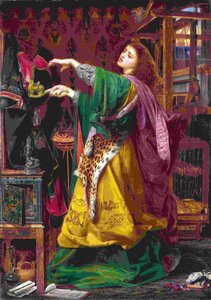
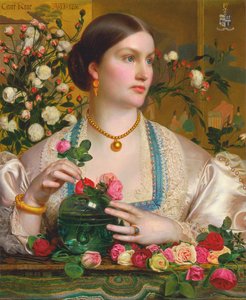
Sandys’s oeuvre is rich with captivating works that demonstrate his mastery of technique and storytelling. Maria Magdalena, housed in the Delaware Art Museum, stands as a poignant portrayal of Mary Magdalene, revealing Sandys's ability to convey profound emotional depth within a religious context. Morgan le Fay, gracing the Birmingham Museum & Art Gallery, is a mesmerizing depiction of the Arthurian sorceress, showcasing his skill in creating compelling female figures imbued with mystery and power. Grace Rose, at the Yale Center for British Art, exemplifies Victorian ideals of beauty and grace through delicate portraiture. Beyond these iconic pieces, works like Autumn – an oil painting capturing a family enjoying nature’s splendor – highlight his talent for portraying everyday scenes with Pre-Raphaelite precision. Recurring themes permeate Sandys's work: mythology, Arthurian legends, portraits of women often possessing a melancholic or enigmatic quality, and depictions of the natural world rendered with breathtaking detail. These motifs weren’t merely aesthetic choices; they were vehicles for exploring deeper questions about love, loss, morality, and the human condition. His wood-engravings, particularly those created for periodicals like Once a Week and Cornhill Magazine, demonstrate his exceptional skill in translating complex designs into intricate engravings, showcasing an attention to detail rivaling that of Albrecht Dürer and Ambrosius Holbein.Challenges, Legacy, and Enduring Influence
Despite his artistic successes, Sandys faced personal hardships later in life, including financial difficulties and periods of bankruptcy. His complex family life, marked by numerous children from relationships with Mary Emma Jones (Miss Clive), added another layer of complexity to his narrative. Yet, he persevered, continuing to paint and draw throughout his career, demonstrating an unwavering commitment to his art. The artistic influence within the Sandys family was further exemplified by his younger sister, Emma Sandys, who also achieved recognition as a painter. Sandys’s legacy rests firmly on his contributions to the Pre-Raphaelite movement, particularly his exceptional draughtsmanship and ability to create evocative portrayals of mythological and literary subjects. His works are now celebrated for their beauty, technical skill, and insightful reflections on Victorian aesthetics. He stands as a testament to the power of artistic vision in the face of adversity, leaving behind a body of work that continues to captivate and inspire audiences today. His influence extended beyond his paintings; he helped shape the visual language of the Victorian era, influencing generations of artists with his meticulous technique and evocative storytelling. The rediscovery and appreciation of Sandys’s work in recent decades underscore his enduring relevance, solidifying his place among the most important British artists of the 19th century.
Anthony Frederick Augustus Sandys
1829 - 1904 , United Kingdom
Quick Facts
- Artistic Movement Or Style: Pre-Raphaelite
- Artists Or Movements Influenced By This Artist: ['Victorian art']
- Artists Who Influenced This Artist: ['Dante Gabriel Rossetti']
- Date Of Birth: 1829
- Date Of Death: 1904
- Full Name: Anthony Frederick Augustus Sandys
- Nationality: British
- Notable Artworks:
- The Nightmare
- Maria Magdalena
- Morgan le Fay
- Grace Rose
- Place Of Birth: Norwich, United Kingdom
Related Articles
Dante Gabriel Rossetti's 25 Masterpieces: A Journey Through Victorian Art & Symbolism | ArtsDot
Explore 25 iconic artworks by Dante Gabriel Rossetti, a leading Pre-Raphaelite artist. Discover the stories behind masterpieces like 'Proserpine' & 'Beata Beatrix'. Find museum-quality art reproductions and elevate your home decor with ArtsDot.com.

Anthony Frederick Sandys: Pre-Raphaelite Vision & Victorian Aesthetic Exploration
Discover the captivating Pre-Raphaelite world of Anthony Frederick Sandys (1829-1904). Explore his mythological scenes, portraits & Victorian artistry. Learn about his influences and lasting legacy.
Sir John Everett Millais: Pre-Raphaelite Rebellion & Victorian Narrative Detail
Explore the revolutionary art of Sir John Everett Millais & the Pre-Raphaelite Brotherhood. Discover their radical realism, symbolic narratives, and lasting impact on Victorian aesthetics. A deep dive into 19th-century masterpieces.

Giclée Prints: Archival Quality & Aesthetic Nuances for the Discerning Collector
Explore the world of giclée prints with ArtsDot. Learn about archival quality, aesthetic nuances & investment potential. Expert guidance for discerning art collectors seeking museum-quality reproductions and lasting value.

Arthur Hughes: Pre-Raphaelite Visions of Beauty & Melancholy
Explore the captivating world of Arthur Hughes (1832-1915), a leading Pre-Raphaelite painter. Discover his dreamy landscapes, poetic narratives & iconic Victorian artworks. Learn about his life, style & collecting today.