 Preview
 Send
Send Share
Share
 Details

 Download
 Similars
 X-Ray
X-Ray Diaporama
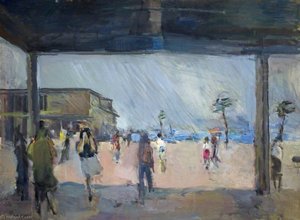
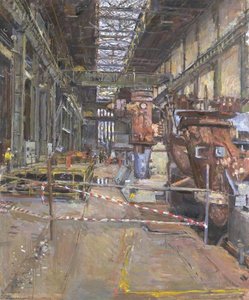
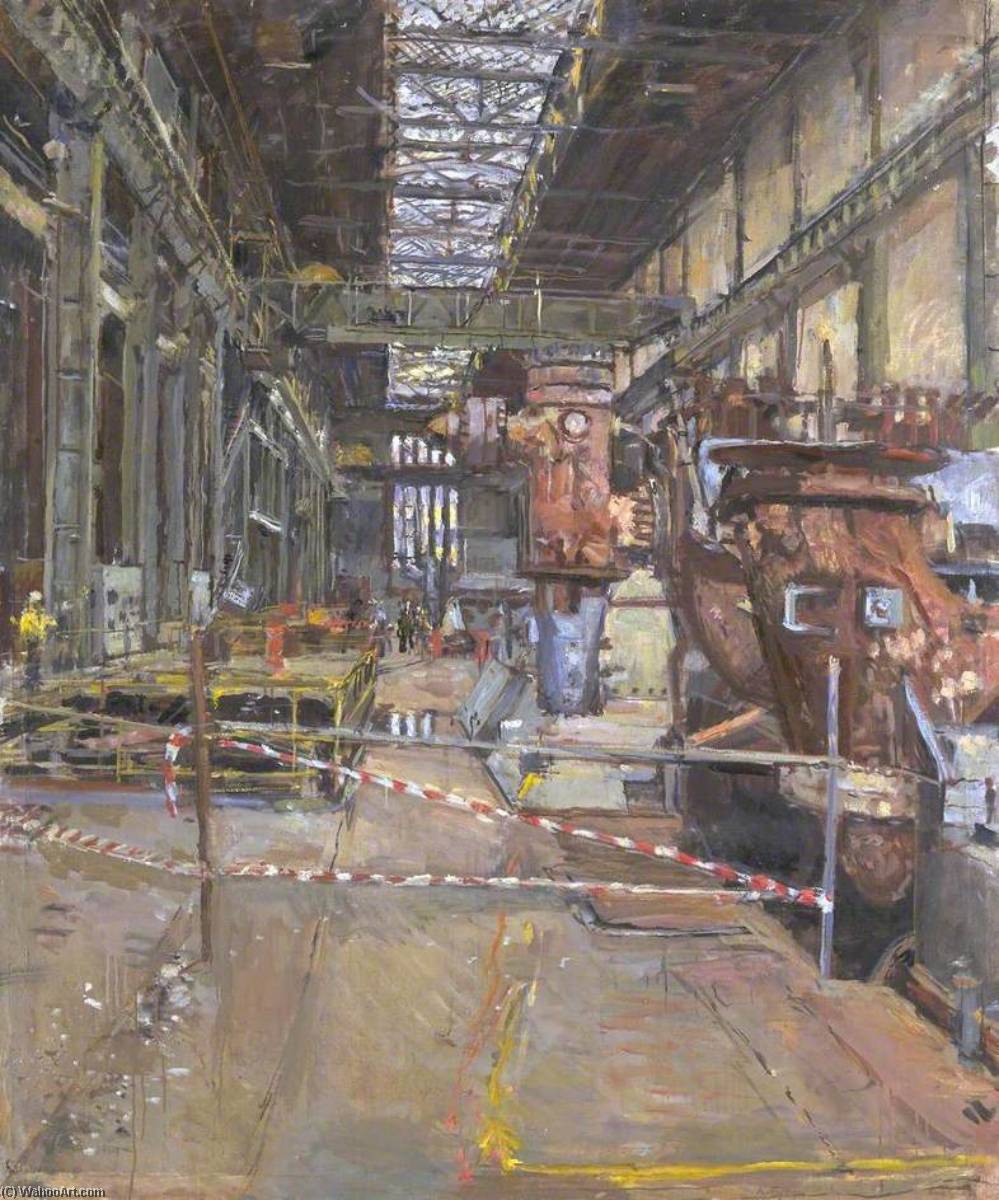
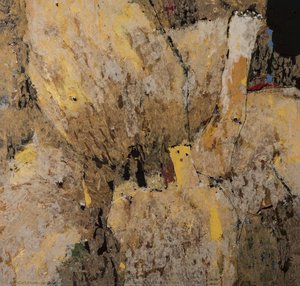
Bankside The Turbine Hall
 1995
1995 151.0 x 127.0 cm
 Read More
Giclée / Art Print
Museum-quality giclée or canvas print with fast production and flexible finish options. ( Buy Hand Made Painting Buy Image)




































Pick from our preset sizes that match the artwork's original proportions.

You may enter your own dimensions to fit a specific frame or space. If your selected size does not match the original image's proportions, we will either crop the artwork or extend the image with a mirrored or solid-fill edge. A digital mockup will be sent for your approval before production begins.
Please note that the on-screen preview does not reflect the actual cropping or extension. Only the mockup will accurately show the final composition.
While custom sizes are available, we recommend selecting a dimension from the predefined list to preserve the original proportions.
Worldwide Delivery () in 2 weeks instead of standard 4/5 weeks. (26 August)

Free Worldwide Express Shipping

High-Quality Linen Canvas

Full Shipping Insurance

Customs Tax Refund Guarantee

True Color Matching Guarantee

60-Day Return Policy (Defects Only)

100% Money-Back Guarantee

Bulk Discount Offer
 Glass option is only available in size under 110 CM

Bankside The Turbine Hall
Giclée / Art Print
Reproduction Size
-


Total Price
$ 63
Related Artworks







Artist Biography
A Century of Vision: The Artistic Journey of Anthony John Plowden Eyton
To encounter the work of Anthony John Plowden Eyton is to step into a world where the boundaries between reality and memory become beautifully blurred. Born on May 17, 1923, in Teddington, Middlesex, Eyton has lived through a century of profound historical shifts, yet his artistic gaze has remained steadfastly focused on the essence of place. As a celebrated member of the Royal Academy of Arts, his oeuvre stands as a testament to the enduring power of figurative painting, blending a disciplined technical foundation with an almost poetic sensitivity to light and color.
Eyton’s early life was shaped by the dual influences of academic rigor and the transformative experience of war. His formal education began at the University of Reading in 1941, where he studied under James Anthony Betts, a period that instilled in him a deep appreciation for the nuances of visual representation. However, his studies were interrupted by his service in the British Army during the Second World War, a hiatus that would later inform the depth and resilience found within his compositions. Upon his demobilization, Eyton returned to his passion with renewed vigor, honing his craft at the Camberwell School of Arts between 1947 and 1950. It was during these formative years that he immersed himself in the burgeoning modernist movements, absorbing the bold, expressive energies of masters like Picasso and Matisse.
The Language of Color and Surrealist Echoes
The evolution of Eyton’s style is a fascinating study of an artist moving from structured observation toward a more emotive, psychological landscape. In his early career, the whispers of Surrealism were unmistakable. He experimented with distorted perspectives and dreamlike imagery, using the canvas to explore subconscious associations and fantastical elements. This period was crucial in developing his signature use of gestural brushstrokes and vibrant, often unexpected, color palettes—techniques that allowed him to reject rigid academic conventions in favor of capturing the raw immediacy of an experience.
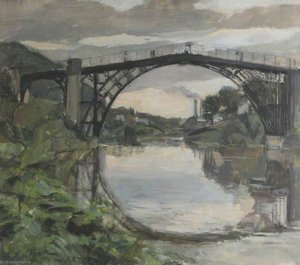
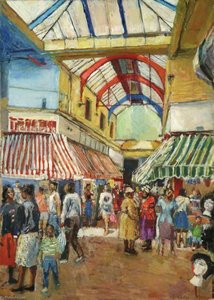
As his career matured, this surrealist experimentation coalesced into a profound mastery of the post-Impressionist tradition. His landscapes and cityscapes are not merely topographical records but emotional evocations. Whether depicting the bustling, energetic atmosphere of Brixton Market or the quiet, historic dignity of the Iron Bridge in Shropshire, Eyton employs a dynamic composition that draws the viewer into the heart of the scene. His ability to utilize bold colors to convey the heat of a summer day or the melancholic chill of an approaching dusk demonstrates a sophisticated understanding of how light interacts with human perception.
Legacy and Recognition
Throughout his long and illustrious career, Eyton has achieved significant milestones that have cemented his status within the British art establishment. His accolades are as varied as his subject matter, reflecting his versatility as a painter of landscapes, cityscapes, and figure studies. Some of his most notable professional recognitions include:
- Election to prestigious societies: He has been a distinguished member of the Royal Academy of Arts (RA), the Royal West of England Academy (RWA), and the Royal Watercolour Society (RWS).
- Honors and Awards: His contributions to the arts have been recognized with the Charles Wollaston Award and the prestigious OBE (Officer of the Order of the British Empire).
- Exhibition History: His works have found homes in esteemed institutions, such as the London Transport Museum, ensuring his visual legacy reaches beyond the gallery walls.
Today, as we celebrate his centenary, Anthony Eyton remains a vital figure in contemporary figurative art. His work continues to resonate because it speaks to a universal truth: that every landscape holds a memory, and every color tells a story. Through his unwavering commitment to capturing the spirit of the places he loved, Eyton has created a visual archive of British life that is as much about the soul of the observer as it is about the beauty of the observed.
anthony john plowden eyton
1923 -
Quick Facts
- Artistic Movement Or Style: Post-Impressionism
- Artists Or Movements Influenced By This Artist: ['Royal Academy']
- Artists Who Influenced This Artist:
- James Anthony Betts
- Camberwell School of Arts
- Date Of Birth: 17 May 1923
- Full Name: Anthony John Plowden Eyton
- Nationality: British
- Notable Artworks:
- The First Iron Bridge, Shropshire
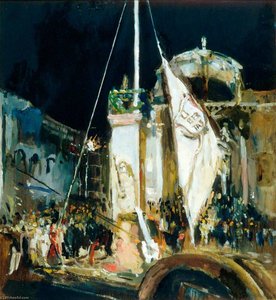
- Raising the Flag of Liberty, Dubrovnik Festival
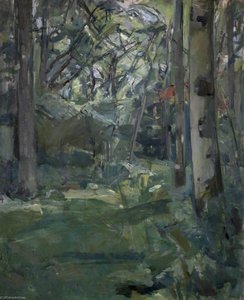
- Wooded Landscape
- Place Of Birth: Reading, England