

 Preview
 Send
Send Share
Share
 Details

 Download
 Similars
 X-Ray
X-Ray Diaporama
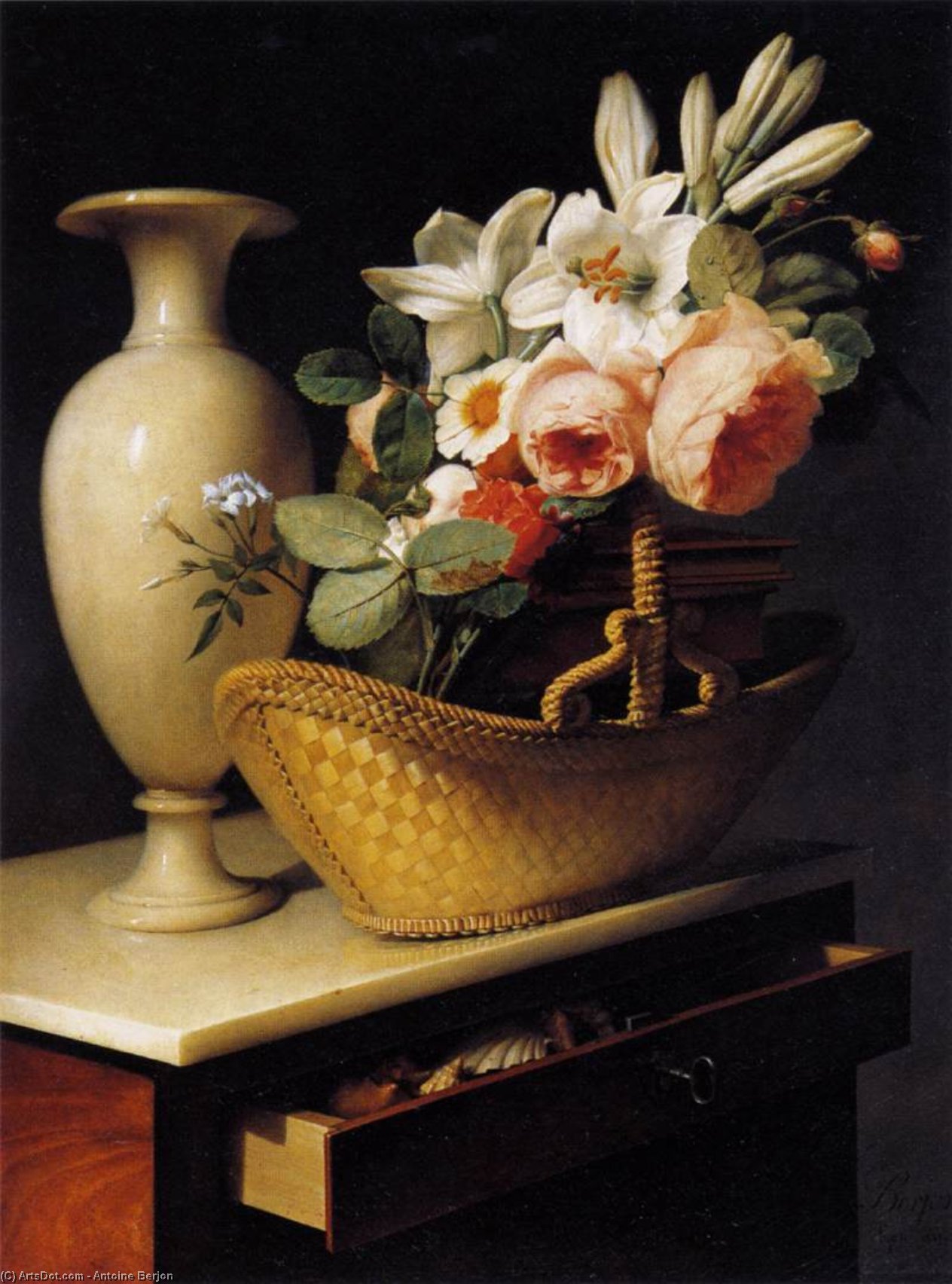
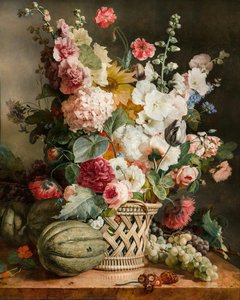
Still-Life with a Basket of Flowers
 Acrylic On Canvas
- WallArt
- Romantic Landscape
 1814
1814 66.0 x 50.0 cm
 The Louvre
 Read More
Purchase a high-resolution, enhanced digital image, far superior to the online preview.
Each file is meticulously prepared by our in-house specialists using advanced tools and expert manual retouching. We ensure every image has exceptional clarity, precise color accuracy, and fine detail.
The final file is delivered via email within 72 hours, optimized for immediate use in professional, editorial, and print environments. This is the same quality trusted by top-tier design studios, publishers, and galleries.
Digital Image
Download a high-resolution file for personal display, printing, and creative projects. ( Buy Print Buy Hand Made Painting)
Included in Every Digital Image Order
Expert Digital Delivery, Guaranteed
When you choose ArtsDot.com, you're not just getting an image - you're receiving a professionally enhanced digital artwork, crafted with precision and backed by a satisfaction guarantee. Here's everything that comes with your order, automatically:

Fast Email Delivery
Your high-resolution digital image file will be emailed to you within 72 hours of ordering - ready for immediate use.

AI-Enhanced Digital File
Your artwork is professionally optimized using advanced AI tools and manual editing, ensuring maximum detail, clarity, and color accuracy.

Free Lifetime Re-Delivery
Accidentally deleted or lost your file? No worries - we'll resend it to you anytime, free of charge.

No Import Fees - Ever
Enjoy your artwork instantly with zero customs, duties, or delivery fees - digital downloads are always tax-free.

Color Accuracy Guarantee
We ensure your digital image reflects the original colors as closely as possible using professional tools and color management.

60-Day Satisfaction Guarantee
If you're not satisfied with your digital image, we'll revise it or refund 100% within 60 days - no questions asked.

100% Money-Back Guarantee
Not satisfied? Get a full refund within 60 days of receiving your digital file - no questions asked.

Bulk Order Discounts
Buy 3 images, save 10% - Buy 5, save 15% - Buy 10+, save 20%. Great for creative projects, galleries, and agencies.
Collectible Description
Still-Life with a Basket of Flowers by BERJON, Antoine
Antoine Berjon’s “Still-Life with a Basket of Flowers,” painted in 1814, stands as a testament to the enduring influence of Thomas Gainsborough's landscape aesthetic within British Romanticism. More than just a depiction of botanical beauty, this artwork embodies a profound meditation on light, texture, and the quiet contemplation inherent in observing nature’s subtleties—qualities that firmly cemented Gainsborough’s legacy as one of Britain’s foremost painters. Subject Matter and Composition The painting captures an exquisitely rendered tableau: a wicker basket overflowing with blossoms – predominantly pink roses interspersed with delicate white blooms – rests upon a simple wooden table. Adjacent to the basket sits a vase holding additional flowers, creating a harmonious balance between form and color. The inclusion of two figures in the background—one positioned on the left and another on the right—adds depth and dimension to the scene, subtly suggesting an observer’s presence within this idyllic setting. This deliberate arrangement prioritizes visual serenity and invites viewers into a moment of tranquil observation. Style and Technique Berjon skillfully adheres to Gainsborough's signature style, characterized by soft brushstrokes and luminous tonal gradations that prioritize atmospheric perspective. The artist employs glazing techniques—applying thin layers of translucent paint over underlying colors—to achieve remarkable realism in capturing the textures of petals, stems, and wicker weave. Light plays a crucial role, bathing the composition in diffused illumination that softens contours and enhances the overall sense of tranquility. Berjon’s meticulous attention to detail reflects Gainsborough's unwavering commitment to portraying the natural world with unparalleled accuracy and emotional resonance. Historical Context Painted during the Romantic era (roughly 1800-1850), “Still-Life with a Basket of Flowers” aligns perfectly with the movement’s fascination for idealized landscapes and its exploration of human emotion in relation to nature. Gainsborough himself championed this approach, believing that art should inspire contemplation and elevate the spirit—principles powerfully conveyed in Berjon's work. The painting speaks to the Romantic preoccupation with capturing fleeting moments of beauty and conveying feelings of peace and contentment, mirroring broader cultural trends of the time. Symbolism and Emotional Impact The basket of flowers itself carries symbolic weight, representing fertility, purity, and remembrance—themes frequently explored in Romantic art. Roses, particularly pink roses, are traditionally associated with love and gratitude, adding another layer of emotional significance to the composition. Berjon’s masterful execution evokes a palpable sense of stillness and serenity, inviting viewers to pause and appreciate the beauty of the natural world. The painting's understated elegance transcends mere visual representation; it communicates an intangible feeling—a quiet communion with nature that resonates deeply within the human spirit. Conclusion “Still-Life with a Basket of Flowers” is more than just a beautiful image; it’s a conduit to Gainsborough’s artistic vision and embodies the core tenets of Romantic idealism. Berjon's faithful interpretation ensures that this timeless masterpiece continues to inspire admiration for its technical brilliance and profound emotional depth—a legacy worthy of celebration within the annals of British art history.Related Artworks
Artist Biography
Gainsborough Dupont: A Legacy of Landscape and Light
Gainsborough Dupont (1754-1797) stands as a quietly significant figure in British art, often overshadowed by the brilliance of his uncle, Thomas Gainsborough. Born on December 20th, 1754, in Sudbury, Suffolk, Dupont’s artistic journey was inextricably linked to that of his renowned relative – initially as a devoted pupil and later as a skilled interpreter of Gainsborough's style. His life, though tragically brief, produced a body of work characterized by a serene elegance, particularly evident in his meticulously rendered landscapes and captivating depictions of rural life. Dupont’s contribution lies not in revolutionary innovation but in the faithful preservation and subtle enhancement of Gainsborough’s established aesthetic, creating works that possess a quiet beauty and an intimate understanding of light and atmosphere.Early Life and Artistic Training
Dupont's early years were shaped by his family’s connection to the art world. His father, a doctor, fostered an appreciation for observation and detail – qualities crucial to his future artistic endeavors. Crucially, Dupont received formal training from his uncle, Thomas Gainsborough, at the Gainsborough Academy in Derby. This apprenticeship was far more than mere instruction; it was an immersion into the artist’s philosophy, techniques, and approach to capturing the essence of the English countryside. Gainsborough recognized Dupont's talent early on, encouraging him to develop a distinct style while remaining true to his uncle’s legacy. Beyond his direct mentorship, Dupont also studied at the Academy of Arts in London, broadening his exposure to artistic principles and refining his skills. This foundation proved invaluable as he began to establish himself as an independent artist.The Art of Imitation and Interpretation
Dupont’s primary contribution to the art world lies in his masterful imitation and interpretation of Gainsborough's style. He didn’t attempt radical departures but instead meticulously replicated his uncle’s techniques – particularly his use of light, color, and atmospheric perspective. His most prolific output involved creating mezzotints (a printing process that allowed for detailed tonal variations) from Gainsborough’s original paintings. These copies weren't mere reproductions; Dupont subtly adjusted the compositions, adding details and refining the lighting to create works that possessed a unique character while retaining the spirit of the originals. Furthermore, he completed several unfinished landscapes left by Gainsborough at his death, skillfully bringing these pieces to completion with remarkable fidelity. This dedication to preserving and expanding upon his uncle’s oeuvre cemented Dupont's place as a vital link in the Gainsborough lineage.Notable Works and Subjects
Dupont’s artistic output primarily focused on landscapes and genre scenes depicting rural life. He frequently portrayed idyllic countryside settings, capturing the beauty of rolling hills, meandering streams, and charming farmhouses. His paintings are characterized by a remarkable sense of tranquility and an appreciation for the subtle nuances of nature. He is particularly known for his depictions of riders and packhorses traversing the English landscape – scenes imbued with a feeling of quiet exploration and connection to the land. A significant portion of his work can be found within the Garrick Club in London, showcasing portraits of actors and theatrical figures, reflecting a popular artistic trend of the time. While not as widely celebrated as Gainsborough himself, Dupont’s landscapes are considered amongst his finest achievements, demonstrating a refined understanding of composition, color, and light.Legacy and Historical Significance
Gainsborough Dupont's legacy is inextricably linked to that of his uncle. He served as a crucial custodian of Gainsborough’s artistic vision, ensuring the continued appreciation and study of his work. While he may not have been a groundbreaking innovator, Dupont’s meticulous craftsmanship and unwavering dedication to replicating Gainsborough’s style have secured his place in British art history. His works offer a valuable insight into the artistic practices of the late 18th and early 19th centuries, demonstrating the importance of observation, technical skill, and a deep understanding of the subject matter. Dupont's contribution lies not in creating entirely new styles but in preserving and refining an established one, ultimately enriching the landscape of British art for generations to come. His work stands as a testament to the power of apprenticeship, dedication, and the enduring appeal of capturing the beauty of the English countryside.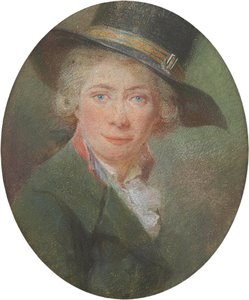
antoine berjon
1754 - 1843 , France
Quick Facts
- Artistic Movement Or Style: Landscape painting
- Artists Or Movements Influenced By This Artist: ['Gainsborough']
- Artists Who Influenced This Artist: ['Thomas Gainsborough']
- Date Of Birth: 1754
- Date Of Death: 1797
- Full Name: Gainsborough Dupont
- Nationality: British
- Notable Artworks:
- Wooded Landscape with Riders
- Packhorses
- Place Of Birth: Sudbury, Suffolk

