 Preview
 Send
Send Share
Share
 Details

 Download
 Similars
 X-Ray
X-Ray Diaporama
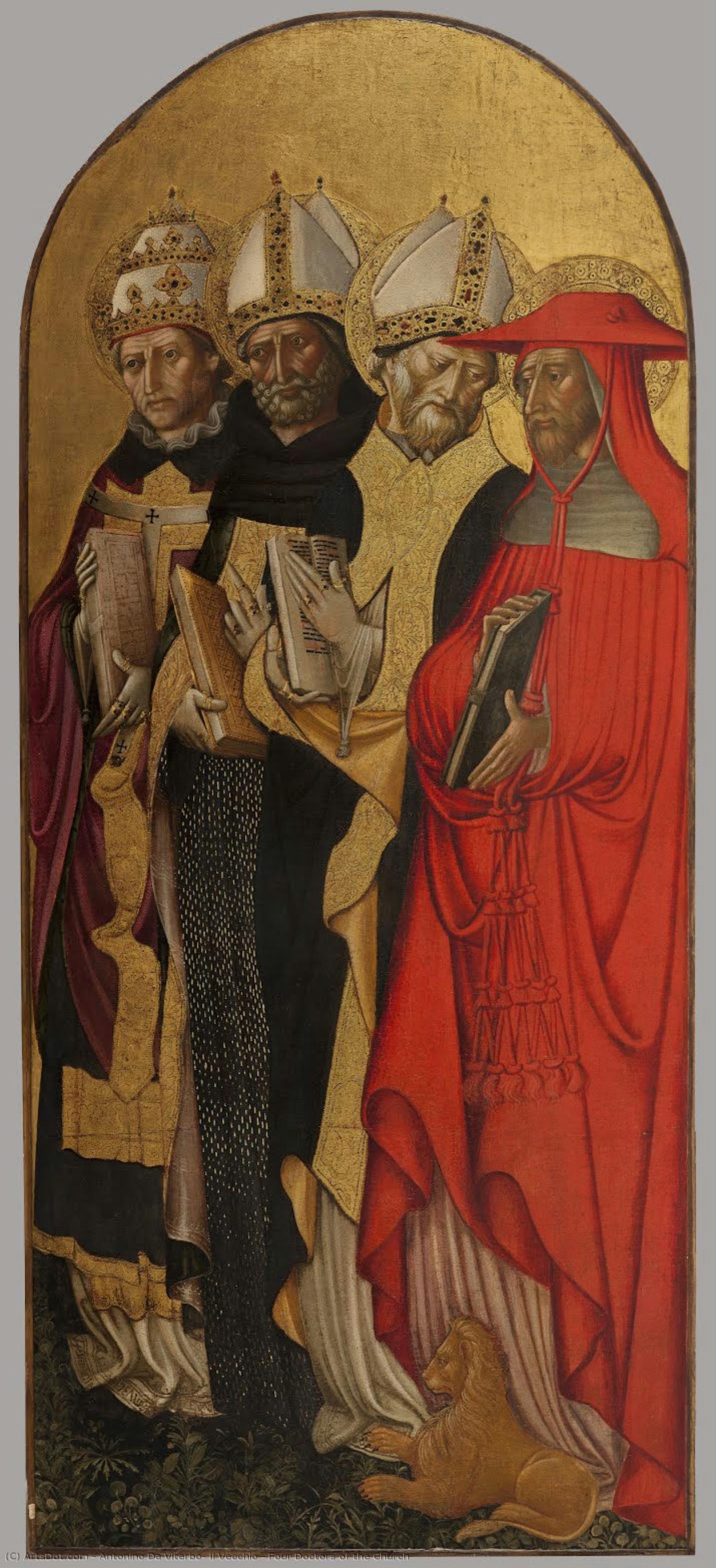
Four Doctors of the Church
 65.0 x 147.0 cm
 Biennale Internazionale dell'Antiquariato di Firenze
 Read More
Hand Made Oil Reproduction
Hand-painted oil on canvas in your size and frame, made to order by our artists. ( Buy Print Buy Image)




































Pick from our preset sizes that match the artwork's original proportions.

You may enter your own dimensions to fit a specific frame or space. If your selected size does not match the original image's proportions, we will either crop the artwork or extend the painting with additional hand-painted elements. A digital mockup will be sent for your approval before production begins.
Please note that the on-screen preview does not reflect the actual cropping or extension. Only the mockup will accurately show the final composition.
While custom sizes are available, we recommend selecting a dimension from the predefined list to preserve the original proportions.
After order, ArtsDot.com team will email client for instructions and provide a mockup preview
Worldwide Delivery () in 3/4 weeks instead of standard 5 weeks. (25 August). No compromise on quality.

Free Worldwide Express Shipping

High-Quality Linen Canvas

Full Shipping Insurance

Customs Tax Refund Guarantee

True Color Matching Guarantee

60-Day Return Policy (Defects Only)

100% Money-Back Guarantee

Bulk Discount Offer
 Glass option is only available in size under 110 CM

Four Doctors of the Church
Reproduction Medium
Reproduction Size
-


Total Price
$ 263
Artwork Description
Related Artworks



Artist Biography
Antonino da Viterbo, Il Vecchio: A Late Gothic Voice from Lazio
Born in the bustling city of Viterbo around 1450 and tragically passing away in 1475, Antonino da Viterbo – also known as Antonio di Lorenzo – remains a captivating figure within the artistic landscape of early Renaissance Italy. Despite the brevity of his career, his unique style and significant works offer invaluable insights into the evolving aesthetic sensibilities of the late Gothic period, particularly within the Lazio region. Much about his life remains shrouded in mystery, yet through surviving paintings and historical context, we can begin to piece together a portrait of an artist deeply rooted in his local traditions while simultaneously embracing innovative techniques.
Early records surrounding Antonino’s life are scarce, primarily relying on inscriptions found on the triptych housed at the church of San Michele Arcangelo in Capena. These documents indicate that he was active around 1400 and hailed from Viterbo, suggesting a strong connection to his birthplace and potentially a lineage within the established artistic community of the area. This early activity aligns with the broader late Gothic movement prevalent throughout Lazio during this period – a style characterized by rich colors, intricate details, and a focus on religious narrative.
The Distinctive Style of ‘Four Doctors of the Church’
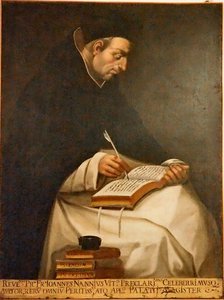
Antonino da Viterbo's most celebrated work, the “Four Doctors of the Church” (circa 1455-1460), offers a compelling demonstration of his artistic vision. Executed in tempera on panel, this painting immediately draws attention to its unique and somewhat unsettling qualities. The figures are rendered with an unusual emphasis on elongated fingers and hands – a characteristic that has led some scholars to suggest a possible influence from Flemish art, though the stylistic roots remain debated. Furthermore, objects within the composition frequently appear to rise vertically, creating a sense of spatial distortion and contributing to the painting’s overall enigmatic atmosphere.
The meticulous detail evident in the drapery, facial expressions, and architectural elements showcases Antonino's technical skill. However, it is not merely technical proficiency that defines his style; rather, it’s the subtle emotionality conveyed through the figures – a sense of solemn contemplation and spiritual intensity. The composition itself, with its carefully arranged hierarchy and symbolic gestures, reflects the conventions of late Gothic religious painting while simultaneously injecting a personal touch.
Notable Works and Artistic Influences
Beyond “Four Doctors of the Church,” Antonino’s oeuvre is relatively limited, yet each piece provides valuable clues to his artistic development. The triptych conserved in Capena, featuring scenes from the life of Christ, exemplifies his mastery of tempera on panel and demonstrates a clear understanding of late Gothic stylistic conventions. “Annunciazione” (an Annunciation Triptych) further solidifies this assessment, showcasing his skill as a painter and offering another glimpse into his distinctive approach to depicting religious subjects. The painting’s intricate details and expressive figures are hallmarks of his style.
While the precise influences on Antonino's work remain subject to ongoing research, connections have been drawn between his style and that of other prominent artists of the period, including Luca Signorelli and Perugino. Signorelli’s influence is particularly evident in the use of color and the dramatic lighting effects, while Perugino’s compositional arrangements can be observed in the arrangement of figures within Antonino's paintings. It’s important to note that Antonino wasn’t simply imitating these artists; rather, he synthesized their techniques into a uniquely personal style.
Legacy and Historical Significance
Despite his tragically short life, Antonino da Viterbo left an indelible mark on the artistic landscape of Lazio. His work represents a crucial bridge between the late Gothic period and the burgeoning Renaissance in Italy. His distinctive stylistic features – elongated figures, verticality, and a subtle emotional intensity – distinguish him as a significant regional artist who contributed to the rich tapestry of Italian painting during this transitional era.
Antonino’s legacy is further cemented by his connection to Antonio del Massaro da Viterbo, another prominent painter from the same region. Studying their works together provides valuable context for understanding the artistic trends and individual styles that flourished in Lazio during the mid-15th century. His paintings continue to be studied and appreciated for their beauty, technical skill, and evocative power – a testament to the enduring legacy of this enigmatic artist.
antonino da viterbo, il vecchio
1450 - 1475 , Italy
Quick Facts
- Artistic Movement Or Style: Late Gothic, Lazio School
- Artists Or Movements Influenced By This Artist: ['None specified']
- Artists Who Influenced This Artist:
- Luca Signorelli
- Perugino
- Date Of Birth: 1450
- Date Of Death: 1475
- Full Name: Antonino da Viterbo, il Vecchio
- Nationality: Italian
- Notable Artworks:
- Four Doctors of the Church
- Cristo in trono tra SS. Pietro e Paolo
- Annunciazione
- Place Of Birth: Viterbo, Italy