

 Preview
 Send
Send Share
Share
 Details

 Download
 Similars
 X-Ray
X-Ray Diaporama
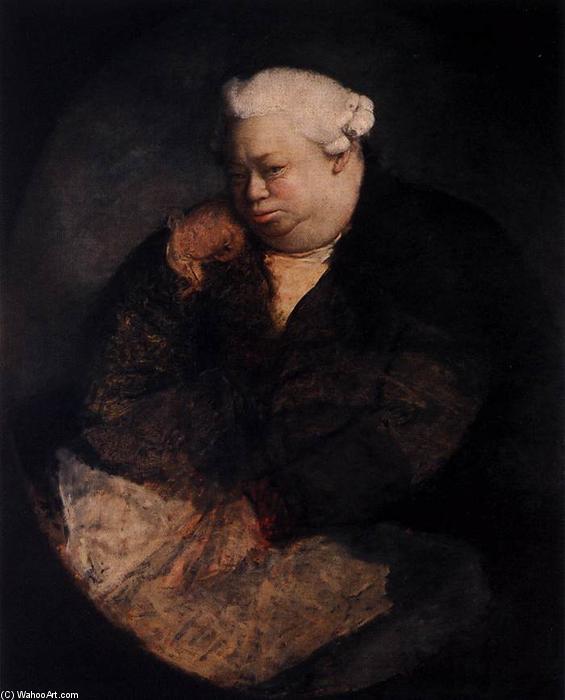
Portrait of Amadeo Svajer


 Read More
Purchase a high-resolution, enhanced digital image, far superior to the online preview.
Each file is meticulously prepared by our in-house specialists using advanced tools and expert manual retouching. We ensure every image has exceptional clarity, precise color accuracy, and fine detail.
The final file is delivered via email within 72 hours, optimized for immediate use in professional, editorial, and print environments. This is the same quality trusted by top-tier design studios, publishers, and galleries.
Digital Image
Download a high-resolution file for personal display, printing, and creative projects. ( Buy Print Buy Hand Made Painting)
Included in Every Digital Image Order
Expert Digital Delivery, Guaranteed
When you choose ArtsDot.com, you're not just getting an image - you're receiving a professionally enhanced digital artwork, crafted with precision and backed by a satisfaction guarantee. Here's everything that comes with your order, automatically:

Fast Email Delivery
Your high-resolution digital image file will be emailed to you within 72 hours of ordering - ready for immediate use.

AI-Enhanced Digital File
Your artwork is professionally optimized using advanced AI tools and manual editing, ensuring maximum detail, clarity, and color accuracy.

Free Lifetime Re-Delivery
Accidentally deleted or lost your file? No worries - we'll resend it to you anytime, free of charge.

No Import Fees - Ever
Enjoy your artwork instantly with zero customs, duties, or delivery fees - digital downloads are always tax-free.

Color Accuracy Guarantee
We ensure your digital image reflects the original colors as closely as possible using professional tools and color management.

60-Day Satisfaction Guarantee
If you're not satisfied with your digital image, we'll revise it or refund 100% within 60 days - no questions asked.

100% Money-Back Guarantee
Not satisfied? Get a full refund within 60 days of receiving your digital file - no questions asked.

Bulk Order Discounts
Buy 3 images, save 10% - Buy 5, save 15% - Buy 10+, save 20%. Great for creative projects, galleries, and agencies.
Antonio Canova’s “Portrait of Amadeo Svajer”: A Study in Somber Elegance
The world of 18th-century portraiture often revelled in ostentatious displays of wealth and power, yet Antonio Canova's "Portrait of Amadeo Svajer" offers a strikingly different experience – one steeped in quiet contemplation and profound melancholy. Completed around 1790 during the artist’s formative years in Rome, this marble sculpture transcends mere likeness; it is an exploration of inner life, rendered with the delicate precision that would become Canova's hallmark. The subject, Amadeo Svajer, a figure shrouded in mystery, gazes directly at the viewer with an expression that simultaneously invites and deflects intimacy. His posture is subtly slumped, suggesting weariness or perhaps a deep-seated sadness, while his hands rest loosely in his lap – gestures of both vulnerability and restrained dignity.
Canova’s mastery lies not just in capturing physical appearance but in imbuing the sculpture with an atmosphere. The dark, almost velvety backdrop—a carefully sculpted void—draws all attention to Svajer's face and upper body. This dramatic use of chiaroscuro, a technique borrowed from Caravaggio, amplifies the emotional weight of the portrait. Notice how the light catches the subtle contours of his brow, highlighting the lines etched by time or perhaps sorrow. The folds in his dark coat are rendered with meticulous detail, adding texture and depth to the composition while simultaneously reinforcing the sense of isolation. The overall effect is one of restrained drama—a powerful statement delivered through understatement.
Neoclassical Roots and Artistic Influences
“Portrait of Amadeo Svajer” firmly establishes Canova within the Neoclassical movement, a period that sought to revive the ideals of ancient Greece and Rome. Rejecting the elaborate ornamentation of the Baroque era, Neoclassicism emphasized clarity, order, and rationalism. Canova’s work embodies these principles perfectly—the sculpture's balanced composition, idealized forms, and restrained emotional expression are all hallmarks of the style. However, Canova wasn’t simply replicating classical models; he infused them with a distinctly Romantic sensibility. The palpable sense of melancholy that permeates the portrait suggests an awareness of human suffering – a theme frequently explored in Romantic art.
The influence of Michelangelo is undeniable. Canova spent considerable time studying the sculptor's works, particularly his dramatic depictions of the human form. Like Michelangelo’s David, Svajer possesses a sense of monumental presence despite his relatively small scale. The careful attention to anatomical detail—the subtly modeled muscles, the delicate curve of the lips—demonstrates Canova’s profound understanding of the human body. Yet, unlike the heroic grandeur often associated with Michelangelo, Canova's portrayal is imbued with a quiet dignity and introspective quality.
Symbolism and Interpretation
While the identity of Amadeo Svajer remains unknown, his portrait invites speculation about his life and circumstances. The somber mood suggests a man grappling with personal challenges or perhaps burdened by responsibility. Some art historians have suggested that Svajer’s attire—the dark coat and headpiece—might allude to a specific profession or social status, though the exact meaning remains elusive. The sculpture's overall effect is one of profound introspection – it prompts us to consider the complexities of human emotion and the enduring power of portraiture to capture not just appearance but also essence.
Canova’s choice of marble as a medium further enhances the work’s symbolic resonance. Marble, known for its durability and permanence, represents an attempt to immortalize Svajer's image—a testament to his existence and a reflection on the fleeting nature of life itself. The cool, smooth surface of the stone contrasts sharply with the warmth of human flesh, creating a visual tension that mirrors the emotional complexities explored within the portrait.
A Timeless Masterpiece: Reproduction Possibilities
Reproductions of “Portrait of Amadeo Svajer” offer an exceptional opportunity to bring this captivating work into your home or office. Available in a range of sizes and framing options, these high-quality reproductions faithfully capture the sculpture’s nuanced details and evocative atmosphere. Whether you choose a gallery-wrapped canvas for a dramatic statement piece or a framed print for a more subtle addition to your décor, a reproduction of Canova's masterpiece will undoubtedly serve as a source of inspiration and contemplation for years to come.
Related Artworks
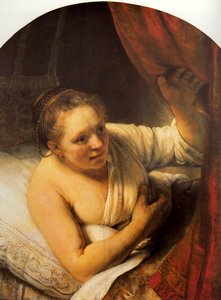
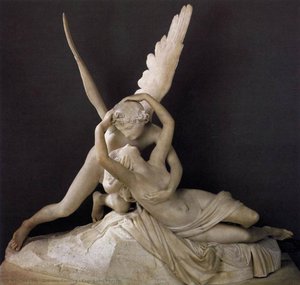
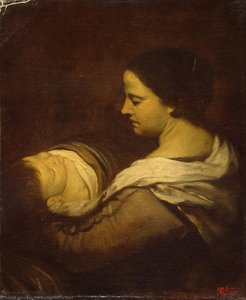
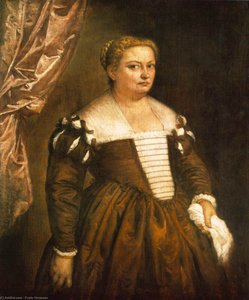
Artist Biography
Antonio Canova: A Life in Marble
- Born: Possagno, Italy (1757)
- Died: 1822
Antonio Canova stands as a towering figure in the history of Western art, widely regarded as the preeminent Neoclassical sculptor. His mastery of marble carving and his ability to infuse classical forms with profound emotion secured his place among the greatest artists of all time. Born in Possagno, Italy, to Pietro Canova, a stonemason, Canova’s early life was shaped by the artistic environment surrounding him.
Early Life and Training
- Family Background: His father's profession provided an initial exposure to stone carving, and his grandfather, Pasino Canova, a sculptor specializing in altars and low reliefs, played a crucial role in nurturing his talent.
- Early Artistic Development: Even before the age of ten, Canova demonstrated remarkable skill, creating small marble shrines that showcased his innate ability. He apprenticed under Giuseppe Bernardi ('Torretto') and Giovanni Ferrari, further honing his skills.
- Academy Studies: His studies at the Accademia di Belle Arti di Venezia yielded numerous prizes, solidifying his reputation as a promising young artist. A workshop within a monastery provided him with space to develop his craft.
- Early Commissions: Early commissions like the statues of Orpheus and Eurydice for Senator Giovanni Falier (1775-1777) demonstrated an emerging Rococo style, foreshadowing his later Neoclassical refinement.
The Rise to Prominence and Neoclassical Style
- Defining Neoclassicism: Canova’s work is characterized by its elegant forms, idealized figures, and a return to the aesthetic principles of ancient Greece and Rome. He skillfully avoided the melodrama of Baroque art while resisting the coldness often associated with earlier attempts at classical revival.
- Key Works & Recognition: Sculptures like Cupid and Psyche (c. 1787-1793), Penitent Magdalene, and Hercules and Lichas established his reputation throughout Europe. His work was highly sought after by royalty and nobility.
- Promoting His Reputation: Canova strategically promoted his career through the publication of engravings of his works and the creation of marble versions of plaster casts, ensuring widespread dissemination of his art.
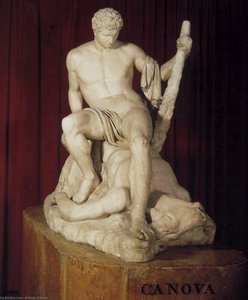
- International Acclaim: Commissions from across Europe, including a statue of Theseus and the Minotaur for Girolamo Zulian (Venetian ambassador to Rome), cemented his status as one of the most celebrated artists in Europe.
Major Works and Legacy
- Notable Sculptures: Beyond those already mentioned, Canova’s significant works include Venus Italica, La Musa Polyhymnia, The Three Graces Dancing, and his poignant depiction of Eurydice.
- Monumental Commissions: He received prestigious commissions for tombs, most notably the elaborate Tomb of Pope Clement XIII in St. Peter's Basilica, Rome – a testament to his skill in both sculpture and architectural design.
- Gipsoteca Antonio Canova: The Gipsoteca Antonio Canova museum houses the most significant collection of his works, providing invaluable insight into his creative process and artistic evolution.
- Influence on Subsequent Generations: Canova’s influence extended far beyond his lifetime, shaping the course of Neoclassical sculpture and inspiring generations of artists with his technical mastery and expressive power.
Historical Significance
- Embodiment of Neoclassicism: Antonio Canova became synonymous with the Neoclassical movement, embodying its ideals of order, clarity, and a return to classical antiquity.
- Court Sculptor & Diplomat: His position as court sculptor to numerous European rulers gave him considerable political influence and allowed him to shape artistic tastes across the continent.
- Technical Innovation: Canova’s unparalleled skill in carving marble pushed the boundaries of what was considered possible, setting a new standard for sculptural excellence.
- Enduring Artistic Legacy: His sculptures continue to captivate audiences worldwide, solidifying his place as one of the most important and influential artists in history.

Antonio Canova
1757 - 1822 , Italy
Quick Facts
- Artistic Movement Or Style: Neoclassicism
- Artists Or Movements Influenced By This Artist: ['Later Neoclassical artists']
- Artists Who Influenced This Artist: ['Late Baroque sculptors']
- Date Of Birth: 1757
- Date Of Death: 1822
- Full Name: Antonio Canova
- Nationality: Italian
- Notable Artworks:
- Cupid and Psyche
- Penitent Magdalene
- Hercules and Lichas
- Theseus and the Minotaur
- The Three Graces Dancing
- Eurydice
- Venere Italica
- Place Of Birth (City And Country): Possagno, Italy

