 Preview
 Send
Send Share
Share
 Details

 Download
 Similars
 X-Ray
X-Ray Diaporama
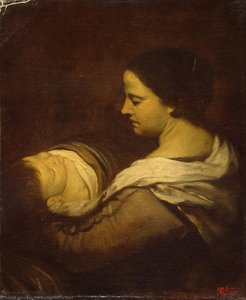
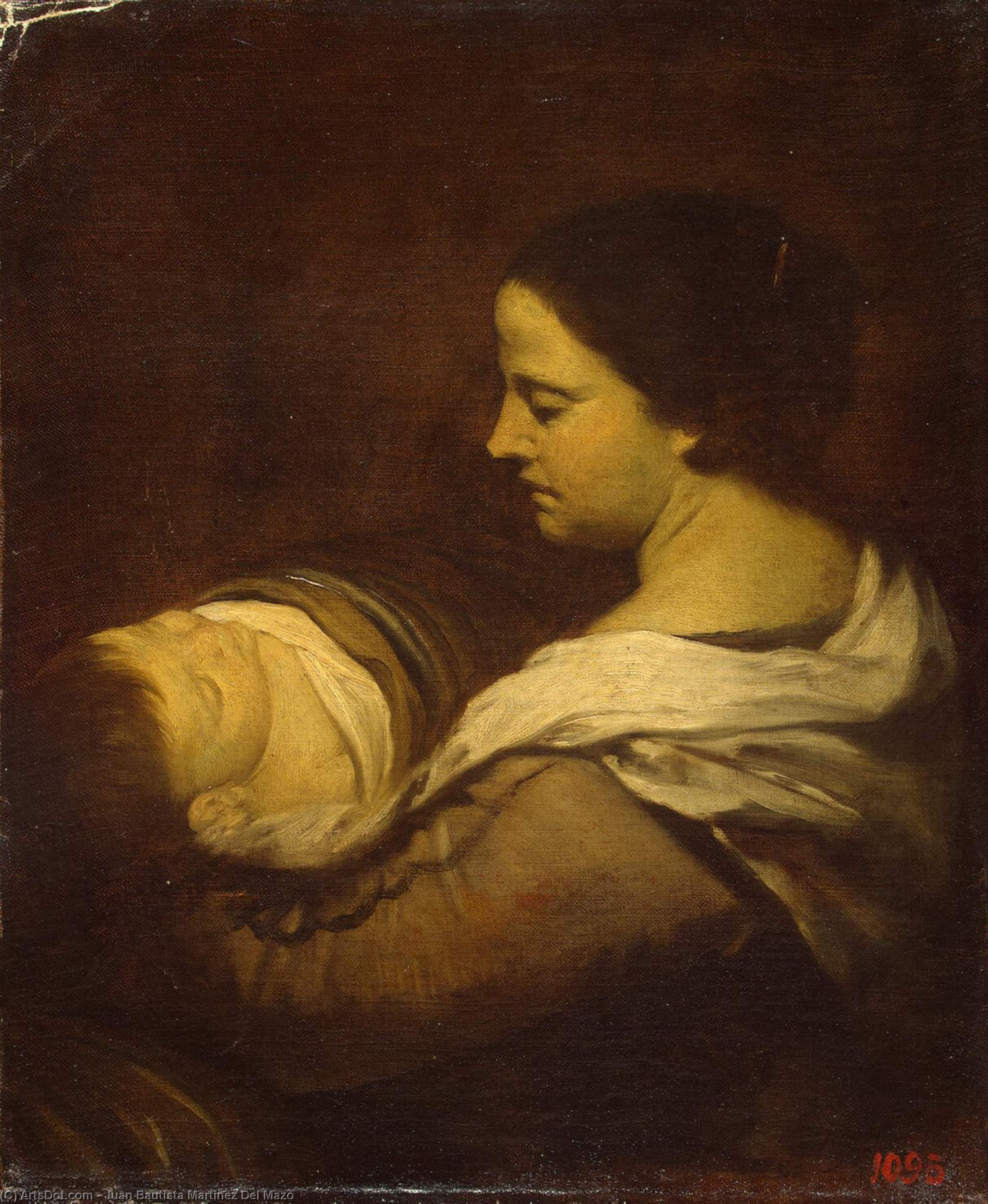
Woman with a Sleeping Child
 Acrylic On Canvas
- WallArt
- Spanish Baroque
 1660
1660 69.0 x 57.0 cm
 Hermitage Museum
 Read More
Hand Made Oil Reproduction
Hand-painted oil on canvas in your size and frame, made to order by our artists. ( Buy Print Buy Image)




































Pick from our preset sizes that match the artwork's original proportions.

You may enter your own dimensions to fit a specific frame or space. If your selected size does not match the original image's proportions, we will either crop the artwork or extend the painting with additional hand-painted elements. A digital mockup will be sent for your approval before production begins.
Please note that the on-screen preview does not reflect the actual cropping or extension. Only the mockup will accurately show the final composition.
While custom sizes are available, we recommend selecting a dimension from the predefined list to preserve the original proportions.
After order, ArtsDot.com team will email client for instructions and provide a mockup preview
Worldwide Delivery () in 3/4 weeks instead of standard 5 weeks. (29 August). No compromise on quality.

Free Worldwide Express Shipping

High-Quality Linen Canvas

Full Shipping Insurance

Customs Tax Refund Guarantee

True Color Matching Guarantee

60-Day Return Policy (Defects Only)

100% Money-Back Guarantee

Bulk Discount Offer
 Glass option is only available in size under 110 CM

Woman with a Sleeping Child
Reproduction Medium
Reproduction Size
-


Total Price
$ 263
Juan Bautista Martínez del Mazo: A Master of Light and Emotion
Juan Bautista Martínez del Mazo (1605 – 1667) stands as a pivotal figure in the Spanish Baroque, largely overshadowed by his illustrious father-in-law, Diego Velázquez. Yet, dismissing him solely as an imitator would diminish the profound originality that characterizes his artistic vision. Unlike Velázquez’s meticulous realism—a calculated pursuit of photographic accuracy—Mazo embraced a more expressive approach, prioritizing emotional resonance alongside skillful observation.
His formative training within Velázquez's workshop undoubtedly instilled invaluable knowledge regarding compositional principles and pigment handling techniques. However, Mazo swiftly transcended mere replication, cultivating a distinctive style marked by luminous color palettes and dynamic brushstrokes. This stylistic divergence wasn’t accidental; it reflected a deeper engagement with the spiritual currents of his time—a desire to convey not just what he saw but how he felt.
The Portraiture of Martínez del Mazo: Capturing Inner Life
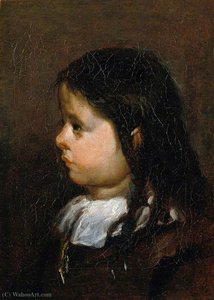
Mazo excelled particularly in portraiture, producing images that delve beyond superficial likenesses to reveal glimpses of psychological complexity. Consider “Woman with Sleeping Child,” a masterpiece executed around 1660 and housed at the Hermitage Museum in St. Petersburg. The painting’s serene atmosphere—achieved through masterful use of chiaroscuro—draws viewers into a contemplative gaze, inviting reflection on themes of motherhood, tenderness, and vulnerability.
The artist skillfully employs subtle tonal gradations to sculpt the woman's face, conveying an understated elegance that transcends mere visual representation. Furthermore, the inclusion of the sleeping child serves as a powerful symbol—representing innocence, peace, and the promise of renewal. Mazo’s meticulous attention to detail—from the folds of fabric to the delicate expression on the infant’s countenance—demonstrates his unwavering commitment to capturing not just appearance but also inner essence.
Technique and Style: Light as Revelation
Mazo's technique was characterized by a deliberate manipulation of light, mirroring the Baroque fascination with dramatic illumination. He favored glazing techniques—applying thin layers of translucent pigment over underlying colors—to create shimmering surfaces that seemed to radiate inner radiance. This approach allowed him to achieve remarkable luminosity and depth, surpassing the limitations of conventional oil painting.
Unlike Velázquez’s restrained palette—often favoring muted hues—Mazo embraced bolder color combinations, injecting vibrancy into his canvases. However, he never sacrificed tonal harmony or compositional balance; rather, he skillfully integrated expressive color within a framework of meticulous observation. The resulting images possessed an undeniable emotional impact—stirring viewers with their beauty and conveying profound spiritual truths.
Notable Works Beyond St. Petersburg
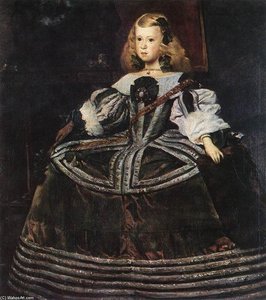
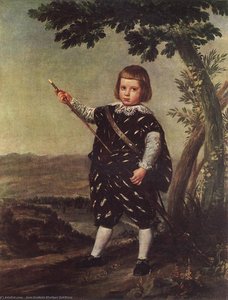
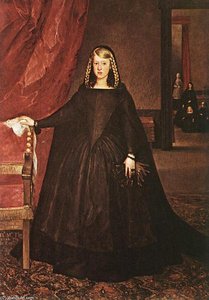
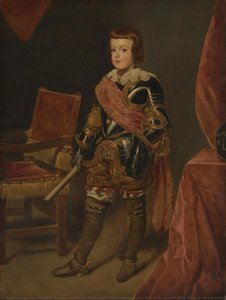
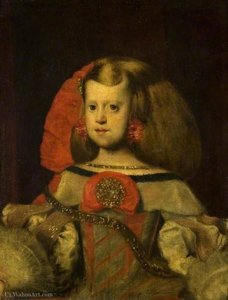
Beyond “Woman with Sleeping Child,” Martínez del Mazo produced numerous other celebrated paintings, including “Infanta Don Baltazar” and “Portrait of the Infanta Margarita.” These works exemplify his mastery of portraiture—capturing not merely physical likenesses but also conveying nuanced psychological portraits.
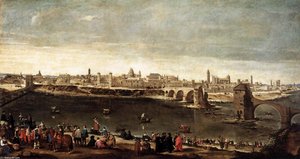
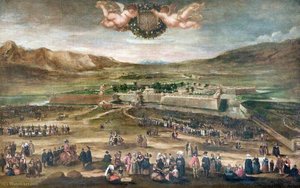
“View of Zaragoza,” completed in 1547, showcases Mazo’s ability to render landscapes with breathtaking realism—employing atmospheric perspective and meticulous detail to recreate the grandeur of the Aragonese cityscape. These paintings stand as testament to Martínez del Mazo's enduring legacy—a beacon of artistic innovation within the Baroque tradition.
Conclusion: An Artist Ahead of His Time
Juan Bautista Martínez del Mazo’s oeuvre represents a singular contribution to Spanish Baroque art—a synthesis of meticulous observation and expressive emotion. He wasn’t merely an adept follower; he was a visionary interpreter, forging a path that distinguished him from his contemporaries and securing his place among the most revered masters of his era.
Related Artworks

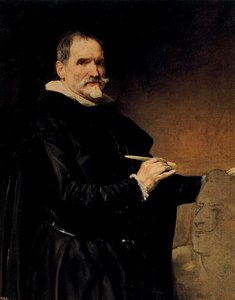
Artist Biography
A Life in the Shadow of Velázquez, and Beyond
Juan Bautista Martínez del Mazo occupies a fascinating, often understated position within the pantheon of Spanish Baroque masters. Born around 1605-1612 – the precise date and location remain debated between Cuenca and Madrid – his artistic trajectory was inextricably linked to that of his celebrated father-in-law, Diego Velázquez. Yet, to define Mazo solely as a follower would be a disservice to his own considerable talent and evolving style. He wasn’t merely an imitator; he was a sensitive interpreter, capable of absorbing Velázquez's innovations while simultaneously forging a path that revealed glimpses of a distinct artistic personality. Details surrounding his early life are scarce, but it is widely believed he received formative training within Velázquez’s workshop, gaining invaluable exposure to the techniques and aesthetic principles governing the Spanish court. This apprenticeship laid the foundation for a career deeply rooted in naturalism, meticulous observation, and an increasingly vibrant palette.Marriage, Patronage, and Royal Favor
A pivotal moment arrived in 1633 with his marriage to Francisca de Silva Velázquez y Pacheco, Velázquez’s only surviving daughter. This union wasn't simply a personal alliance; it was a strategic move that secured Mazo’s position within the royal circle and opened doors to unprecedented patronage. Shortly thereafter, in 1634, Velázquez skillfully facilitated Mazo’s appointment as Usher of the King's Chamber – a prestigious role signifying royal favor and providing direct access to commissions. Throughout his career, Velázquez actively championed Mazo, securing further appointments and opportunities for him and his family. This unwavering support allowed Mazo to flourish within the constraints of courtly life, developing his skills while navigating the complex dynamics of artistic production under royal scrutiny. It’s a testament to both men's character that such a supportive relationship thrived amidst the competitive world of 17th-century art.Artistic Development and Influences
Mazo’s early work is understandably marked by a close emulation of Velázquez’s style – a masterful handling of light, shadow, and texture, coupled with an ability to capture the psychological depth of his sitters. He excelled in portraiture, demonstrating a keen eye for likeness and a sensitivity to subtle nuances of expression. However, as his career progressed, Mazo began to distinguish himself through his landscapes and hunting scenes, revealing a developing personal style that emphasized detail and observation. His celebrated View of Saragossa (1646) exemplifies this shift, showcasing a more vibrant color palette and a greater emphasis on depicting the bustling activity within a landscape setting. Beyond Velázquez, Mazo’s artistic sensibilities were shaped by a broader range of influences, including the Venetian masters – Titian, Tintoretto, and Veronese – whose use of color and dramatic composition left an indelible mark on his work. He also drew inspiration from Flemish painters like Paul de Vos, Rubens, and Jordaens, incorporating elements of their dynamic compositions and lively figural arrangements into his own artistic vocabulary.Major Works and Lasting Legacy
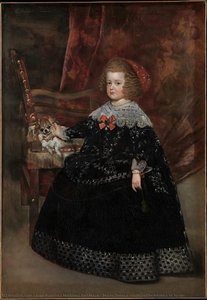
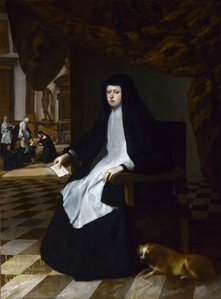
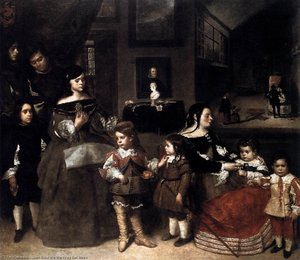
Attributing works definitively to Mazo remains a challenge, as he rarely signed his paintings – a practice that contributed to historical confusion with Velázquez’s oeuvre. Nevertheless, several paintings are now confidently attributed to him, offering valuable insights into his artistic range and development. Portrait of Queen Mariana in Mourning Dress (National Gallery, London) is a striking example of his ability to convey emotional depth through subtle gestures and expressive brushwork. The Family of the Painter (Kunsthistorisches Museum, Vienna), often compared to Velázquez’s Las Meninas, provides a fascinating glimpse into Mazo’s domestic life and artistic circle. His historical significance extends beyond his individual achievements; he served as a crucial conduit for Velázquez's legacy, faithfully preserving and transmitting many of his techniques and stylistic innovations to subsequent generations of Spanish artists. Modern art criticism has played a vital role in disentangling the works of these two masters, allowing for a more nuanced appreciation of Mazo’s unique contributions to the rich tapestry of Spanish Baroque painting. He wasn’t simply *in* Velázquez's shadow; he helped ensure that light continued to shine on the artistic achievements of his era and beyond.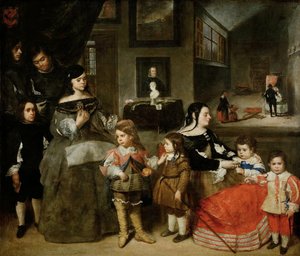
Juan Bautista Martínez del Mazo
1605 - 1667 , Spain
Quick Facts
- Artistic Movement Or Style: Spanish Baroque
- Artists Or Movements Influenced By This Artist: ['Spanish artists']
- Artists Who Influenced This Artist:
- Diego Velázquez
- Tintoretto
- Titian
- Rubens
- Date Of Birth: c. 1605-1612
- Date Of Death: 1667
- Full Name: Juan Bautista Martínez del Mazo
- Nationality: Spanish
- Notable Artworks:
- View of Saragossa
- Portrait of Queen Mariana
- The Family of the Painter
- Place Of Birth: Cuenca, Spain
Related Articles
Prado Masterpieces: Explore 25 Iconic Artworks & Bring Spanish Beauty Home
Journey through 25 Prado Museum masterpieces! Explore Velázquez, Goya & El Greco's iconic Spanish art. Discover the stories behind these timeless paintings and find museum-quality reproductions for your home at ArtsDot.com.

The Golden Age Reforged: Dramatic Realism & Religious Zeal in Spanish Baroque Art
Explore the dramatic world of Spanish Baroque art! Discover masters like Zurbarán & the powerful influence of religious zeal on painting techniques – a guide for collectors and enthusiasts.

The Dramatic Flourish: Exploring the Baroque Movement's Enduring Legacy in Art History
Explore the dramatic world of Baroque art! Discover iconic artists like Caravaggio & Rubens, defining techniques, and its lasting impact on art history. Expert insights for collectors & enthusiasts at ArtsDot.

Baroque Drama: Bringing Opulence & Emotion into Contemporary Interiors
Explore the opulent world of Baroque interior design! Discover key elements, modern applications & how to bring dramatic elegance into your home with 's authentic reproductions.

Baroque Masterpieces: 10 Paintings That Defined an Era |
Journey through the drama & grandeur of Baroque art! Explore 10 masterpieces by Caravaggio, Rembrandt, Rubens & more. Discover stunning oil paintings, rich colors & timeless stories. Find museum-quality reproductions at .