 Preview
 Send
Send Share
Share
 Details

 Download
 Similars
 X-Ray
X-Ray Diaporama
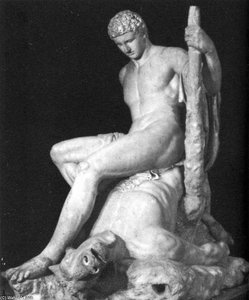
Theseus and the Minotaur
 Neoclassical Sculpture
 1781
1781 145.0 x 158.0 cm
 Victoria and Albert Museum
 Read More
Hand Made Oil Reproduction
Hand-painted oil on canvas in your size and frame, made to order by our artists. ( Buy Print Buy Image)




P118B $10

P118H $10

P118W $10

P438Z $10

P508JH $12

P508YH $12

P805H $10

P805Z $10

P919BZ $10

P919G $10

P919XJ $10

P959ZH $10

P968JZ $12

W106C $8

W218G $10

W218JH $8

W218Y $10

W307PJ $10

W316G $10

W316PJ $8

W316Y $10

W398PJ $8

W4111J $10

W500HY $15

W500JH $15

W692G $12

W849H $8

W940BG $15

W953PJ $8




Pick from our preset sizes that match the artwork's original proportions.

You may enter your own dimensions to fit a specific frame or space. If your selected size does not match the original image's proportions, we will either crop the artwork or extend the painting with additional hand-painted elements. A digital mockup will be sent for your approval before production begins.
Please note that the on-screen preview does not reflect the actual cropping or extension. Only the mockup will accurately show the final composition.
While custom sizes are available, we recommend selecting a dimension from the predefined list to preserve the original proportions.
After order, ArtsDot.com team will email client for instructions and provide a mockup preview
Worldwide Delivery () in 3/4 weeks instead of standard 5 weeks. (19 August). No compromise on quality.

Free Worldwide Express Shipping

High-Quality Linen Canvas

Full Shipping Insurance

Customs Tax Refund Guarantee

True Color Matching Guarantee

60-Day Return Policy (Defects Only)

100% Money-Back Guarantee

Bulk Discount Offer
 Glass option is only available in size under 110 CM

Theseus and the Minotaur
Reproduction Medium
Reproduction Size
-


Total Price
$ 288
Artwork Description
The Narrative Power of Stone: Antonio Canova’s ‘Theseus and the Minotaur’
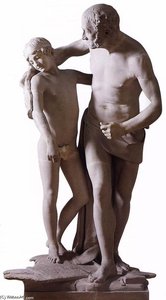
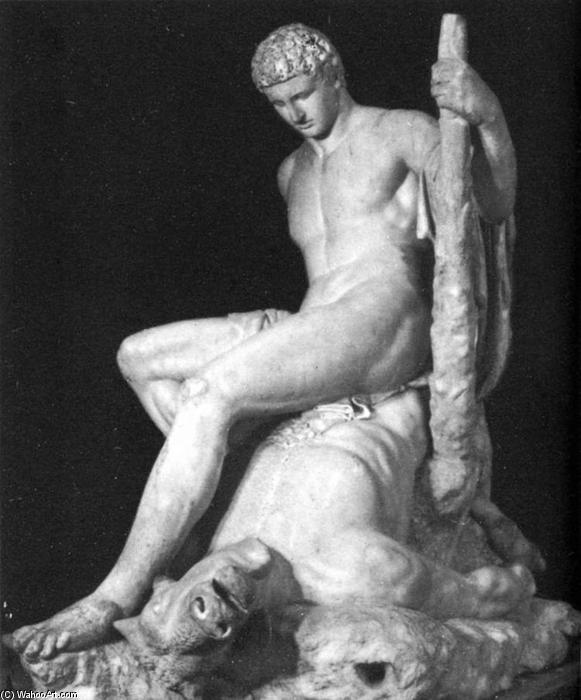
Antonio Canova's “Theseus and the Minotaur,” a monumental marble sculpture completed in 1782, isn’t merely a depiction of Greek myth; it’s a profound meditation on victory, sacrifice, and the enduring struggle between order and chaos. This artwork, now housed within the Victoria and Albert Museum in London, transcends its classical subject matter to resonate with viewers centuries later through its masterful execution and deeply layered symbolism. Canova, already establishing himself as the preeminent sculptor of his era, delivers a scene brimming with dramatic tension—a moment frozen in time where the hero’s triumph is tempered by the tragic defeat of his monstrous foe.
The sculpture immediately commands attention through its sheer scale and the exquisite detail of the marble. Canova's skill lies not just in replicating the forms of human and animal anatomy with breathtaking accuracy, but in imbuing them with a palpable sense of emotion. Theseus, seated atop the fallen Minotaur, is rendered with muscular strength and a resolute expression—a testament to his victory. Yet, there’s also an underlying solemnity, a recognition of the cost of triumph. The Minotaur, sprawled in exhaustion or perhaps death, embodies defeat, his massive form conveying both vulnerability and primal power. The smooth, polished surface of the marble itself contributes significantly to the work's impact; it reflects light subtly, creating delicate shadows that define the figures’ contours and heighten their dramatic presence.
Neoclassical Ideals: Form, Composition, and Light
“Theseus and the Minotaur” is a quintessential example of Neoclassicism. Canova meticulously adheres to the principles established by artists like Michelangelo – prioritizing idealized forms, balanced compositions, and a clear narrative. The sculpture’s composition is remarkably centered, drawing the viewer's eye directly from Theseus’s victorious posture towards the defeated Minotaur. This deliberate arrangement reinforces the story’s central theme: the triumph of reason and civilization over barbarity. The use of lines is primarily defined by the curves and contours of the figures, creating a dynamic sense of movement despite the sculpture's stillness. The dark background serves to accentuate the lightness and luminosity of the marble, further emphasizing the heroic drama.
Furthermore, Canova’s masterful manipulation of light and shadow adds depth and realism to the scene. The subtle variations in tone across the marble surface create a sense of volume and texture, while strategically placed highlights draw attention to key details—the musculature of Theseus's body, the contours of the Minotaur’s form, and the laurel wreath adorning Theseus’s head – a potent symbol of victory and honor. The sculpture’s perspective is relatively straightforward, offering a comprehensive view of both figures, while depth is achieved through layering forms and the interplay of light and shadow.
Symbolism and Myth: A Story of Heroic Conflict
At its core, “Theseus and the Minotaur” tells the story of Athenian hero Theseus’s legendary slaying of the monstrous Minotaur within the Labyrinth. The myth itself is rich in symbolism – representing the triumph of order over chaos, civilization over savagery, and the heroic journey against overwhelming odds. The laurel wreath on Theseus's head serves as a clear visual marker of his victory, echoing the traditional symbols of honor and achievement. Conversely, the prone position of the Minotaur signifies defeat, exhaustion, or even death – a poignant reminder of the consequences of unchecked power.
Beyond its mythological narrative, the sculpture can be interpreted as an allegory for human conflict and the struggle to overcome adversity. Theseus embodies courage, intelligence, and strategic thinking—qualities essential for navigating life’s challenges. The Minotaur represents the forces of darkness, ignorance, and destruction that threaten to overwhelm us. Canova's ability to capture this complex interplay of opposing forces within a single, breathtaking sculpture is what elevates “Theseus and the Minotaur” beyond mere historical representation; it becomes a timeless meditation on the human condition.
Related Artworks
Artist Biography
Antonio Canova: A Life in Marble
- Born: Possagno, Italy (1757)
- Died: 1822
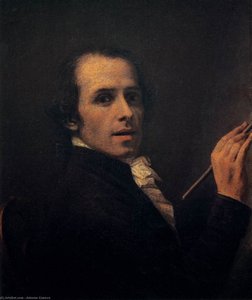
Antonio Canova stands as a towering figure in the history of Western art, widely regarded as the preeminent Neoclassical sculptor. His mastery of marble carving and his ability to infuse classical forms with profound emotion secured his place among the greatest artists of all time. Born in Possagno, Italy, to Pietro Canova, a stonemason, Canova’s early life was shaped by the artistic environment surrounding him.
Early Life and Training
- Family Background: His father's profession provided an initial exposure to stone carving, and his grandfather, Pasino Canova, a sculptor specializing in altars and low reliefs, played a crucial role in nurturing his talent.
- Early Artistic Development: Even before the age of ten, Canova demonstrated remarkable skill, creating small marble shrines that showcased his innate ability. He apprenticed under Giuseppe Bernardi ('Torretto') and Giovanni Ferrari, further honing his skills.
- Academy Studies: His studies at the Accademia di Belle Arti di Venezia yielded numerous prizes, solidifying his reputation as a promising young artist. A workshop within a monastery provided him with space to develop his craft.
- Early Commissions: Early commissions like the statues of Orpheus and Eurydice for Senator Giovanni Falier (1775-1777) demonstrated an emerging Rococo style, foreshadowing his later Neoclassical refinement.
The Rise to Prominence and Neoclassical Style
- Defining Neoclassicism: Canova’s work is characterized by its elegant forms, idealized figures, and a return to the aesthetic principles of ancient Greece and Rome. He skillfully avoided the melodrama of Baroque art while resisting the coldness often associated with earlier attempts at classical revival.
- Key Works & Recognition: Sculptures like Cupid and Psyche (c. 1787-1793), Penitent Magdalene, and Hercules and Lichas established his reputation throughout Europe. His work was highly sought after by royalty and nobility.
- Promoting His Reputation: Canova strategically promoted his career through the publication of engravings of his works and the creation of marble versions of plaster casts, ensuring widespread dissemination of his art.
- International Acclaim: Commissions from across Europe, including a statue of Theseus and the Minotaur for Girolamo Zulian (Venetian ambassador to Rome), cemented his status as one of the most celebrated artists in Europe.
Major Works and Legacy
- Notable Sculptures: Beyond those already mentioned, Canova’s significant works include Venus Italica, La Musa Polyhymnia, The Three Graces Dancing, and his poignant depiction of Eurydice.
- Monumental Commissions: He received prestigious commissions for tombs, most notably the elaborate Tomb of Pope Clement XIII in St. Peter's Basilica, Rome – a testament to his skill in both sculpture and architectural design.
- Gipsoteca Antonio Canova: The Gipsoteca Antonio Canova museum houses the most significant collection of his works, providing invaluable insight into his creative process and artistic evolution.
- Influence on Subsequent Generations: Canova’s influence extended far beyond his lifetime, shaping the course of Neoclassical sculpture and inspiring generations of artists with his technical mastery and expressive power.
Historical Significance
- Embodiment of Neoclassicism: Antonio Canova became synonymous with the Neoclassical movement, embodying its ideals of order, clarity, and a return to classical antiquity.
- Court Sculptor & Diplomat: His position as court sculptor to numerous European rulers gave him considerable political influence and allowed him to shape artistic tastes across the continent.
- Technical Innovation: Canova’s unparalleled skill in carving marble pushed the boundaries of what was considered possible, setting a new standard for sculptural excellence.
- Enduring Artistic Legacy: His sculptures continue to captivate audiences worldwide, solidifying his place as one of the most important and influential artists in history.
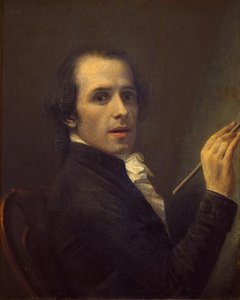
Antonio Canova
1757 - 1822 , Italy
Quick Facts
- Artistic Movement Or Style: Neoclassicism
- Artists Or Movements Influenced By This Artist: ['Later Neoclassical artists']
- Artists Who Influenced This Artist: ['Late Baroque sculptors']
- Date Of Birth: 1757
- Date Of Death: 1822
- Full Name: Antonio Canova
- Nationality: Italian
- Notable Artworks:
- Cupid and Psyche
- Penitent Magdalene
- Hercules and Lichas
- Theseus and the Minotaur
- The Three Graces Dancing
- Eurydice
- Venere Italica
- Place Of Birth (City And Country): Possagno, Italy
Related Articles
The Enduring Allure of Marble in Art History: From Classical Sculpture to Modern Abstraction
Explore the captivating history of marble sculpture from ancient Greece to modern art. Discover renowned artists like Canova & Michelangelo, carving techniques, and investment insights at ArtsDot.
Antonio Canova: Neoclassical Sculpture & the Pursuit of Emotional Perfection
Explore the life & art of Antonio Canova, the greatest Neoclassical sculptor. Discover his masterpieces, innovative techniques, and lasting influence on fine art collecting. Expert insights for discerning investors.

Bronze Sculptures That Defined Art History | ArtsDot
Journey through art history with our Top 10 bronze sculptures! Explore masterpieces by Rodin, Michelangelo & more. Discover stories behind iconic statues and find museum-quality reproductions for your home decor at ArtsDot.com.

The Enduring Form: Exploring Themes & Techniques in Sculpture Across Historical Periods
Explore the rich history of sculpture from ancient masterpieces to contemporary innovations. Discover key techniques, influential artists & investment potential for discerning art collectors.
The Enduring Form: Sculpture Across History, Technique & Emotional Resonance
Explore the rich history of sculpture with ArtsDot. Discover key techniques, influential artists & investment potential for discerning collectors. Expert insights into valuing and collecting timeless masterpieces.