 Preview
 Send
Send Share
Share
 Details

 Download
 Similars
 X-Ray
X-Ray Diaporama
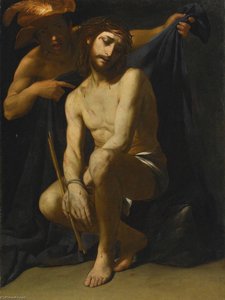
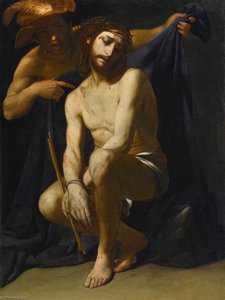
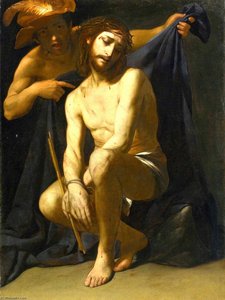
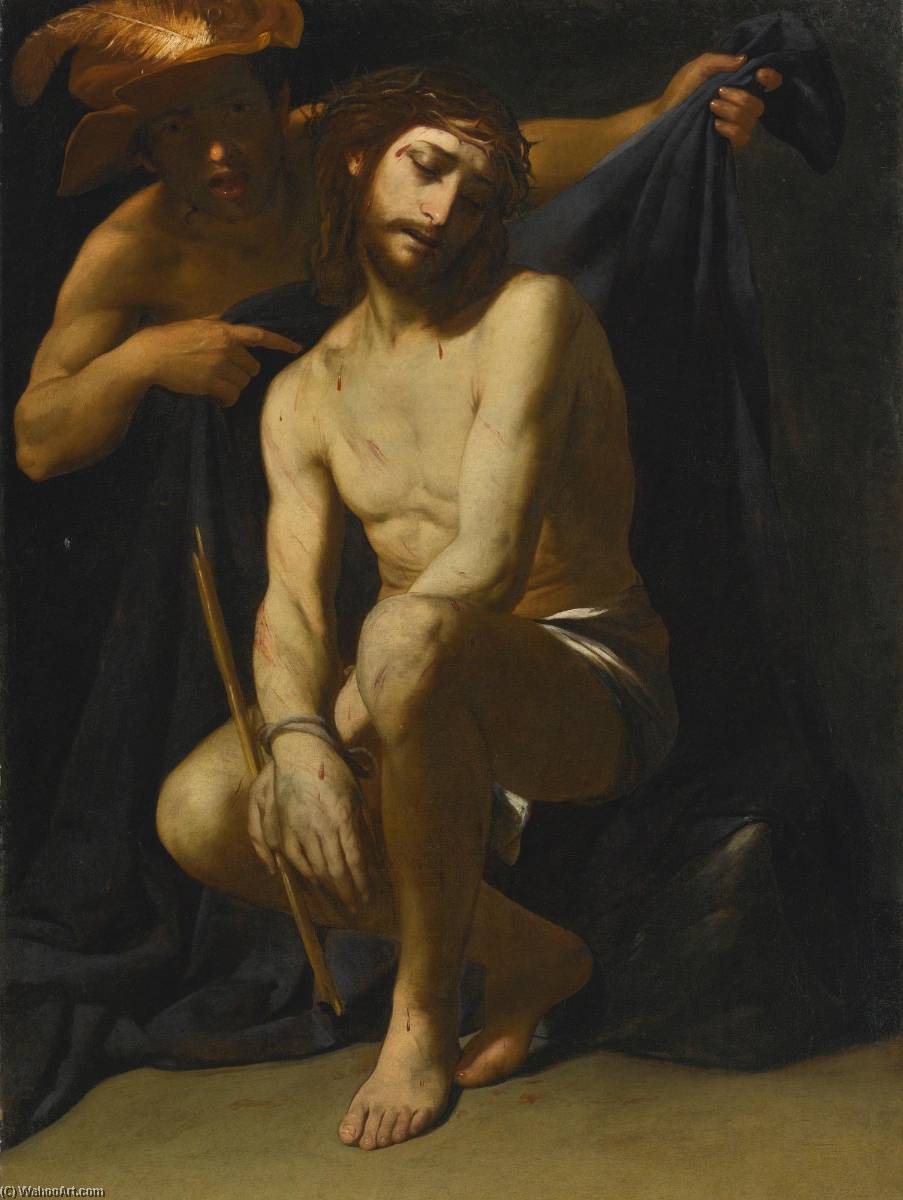
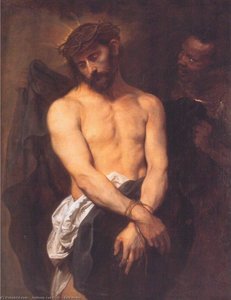
The mocking of Christ
 Baroque
 129.0 x 97.0 cm
 Read More
Hand Made Oil Reproduction
Hand-painted oil on canvas in your size and frame, made to order by our artists. ( Buy Print Buy Image)




P118B $10

P118H $10

P118W $10

P438Z $10

P508JH $12

P508YH $12

P805H $10

P805Z $10

P919BZ $10

P919G $10

P919XJ $10

P959ZH $10

P968JZ $12

W106C $8

W218G $10

W218JH $8

W218Y $10

W307PJ $10

W316G $10

W316PJ $8

W316Y $10

W398PJ $8

W4111J $10

W500HY $15

W500JH $15

W692G $12

W849H $8

W940BG $15

W953PJ $8




Pick from our preset sizes that match the artwork's original proportions.

You may enter your own dimensions to fit a specific frame or space. If your selected size does not match the original image's proportions, we will either crop the artwork or extend the painting with additional hand-painted elements. A digital mockup will be sent for your approval before production begins.
Please note that the on-screen preview does not reflect the actual cropping or extension. Only the mockup will accurately show the final composition.
While custom sizes are available, we recommend selecting a dimension from the predefined list to preserve the original proportions.
After order, ArtsDot.com team will email client for instructions and provide a mockup preview
Worldwide Delivery () in 3/4 weeks instead of standard 5 weeks. (17 August). No compromise on quality.

Free Worldwide Express Shipping

High-Quality Linen Canvas

Full Shipping Insurance

Customs Tax Refund Guarantee

True Color Matching Guarantee

60-Day Return Policy (Defects Only)

100% Money-Back Guarantee

Bulk Discount Offer
 Glass option is only available in size under 110 CM

The mocking of Christ
Reproduction Medium
Reproduction Size
-


Total Price
$ 263
Artwork Description
A Harrowing Scene: Unveiling Antonio de Bellis' "Mocking of Christ"
This powerful oil painting by Antonio de Bellis depicts a pivotal moment in Christian tradition – the mocking of Jesus prior to his crucifixion. The scene is rendered with stark realism, characteristic of the Baroque period and heavily influenced by Caravaggio’s dramatic style. Two figures dominate the foreground, their expressions conveying cruelty and derision as they taunt Christ, who is partially obscured by a cloth covering his head. A third figure points accusingly, while another wears a hat, adding to the unsettling atmosphere. The inclusion of three indistinct figures in the background suggests a larger crowd complicit in this act of humiliation, further amplifying the sense of injustice and suffering. Notably, the presence of an object resembling a baseball bat on the ground introduces a curious element that warrants deeper consideration – perhaps a symbolic representation of contemporary brutality or simply a detail reflecting the artist's observational skill.Baroque Drama and Caravaggesque Influence
De Bellis, active in Naples during the 17th century alongside masters like Ribera, Cavallino, and Stanzioni, was deeply impacted by Caravaggio’s revolutionary use of *chiaroscuro* – the dramatic contrast between light and shadow. This technique is vividly employed here to highlight the faces of the tormentors, emphasizing their expressions of malice while shrouding Christ in a veil of darkness. The painting's composition is dynamic, drawing the viewer's eye directly to the central figures and immersing them in the emotional intensity of the moment. The Baroque style, known for its theatricality and emotional fervor, finds full expression in this work, aiming not just to depict an event but to evoke a profound response within the observer.Historical Context and Religious Symbolism
Painted during a period of intense religious devotion and artistic innovation, "Mocking of Christ" reflects the Counter-Reformation's emphasis on emotional engagement with biblical narratives. The scene itself is drawn from the Passion story, representing a moment of profound suffering and humiliation endured by Jesus before his crucifixion. Beyond the literal depiction, the painting carries significant symbolic weight. The cloth covering Christ’s head alludes to his vulnerability and the loss of dignity he suffered. The gestures of the mocking figures represent human cruelty and indifference towards divine suffering. De Bellis' work serves as a poignant meditation on faith, sacrifice, and the enduring power of religious iconography.Emotional Impact and Artistic Legacy
"Mocking of Christ" is not merely a historical depiction; it’s an emotionally charged portrayal of human cruelty and divine suffering. The artist masterfully captures the psychological tension of the scene, prompting viewers to confront uncomfortable truths about human nature and the cost of faith. De Bellis' ability to convey such raw emotion through his brushstrokes solidified his place among the leading Neapolitan Baroque painters. Owning a reproduction of this artwork offers an opportunity to bring a piece of profound religious history and artistic brilliance into your space, sparking contemplation and admiration for De Bellis’ skill and vision.Related Artworks

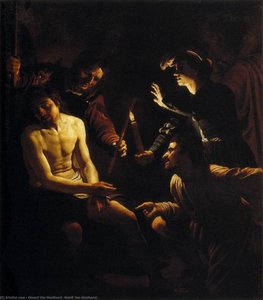
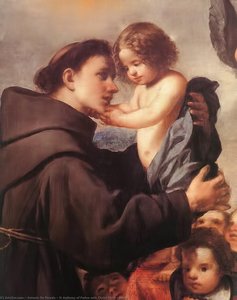
Artist Biography
Antonio de Bellis (c. 1616 – c. 1656): A Naples Baroque Visionary
Antonio de Bellis (c. 1616 – c. 1656) remains a shadowy figure in the annals of Baroque art, yet his impact on Neapolitan painting is undeniable. Despite scant biographical details—primarily gleaned from Bernardo de’ Dominici—scholarly research has illuminated a remarkable artistic trajectory marked by profound influence and stylistic innovation. He stands alongside luminaries like Jusepe de Ribera, Bernardo Cavallino, and Massimo Stanzione as one of the foremost artists shaping Naples' visual landscape during its golden age.Early Life and Artistic Training
Little is known about Antonio de Bellis’s birthdate or family background. However, Dominici suggests he was born around 1616 in Naples, a city already brimming with artistic fervor thanks to Caravaggio’s transformative presence. De Bellis' formative years were spent under the tutelage of Massimo Stanzione, arguably his most significant mentor. Stanzione’s meticulous realism and masterful use of chiaroscuro—the dramatic interplay between light and dark—served as a cornerstone for de Bellis’s artistic development, shaping his distinctive visual vocabulary.The Influence of Caravaggio
Caravaggio's revolutionary approach to painting – characterized by tenebrism, intense naturalism, and psychological depth – exerted an indelible mark on de Bellis’s oeuvre. This influence is particularly evident in his early works, notably the cycle depicting St. Charles Borromeo, where he skillfully replicates Caravaggio’s dramatic lighting effects and emotive portrayal of human figures. The artist's stylistic choices mirrored those of Ribera, whose unflinching realism and expressive brushwork further solidified de Bellis’s artistic identity.Notable Works and Artistic Style
De Bellis’s artistic style is defined by a remarkable blend of observation and invention. He meticulously rendered anatomical detail with unwavering accuracy—a hallmark of Ribera—yet infused his canvases with dynamism and psychological nuance, anticipating the expressive tendencies of later Baroque painters. His paintings are distinguished by their masterful use of chiaroscuro, creating powerful visual narratives that convey profound spiritual contemplation. Among de Bellis’s most celebrated achievements include:- St. Charles Borromeo Giving Communion to Victims of the Plague (Naples): This monumental altarpiece exemplifies his ability to capture both grandeur and pathos, reflecting Caravaggio's influence in its dramatic lighting and emotive depiction of religious devotion.
- St. Sebastian Tended by St. Irene (Paris): Demonstrating a refined formal elegance reminiscent of Stanzione’s style, this painting showcases de Bellis’s mastery of composition and color harmony.
- The Finding of Moses (London): A testament to his unwavering commitment to naturalism and expressive brushwork, this masterpiece embodies the spirit of Naples Baroque art.
Legacy and Historical Significance
Antonio de Bellis's contribution to Neapolitan Baroque painting is significant not only for its stylistic innovations but also for its embodiment of the era’s humanist ideals. His works continue to inspire admiration for their technical brilliance and emotional resonance, securing his place as one of Naples’s most enduring artistic treasures. Further research into his life and artistic practice promises to deepen our understanding of this enigmatic Baroque visionary.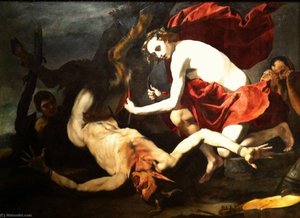
antonio de bellis
1616 - 1656
Quick Facts
- Artistic Movement Or Style: Baroque
- Artists Or Movements Influenced By This Artist:
- Hendrik Terbrugghen
- Georges de La Tour
- Artists Who Influenced This Artist:
- Caravaggio
- Jusepe de Ribera
- Massimo Stanzione
- Date Of Birth: c. 1616
- Date Of Death: c. 1656
- Full Name: Antonio de Bellis
- Nationality: Italian
- Notable Artworks:
- Mocking of Christ
- St Catherine Alexandria
- Flaying Marsyas Apollo
- Place Of Birth: Naples
Related Articles

Demandes Commerciales
APS ofrece reproducciones de bellas artes y encargos personalizados desde 2004. Confían en nosotros corporaciones, hoteles y coleccionistas selectos para obras de arte de calidad museística, servicio discreto y soluciones artísticas completas. ¡Póngase en contacto con nosotros para obtener un presupuesto personalizado!

Goya's Masterpieces: Explore 25 Iconic Paintings & Art Prints | ArtsDot
Delve into the world of Francisco Goya with ArtsDot. Explore 25 iconic paintings – from 'The Third of May' to his haunting Black Paintings. Discover the stories, techniques & emotions behind these Spanish masterpieces. Find museum-quality art reproductions for your home at ArtsDot.com!

A riguardo di noi
Découvrez notre histoire ! Nous apportons l'art de classe mondiale dans votre vie grâce à une sélection experte, des créations personnalisées et des aperçus gratuits. Approuvé par les particuliers et les entreprises depuis 2000.

Baroque Masterpieces: 10 Paintings That Defined an Era |
Journey through the drama & grandeur of Baroque art! Explore 10 masterpieces by Caravaggio, Rembrandt, Rubens & more. Discover stunning oil paintings, rich colors & timeless stories. Find museum-quality reproductions at .

Baroque Drama: Bringing Opulence & Emotion into Contemporary Interiors
Explore the opulent world of Baroque interior design! Discover key elements, modern applications & how to bring dramatic elegance into your home with 's authentic reproductions.