 Preview
 Send
Send Share
Share
 Details

 Download
 Similars
 X-Ray
X-Ray Diaporama
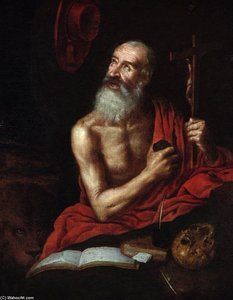
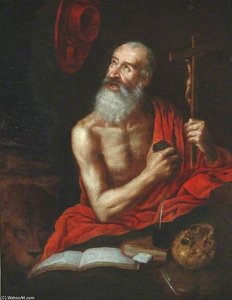
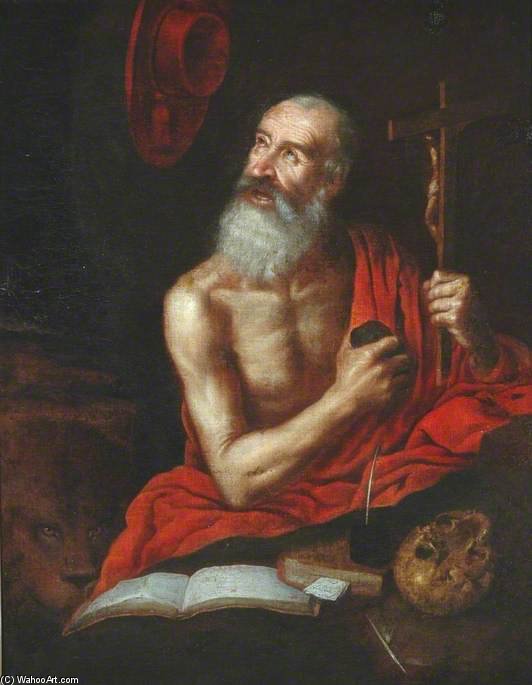
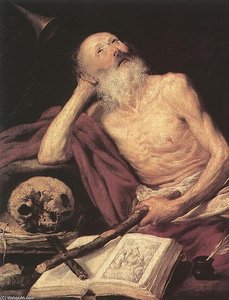
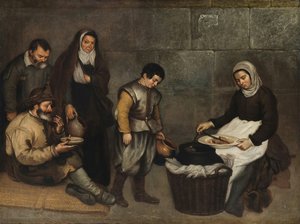
Saint Jerome
 Read More
Giclée / Art Print
Museum-quality giclée or canvas print with fast production and flexible finish options. ( Buy Hand Made Painting Buy Image)




































Pick from our preset sizes that match the artwork's original proportions.

You may enter your own dimensions to fit a specific frame or space. If your selected size does not match the original image's proportions, we will either crop the artwork or extend the image with a mirrored or solid-fill edge. A digital mockup will be sent for your approval before production begins.
Please note that the on-screen preview does not reflect the actual cropping or extension. Only the mockup will accurately show the final composition.
While custom sizes are available, we recommend selecting a dimension from the predefined list to preserve the original proportions.
Worldwide Delivery () in 2 weeks instead of standard 4/5 weeks. (18 August)

Free Worldwide Express Shipping

High-Quality Linen Canvas

Full Shipping Insurance

Customs Tax Refund Guarantee

True Color Matching Guarantee

60-Day Return Policy (Defects Only)

100% Money-Back Guarantee

Bulk Discount Offer
 Glass option is only available in size under 110 CM

Saint Jerome
Giclée / Art Print
Reproduction Size
-


Total Price
$ 63
Related Artworks
Artist Biography
The Resilient Voice of Galician Baroque
Antonio de Puga (1602 – 1648) stands as a singular figure in Spanish Baroque art, largely obscured by the shadow of his contemporaries yet possessing a distinctive artistic voice that resonates with remarkable detail and psychological insight. Born in Orense, Galicia, he emerged from a region historically underserved by artistic patronage, marking him as an exceptional talent whose career defied conventional expectations. While many artists of his era sought fame through established academies, Puga’s journey was one of grit and profound intellectual curiosity, carving out a space for himself within the most prestigious circles of the Spanish Court.
The early years of Puga's life remain shrouded in much of the mystery that often surrounds masters of the seventeenth century. However, through the meticulous scholarship of Maria Luisa Caturla, we have begun to piece together a clearer portrait of his formative period. His lineage was humble—the son of a local tailor—yet his ambitions were nothing short of royal. Documents from 1635 reveal that he worked under the direction of the esteemed Eugenio Caxés, contributing to the grand decoration of the Hall of Realms in the Buen Retiro Palace. This early engagement with such monumental projects suggests that Puga was not merely a provincial painter but a vital participant in the most significant artistic endeavors of the Spanish Golden Age.
A Mastery of Narrative and Nobility
Puga’s artistic output is characterized by a profound ability to blend dramatic historical narrative with the dignified stillness of portraiture. His oeuvre frequently focused on the powerful figures of his time, including the Counts of Lemos and the Duke of Aricoste, for whom he executed numerous commissions that captured both their social stature and their individual humanity. There is a palpable tension in his work, a hallmark of the Baroque style, where light and shadow dance across the canvas to evoke a sense of movement and psychological depth.
Beyond the faces of the nobility, Puga demonstrated a remarkable command over landscape and complex historical compositions. His involvement in the decoration of the Buen Retiro Palace allowed him to experiment with large-scale storytelling. Some historians even attribute the landscape elements within significant works, such as the Recovery of Puerto Rico by D. Juan de Haro currently held in the Museo del Prado, to his skilled hand. This ability to integrate human drama with sweeping, atmospheric environments showcases a versatility that few of his peers could replicate.
His technical repertoire was further enriched by an immense personal collection of art and knowledge:
- Intellectual Depth: Puga possessed a library of over sixteen hundred engravings, which served as a vital source of inspiration and technical study.
- Workshop Tradition: He maintained his own workshop, leaving behind a legacy of trained officials such as Pedro Gómez and Bartolomé González.
- Artistic Versatility: His skill extended from equestrian portraits to delicate landscapes, often praised by contemporary diplomats for their precision.
Legacy and the Shadows of History
Despite his undeniable talent, Puga’s life was marked by the financial vulnerabilities common to many artists of the period. A 1643 document revealing a debt owed to the Marquis of Viana serves as a poignant reminder of the precarious nature of artistic patronage. Yet, even in moments of hardship, his dedication to the craft remained unyielding. His death in 1648 marked the end of a brilliant, if somewhat turbulent, career that bridged the gap between the provincial traditions of Galicia and the sophisticated splendor of Madrid.
Today, Antonio de Puga is remembered not just as an assistant to greater masters, but as a foundational figure for Galician art. He proved that brilliance could emerge from the periphery, bringing a unique perspective to the Spanish Baroque. His works continue to captivate modern audiences, offering a window into a world of courtly elegance, historical triumph, and the enduring power of the painted image.
Antonio de Puga
1602 - 1648 , Spain
Quick Facts
- Artistic Movement Or Style: Baroque Art
- Date Of Birth: 1602 Orense Spain
- Date Of Death: 1648
- Full Name: Antonio de Puga
- Nationality: Spanish
- Notable Artworks:
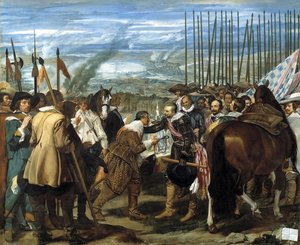
- The Surrender of Breda
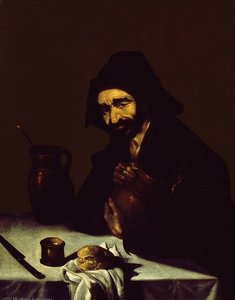
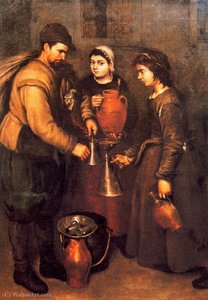
- The drinker or a peasant
- St Jerome
- Place Of Birth: Ourense Spain