 Preview
 Send
Send Share
Share
 Details

 Download
 Similars
 X-Ray
X-Ray Diaporama
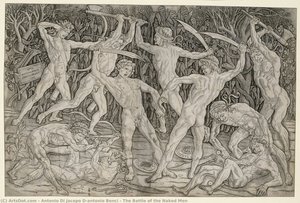
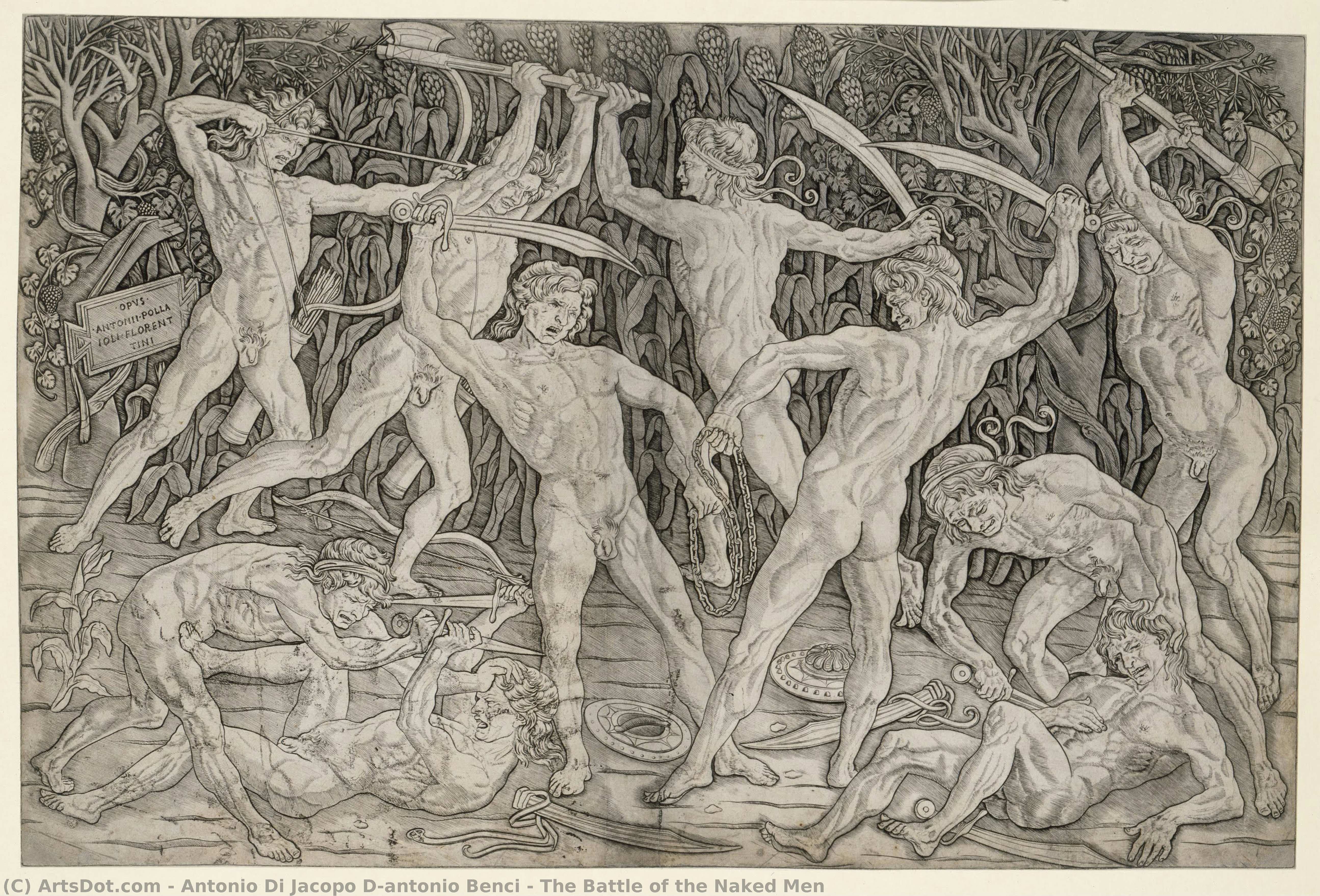
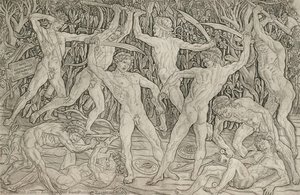
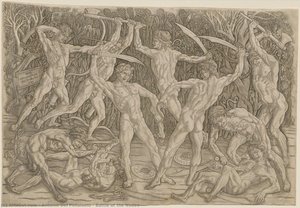
The Battle of the Naked Men
 59.0 x 40.0 cm
 Kupferstichkabinett
 Read More
Giclée / Art Print
Museum-quality giclée or canvas print with fast production and flexible finish options. ( Buy Hand Made Painting Buy Image)




































Pick from our preset sizes that match the artwork's original proportions.

You may enter your own dimensions to fit a specific frame or space. If your selected size does not match the original image's proportions, we will either crop the artwork or extend the image with a mirrored or solid-fill edge. A digital mockup will be sent for your approval before production begins.
Please note that the on-screen preview does not reflect the actual cropping or extension. Only the mockup will accurately show the final composition.
While custom sizes are available, we recommend selecting a dimension from the predefined list to preserve the original proportions.
Worldwide Delivery () in 2 weeks instead of standard 4/5 weeks. (6 September)

Free Worldwide Express Shipping

High-Quality Linen Canvas

Full Shipping Insurance

Customs Tax Refund Guarantee

True Color Matching Guarantee

60-Day Return Policy (Defects Only)

100% Money-Back Guarantee

Bulk Discount Offer
 Glass option is only available in size under 110 CM

The Battle of the Naked Men
Giclée / Art Print
Reproduction Size
-


Total Price
$ 63
Related Artworks




Artist Biography
Early Life and Training
- Born: Florence, Italy (c. 1429)
- Died: Rome (1498)
- Antonio del Pollaiuolo came from a family of artists. His father, Jacopo del Pollaiuolo, was also a painter.
- He received his initial training from his father and likely studied goldsmithing early in his career. This skill significantly influenced his artistic style, particularly his attention to detail and use of metalwork techniques in sculpture and engraving.
- It is believed he may have briefly worked in the workshop of Lorenzo Ghiberti, a renowned sculptor known for his bronze doors on the Florence Baptistery.
Artistic Style and Major Works
- Characteristic Style: Pollaiuolo's art is characterized by dynamic depictions of male figures engaged in violent action. He drew heavily from classical sources, particularly Greek and Roman sculpture, for inspiration.
- Innovative Landscapes: He was a pioneer in incorporating expansive landscape backgrounds into his paintings, possibly influenced by early Netherlandish painting techniques.
- Notable Works:
- Battle of the Nudes (Engraving): This is arguably his most famous work and exemplifies his style – muscular male figures engaged in combat with intricate detail and dynamic poses.
- Papal Tombs: He created two papal tombs that were later reconstructed in St. Peter's Basilica, demonstrating his skill as a sculptor.
- Paintings featuring Hercules: Many of his works centered around the heroic figure of Hercules, showcasing his mastery of anatomy and action.
Collaboration with Piero del Pollaiuolo
- Antonio worked closely with his younger brother, Piero del Pollaiuolo, throughout their careers.
- Distinguishing between their individual contributions is often difficult, leading many works to be attributed to "the Pollaiuolo brothers."
- Contemporary accounts, including those by Giorgio Vasari, generally considered Antonio the more talented and responsible for the design and primary execution of most collaborative pieces.
- However, modern scholarship has recognized Piero's artistic merit, with some works now attributed solely to him, such as Apollo and Daphne in the National Gallery.
Influences and Legacy
- Classical Antiquity: Pollaiuolo was deeply influenced by classical Greek and Roman art, evident in his depictions of human anatomy and heroic themes.
- Early Netherlandish Painting: He adopted techniques from early Netherlandish painters, particularly in the use of detailed landscapes.
- Influence on Other Artists: His dynamic style and anatomical studies significantly influenced later Renaissance artists, including Albrecht Dürer.
- Historical Significance: Antonio del Pollaiuolo played a crucial role in the development of Renaissance art by blending classical ideals with innovative techniques, particularly his mastery of engraving and his pioneering use of landscape backgrounds. He helped establish a new standard for depicting human anatomy and action in painting and sculpture.
Later Years and Death
- Pollaiuolo spent his later years in Rome, where he continued to work on commissions for the papacy.
- He died in Rome in 1498 at the age of approximately 69.
- His legacy as a skilled artist and innovator in multiple media continues to be recognized and celebrated today.
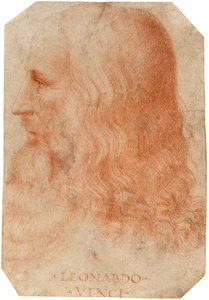
antonio di jacopo d'antonio benci
1429 - 1498 , Italy
Quick Facts
- Artistic Movement Or Style: Renaissance art
- Artists Or Movements Influenced By This Artist: ['Albrecht Dürer']
- Artists Who Influenced This Artist:
- Andrea del Castagno
- Vittore Ghiberti
- Date Of Birth: 1429
- Date Of Death: 1498
- Full Name: Antonio di Jacopo del Pollaiuolo
- Nationality: Italian
- Notable Artworks:
- Madonna and Child
- Self Portrait
- Nereidi, tritoni e putti alati
- Place Of Birth: Florence, Italy