 Preview
 Send
Send Share
Share
 Details

 Download
 Similars
 X-Ray
X-Ray Diaporama
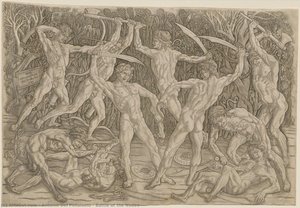
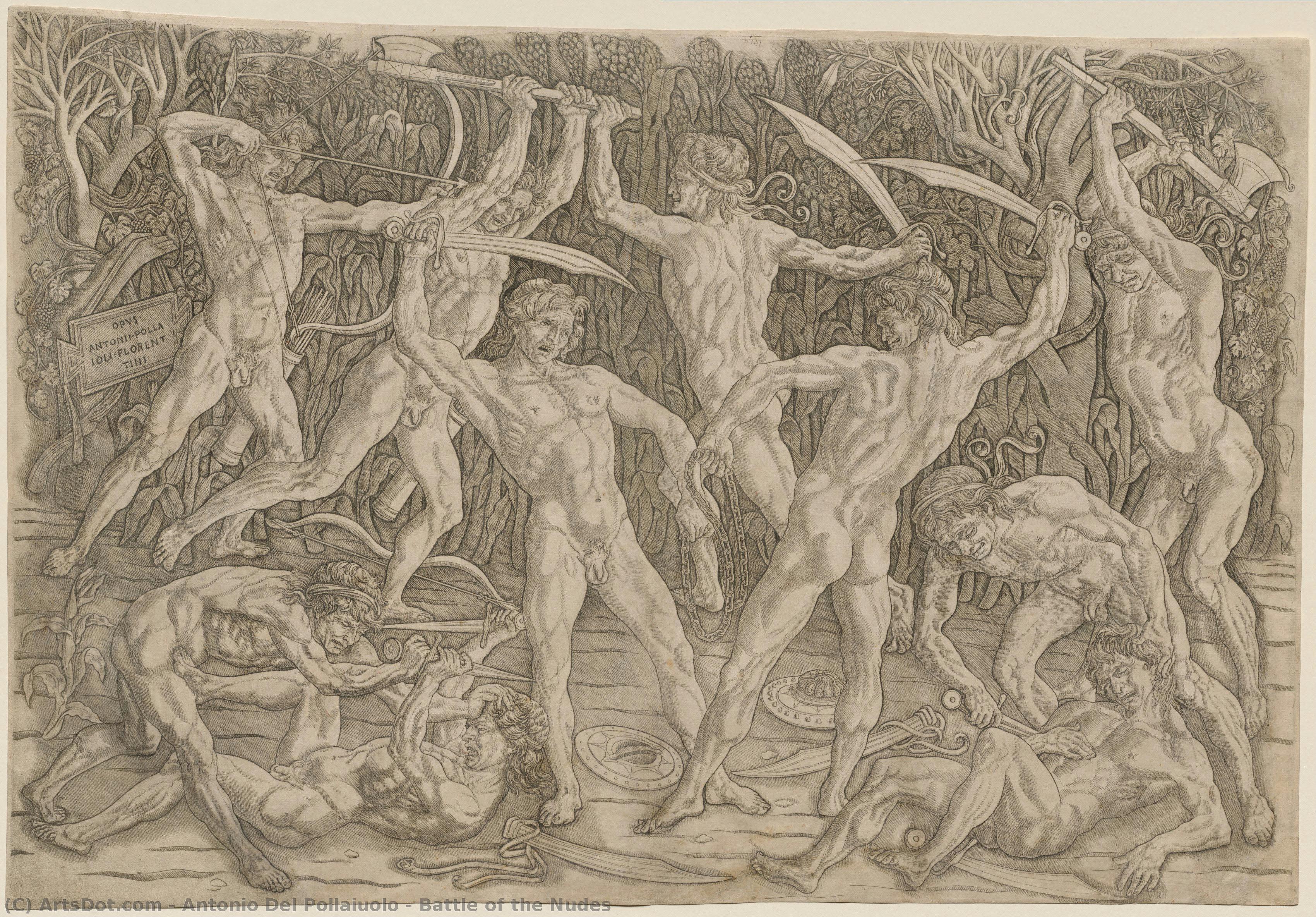
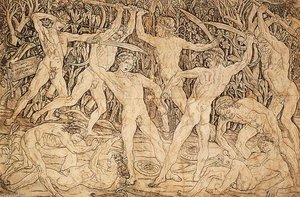
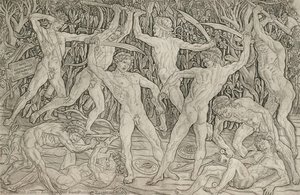
Battle of the Nudes
 Engraving
- Italian Renaissance
 1470
1470 42.0 x 60.0 cm
 Cleveland Museum of Art
 Read More
Hand Made Oil Reproduction
Hand-painted oil on canvas in your size and frame, made to order by our artists. ( Buy Print Buy Image)




P118B $10

P118H $10

P118W $10

P438Z $10

P508JH $12

P508YH $12

P805H $10

P805Z $10

P919BZ $10

P919G $10

P919XJ $10

P959ZH $10

P968JZ $12

W106C $8

W218G $10

W218JH $8

W218Y $10

W307PJ $10

W316G $10

W316PJ $8

W316Y $10

W398PJ $8

W4111J $10

W500HY $15

W500JH $15

W692G $12

W849H $8

W940BG $15

W953PJ $8




Pick from our preset sizes that match the artwork's original proportions.

You may enter your own dimensions to fit a specific frame or space. If your selected size does not match the original image's proportions, we will either crop the artwork or extend the painting with additional hand-painted elements. A digital mockup will be sent for your approval before production begins.
Please note that the on-screen preview does not reflect the actual cropping or extension. Only the mockup will accurately show the final composition.
While custom sizes are available, we recommend selecting a dimension from the predefined list to preserve the original proportions.
After order, ArtsDot.com team will email client for instructions and provide a mockup preview
Worldwide Delivery () in 3/4 weeks instead of standard 5 weeks. (30 August). No compromise on quality.

Free Worldwide Express Shipping

High-Quality Linen Canvas

Full Shipping Insurance

Customs Tax Refund Guarantee

True Color Matching Guarantee

60-Day Return Policy (Defects Only)

100% Money-Back Guarantee

Bulk Discount Offer
 Glass option is only available in size under 110 CM

Battle of the Nudes
Reproduction Medium
Reproduction Size
-


Total Price
$ 263
The Raw Power of Conflict: Antonio del Pollaiuolo’s “Battle of the Nudes”
Antonio del Pollaiuolo's "Battle of the Nudes," created around 1470-75, isn’t merely a depiction of combat; it’s a visceral eruption of masculine energy frozen in time. This monumental engraving, now housed within the Cleveland Museum of Art, transcends its historical context to resonate with an enduring intensity—a testament to the artist's mastery of anatomy, dynamism, and the potent allure of the nude male form. Far from a straightforward battle scene, it’s a study in strained musculature, desperate aggression, and the brutal beauty of human struggle, offering a rare glimpse into the artistic sensibilities of Renaissance Florence.
The print immediately commands attention with its sheer scale – measuring over 42 centimeters by 60.9 centimeters – an unusual size for engravings of this period. Within this expansive space, fifteen figures are locked in a chaotic dance of violence and desperation. The composition is remarkably balanced, despite the apparent frenzy; Pollaiuolo meticulously arranges his warriors into pairs, each engaged in a fierce duel. Notice how the figures aren’t simply attacking; they're *consumed* by their actions – faces contorted with rage, limbs flung out in desperate parries, and bodies straining under the weight of exertion. The artist doesn’t shy away from depicting the grotesque: exposed muscles ripple with tension, wounds are visible, and expressions of agony flicker across the men’s faces. This unflinching realism was revolutionary for its time, pushing beyond the idealized representations favored by many of his contemporaries.
A Classical Echo in a Florentine Workshop
Delving deeper into the print reveals a fascinating interplay between classical influence and Renaissance innovation. While undeniably rooted in the artistic traditions of ancient Greece and Rome – evidenced by the heroic poses, the emphasis on musculature, and the overall sense of drama – “Battle of the Nudes” isn’t a slavish imitation of antiquity. Pollaiuolo injects a distinctly Florentine sensibility into his work, imbuing the scene with a palpable energy and emotional intensity that sets it apart. The figures aren't stoic gods or idealized heroes; they are men driven by primal instincts, caught in a moment of brutal self-assertion.
The print’s composition also subtly references classical relief sculpture – a technique Pollaiuolo likely honed during his early career as a goldsmith and metalworker. The figures seem to emerge from the dense background of vegetation, creating a sense of depth and volume that mimics the low relief found on ancient Roman monuments. This deliberate choice underscores the print’s ambition: to capture not just a scene of battle but also the spirit of classical art within the context of Renaissance Florence.
Decoding the Symbolism – A Chain of Souls?
The precise meaning behind “Battle of the Nudes” has remained a subject of scholarly debate for centuries. While some have suggested it depicts a specific historical event—perhaps a gladiatorial contest or a battle from the Trojan War—Pollaiuolo himself offered no explicit explanation, leaving the interpretation open to the viewer. However, several intriguing clues point towards a more complex symbolic reading.
One particularly compelling theory centers on the chain that binds the two central figures. Throughout art history, chains have frequently symbolized the connection between body and soul—a concept deeply rooted in medieval Christian theology. In this context, the chain could represent the struggle to reconcile earthly desires with spiritual aspirations, or perhaps the inescapable bonds of fate. The fact that these men are locked together suggests a shared destiny, highlighting the interconnectedness of human experience.
Furthermore, the print’s meticulous anatomical detail—a hallmark of Pollaiuolo's style—suggests an underlying interest in the mechanics of the body and its relationship to the soul. As Vasari noted, Pollaiuolo dissected cadavers to study human anatomy, a practice that was becoming increasingly common among Renaissance artists seeking to achieve greater realism in their work. “Battle of the Nudes” is therefore not just a depiction of violence; it’s also a profound exploration of the physical and spiritual dimensions of the human condition.
A Masterpiece of Printmaking Technique
Beyond its compelling subject matter and symbolic richness, "Battle of the Nudes" stands as a remarkable achievement in printmaking technique. Pollaiuolo employed a sophisticated method known as “drypoint,” which involved scratching an image into a metal plate with a needle. This created a fine, velvety texture that produced rich tonal variations when inked and wiped. The resulting print is characterized by its dramatic contrasts of light and shadow, its dynamic composition, and its remarkably detailed rendering of the human form.
The fact that over fifty copies of this engraving were made—a surprisingly high number for a work of art from this period—testifies to its enduring appeal. “Battle of the Nudes” has served as an inspiration for generations of artists, and it continues to captivate viewers with its raw power, its profound symbolism, and its exquisite craftsmanship. It remains a cornerstone of Renaissance printmaking, offering a window into the artistic genius of Antonio del Pollaiuolo and the vibrant cultural landscape of Florence.
Related Artworks
Artist Biography
A Florentine Master of Movement and Form
Antonio del Pollaiuolo, a name resonating with the dynamism of the Italian Renaissance, emerged in Florence around 1429 as a pivotal figure who redefined artistic expression. Born into a family whose trade – “pollaiuolo” meaning hen coop – belied the soaring heights his artistry would reach, Antonio’s journey began not with brush and canvas, but with the meticulous craft of goldsmithing and metalworking. This early immersion in intricate detail and precise execution profoundly shaped his later endeavors, instilling a dedication to anatomical accuracy and technical mastery that became hallmarks of his style. He wasn't merely an artist; he was a craftsman who seamlessly blended skill with innovation, leaving an indelible mark on Florentine art. His father’s workshop, likely under the tutelage of Bartoluccio di Michele and influenced by Lorenzo Ghiberti, provided the foundational training that would propel him toward artistic greatness.Collaboration and Anatomical Inquiry
The initial stages of Pollaiuolo's career were inextricably linked with his brother, Piero del Pollaiuolo. Their collaborative spirit fostered a shared aesthetic characterized by a fascination with classical antiquity and an unwavering commitment to understanding the human form. Distinguishing individual contributions within their joint works often proves challenging, yet it’s clear that both brothers possessed a relentless curiosity about anatomy. Legend has it they even engaged in dissections – a daring practice for the time – to deepen their comprehension of musculature and skeletal structure. This dedication to realism wasn't simply academic; it fueled their ability to depict figures with unprecedented dynamism and expressive power. Their combined studio became a crucible where classical ideals were forged anew, infused with a distinctly Renaissance sensibility. The influence of early masters like Andrea del Castagno is also evident in their work, providing a bridge between the traditions of the past and the burgeoning innovations of the era.Sculpture, Painting, and the Birth of Engraving
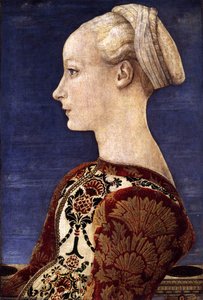
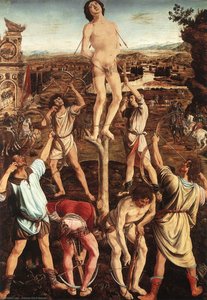
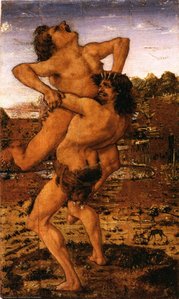
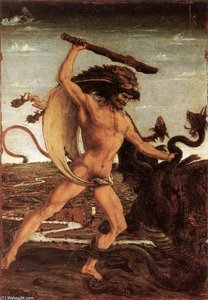
Antonio del Pollaiuolo’s artistic output spanned diverse media, each showcasing his unique vision. While celebrated as a painter, he achieved particular renown for his sculptures and engravings. His works frequently depict heroic narratives, often centered around figures from classical mythology like Hercules, embodying strength, struggle, and triumph. The addition of the infant Romulus and Remus to an existing bronze she-wolf sculpture stands as a testament to his skill in metalwork, demonstrating both technical prowess and artistic sensitivity. However, it was in the realm of engraving that Pollaiuolo truly revolutionized Italian art. His Battle of the Nudes (circa 1465–1475) wasn’t merely an image; it was a groundbreaking exploration of form, composition, and expressive potential. This print, celebrated for its dynamic energy, anatomical precision, and dramatic interplay of light and shadow, significantly advanced engraving techniques and profoundly influenced artists like Albrecht Dürer. His paintings, such as the striking Saint Sebastian (1473-1475), are known for their brutal realism, while his female portraits exude a calmness and meticulous attention to detail in fashion.Roman Commissions and Lasting Legacy
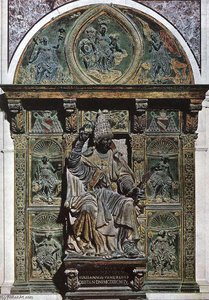
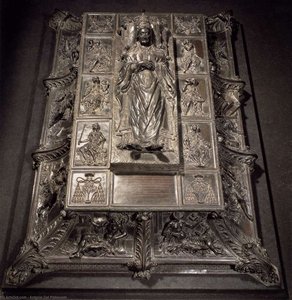
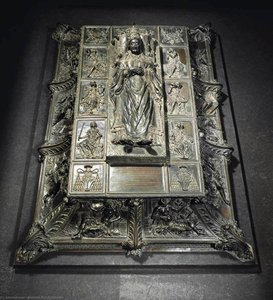
In 1484, Pollaiuolo accepted a prestigious commission that led him to Rome, where he embarked on the monumental task of creating the tomb of Pope Sixtus IV – a project completed in 1493. This undertaking showcased his ability to translate artistic vision into large-scale sculptural form, solidifying his reputation as one of Italy’s leading artists. He later returned to Florence to oversee work on the sacristy of Santo Spirito before ultimately passing away in Rome in 1498. His death marked the end of an era, but his influence continued to resonate through generations of artists. Among his pupils was Sandro Botticelli, who absorbed Pollaiuolo’s emphasis on anatomical accuracy and dynamic composition. The tombs of Sixtus IV and Innocent VIII stand as enduring monuments to his skill, while his innovative engravings continue to inspire awe and admiration. Antonio del Pollaiuolo's contributions were significant; he wasn’t just a painter or sculptor but a true Renaissance polymath who redefined the possibilities of artistic expression.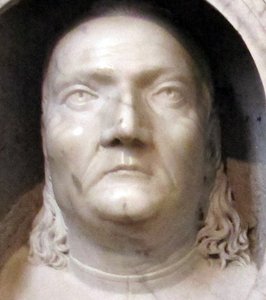
Antonio del Pollaiuolo
1429 - 1498 , Italy
Quick Facts
- Artistic Movement Or Style: Renaissance
- Artists Or Movements Influenced By This Artist:
- Sandro Botticelli
- Albrecht Dürer
- Artists Who Influenced This Artist:
- Bartoluccio di Michele
- Lorenzo Ghiberti
- Date Of Birth: 1429
- Date Of Death: 1498
- Full Name: Antonio del Pollaiuolo
- Nationality: Italian
- Notable Artworks:
- Saint Sebastian
- Monument of Sixtus IV
- David Victorious
- Battle of the Nudes
- Place Of Birth: Florence, Italy
Related Articles
Engraving's Golden Age: 10 Masterpieces That Redefined Art | ArtsDot
Journey through art history with our Top 10 Legendary Engravings! Explore masterpieces by Dürer, Rembrandt & Goya. Discover the stories behind these iconic prints and find museum-quality reproductions for your home at ArtsDot.com.
Engraving: A Historical Survey of Technique, Artistic Expression & Enduring Legacy
Explore the rich history of engraving with ArtsDot. Discover techniques, iconic artists like Dürer & Callot, collecting tips, and expert guidance for preserving your art investment. Learn about intaglio printing & more!
The Intricate World of Engraving: A Historical Survey of Technique, Artistic Expression & Enduring Legacy
Explore the rich history of engraving with ArtsDot. Discover techniques, iconic artists like Dürer & Callot, collecting tips, and expert guidance for preserving your art investment. Learn about intaglio printing & more!
The Enduring Allure of the Nude: A Historical & Artistic Exploration of the Human Form
Explore the captivating history of nude art! Discover iconic paintings & artists from classical to modern eras. Uncover symbolism, techniques & find museum-quality reproductions at ArtsDot.
Andrea del Sarto: Florentine Grace, Technical Mastery & Artistic Ambition
Explore the life & art of Andrea del Sarto, a Florentine Renaissance master renowned for harmonious compositions & technical brilliance. Discover his frescoes, portraits, and lasting influence on art history.