 Preview
 Send
Send Share
Share
 Details

 Download
 Similars
 X-Ray
X-Ray Diaporama
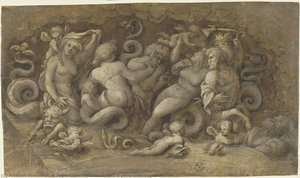
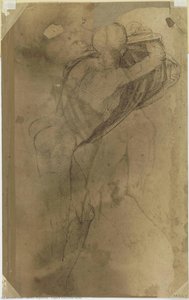
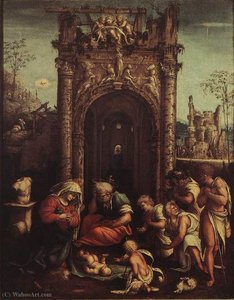
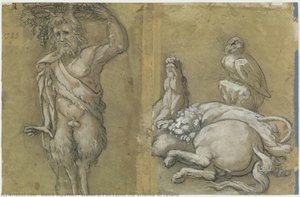
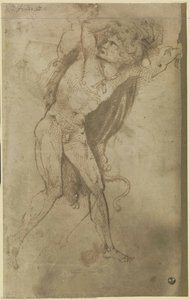
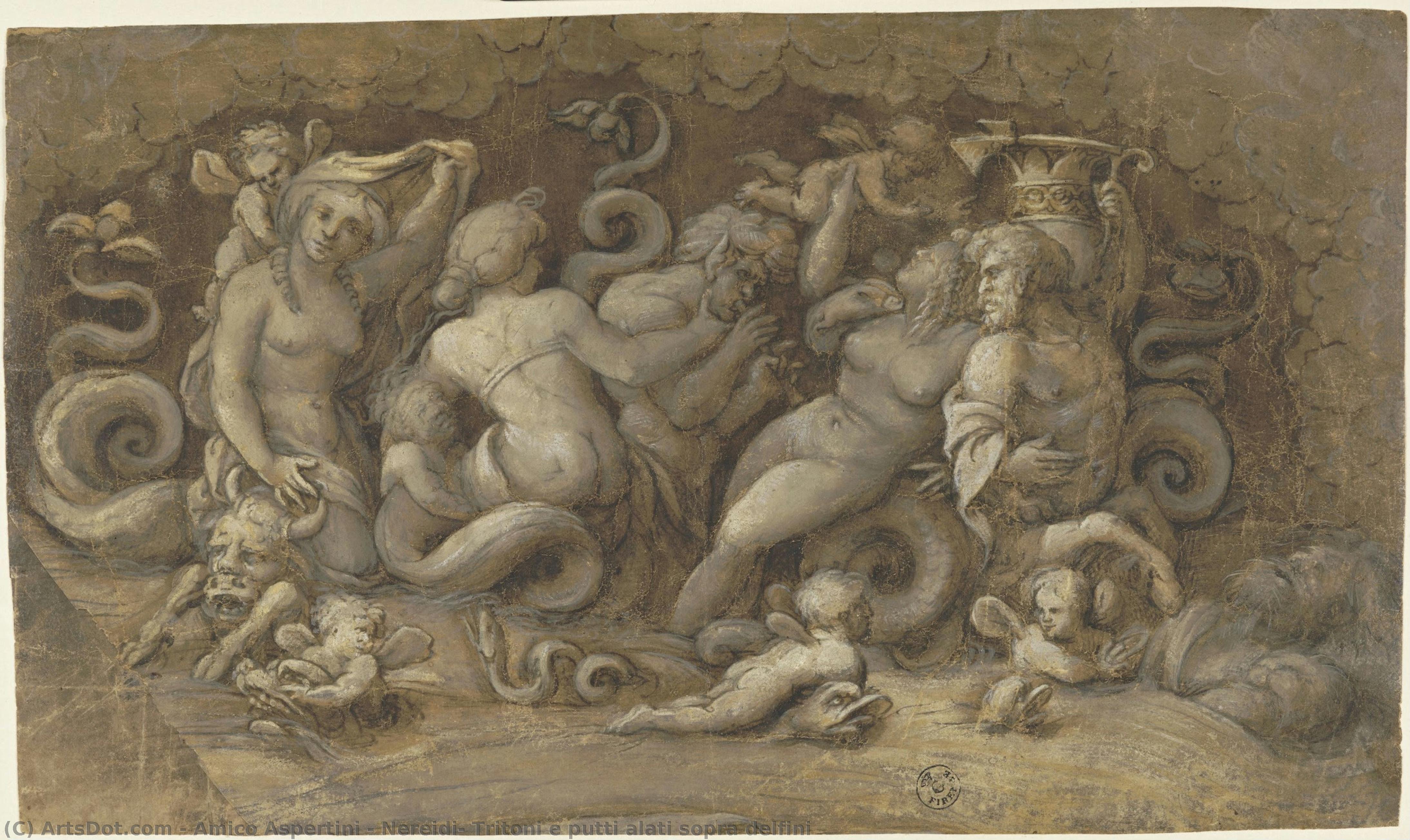
Nereidi, Tritoni e putti alati sopra delfini


 Read More
Hand Made Oil Reproduction
Hand-painted oil on canvas in your size and frame, made to order by our artists. ( Buy Print Buy Image)




P118B $10

P118H $10

P118W $10

P438Z $10

P508JH $12

P508YH $12

P805H $10

P805Z $10

P919BZ $10

P919G $10

P919XJ $10

P959ZH $10

P968JZ $12

W106C $8

W218G $10

W218JH $8

W218Y $10

W307PJ $10

W316G $10

W316PJ $8

W316Y $10

W398PJ $8

W4111J $10

W500HY $15

W500JH $15

W692G $12

W849H $8

W940BG $15

W953PJ $8




Pick from our preset sizes that match the artwork's original proportions.

You may enter your own dimensions to fit a specific frame or space. If your selected size does not match the original image's proportions, we will either crop the artwork or extend the painting with additional hand-painted elements. A digital mockup will be sent for your approval before production begins.
Please note that the on-screen preview does not reflect the actual cropping or extension. Only the mockup will accurately show the final composition.
While custom sizes are available, we recommend selecting a dimension from the predefined list to preserve the original proportions.
After order, ArtsDot.com team will email client for instructions and provide a mockup preview
Worldwide Delivery () in 3/4 weeks instead of standard 5 weeks. (17 August). No compromise on quality.

Free Worldwide Express Shipping

High-Quality Linen Canvas

Full Shipping Insurance

Customs Tax Refund Guarantee

True Color Matching Guarantee

60-Day Return Policy (Defects Only)

100% Money-Back Guarantee

Bulk Discount Offer
 Glass option is only available in size under 110 CM

Nereidi, Tritoni e putti alati sopra delfini
Reproduction Medium
Reproduction Size
-


Total Price
$ 263
Artwork Description
A Mythological Symphony in Motion
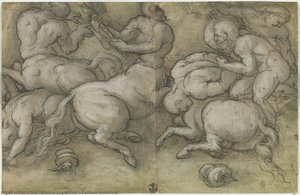
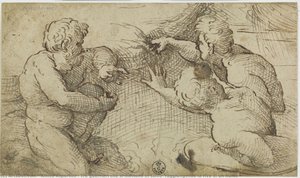
In the swirling, aquatic realm of Amico Aspertini’s Nereidi, Tritoni e putti alati sopra delfini, the boundaries between the human form and the elemental forces of nature dissolve into a breathtaking display of Renaissance energy. This masterpiece invites the viewer into a submerged world where the grace of Nereids meets the playful chaos of winged putti. At the heart of the composition, a profound intimacy unfolds as one female figure tenderly cradles the head of another, a gesture that anchors the swirling movement with a moment of quiet, sculptural beauty. The scene is far from static; it is a rhythmic dance of limbs and mythological creatures, where dolphins leap through unseen currents and serpents weave through the periphery, creating a sense of perpetual motion that captures the very essence of life in flux.
Aspertini, a pioneer of what would later be recognized as Mannerist eclecticism, utilizes a technique that favors intensity over mere anatomical perfection. The figures possess an almost feverish vitality, their poses twisting with a complexity that challenges the eye and rewards the curious observer. Through masterful brushwork, the artist achieves a textured depth, where the skin of the deities seems to catch the dappled light filtering through the waves. This interplay of light and shadow—the chiaroscuro of the sea—lends a sculptural weight to the bodies, making them appear as if they were carved from marble yet imbued with the warmth of living breath. For the discerning collector, this piece offers more than just visual splendor; it provides a window into the restless, innovative spirit of the Bolognese school.
Symbolism and the Spirit of the Renaissance
Beyond its surface beauty, the painting serves as a rich tapestry of classical symbolism. The presence of the Nereids and Tritons evokes the ancient connection between humanity and the untamed mysteries of the ocean, representing fertility, transformation, and the cyclical nature of existence. The winged putti, riding atop dolphins, act as messengers of joy and divine whimsy, bridging the gap between the earthly and the celestial. Even the subtle inclusion of birds and serpents adds layers of allegorical meaning, suggesting a world where every creature plays a vital role in the cosmic order. This intricate layering of meaning ensures that the artwork remains a subject of intellectual fascination long after the initial visual impact has faded.
For interior designers and connoisseurs of fine art, Nereidi, Tritoni e putti alati sopra delfini represents a profound opportunity to introduce a sense of historical grandeur and narrative depth into a space. A high-quality reproduction of this work does not merely decorate a wall; it commands the room, acting as a conversational centerpiece that evokes the sophisticated atmosphere of an Italian palazzo. Whether placed in a contemporary setting to provide a striking classical contrast or within a traditional study to enhance its scholarly aura, this painting brings with it the enduring legacy of Amico Aspertini—a legacy of beauty, complexity, and an unyielding passion for the sublime.
Related Artworks
Artist Biography
Amico Aspertini: A Pioneer of Mannerist Eclecticism
Amico Aspertini, born in Bologna around 1474 and passing away in 1552, stands as a fascinating figure within the Italian Renaissance—a painter who simultaneously anticipated and defied prevailing artistic trends. Often described as eccentric and possessing an almost unsettling intensity, Aspertini’s legacy lies not just in individual works but in his unique synthesis of styles, making him a pivotal precursor to Mannerism and a compelling example of Bolognese painting's evolving identity. His life was deeply intertwined with the artistic milieu of Bologna, a city renowned for its vibrant workshop culture and its connection to both Florentine innovation and Venetian sensuality. He began his training within this environment, absorbing influences from masters like Francia and Costa, yet quickly forged his own distinctive path, one characterized by an almost feverish energy and a willingness to embrace seemingly contradictory elements.Early Life and Artistic Training
Aspertini’s family history was steeped in art; his father, Giovanni Antonio Aspertini, was himself a recognized painter. This familial connection provided him with an early immersion into the world of pigments, brushes, and artistic techniques. His formative years were spent in Bologna, where he honed his skills under the tutelage of established masters like Francia and Costa. These encounters exposed him to the classical ideals championed by the High Renaissance but also introduced him to a more nuanced approach—one that valued emotional intensity and expressive distortion over strict adherence to proportion and perspective. Crucially, Aspertini’s travels with his father to Rome in 1496 provided an opportunity to witness firsthand the burgeoning artistic scene of the papal court, further broadening his stylistic horizons. This period also saw him briefly documented in Roman records, suggesting a period of experimentation and exploration before returning to the relative stability of Bologna.A Style Defined by Eclecticism and Innovation
Aspertini’s style is notoriously difficult to categorize, reflecting a deliberate rejection of rigid artistic boundaries. He was a master of eclecticism, drawing inspiration from a diverse range of sources—from the classical ideals of antiquity to the emotional intensity of late Gothic art, and even incorporating elements of the burgeoning Renaissance styles of Florence and Venice. His paintings are characterized by intricate compositions, elongated figures that seem to stretch and distort in unsettling ways, and a vibrant palette often dominated by intense reds, blues, and yellows. A key element of his technique was his remarkable speed—he is said to have worked with both hands simultaneously, one applying the *chiaro* (light) and the other the *scuro* (dark), creating a dynamic interplay of light and shadow that heightened the sense of movement and drama within his scenes. This unusual method, as described by Vasari, contributed significantly to the frenetic energy often observed in his work.Notable Works and Artistic Achievements
Several of Aspertini’s paintings stand out as particularly compelling examples of his unique style. “Trionfo Militare all” (Military Triumph), a monumental fresco depicting a military victory, showcases his ability to synthesize classical imagery with dramatic theatricality. "Erocle e il cinghiale di erimanto" (Hercules and the Wild Boar of Erymanthus) is another striking example, demonstrating his mastery of composition and his willingness to distort perspective for expressive effect. “Incredulità di san tommaso” (The Incredulity of Saint Thomas), a particularly arresting work, captures the saint’s moment of doubt with an almost palpable sense of psychological tension. These works, along with frescoes in the Oratory of Santa Cecilia and his contributions to the Lucca Basilica, reveal a painter who was constantly pushing the boundaries of artistic convention. His decoration of the triumphal arch for Pope Clement VII's entry into Bologna in 1529 further cemented his reputation as a leading artist of his time.Legacy and Influence
Amico Aspertini’s influence on subsequent generations of Italian painters is considerable, though often understated. He is widely considered a key figure in the development of Mannerism—a style characterized by elongated figures, distorted perspective, and an emphasis on emotional expression. His work anticipated many of the stylistic innovations that would define Mannerism, paving the way for artists like El Greco. While Vasari’s account of Aspertini as an “eccentric” and “half-insane” master initially cast a negative light on his oeuvre, modern art historians have increasingly recognized his importance as a pioneering artist who challenged conventional notions of beauty and realism. His paintings can be found in prestigious collections such as the Uffizi Gallery in Florence, testament to their enduring artistic value. Aspertini’s legacy continues to fascinate and inspire, reminding us that true innovation often lies in embracing complexity and defying expectations.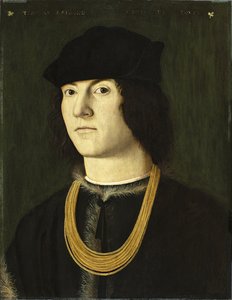
Amico Aspertini
1475 - 1552 , Italy
Quick Facts
- Artistic Movement Or Style: Mannerism
- Artists Or Movements Influenced By This Artist: ['El Greco']
- Artists Who Influenced This Artist:
- Francia
- Costa
- Date Of Birth: 1475, Bologna
- Date Of Death: 1552, Bologna
- Full Name: Amico Aspertini
- Nationality: Italian
- Notable Artworks:
- Trionfo Militare All
- Erocle e il cinghiale di erimanto
- Incredulità di San Tommaso
- Place Of Birth: Bologna, Italy
Related Articles
Seafoam & Masterpieces: 10 Paintings Dominated by Medium Sea Green | ArtsDot
Dive into serenity with 10 famous paintings bathed in calming medium sea green. Explore Impressionist masterpieces by Monet, Degas & Renoir. Find museum-quality art reproductions and elevate your home decor at ArtsDot.com.
The Azure Depths: Exploring Representations of the Ocean in Art History
Explore the rich history of ocean art! Discover Romantic seascapes, renowned artists like Aivazovsky & Harris, and expert guidance for collectors at ArtsDot.com.
Jacopo Pontormo: A Bridge Between Renaissance Tradition & Mannerist Emotion
Explore the captivating world of Jacopo Pontormo, a pivotal Italian Mannerist painter. Discover his unique style, influences & masterpieces – and find museum-quality reproductions at ArtsDot.
Henry Thomas Dawson: Navigating Light, Sea & Sentiment in Victorian Marine Painting
Explore the captivating world of Henry Thomas Dawson (1811-1878), a master of Victorian marine painting. Discover his evocative coastal scenes, landscapes & lasting artistic legacy. Learn about collecting Dawson's work and find reproductions at ArtsDot.
Clarkson Frederick Stanfield: Navigating Romantic Visions of Sea, Land & British Imagination
Explore the dramatic seascapes & landscapes of Clarkson Frederick Stanfield (1793-1867). Discover his life, art, and lasting influence on British Romanticism. Acquire stunning reproductions at ArtsDot.