 Preview
 Send
Send Share
Share
 Details

 Download
 Similars
 X-Ray
X-Ray Diaporama
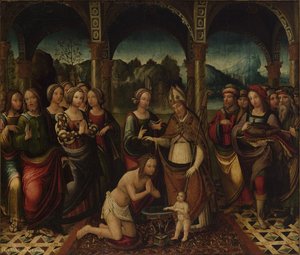
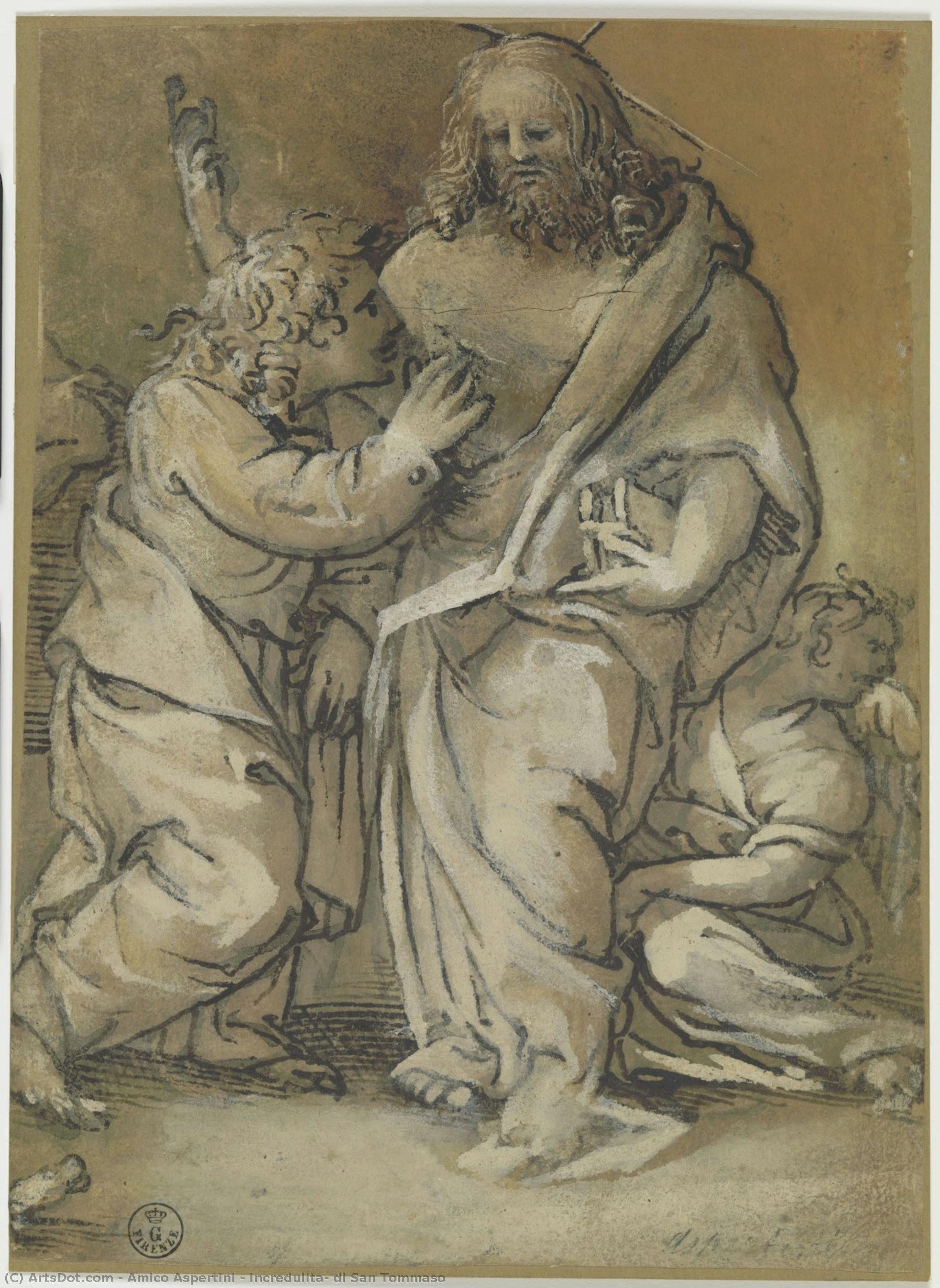
Incredulità di San Tommaso


 Read More
Hand Made Oil Reproduction
Hand-painted oil on canvas in your size and frame, made to order by our artists. ( Buy Print Buy Image)




P118B $10

P118H $10

P118W $10

P438Z $10

P508JH $12

P508YH $12

P805H $10

P805Z $10

P919BZ $10

P919G $10

P919XJ $10

P959ZH $10

P968JZ $12

W106C $8

W218G $10

W218JH $8

W218Y $10

W307PJ $10

W316G $10

W316PJ $8

W316Y $10

W398PJ $8

W4111J $10

W500HY $15

W500JH $15

W692G $12

W849H $8

W940BG $15

W953PJ $8




Pick from our preset sizes that match the artwork's original proportions.

You may enter your own dimensions to fit a specific frame or space. If your selected size does not match the original image's proportions, we will either crop the artwork or extend the painting with additional hand-painted elements. A digital mockup will be sent for your approval before production begins.
Please note that the on-screen preview does not reflect the actual cropping or extension. Only the mockup will accurately show the final composition.
While custom sizes are available, we recommend selecting a dimension from the predefined list to preserve the original proportions.
After order, ArtsDot.com team will email client for instructions and provide a mockup preview
Worldwide Delivery () in 3/4 weeks instead of standard 5 weeks. (17 August). No compromise on quality.

Free Worldwide Express Shipping

High-Quality Linen Canvas

Full Shipping Insurance

Customs Tax Refund Guarantee

True Color Matching Guarantee

60-Day Return Policy (Defects Only)

100% Money-Back Guarantee

Bulk Discount Offer
 Glass option is only available in size under 110 CM

Incredulità di San Tommaso
Reproduction Medium
Reproduction Size
-


Total Price
$ 263
Artwork Description
Incredulità di San Tommaso: A Vision of Doubt and Divine Revelation
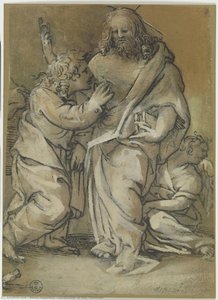
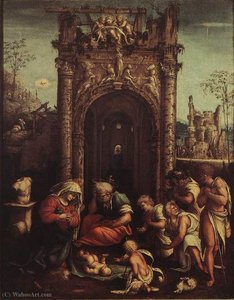
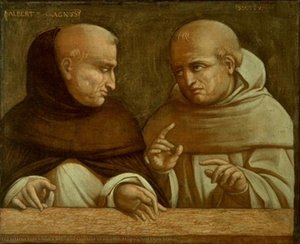
Amico Aspertini’s “Incredulità di San Tommaso” (The Incredulity of Saint Thomas) is not merely a painting; it's an arresting tableau of human doubt confronted by the profound mystery of faith. Completed around 1510-1512, this work, now housed in the Uffizi Gallery in Florence, transcends its historical context to resonate with viewers even today, offering a poignant meditation on skepticism and the transformative power of revelation. The scene depicts the moment recounted in the Gospel of John – Thomas, the apostle known for his unwavering doubt, refusing to believe that Jesus had been resurrected until he could personally touch the wounds inflicted during the crucifixion. Aspertini masterfully captures this pivotal encounter, imbuing it with an almost palpable sense of tension and spiritual intensity. The composition is dominated by a central figure: Saint Thomas himself, rendered in rich, dark hues – a deliberate choice that emphasizes his earthly nature and the weight of his disbelief. He’s not depicted as a simple skeptic but as a man wrestling with profound questions, his face etched with a mixture of apprehension and intellectual curiosity. Crucially, Aspertini doesn't portray Thomas as aggressively questioning; rather, he presents him as passively receiving – an open hand extended towards the resurrected Christ. The Christ figure, bathed in a luminous, almost ethereal light, is depicted with a serene dignity that contrasts sharply with Thomas’s shadowed expression. His wounds are not idealized but realistically rendered, serving as tangible proof of sacrifice and resurrection. The background is deliberately vague, suggesting a timeless space – neither heaven nor earth, but a liminal zone where the earthly and divine converge. Aspertini's technique reveals a masterful command of color and texture. He employs a layered approach, building up the image with numerous thin glazes of oil paint, creating a remarkable sense of depth and luminosity. The use of chiaroscuro – the dramatic contrast between light and dark – is particularly effective in highlighting the key figures and drawing attention to the central drama. Notice how Aspertini uses subtle gradations of color to suggest the folds of Thomas’s robe and the contours of Christ's body, imbuing the scene with a remarkable sense of realism. The artist’s brushwork is dynamic and expressive, conveying both the physical presence of the figures and the emotional turmoil within Thomas’s heart. The painting demonstrates a clear influence from the Florentine Renaissance masters, particularly Filippino Lippi, yet Aspertini imbues the work with his own distinctive style – characterized by an intense psychological depth and a willingness to explore unconventional compositions. The “Incredulità di San Tommaso” is deeply rooted in the intellectual and spiritual climate of 16th-century Italy. The rediscovery of classical antiquity had sparked a renewed interest in philosophical inquiry, leading to a questioning of established beliefs and a heightened awareness of human limitations. Simultaneously, the rise of Humanism encouraged a more personal and experiential approach to faith. Aspertini’s painting reflects this complex interplay of ideas, presenting doubt not as an obstacle to faith but as a necessary stage in the process of spiritual understanding. The image speaks powerfully to the universal struggle between reason and belief, offering a timeless reminder that even the most steadfast convictions can be challenged by experience. The symbolism is layered: Thomas’s outstretched hand represents humanity's yearning for certainty, while Christ’s wounds symbolize divine grace and redemption. Beyond its historical and artistic significance, “Incredulità di San Tommaso” possesses a profound emotional resonance. The painting evokes a sense of empathy for Thomas’s struggle – a recognition that doubt is not necessarily a sign of weakness but rather an essential component of the human condition. The luminous depiction of Christ invites viewers to contemplate the mystery of faith and the transformative power of divine revelation. It's a work that lingers in the mind long after it has been viewed, prompting reflection on our own beliefs and experiences. Reproductions of this powerful image can bring a sense of contemplation and spiritual depth to any space, serving as a reminder of the enduring human quest for meaning and truth.Related Artworks

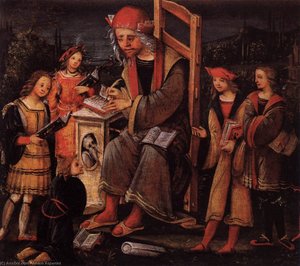
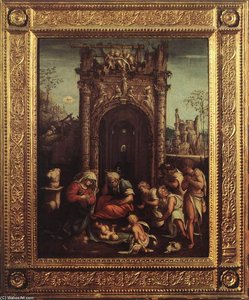
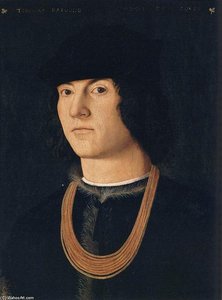
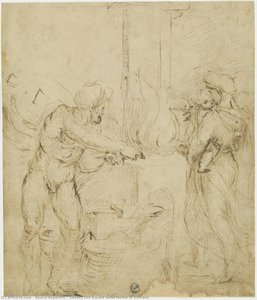
Artist Biography
Amico Aspertini: A Pioneer of Mannerist Eclecticism
Amico Aspertini, born in Bologna around 1474 and passing away in 1552, stands as a fascinating figure within the Italian Renaissance—a painter who simultaneously anticipated and defied prevailing artistic trends. Often described as eccentric and possessing an almost unsettling intensity, Aspertini’s legacy lies not just in individual works but in his unique synthesis of styles, making him a pivotal precursor to Mannerism and a compelling example of Bolognese painting's evolving identity. His life was deeply intertwined with the artistic milieu of Bologna, a city renowned for its vibrant workshop culture and its connection to both Florentine innovation and Venetian sensuality. He began his training within this environment, absorbing influences from masters like Francia and Costa, yet quickly forged his own distinctive path, one characterized by an almost feverish energy and a willingness to embrace seemingly contradictory elements.Early Life and Artistic Training
Aspertini’s family history was steeped in art; his father, Giovanni Antonio Aspertini, was himself a recognized painter. This familial connection provided him with an early immersion into the world of pigments, brushes, and artistic techniques. His formative years were spent in Bologna, where he honed his skills under the tutelage of established masters like Francia and Costa. These encounters exposed him to the classical ideals championed by the High Renaissance but also introduced him to a more nuanced approach—one that valued emotional intensity and expressive distortion over strict adherence to proportion and perspective. Crucially, Aspertini’s travels with his father to Rome in 1496 provided an opportunity to witness firsthand the burgeoning artistic scene of the papal court, further broadening his stylistic horizons. This period also saw him briefly documented in Roman records, suggesting a period of experimentation and exploration before returning to the relative stability of Bologna.A Style Defined by Eclecticism and Innovation
Aspertini’s style is notoriously difficult to categorize, reflecting a deliberate rejection of rigid artistic boundaries. He was a master of eclecticism, drawing inspiration from a diverse range of sources—from the classical ideals of antiquity to the emotional intensity of late Gothic art, and even incorporating elements of the burgeoning Renaissance styles of Florence and Venice. His paintings are characterized by intricate compositions, elongated figures that seem to stretch and distort in unsettling ways, and a vibrant palette often dominated by intense reds, blues, and yellows. A key element of his technique was his remarkable speed—he is said to have worked with both hands simultaneously, one applying the *chiaro* (light) and the other the *scuro* (dark), creating a dynamic interplay of light and shadow that heightened the sense of movement and drama within his scenes. This unusual method, as described by Vasari, contributed significantly to the frenetic energy often observed in his work.Notable Works and Artistic Achievements
Several of Aspertini’s paintings stand out as particularly compelling examples of his unique style. “Trionfo Militare all” (Military Triumph), a monumental fresco depicting a military victory, showcases his ability to synthesize classical imagery with dramatic theatricality. "Erocle e il cinghiale di erimanto" (Hercules and the Wild Boar of Erymanthus) is another striking example, demonstrating his mastery of composition and his willingness to distort perspective for expressive effect. “Incredulità di san tommaso” (The Incredulity of Saint Thomas), a particularly arresting work, captures the saint’s moment of doubt with an almost palpable sense of psychological tension. These works, along with frescoes in the Oratory of Santa Cecilia and his contributions to the Lucca Basilica, reveal a painter who was constantly pushing the boundaries of artistic convention. His decoration of the triumphal arch for Pope Clement VII's entry into Bologna in 1529 further cemented his reputation as a leading artist of his time.Legacy and Influence
Amico Aspertini’s influence on subsequent generations of Italian painters is considerable, though often understated. He is widely considered a key figure in the development of Mannerism—a style characterized by elongated figures, distorted perspective, and an emphasis on emotional expression. His work anticipated many of the stylistic innovations that would define Mannerism, paving the way for artists like El Greco. While Vasari’s account of Aspertini as an “eccentric” and “half-insane” master initially cast a negative light on his oeuvre, modern art historians have increasingly recognized his importance as a pioneering artist who challenged conventional notions of beauty and realism. His paintings can be found in prestigious collections such as the Uffizi Gallery in Florence, testament to their enduring artistic value. Aspertini’s legacy continues to fascinate and inspire, reminding us that true innovation often lies in embracing complexity and defying expectations.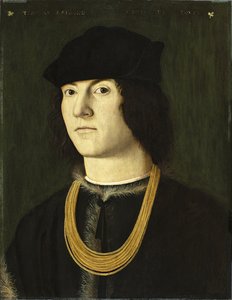
Amico Aspertini
1475 - 1552 , Italy
Quick Facts
- Artistic Movement Or Style: Mannerism
- Artists Or Movements Influenced By This Artist: ['El Greco']
- Artists Who Influenced This Artist:
- Francia
- Costa
- Date Of Birth: 1475, Bologna
- Date Of Death: 1552, Bologna
- Full Name: Amico Aspertini
- Nationality: Italian
- Notable Artworks:
- Trionfo Militare All
- Erocle e il cinghiale di erimanto
- Incredulità di San Tommaso
- Place Of Birth: Bologna, Italy
Related Articles

The Fresco as Family Legacy: Preserving Heritage Through Wall Art
Explore the rich history & enduring legacy of fresco painting. Discover how to preserve family heritage through stunning wall art. Expert insights & restoration guidance.

The Enduring Legacy of Fresco Painting: Techniques, History & Contemporary Relevance
Explore the rich history & enduring artistry of fresco painting – from Giotto to Michelangelo! Discover techniques, conservation efforts, & modern applications. Learn how ArtsDot brings this timeless art form to your home.

The Enduring Legacy of Fresco: Technique, History & Artistic Expression Across Cultures
Explore the rich history & enduring legacy of fresco painting! Discover ancient techniques, Giotto's masterpieces, and modern applications. Expert insights for art lovers & professionals.
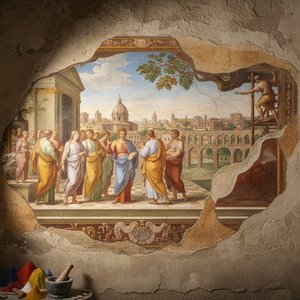
The Enduring Legacy of Fresco: Technique, History & Artistic Expression
Explore the rich history & enduring artistry of fresco painting. Discover techniques from Giotto to Michelangelo, conservation efforts, & modern applications. Learn how ArtsDot brings this timeless art form to your home.

Art That Lives With You: The Emotional Power of a Custom Interior Fresco
Discover the emotional power & timeless beauty of custom interior frescoes. Explore history, design tips & expert guidance from – creating lasting legacies.