The Ancient Roots of Fresco: From Minoan Walls to Roman Villas
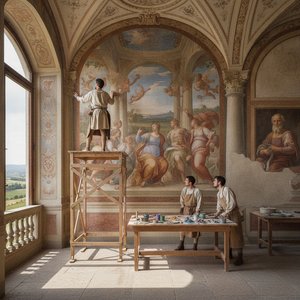
Before the Renaissance masters breathed life into plaster, before Michelangelo’s soaring figures graced the Sistine Chapel ceiling, fresco painting held a venerable place in the artistic traditions of antiquity. Its origins are shrouded in the mists of time, yet compelling evidence points to its flourishing on the island of Santorini, within the remarkably preserved Minoan palace complex of Akrotiri, dating back to the 17th century BC. These vibrant depictions of daily life – bull-leaping ceremonies, processions of flora and fauna, and scenes of maritime activity – reveal a sophisticated understanding of color, composition, and narrative storytelling. The technique employed wasn’t merely decorative; it was an integral part of their culture, reflecting a deep connection to the natural world and a joyous celebration of existence. Moving eastward, fresco found fertile ground in ancient Egypt, adorning tombs with intricate hieroglyphs and scenes from the afterlife, though Egyptian wall painting often utilized tempera alongside or instead of true fresco. However, it was within the Roman Empire that fresco truly began to establish itself as a dominant form of architectural embellishment. Pompeii and Herculaneum offer breathtaking glimpses into this period, with villas lavishly decorated with mythological narratives, still lifes bursting with realism, and intricate geometric patterns. These weren’t simply paintings *on* walls; they were immersive environments designed to evoke specific moods and reflect the status and tastes of their owners. The Romans refined the techniques, experimenting with different plaster layers and pigment sources, laying the groundwork for the artistic innovations that would follow.
Buon Fresco vs. Secco: Mastering the Techniques of Wall Painting
Fresco (pl. frescos or frescoes) is a technique of mural painting executed upon freshly laid ("wet") lime plaster. Water is used as the vehicle for the dry-powder pigment to merge with the plaster, and with the setting of the plaster, the painting be...
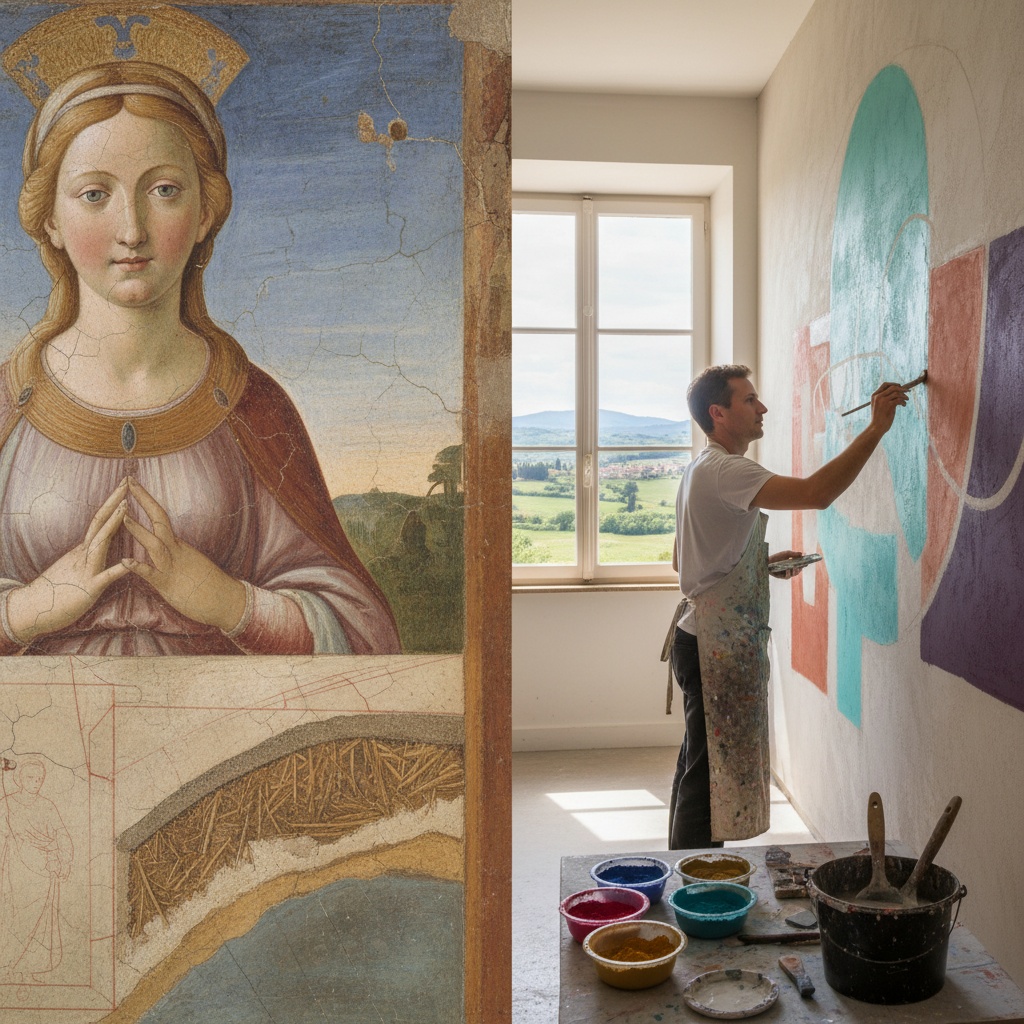
The very term “fresco” – derived from the Italian word *affresco*, meaning “fresh” – hints at the core principle of this demanding art form: painting upon freshly laid, wet lime plaster. But within the broader category of fresco lie distinct techniques, each with its own advantages and limitations. Buon Fresco, or “true fresco,” is considered the most durable method, a testament to the chemical marriage between pigment and plaster. The artist meticulously prepares the wall with layers – the rough *arriccio* base coat followed by the smoother *intonaco*, upon which the image is rendered. Pigments, ground into water (no binding agent needed!), are applied directly to this wet surface. As the plaster dries through a process of carbonation, the pigments become permanently embedded within its structure, creating an artwork that is literally part of the wall itself. This demands speed and precision; the artist must work *alla prima*, completing each section – known as a *giornata* or “day’s work” – before the plaster sets. However, fresco secco, or “dry fresco,” offered greater flexibility. Applied to dried plaster, it allowed for more detailed work and the use of pigments that didn't react well with wet lime. While less durable than buon fresco, *secco* was often employed to supplement true frescoes, adding highlights, shadows, and intricate details. The mastery of both techniques required a deep understanding of materials, chemistry, and an unwavering hand – a testament to the skill and dedication of Renaissance artists.
Giotto’s Revolution: Realism and Emotion in 14th-Century Italy
 Location of the Legend of St Francis fresco cycle
Explore Giotto’s revolutionary frescoes at the Upper Basilica of San Francesco! Witness a pivotal shift in art history – realism, depth & emotion in stunning detail.
While fresco painting had a long history, it was Giotto di Bondone who truly revolutionized the art form in the late 13th and early 14th centuries. His frescoes at the Upper Basilica of San Francesco in Assisi represent a pivotal shift away from the stylized conventions of Byzantine art towards a more naturalistic and emotionally resonant style. Prior to Giotto, figures often appeared flat and ethereal, lacking depth and individual character. Giotto, however, imbued his subjects with volume, weight, and a palpable sense of humanity. He pioneered techniques like chiaroscuro – the use of light and shadow to create three-dimensional form – and carefully observed anatomy, resulting in figures that felt grounded and believable. More importantly, Giotto infused his narratives with genuine emotion. The *Legend of St. Francis* cycle is not merely a recounting of events; it’s a deeply moving portrayal of faith, compassion, and the human condition. His use of composition, color, and gesture to convey narrative clarity and emotional depth set a new standard for fresco painting and profoundly influenced generations of artists to come. The impact of Giotto's work is still visible today, a testament to his enduring legacy.
Michelangelo & the High Renaissance: The Sistine Chapel and Beyond
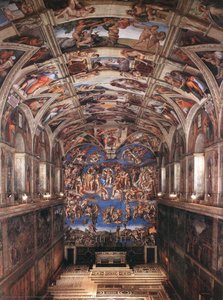
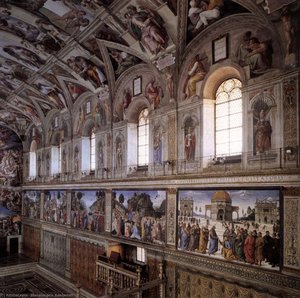 Interior of the Sistine Chapel
Explore Michelangelo’s iconic Sistine Chapel frescoes – ‘Creation of Adam,’ ‘Last Judgment’ & more! Hand-painted reproductions bring Renaissance art home.
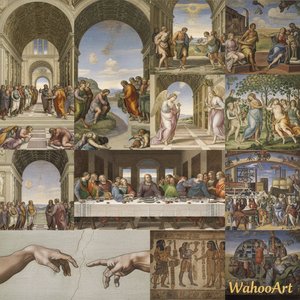
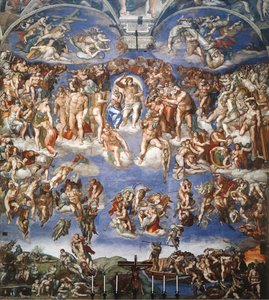
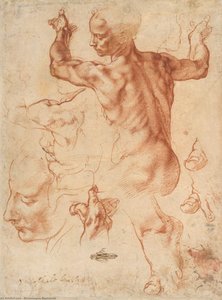
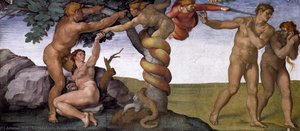
If Giotto laid the foundation for the Renaissance revolution in fresco painting, Michelangelo Buonarroti brought it to its zenith. Commissioned by Pope Julius II, the frescoes adorning the ceiling of the Sistine Chapel stand as one of the most iconic achievements in art history. The sheer scale and ambition of the project are staggering – over 500 square meters covered with scenes from Genesis, including the *Creation of Adam*, the *Fall of Man*, and the *Deluge*. Michelangelo’s mastery of anatomy, perspective, and composition is breathtaking. His figures possess a muscularity and dynamism that had never been seen before, conveying both physical power and profound spiritual intensity. But beyond technical brilliance, the Sistine Chapel frescoes are imbued with complex theological symbolism and philosophical depth. The artist didn't simply illustrate biblical stories; he offered his own interpretation of humanity’s relationship to God, sin, and redemption. Michelangelo also employed innovative techniques, such as scratching indentations into the wet plaster to create subtle highlights and enhance the illusion of depth. His influence extended far beyond the Sistine Chapel, shaping the course of Western art for centuries.
Conservation Challenges & Modern Revivals of a Timeless Art Form
The very durability that makes fresco painting so remarkable also presents unique conservation challenges. Over time, environmental factors – humidity, pollution, and even seismic activity – can cause damage to the plaster layers and pigments. Salt efflorescence, caused by water seeping through the wall, can obscure details and weaken the structure. The delicate nature of the pigments requires meticulous cleaning and restoration techniques. Art restorers employ a range of methods, from consolidating fragile plaster with specialized adhesives to carefully removing layers of grime and overpainting. The conservation of frescoes is not merely about preserving the artwork; it’s about understanding its history, materials, and original intent. In recent years, there has been a renewed interest in fresco painting as a living art form. Artists around the world are rediscovering traditional techniques and pushing the boundaries of the medium. Modern applications range from large-scale murals in public spaces to custom frescoes adorning private residences. This revival is a testament to the enduring appeal of this ancient art form – its ability to connect us to the past, inspire awe, and create lasting beauty.
Bringing Fresco Home: Custom Reproductions and Contemporary Applications
While experiencing the original masterpieces firsthand remains an unparalleled experience, ArtsDot.com offers a unique opportunity to bring the timeless beauty of fresco painting into your own home. Our handmade oil paintings are meticulously crafted by skilled artists, capturing the nuances of brushstrokes, textures, and color palettes found in iconic frescoes like those of Giotto and Michelangelo. These reproductions aren’t simply copies; they are authentic artworks created using traditional methods. Each painting is carefully sketched, layered with professional oils, and finished to exacting standards. Before shipment, you receive a preview photo for approval, ensuring your complete satisfaction. Beyond reproductions, we also offer custom fresco-style paintings from personal photos, allowing you to transform cherished memories into enduring works of art. Whether you’re seeking a statement piece for your living room or a unique gift for a loved one, ArtsDot.com provides access to the world’s great artworks and empowers you to create lasting legacies through the power of art.