 Preview
 Send
Send Share
Share
 Details

 Download
 Similars
 X-Ray
X-Ray Diaporama
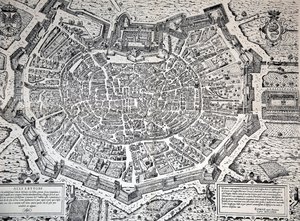
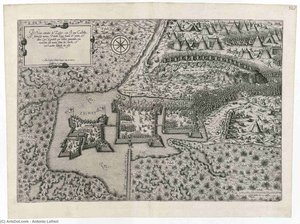
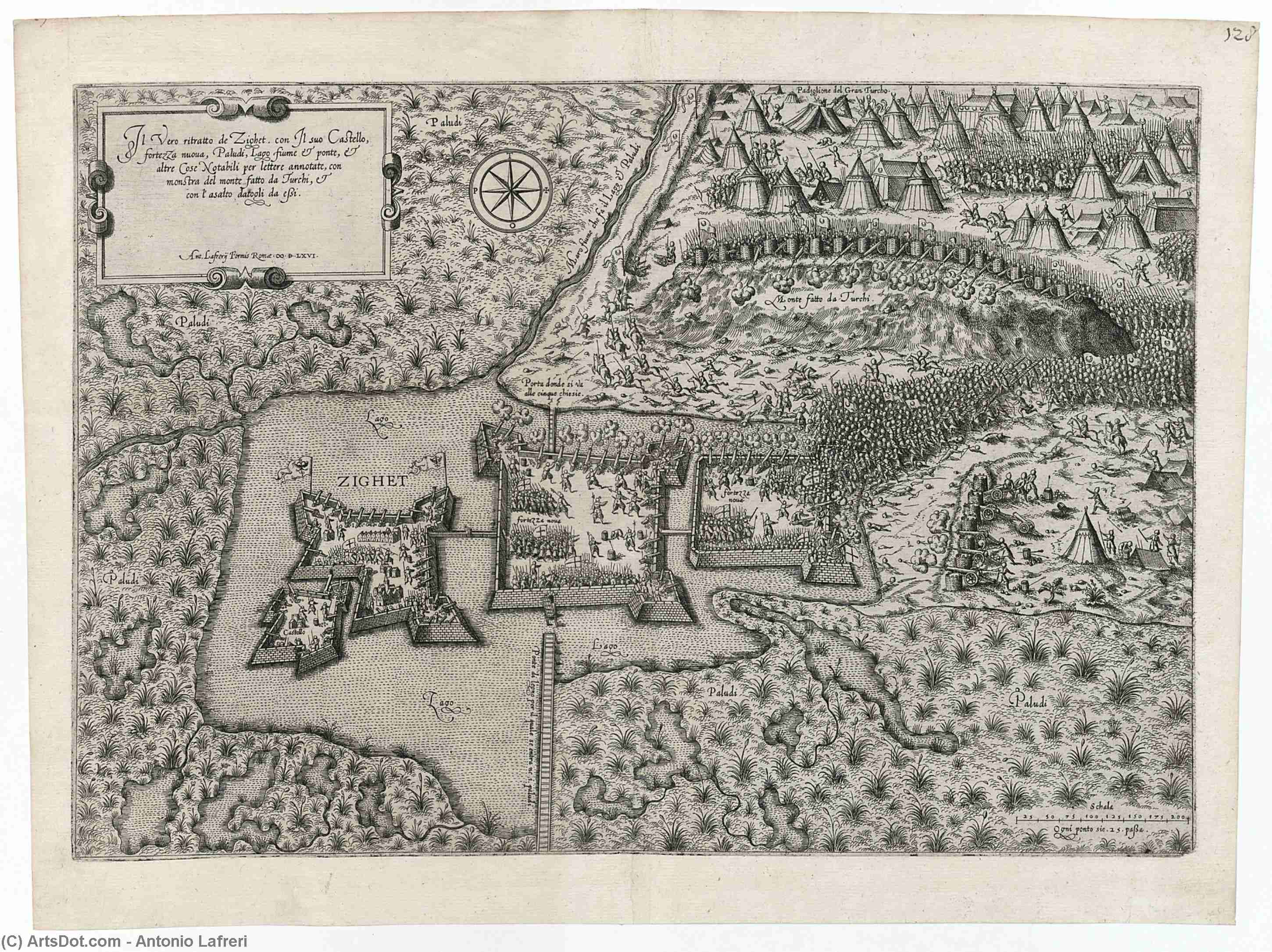
The real portrait de Zighet with its castle
 Read More
Hand Made Oil Reproduction
Hand-painted oil on canvas in your size and frame, made to order by our artists. ( Buy Print Buy Image)




































Pick from our preset sizes that match the artwork's original proportions.

You may enter your own dimensions to fit a specific frame or space. If your selected size does not match the original image's proportions, we will either crop the artwork or extend the painting with additional hand-painted elements. A digital mockup will be sent for your approval before production begins.
Please note that the on-screen preview does not reflect the actual cropping or extension. Only the mockup will accurately show the final composition.
While custom sizes are available, we recommend selecting a dimension from the predefined list to preserve the original proportions.
After order, ArtsDot.com team will email client for instructions and provide a mockup preview
Worldwide Delivery () in 3/4 weeks instead of standard 5 weeks. (17 August). No compromise on quality.

Free Worldwide Express Shipping

High-Quality Linen Canvas

Full Shipping Insurance

Customs Tax Refund Guarantee

True Color Matching Guarantee

60-Day Return Policy (Defects Only)

100% Money-Back Guarantee

Bulk Discount Offer
 Glass option is only available in size under 110 CM

The real portrait de Zighet with its castle
Reproduction Medium
Reproduction Size
-


Total Price
$ 263
Related Artworks
Artist Biography
Antonio Lafreri: A Pioneer of Roman Topography
Antonio Lafreri (1512 – 1577) stands as a singular figure in the artistic landscape of the Italian Renaissance, celebrated primarily for his groundbreaking contributions to topographical art and engraving. Born in Orgelet, France, he embarked on an extraordinary journey that propelled him from humble beginnings to become one of Rome’s most prolific cartographers and illustrators, shaping our understanding of the city during its golden age. His meticulous depictions captured not merely physical spaces but also imbued them with symbolic meaning, reflecting the intellectual currents of Mannerism and cementing his legacy as a pivotal voice in documenting the visual culture of his time.- Early Life & Training: Lafreri’s formative years were spent honing his artistic skills under the tutelage of Giovanni Battista Buoncompagni, later Pope Gregory XIII, marking him as part of a prestigious papal circle. This association instilled in him a profound appreciation for humanist scholarship and fostered an unwavering dedication to accurate observation – qualities that would define his entire career.
- Rome & Cartographic Innovation: Lafreri arrived in Rome around 1540, quickly establishing himself as a master engraver and embarking on ambitious projects aimed at comprehensively mapping the city. Unlike previous attempts, Lafreri’s maps weren't simply sketches; they were painstakingly researched documents incorporating architectural plans, measurements, and detailed descriptions of monuments and buildings. He collaborated extensively with Federico Bartolomeo Amerigo Vespucci, a renowned explorer and humanist, furthering his reputation as an intellectual giant.
Lafreri’s Artistic Style & Technique
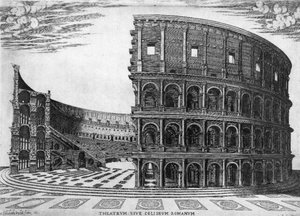
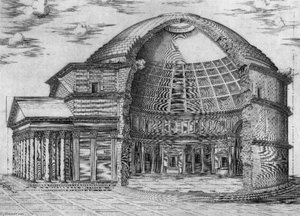
Lafreri's artistic style is characterized by its dramatic flair and masterful execution. Influenced by Michelangelo Buonarroti and Andrea Palladio, he embraced Mannerist principles – emphasizing expressive gesture, distorted perspective, and theatrical lighting—to convey a sense of grandeur and psychological depth. His engravings possessed an unparalleled level of realism achieved through meticulous hatching and cross-hatching techniques, meticulously recreating the textures and contours of stone surfaces with astonishing precision. This dedication to detail extended beyond mere representation; Lafreri sought to capture not just what was seen but also how it felt—a testament to his artistic vision.- Notable Engravings: Among Lafreri’s most celebrated works are his engravings of the Pantheon and the Colosseum, masterpieces that continue to inspire awe. The Pantheon engraving exemplifies Mannerist drama, portraying the vast interior space with a dynamic interplay of light and shadow, highlighting the architectural magnificence of this ancient temple.
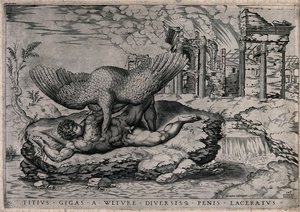
- Illustrations & Mythological Subjects: Lafreri’s artistic versatility shone through in his illustrations of mythological narratives, notably Prometheus Bound to a Rock. His depiction powerfully conveys themes of suffering, resilience, and divine retribution—demonstrating his ability to infuse classical mythology with humanist sensibilities.
Legacy & Historical Significance
Antonio Lafreri’s maps and engravings transcended mere documentation; they served as vital instruments for disseminating knowledge about Rome and shaping perceptions of the Renaissance ideal. His work profoundly impacted subsequent generations of artists and scholars, establishing him as a cornerstone of topographical art and influencing the development of architectural illustration. Furthermore, Lafreri's commitment to humanist principles—combining scientific observation with artistic expression—embodied the spirit of the era, securing his place among the most influential figures in Italian Renaissance culture. His legacy persists today through reproductions of his engravings and continued admiration for his unparalleled skill and vision.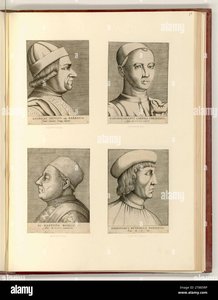
antonio lafreri
1512 - 1577 , France
Quick Facts
- Artistic Movement Or Style: Mannerism
- Artists Or Movements Influenced By This Artist:
- El Greco
- Tintoretto
- Artists Who Influenced This Artist:
- Andrea Palladio
- Giorgio Vasari
- Date Of Birth: Orgelet, France (1512)
- Date Of Death: 1577
- Full Name: Antonio Lafreri
- Nationality: Italian
- Notable Artworks:
- The Pantheon in Rome
- Prometheus bound to a rock, his liver eaten by an eagle
- Place Of Birth: France