 Preview
 Send
Send Share
Share
 Details

 Download
 Similars
 X-Ray
X-Ray Diaporama
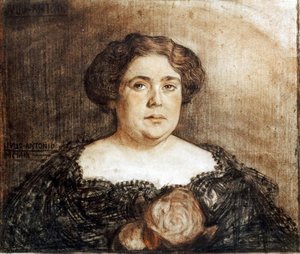
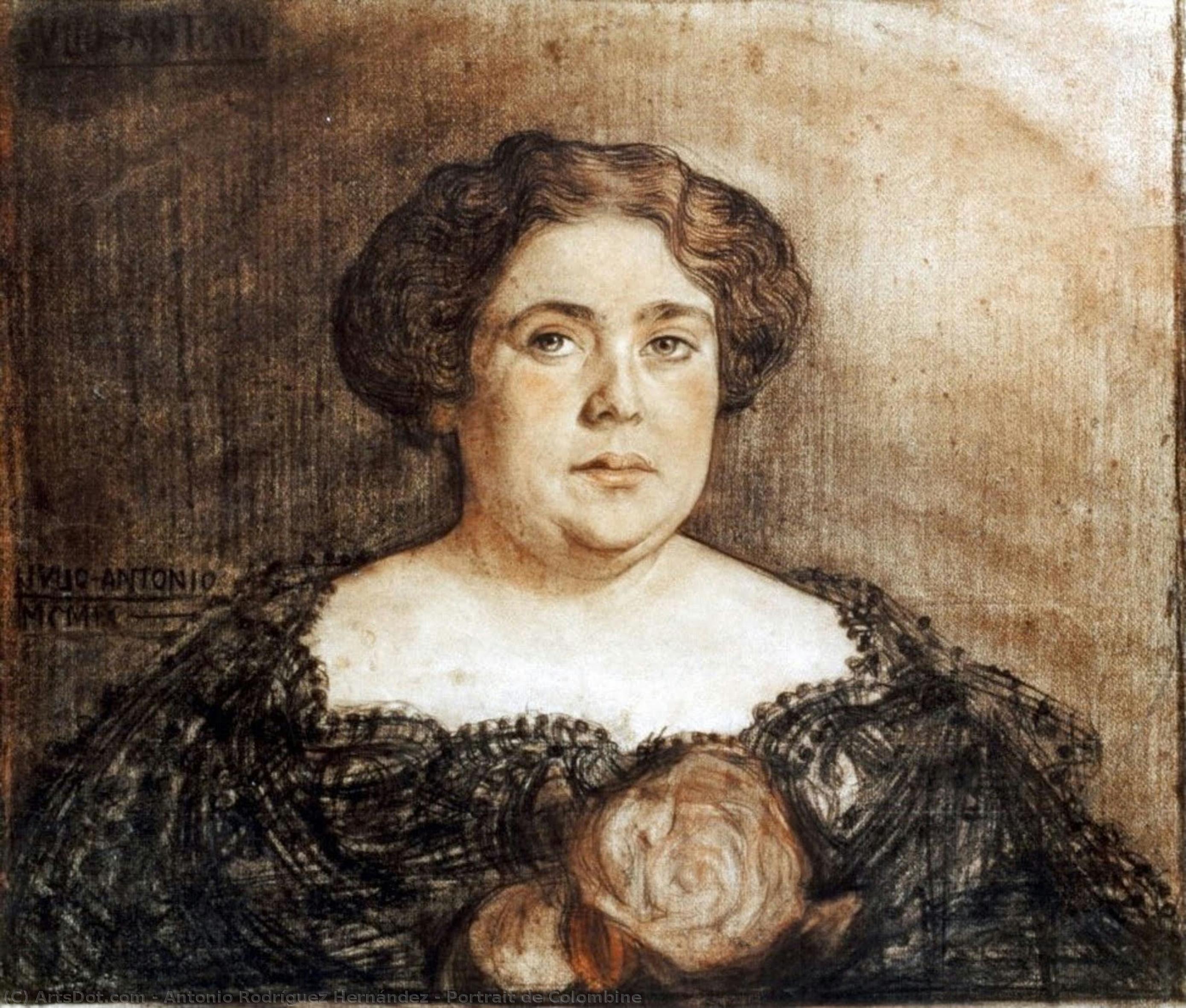
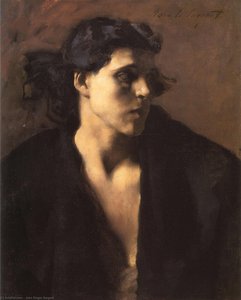
Portrait de Colombine
 Charcoal
- WallArt
- Academic Realism
 19th Century
 60.0 x 50.0 cm
 Museum of Fine Arts of Córdoba
 Read More
Hand Made Oil Reproduction
Hand-painted oil on canvas in your size and frame, made to order by our artists. ( Buy Print Buy Image)




P118B $10

P118H $10

P118W $10

P438Z $10

P508JH $12

P508YH $12

P805H $10

P805Z $10

P919BZ $10

P919G $10

P919XJ $10

P959ZH $10

P968JZ $12

W106C $8

W218G $10

W218JH $8

W218Y $10

W307PJ $10

W316G $10

W316PJ $8

W316Y $10

W398PJ $8

W4111J $10

W500HY $15

W500JH $15

W692G $12

W849H $8

W940BG $15

W953PJ $8




Pick from our preset sizes that match the artwork's original proportions.

You may enter your own dimensions to fit a specific frame or space. If your selected size does not match the original image's proportions, we will either crop the artwork or extend the painting with additional hand-painted elements. A digital mockup will be sent for your approval before production begins.
Please note that the on-screen preview does not reflect the actual cropping or extension. Only the mockup will accurately show the final composition.
While custom sizes are available, we recommend selecting a dimension from the predefined list to preserve the original proportions.
After order, ArtsDot.com team will email client for instructions and provide a mockup preview
Worldwide Delivery () in 3/4 weeks instead of standard 5 weeks. (17 August). No compromise on quality.

Free Worldwide Express Shipping

High-Quality Linen Canvas

Full Shipping Insurance

Customs Tax Refund Guarantee

True Color Matching Guarantee

60-Day Return Policy (Defects Only)

100% Money-Back Guarantee

Bulk Discount Offer
 Glass option is only available in size under 110 CM

Portrait de Colombine
Reproduction Medium
Reproduction Size
-


Total Price
$ 263
Artwork Description
A Glimpse into Parisian Elegance: The Allure of Portrait de Colombine
This captivating portrait offers an intimate window into a moment steeped in late 19th or early 20th-century elegance. At its heart stands the subject, portrayed with a delicate grace that immediately draws the viewer's eye. She is adorned in what appears to be an ornate gown, suggesting a life of refinement and social standing. The artist has masterfully captured her gaze; she seems directed just beyond the frame, perhaps toward a shared moment or a distant thought, lending the piece an air of thoughtful contemplation that transcends mere representation.
Technique and Compositional Depth
The execution speaks to a skilled hand, rendered in a style that balances formal portraiture with palpable emotional resonance. While the photograph suggests a rich application of paint, the overall effect is one of studied composition. The inclusion of other figures subtly populates the background, adding layers of narrative depth and suggesting a bustling social setting just beyond the primary focus. These secondary elements prevent the portrait from feeling static; instead, they weave a tapestry of human interaction around the central figure.
Symbolism in Bloom: The Language of Flowers
The detail of the single rose held gently in her hand elevates the piece from a simple likeness to a rich symbolic statement. In art history, the rose is perhaps one of the most potent symbols—it speaks simultaneously of burgeoning love, fleeting beauty, and profound mystery. Its presence invites the viewer to ponder the narrative surrounding it: Is this bloom a promise, a remembrance, or a delicate farewell? This single floral accent acts as an emotional anchor for the entire composition.
Historical Echoes and Emotional Resonance
To gaze upon this work is to connect with a bygone era where portraiture served not only to record appearance but also to encapsulate social roles and inner life. The soft lighting, combined with the subject's poised demeanor, evokes a sense of timeless femininity. For collectors and designers alike, this piece offers more than mere decoration; it provides an atmospheric centerpiece—a whisper of sophisticated history that can infuse any room with cultured warmth and enduring beauty.
Related Artworks
Artist Biography
Vincent van Gogh: A Life Painted in Passion
Vincent Willem van Gogh, born on March 30, 1853, in Groot-Zundert, Netherlands, remains one of the most recognizable and profoundly influential figures in art history. His life was tragically short – just 37 years – yet within that brief span, he produced over two thousand artworks: paintings, drawings, and prints that continue to captivate audiences with their raw emotion, vibrant colors, and distinctive brushwork. More than simply a painter, Van Gogh was an explorer of the human condition, grappling with themes of isolation, faith, suffering, and ultimately, hope. His journey from a struggling art dealer to a celebrated artist is a testament to his unwavering dedication and unique artistic vision.
Early Life and Influences (1853-1880)
Van Gogh’s early life was marked by a sense of restlessness and a search for purpose. Born into an upper-middle-class family, he received a relatively conventional education but struggled to find his place in society. He initially worked as an art dealer at Goupil & Cie in The Hague and London, dealing primarily in works by Millet and Corot. This experience exposed him to the commercial realities of the art world and fostered a deep appreciation for landscape painting, particularly the quiet beauty of rural scenes. However, he found the work stifling and ultimately resigned due to disagreements with his employer. A period spent as a missionary in Borinage, Belgium, amongst impoverished coal miners, profoundly impacted him, fueling a desire to depict the lives of ordinary people and alleviate their suffering. This experience instilled in him a deep empathy and a commitment to portraying the dignity of labor.
The Development of His Style (1880-1888)
Returning to Paris in 1886, Van Gogh immersed himself in the vibrant artistic scene. He encountered Impressionism, Post-Impressionism, and Pointillism, absorbing techniques and influences from artists like Monet, Renoir, Pissarro, and Seurat. Crucially, he also befriended Paul Gauguin, whose radical ideas about color and form would significantly shape Van Gogh’s own artistic development. During this period, his palette became increasingly bold and expressive, moving away from the muted tones of his earlier work towards a vibrant range of yellows, blues, and greens. He began experimenting with techniques like broken brushstrokes and impasto – applying paint thickly to create texture and depth – which would become hallmarks of his style. His early Parisian works, such as *Self-Portrait with Bandaged Ear* (1889), reveal a growing sense of psychological turmoil alongside an intensifying artistic drive.
Arles and the Intensification of Emotion (1888-1889)
In 1888, Van Gogh moved to Arles in southern France, hoping to establish an artist’s colony. He envisioned a community where artists could live and work together, fostering creativity and mutual support. He invited Paul Gauguin to join him, but their relationship quickly deteriorated due to fundamental differences in artistic vision and temperament. The intense arguments culminated in a violent episode during which Van Gogh mutilated his own ear. This event marked a significant turning point in his life, leading to hospitalization at the Saint-Paul asylum in Saint-Rémy-de-Provence. Despite his mental struggles, he continued to paint prolifically during this period, producing some of his most iconic works, including *The Starry Night* (1889), *Sunflowers* (1888), and numerous landscapes depicting the Provençal countryside. These paintings are characterized by an almost feverish intensity, reflecting Van Gogh’s emotional state and his profound connection to nature.
Final Months and Legacy (1889-1890)
In May 1889, Van Gogh moved to Auvers-sur-Oise, near Paris, where he was cared for by Dr. Paul Gachet. Despite the medical attention, his mental health continued to deteriorate. On July 27, 1890, he shot himself in the chest and died two days later at the age of 37. His final act remains shrouded in mystery, with some historians suggesting it was a deliberate attempt to end his suffering, while others believe it may have been a tragic accident. Vincent van Gogh’s tragically short life left behind an extraordinary body of work that profoundly influenced the course of modern art. His expressive use of color, dynamic brushwork, and deeply personal subject matter paved the way for Expressionism and continues to resonate with audiences today. He is now recognized as one of the most important and beloved artists in history, his paintings treasured for their emotional power and enduring beauty.
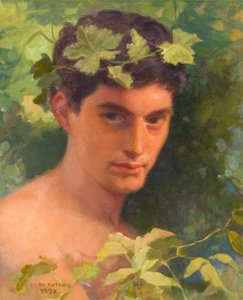
antonio rodríguez hernández
1889 - 1919 , Spain
Quick Facts
- Artistic Movement Or Style: Post-Impressionism
- Artists Or Movements Influenced By This Artist: ['Expressionism']
- Artists Who Influenced This Artist:
- Eugène Delacroix
- Vincent van Gogh
- Date Of Birth: 30 March 1853
- Date Of Death: 29 July 1890
- Full Name: Vincent Willem van Gogh
- Nationality: Dutch
- Notable Artworks:
- Sunflowers
- Bedroom in Arles
- Starry Night
- Wheatfield with Crows
- Place Of Birth: Netherlands
Related Articles
Academic Realism's Finest: 10 Masterpieces for Art Lovers & Home Decor
Explore 10 defining Academic Realism masterpieces by Bouguereau, Gérôme & Cabanel. Discover the stories behind these iconic paintings and bring timeless art into your home with museum-quality reproductions from ArtsDot.com. Explore the full collection online!
Academic Realism: Technique, History & Enduring Influence on Art
Explore the captivating world of Academic Realism! Discover key artists, techniques & its lasting impact on art history. Expert insights & high-quality reproductions at ArtsDot.
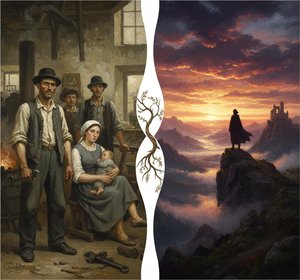
Romantic Realism's Finest: 10 Masterpieces for Your Home | ArtsDot
Explore 10 defining masterpieces of Romantic Realism! Discover Courbet, Millet & Daumier's powerful paintings—capturing emotion and social realities. Find museum-quality reproductions for your home at ArtsDot.com.
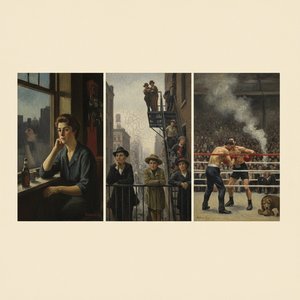
American Realism: Social Commentary & Artistic Representation in Early 20th-Century Painting
Explore the powerful social commentary & artistic representation of American Realism. Discover key artists like Bellows & Sloan, and understand the movement's lasting impact on 20th-century art history.
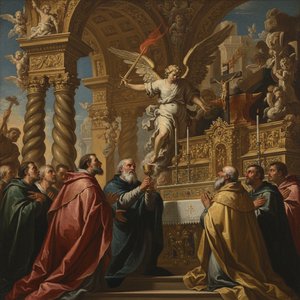
The Golden Age Reforged: Dramatic Realism & Religious Zeal in Spanish Baroque Art
Explore the dramatic world of Spanish Baroque art! Discover masters like Zurbarán & the powerful influence of religious zeal on painting techniques – a guide for collectors and enthusiasts.