 Preview
 Send
Send Share
Share
 Details

 Download
 Similars
 X-Ray
X-Ray Diaporama
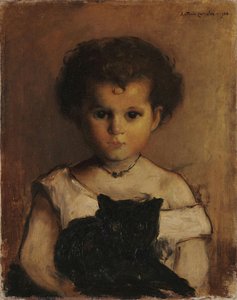
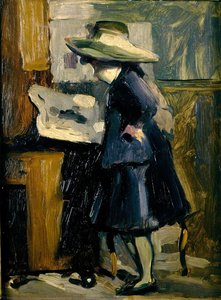
Girl with cat
 Oil
Oil- WallArt
- Expressionism
 1900
1900- 19th Century
 41.0 x 32.0 cm
 Soares dos Reis National Museum
 Read More
Hand Made Oil Reproduction
Hand-painted oil on canvas in your size and frame, made to order by our artists. ( Buy Print Buy Image)




P118B $10

P118H $10

P118W $10

P438Z $10

P508JH $12

P508YH $12

P805H $10

P805Z $10

P919BZ $10

P919G $10

P919XJ $10

P959ZH $10

P968JZ $12

W106C $8

W218G $10

W218JH $8

W218Y $10

W307PJ $10

W316G $10

W316PJ $8

W316Y $10

W398PJ $8

W4111J $10

W500HY $15

W500JH $15

W692G $12

W849H $8

W940BG $15

W953PJ $8




Pick from our preset sizes that match the artwork's original proportions.

You may enter your own dimensions to fit a specific frame or space. If your selected size does not match the original image's proportions, we will either crop the artwork or extend the painting with additional hand-painted elements. A digital mockup will be sent for your approval before production begins.
Please note that the on-screen preview does not reflect the actual cropping or extension. Only the mockup will accurately show the final composition.
While custom sizes are available, we recommend selecting a dimension from the predefined list to preserve the original proportions.
After order, ArtsDot.com team will email client for instructions and provide a mockup preview
Worldwide Delivery () in 3/4 weeks instead of standard 5 weeks. (16 August). No compromise on quality.

Free Worldwide Express Shipping

High-Quality Linen Canvas

Full Shipping Insurance

Customs Tax Refund Guarantee

True Color Matching Guarantee

60-Day Return Policy (Defects Only)

100% Money-Back Guarantee

Bulk Discount Offer
 Glass option is only available in size under 110 CM

Girl with cat
Reproduction Medium
Reproduction Size
-


Total Price
$ 263
Artwork Description
A Tender Encounter in Shadow and Light
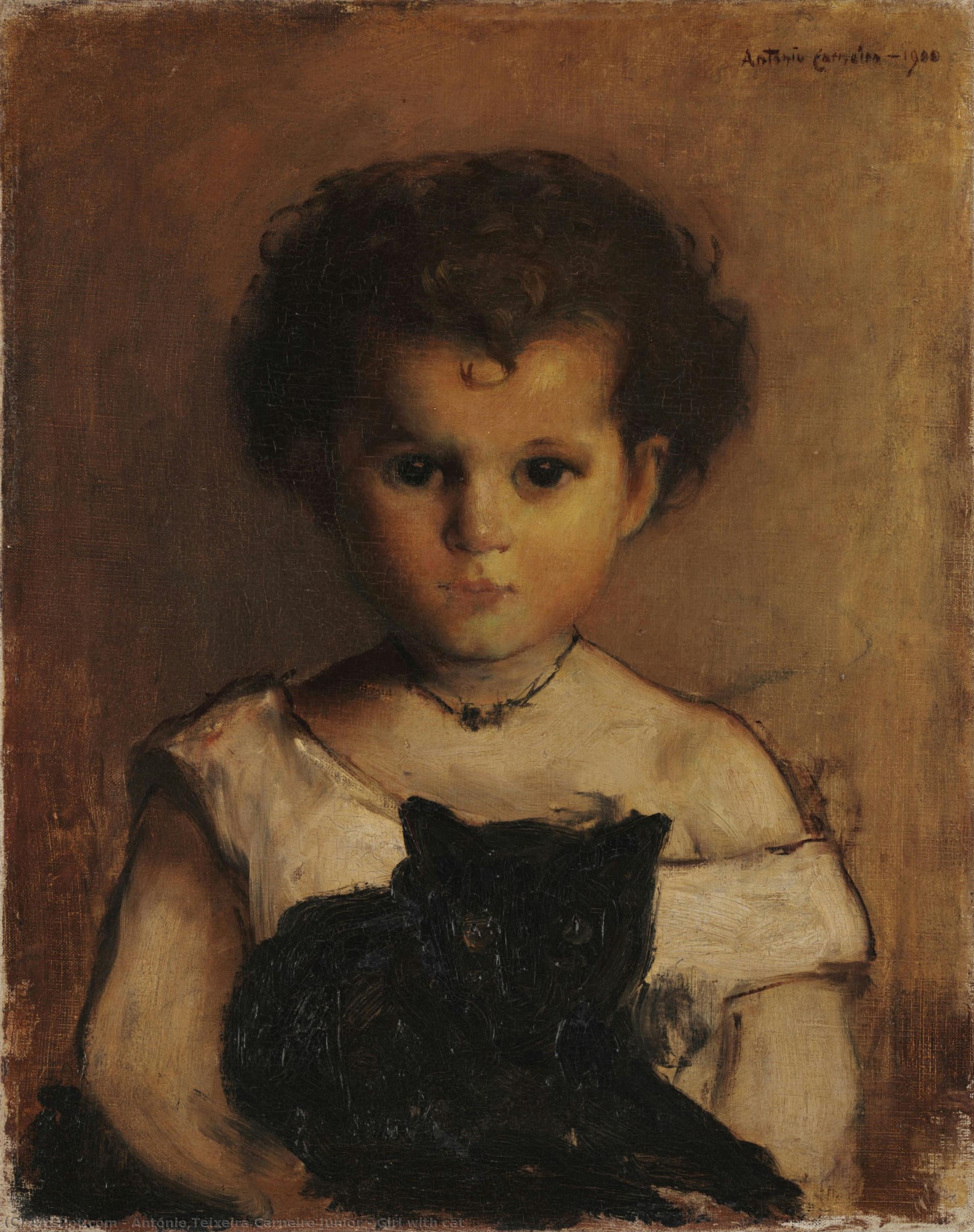
In the delicate brushstrokes of António Teixeira Carneiro Júnior’s Girl with Cat, we find ourselves transported to the turn of the twentieth century, a period where the boundaries between reality and emotion began to blur through the lens of Expressionism. This poignant portrait captures a moment of profound stillness, featuring a young girl cradling a black cat against her chest. The composition is anchored by the striking contrast of her pristine white dress, which acts as a luminous beacon amidst the more muted, atmospheric tones of the background. As she holds the feline companion, there is an unmistakable sense of intimacy and sanctuary, a quiet rebellion against the bustling world that exists just beyond the frame.
The artist’s mastery lies in his ability to weave a narrative of companionship and vulnerability. The cat, resting comfortably in the girl's arms, serves as more than just a subject; it is a symbol of silent empathy and the comfort found in nature's simplest connections. While the foreground focuses on this tender bond, the subtle presence of figures in the background suggests a larger social tapestry—perhaps a gathering or a family event—yet they remain secondary to the emotional core of the piece. This technique creates a sense of depth that draws the viewer into the girl's private world, making the observer feel like an invited witness to a fleeting, sacred moment of peace.
The Soul of Portuguese Expressionism
To understand the weight behind this painting, one must look toward the life of Carneiro Júnior himself. Raised in the shadows of loss and shaped by the walls of an orphanage in Porto, the artist infused his work with a unique psychological depth that became a hallmark of Portuguese Expressionism. His technique avoids mere imitation of life; instead, he uses light and texture to evoke the spiritual and the melancholic. In Girl with Cat, the way the light catches the folds of the white fabric and the soft contours of the girl's face reflects his lifelong exploration of themes such as loss, resilience, and the search for light within darkness.
For collectors and interior designers alike, this artwork offers a sophisticated emotional resonance that transcends simple decoration. A high-quality reproduction of this piece brings a sense of historical gravity and quiet elegance to any space. Whether placed in a sunlit study or a contemplative gallery nook, the painting serves as a conversation piece that invites reflection on the beauty of innocence and the enduring strength of companionship. It is an investment in a legacy of emotion, offering a timeless window into the heart of a master who found profound meaning in the most delicate of human connections.
Related Artworks
Artist Biography
A Life Forged in Shadow and Light: The World of António Teixeira Carneiro Júnior
António Teixeira Carneiro Júnior, a pivotal figure in Portuguese Expressionism, was an artist whose life story is as compelling and emotionally resonant as the canvases he imbued with psychological depth. Born in Amarante, Portugal, in 1872, his early years were marked by profound loss and abandonment. The absence of his father and the untimely death of his mother led to a childhood spent within the walls of the Santa Casa da Misericórdia orphanage in Porto. This formative experience, while undoubtedly difficult, proved unexpectedly crucial; it was there that Carneiro received his initial artistic training, nurturing a nascent talent for drawing through copying religious illustrations. The institution provided not merely shelter but also a spark—an early recognition of an ability that would define his life’s path. It was this foundation that ultimately led him to the Escola Superior de Belas-Artes do Porto in 1884, where he studied under João Marques de Oliveira, beginning a formal artistic education that would soon blossom into something uniquely his own.Parisian Influences and the Birth of an Expressionist Vision
The trajectory of Carneiro’s artistry took a significant turn with his sojourn to Paris. Enrolling at the Académie Julien in 1897, he immersed himself in the artistic currents of the French capital, studying under luminaries like Jean-Paul Laurens and Jean-Joseph Benjamin-Constant. This period proved transformative, exposing him to new techniques and aesthetic philosophies that would profoundly influence his style. However, Carneiro didn’t simply absorb these influences; he synthesized them with a distinctly Portuguese sensibility, forging an artistic voice that was both modern and deeply rooted in his own cultural heritage. It was during this time that he began to move away from the prevailing naturalism of the era, gravitating towards Symbolist ideas and exploring themes of spirituality, melancholy, and introspection. This culminated in his groundbreaking triptych “A Vida” (Life), completed around 1900, which earned him a Silver Medal at the Exposition Universelle in Paris—a pivotal moment that signaled the beginning of widespread recognition for his unique artistic vision. The work itself is a testament to his burgeoning expressionist style, capturing not merely outward appearances but the inner emotional landscape of existence.A Master of Psychological Portraiture and Landscape
Carneiro’s oeuvre is characterized by an intense focus on psychological depth, particularly evident in his portraits. He wasn't interested in mere physical likeness; rather, he sought to capture the essence of his subjects—their inner turmoil, their hopes, their fears. His figures often possess a haunting quality, their eyes gazing out with an unsettling intensity that draws the viewer into their emotional world. This ability to convey profound psychological states extended beyond portraiture and permeated his landscapes as well. He didn’t simply depict scenes; he imbued them with mood and atmosphere, transforming natural settings into reflections of the human condition. His landscapes are often stark and dramatic, reflecting a sense of isolation and existential questioning. Throughout his career, Carneiro also engaged in illustration, producing evocative drawings for Dante's *Inferno* that showcase his mastery of line and shadow. He was a prolific artist, constantly experimenting with different techniques and styles, yet always remaining true to his core artistic principles.Legacy and Influence: A Professor and Cultural Force
Beyond his accomplishments as a painter and illustrator, António Carneiro left an enduring legacy as an educator and cultural figure. In 1918, he was appointed Chair of the drawing department at the Escola de Belas-Artes do Porto, where he profoundly influenced generations of aspiring artists. He wasn’t merely a technical instructor; he encouraged his students to explore their own artistic voices, to challenge conventions, and to embrace experimentation. His teachings fostered a spirit of innovation that helped shape the course of Portuguese art in the 20th century. Furthermore, Carneiro was deeply involved in Portugal's literary and cultural scene, contributing to influential magazines like *Atlantida* and *Renascença Portuguesa*. He actively participated in intellectual debates and played a key role in shaping the artistic discourse of his time. His multifaceted contributions—as an artist, educator, and cultural commentator—cemented his position as one of Portugal’s most important modern masters. He remains a figure whose work continues to resonate with audiences today, offering a powerful glimpse into the complexities of the human soul.Rediscovering Carneiro: Museums and Continued Appreciation
Today, António Teixeira Carneiro Júnior's works can be found in prominent collections across Portugal, including the Centro de Arte Moderna Gulbenkian in Lisbon and the Museu da Fundação Dionísio Pinheiro e Alice Cardoso Pinheiro in Águeda. These institutions provide opportunities for audiences to engage with his art firsthand, appreciating the nuances of his technique and the depth of his emotional expression. The Museu da Fundação Dionísio Pinheiro e Alice Cardoso Pinheiro, in particular, holds a significant collection of Carneiro’s work, offering valuable insights into his artistic development. His paintings continue to be exhibited internationally, ensuring that his legacy endures for future generations. As scholars and art enthusiasts alike rediscover the richness and complexity of his oeuvre, António Teixeira Carneiro Júnior is rightfully taking his place among the most important figures in Portuguese Expressionism—an artist whose life and work serve as a testament to the power of art to illuminate the human condition.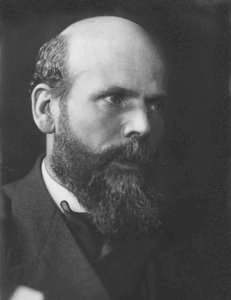
António Teixeira Carneiro Júnior
1872 - 1930 , Portugal
Quick Facts
- Artistic Movement Or Style: Expressionism
- Artists Who Influenced This Artist:
- João Marques de Oliveira
- Jean-Paul Laurens
- Benjamin-Constant
- Date Of Birth: 1872
- Date Of Death: 1930
- Full Name: António Teixeira Carneiro Júnior
- Nationality: Portuguese
- Notable Artworks:
- Landscape – Leça da Palmeira
- Dionísio Pinheiro profile study
- Untitled
- Dionysus and Hestia
- Place Of Birth: Amarante, Portugal
Related Articles
Expressionist Painting: 10 Masterpieces That Defined a Movement | ArtsDot
Explore 10 Expressionist paintings that revolutionized art! Discover Munch, Kirchner & Kandinsky's iconic works. Find museum-quality reproductions and vibrant canvas prints to elevate your home decor on ArtsDot.com.
Alfredo Roque Gameiro: A Portuguese Master of Historical Painting & Artistic Eclecticism
Discover Alfredo Roque Gameiro (1864-1935), a renowned Portuguese painter celebrated for his vibrant watercolors and historical illustrations. Explore his legacy & artworks at ArtsDot.
August Macke: Expressionist Visions of Harmony & Modern Life
Explore the vibrant Expressionist paintings of August Macke (1887-1914). Discover his key role in Der Blaue Reiter, Fauvist influences, and captivating depictions of modern life. A comprehensive guide for art enthusiasts & collectors.

The Visceral Self: Exploring Emotion & Identity in Expressionist Portraiture
Explore the powerful world of Expressionist portraiture with ArtsDot. Discover how artists captured raw emotion & identity through bold color and distortion. Expert insights for collectors.

Beyond Reality: The Raw Emotion and Distorted Beauty of Expressionist Landscapes
Explore the profound emotional depth of Expressionist landscapes. From Munch to Kirchner, discover how bold colors and distorted forms redefine reality through art history's most evocative masterpieces.