 Preview
 Send
Send Share
Share
 Details

 Download
 Similars
 X-Ray
X-Ray Diaporama
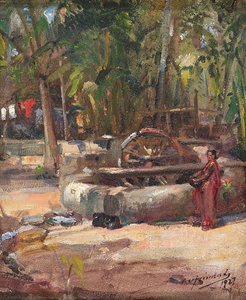
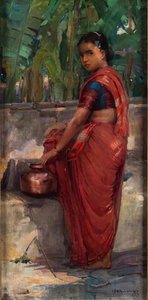
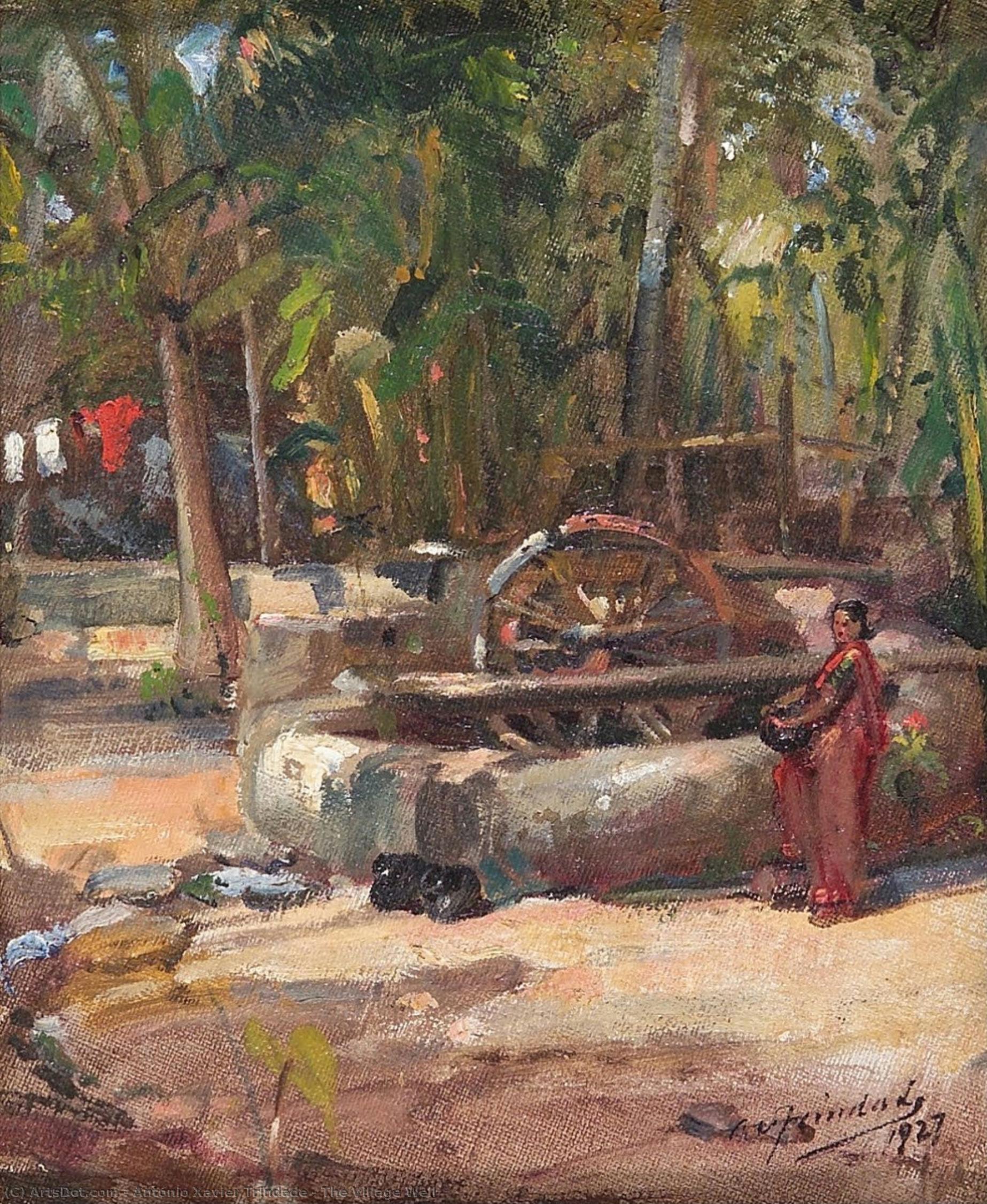
The Village Well
 Acrylic On Canvas
- WallArt
- Contemporary Realism
 1927
1927 42.0 x 37.0 cm
 Museu do Oriente
 Read More
Hand Made Oil Reproduction
Hand-painted oil on canvas in your size and frame, made to order by our artists. ( Buy Print Buy Image)




P118B $10

P118H $10

P118W $10

P438Z $10

P508JH $12

P508YH $12

P805H $10

P805Z $10

P919BZ $10

P919G $10

P919XJ $10

P959ZH $10

P968JZ $12

W106C $8

W218G $10

W218JH $8

W218Y $10

W307PJ $10

W316G $10

W316PJ $8

W316Y $10

W398PJ $8

W4111J $10

W500HY $15

W500JH $15

W692G $12

W849H $8

W940BG $15

W953PJ $8




Pick from our preset sizes that match the artwork's original proportions.

You may enter your own dimensions to fit a specific frame or space. If your selected size does not match the original image's proportions, we will either crop the artwork or extend the painting with additional hand-painted elements. A digital mockup will be sent for your approval before production begins.
Please note that the on-screen preview does not reflect the actual cropping or extension. Only the mockup will accurately show the final composition.
While custom sizes are available, we recommend selecting a dimension from the predefined list to preserve the original proportions.
After order, ArtsDot.com team will email client for instructions and provide a mockup preview
Worldwide Delivery () in 3/4 weeks instead of standard 5 weeks. (17 August). No compromise on quality.

Free Worldwide Express Shipping

High-Quality Linen Canvas

Full Shipping Insurance

Customs Tax Refund Guarantee

True Color Matching Guarantee

60-Day Return Policy (Defects Only)

100% Money-Back Guarantee

Bulk Discount Offer
 Glass option is only available in size under 110 CM

The Village Well
Reproduction Medium
Reproduction Size
-


Total Price
$ 263
Artwork Description
A Window Into Rural Goa: António Xavier Trindade’s ‘The Village Well’
This unassuming canvas—measuring 42 x 37 cm—holds within it a profound reflection of Portuguese India and the artist's deeply rooted connection to his ancestral homeland. Painted in 1927, “The Village Well” by António Xavier Trindade transcends mere depiction; it embodies a poignant nostalgia for simpler times, skillfully capturing the essence of rural Konkan life through a masterful blend of observation and artistic interpretation. Marcella Shihandi’s meticulous research into Trindade's oeuvre confirms its significance as part of a broader exploration of Indian visual culture during the colonial period.- Subject Matter: The painting portrays a quintessential rural scene—a woman drawing water from a well—surrounded by lush vegetation, including coconut palms and dense foliage characteristic of Goa’s tropical coastline. This deliberate choice wasn't simply about recording reality; it served as a conduit for conveying Trindade’s emotional response to his formative environment.
- Style: Trindade’s style aligns closely with European naturalism, yet distinguishes itself through an Indian sensibility. He eschews grand narratives or dramatic compositions, favoring instead a quiet intimacy that invites contemplation and fosters a sense of serene beauty. The artist's meticulous attention to detail—particularly in rendering the textures of bark, leaves, and water—demonstrates his dedication to capturing the subtleties of the natural world.
- Technique: Employing oil paints on canvas, Trindade achieved remarkable luminosity and tonal gradation using a layering technique. The dominant yellow hue permeates the scene, creating an atmosphere of warmth and inviting visual comfort. Careful brushstrokes contribute to the overall impression of texture and depth, enhancing the realism of the depiction.
Historical Context: Colonial India and Artistic Expression
“The Village Well” emerged during a period of significant cultural exchange between Portugal and India. The Mayo Silver Medal awarded to Trindade in 1892 underscores the recognition accorded to his artistic merit within the burgeoning Indian art scene. This honor reflects the broader ambition of colonial educators—such as Sir Jamsetjee Jeejeebhoy School of Art—to cultivate indigenous talent while simultaneously grounding it in European artistic traditions. The painting’s documentation of daily life speaks volumes about the social realities of Goa during Trindade's time, offering a valuable glimpse into the lives of ordinary Goanese people.Symbolism and Emotional Resonance
Beyond its visual beauty, “The Village Well” carries symbolic weight. The well itself represents sustenance—both physical and spiritual—a cornerstone of Hindu cosmology and a powerful emblem of fertility and renewal. The woman’s act of drawing water symbolizes resilience and perseverance amidst hardship, mirroring the enduring spirit of rural communities. Trindade's masterful use of color and light contributes to the painting’s emotional impact, evoking feelings of tranquility, nostalgia, and connection to nature—qualities that resonate deeply with viewers today.A Reproduction Worth Admiring
ArtsDot.com presents a stunning high-quality reproduction of “The Village Well,” allowing art enthusiasts and collectors alike to experience the beauty and tranquility of Trindade’s vision. Printed on archival canvas, this artwork captures the essence of the original painting with exceptional fidelity—preserving its luminous colors and textural nuances for generations to come. Consider incorporating this evocative piece into your interior design scheme; it serves as a timeless reminder of Goa's rich cultural heritage and Trindade’s enduring legacy as an artist who captured the soul of his homeland.Related Artworks
Artist Biography
A Life Etched in Light: The World of António Xavier Trindade
António Xavier Trindade, a name resonating with quiet power within the annals of Indian art history, was more than just a painter; he was a cultural bridge. Born in Sanguem, Goa, in 1870 to Catholic parents, his journey began amidst the lush landscapes and complex colonial tapestry of Portuguese India. This formative environment would indelibly shape his artistic vision, fostering a unique blend of Western academic training with an intrinsic understanding of Indian life and character. Trindade’s early promise led him to the prestigious Sir Jamsetjee Jeejeebhoy School of Art in Bombay, a pivotal institution that exposed him to European naturalism while simultaneously nurturing a growing generation of Indian artists. It was here, within those hallowed halls, that he honed his skills, mastering techniques that would later define his signature style and earn him accolades like the Mayo Silver Medal for artistic merit in 1892—a testament to his burgeoning talent.The Bombay School and a Rising Star
Trindade’s ascent within the Bombay art scene was swift and assured. Appointed as a teacher of drawing and painting at the Sir J.J. School of Art in 1898, he not only contributed to the education of future generations but also solidified his position as a leading figure in the burgeoning Bombay School. Later, assuming the role of Superintendent of the Reay Workshop of Art from 1914 to 1926, he further influenced artistic production and pedagogy. However, it wasn’t merely institutional recognition that marked his success; it was the captivating quality of his work itself. While initially embracing traditional portraiture and landscapes, Trindade gradually developed a style characterized by its realism, sensitivity to light, and an ability to capture the psychological depth of his subjects. He became known for portraying Indian women with a dignity and intimacy rarely seen in colonial-era art, offering glimpses into their lives beyond the confines of societal expectations. This earned him the affectionate title “Rembrandt of the East,” acknowledging both his technical mastery and his profound understanding of human emotion.Themes and Techniques: A Synthesis of Worlds
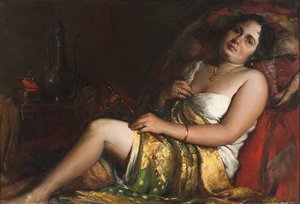
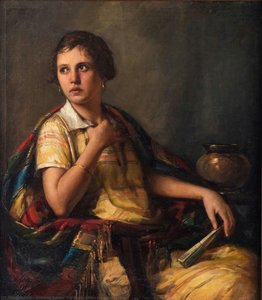
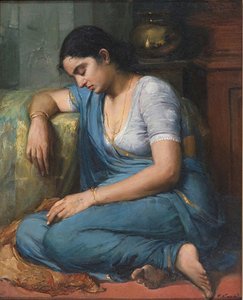
The 1920s witnessed a maturation in Trindade’s artistic expression, marked by an increasing focus on portraits, landscapes, and still lifes. His canvases became windows into the lives of his contemporaries—wealthy patrons, family members, and everyday individuals—each rendered with meticulous detail and a subtle yet powerful emotional resonance. Dolce Far Niente (Flora or Mother Reclining), awarded the Bombay Art Society’s gold medal in 1920, exemplifies this period; it is not merely a depiction of a woman at rest but an exploration of motherhood, serenity, and the quiet beauty of domestic life. Similarly, New Year’s Song (1928) and Hindu Girl (1930), recipients of the Governor’s prize, showcase his ability to capture cultural nuances and individual personalities with remarkable sensitivity. Trindade's technique was rooted in Western academic principles—a mastery of chiaroscuro, precise draftsmanship, and a sophisticated understanding of color theory—but he infused these elements with an Indian sensibility, creating a unique visual language that transcended stylistic boundaries. He wasn’t simply replicating what he had learned; he was transforming it, imbuing it with the spirit of his homeland.Legacy and Enduring Influence
Despite facing personal challenges—including declining health and eventual blindness in later life—Trindade continued to paint, supported by his daughter Ângela Trindade, herself a talented artist who carried on her father’s legacy. His work gained further recognition with an exhibition at the Festival of the Empire in Wembley, London, in 1934, bringing his art to an international audience. Today, António Xavier Trindade's paintings are treasured possessions of museums and private collectors alike, most notably represented by a significant collection held at the Fundação Oriente in Goa. The permanent exhibitions established there—including a dedicated showcase celebrating his 150th birthday in 2021—ensure that his artistic vision continues to inspire and captivate audiences for generations to come. His influence extends beyond mere aesthetic appreciation; he represents a pivotal moment in Indian art history, a time when artists began to forge their own identities, blending tradition with modernity and challenging the prevailing colonial gaze. Trindade’s life and work stand as a testament to the power of artistic expression to transcend cultural boundaries and illuminate the shared human experience.Notable Works
- Dolce Far Niente (Flora or Mother Reclining) – Bombay Art Society Gold Medal, 1920.
- New Year’s Song – Governor’s Prize, 1928.
- Hindu Girl – Governor’s Prize, 1930.
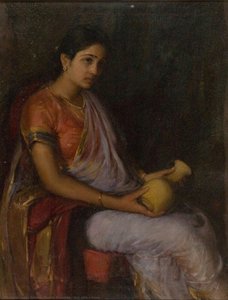
- Girl with a Vase - National Gallery of Modern Art, New Delhi.
- Self-portrait in Green- Fundação Oriente.
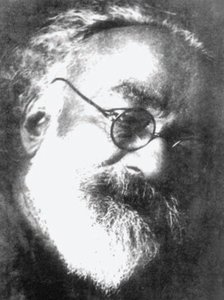
António Xavier Trindade
1870 - 1935 , India
Quick Facts
- Artistic Movement Or Style: Bombay School, Realism
- Date Of Birth: 1870
- Date Of Death: 1935
- Full Name: António Xavier Trindade
- Nationality: Portuguese
- Notable Artworks:
- Dolce Far Niente
- New Year’s Song
- Hindu Girl
- Girl with a vase
- Place Of Birth: Sanquém, India
Related Articles

John Constable's Masterpieces: Explore 25 Iconic Landscapes for Your Home
Journey through John Constable's 25 most celebrated landscapes. Explore Romanticism, Dedham Vale & his masterful use of light in iconic paintings like 'Hay Wain'. Find museum-quality art reproductions and elevate your home decor on ArtsDot.com.

Beyond the Horizon: 10 Landscape Masterpieces for Your Home Decor
Journey through 10 breathtaking landscape paintings by Monet, Van Gogh & more! Explore iconic artworks, artistic techniques & find inspiration for your home decor. Museum-quality reproductions at ArtsDot.com. Discover all masterpieces on ArtsDot.com

Cultivating Visions: A Historical Journey Through Rural Landscapes in Art
Explore the rich history of rural landscape painting with ArtsDot. Discover Impressionist masterpieces, key artists & movements. Find your perfect serene artwork and bring nature's beauty home.

Romantic Landscapes: 10 Masterpieces for Your Home | ArtsDot
Journey through 10 Romantic landscape masterpieces by Friedrich, Turner & Cole. Explore emotional art, sublime nature scenes & iconic 19th-century paintings. Find museum-quality reproductions for your home at ArtsDot.com – discover the full collection online!

Evocations of Place: A Historical Journey Through Landscape Art
Explore the rich history of landscape art with ArtsDot. Discover renowned artists, movements like Impressionism & Romanticism, and expert guidance for collecting timeless pieces. Find your perfect serene escape today!