 Preview
 Send
Send Share
Share
 Details

 Download
 Similars
 X-Ray
X-Ray Diaporama
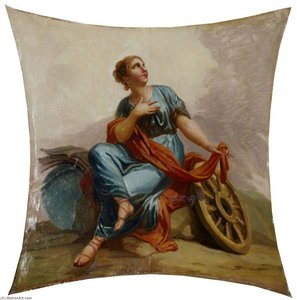
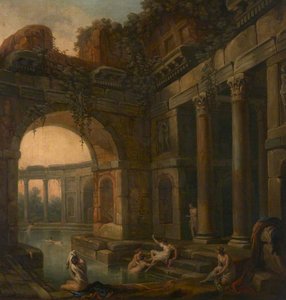
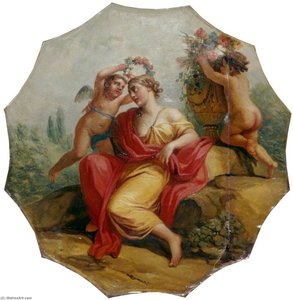
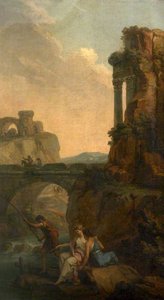
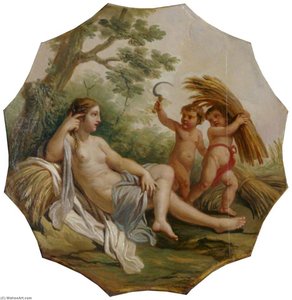
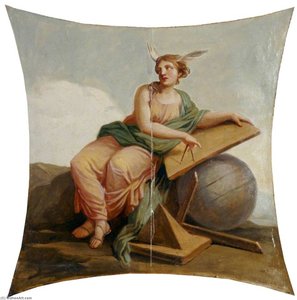
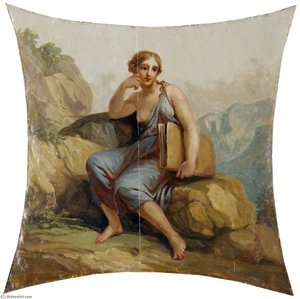
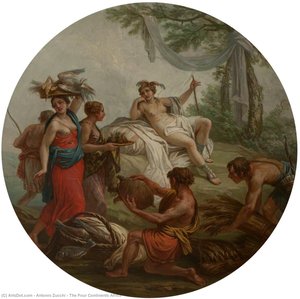
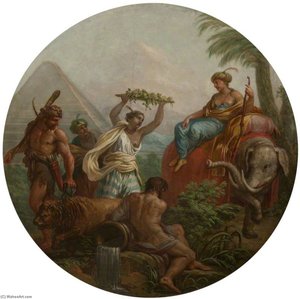
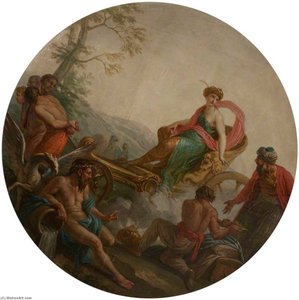
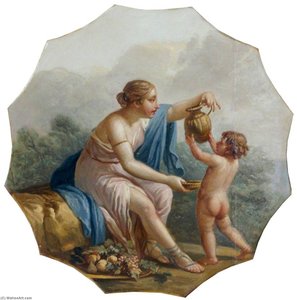
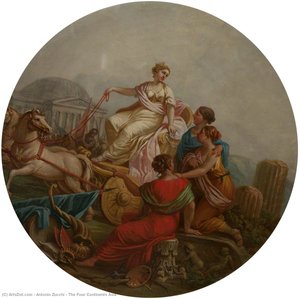
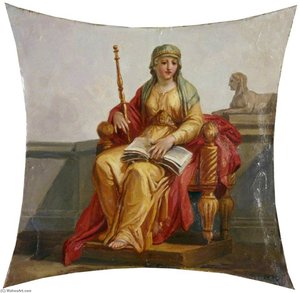
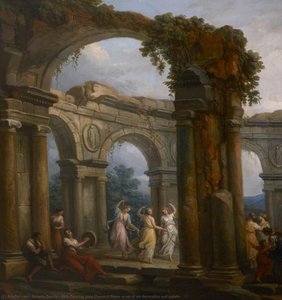
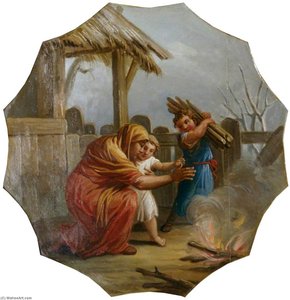
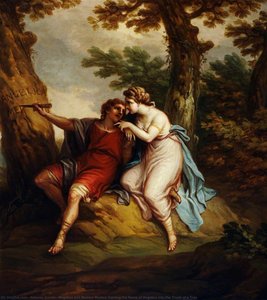
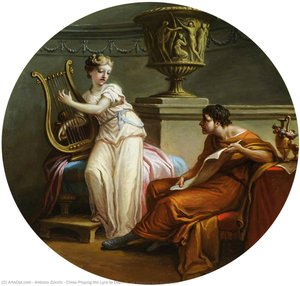
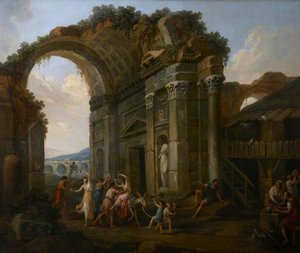
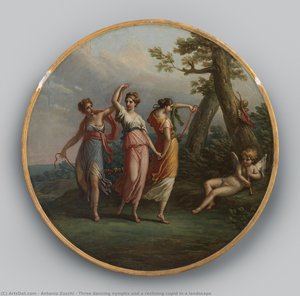
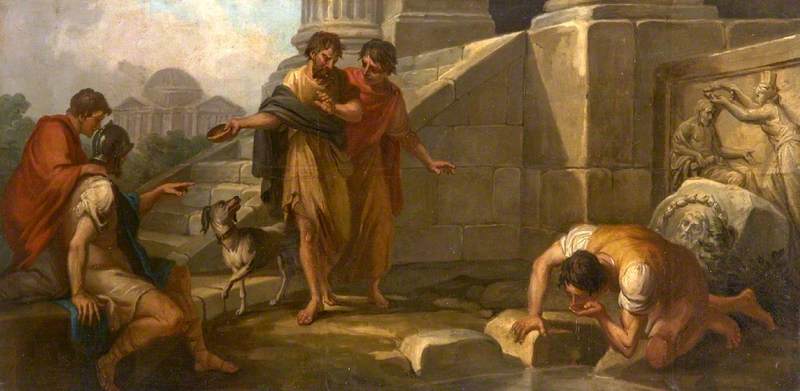
Diogenes Casting Away His Wooden Bowl as a Superfluity, on Seeing a Youth Drinking from His Hand (a set of three decorative wall panels)
 Oil
Oil- WallArt
- Neoclassicism
 1768
1768- Early Modern
 70.0 x 116.0 cm
 National Trust
 Read More
Giclée / Art Print
Museum-quality giclée or canvas print with fast production and flexible finish options. ( Buy Hand Made Painting Buy Image)




P118B $10

P118H $10

P118W $10

P438Z $10

P508JH $12

P508YH $12

P805H $10

P805Z $10

P919BZ $10

P919G $10

P919XJ $10

P959ZH $10

P968JZ $12

W106C $8

W218G $10

W218JH $8

W218Y $10

W307PJ $10

W316G $10

W316PJ $8

W316Y $10

W398PJ $8

W4111J $10

W500HY $15

W500JH $15

W692G $12

W849H $8

W940BG $15

W953PJ $8




Pick from our preset sizes that match the artwork's original proportions.

You may enter your own dimensions to fit a specific frame or space. If your selected size does not match the original image's proportions, we will either crop the artwork or extend the image with a mirrored or solid-fill edge. A digital mockup will be sent for your approval before production begins.
Please note that the on-screen preview does not reflect the actual cropping or extension. Only the mockup will accurately show the final composition.
While custom sizes are available, we recommend selecting a dimension from the predefined list to preserve the original proportions.
Worldwide Delivery () in 2 weeks instead of standard 4/5 weeks. (26 August)

Free Worldwide Express Shipping

High-Quality Linen Canvas

Full Shipping Insurance

Customs Tax Refund Guarantee

True Color Matching Guarantee

60-Day Return Policy (Defects Only)

100% Money-Back Guarantee

Bulk Discount Offer
 Glass option is only available in size under 110 CM

Diogenes Casting Away His Wooden Bowl as a Superfluity, on Seeing a Youth Drinking from His Hand (a set of three decorative wall panels)
Giclée / Art Print
Reproduction Size
-


Total Price
$ 63
Collectible Description
The Essence of Asceticism: A Moment of Pure Simplicity
In this evocative triptych by Antonio Zucchi, we are transported to the heart of ancient Greek philosophy, witnessing a profound moment of spiritual realization. The scene depicts the legendary Cynic philosopher Diogenes at a pivotal turning point in his journey toward absolute minimalism. As he observes a young youth drinking water directly from the palm of his hand, Diogenes is struck by a sudden, overwhelming sense of redundancy regarding his own meager possessions. This realization leads him to cast away his wooden bowl, viewing it now as a superfluous luxury that hinders his true connection to nature and simplicity. The painting captures not just a historical anecdote, but a transformative psychological event, where the weight of material objects is shed in favor of pure, unadulterated existence.
The composition is masterfully arranged across three decorative wall panels, creating an immersive architectural experience for any collector. Zucchi utilizes a classical setting, featuring stately columns that ground the scene in antiquity, providing a structured contrast to the raw, human emotion unfolding in the foreground. The presence of other figures and a watchful dog—perhaps a nod to the famous companion of Diogenes—adds layers of narrative depth, suggesting a world that continues its bustle even as this singular moment of enlightenment occurs. For an interior designer, these panels offer a sophisticated way to introduce classical grandeur and intellectual depth into a contemporary space, acting as a window into a more contemplative era.
Technique and the Radiance of Light
Antonio Zucchi’s technique in this 1768 masterpiece demonstrates a remarkable command over light and texture, characteristic of the late eighteenth-century academic style. The artist employs a delicate touch to render the interplay of sunlight against the stone architecture and the soft skin of the figures. There is a palpable sense of atmosphere; the light does not merely illuminate the scene but seems to breathe life into the very air between the characters. Through subtle gradations of tone, Zucchi achieves a sculptural quality in the drapery and the anatomical precision of the hands, drawing the viewer's eye toward the central gesture of the youth drinking from Diogenes' hand.
The color palette is thoughtfully curated to evoke a sense of timelessness. Earthy tones, muted golds, and soft shadows create a harmonious environment that avoids distraction, ensuring that the emotional weight of the subject remains paramount. This balance of light and shadow—the chiaroscuro effect—serves to highlight the dramatic tension of the philosopher's decision. For those seeking a high-quality reproduction, the richness of these textures is preserved, allowing the subtle nuances of Zucchi’s brushwork to shine, making it an exquisite centerpiece for a gallery wall or a refined study.
A Timeless Symbolism for the Modern Collector
Beyond its historical and aesthetic merits, this artwork carries a profound symbolic resonance that remains strikingly relevant in our modern age of excess. The act of discarding the wooden bowl serves as a powerful metaphor for the rejection of consumerism and the pursuit of essential truths. It invites the viewer to reflect on their own relationship with material wealth and the concept of "enough." This layer of philosophical inquiry elevates the piece from mere decoration to a profound intellectual statement, making it an ideal acquisition for collectors who value art that stimulates thought and conversation.
Integrating such a significant work into a home or professional space provides more than just visual beauty; it introduces a sense of calm, humility, and historical continuity. Whether placed in a sunlit living area or a quiet library, these panels serve as a constant reminder of the beauty found in simplicity. As a hand-painted reproduction, this piece offers an opportunity to possess a fragment of classical wisdom, rendered with the grace and dignity that only the mastery of Zucchi can provide.
Related Artworks
Artist Biography
Francis Cotes: A Pioneer of English Pastel
Francis Cotes (1726–1770) stands as a pivotal figure in the burgeoning world of English portraiture, particularly recognized for his innovative use of pastel and his ability to capture fleeting moments of character. Born in London, he was apprenticed to William Faithorne, a painter known for his theatrical group portraits, an experience that undoubtedly shaped his early artistic sensibilities. However, Cotes quickly surpassed his master, developing a distinctly individual style characterized by a remarkable sensitivity to light, texture, and the psychological nuances of his subjects. Unlike the often stiff formality of earlier English portraiture, Cotes’s works possess a vibrant immediacy, reflecting a deep engagement with the sitter's personality and an acute awareness of the visual world around him. His early career was marked by commissions from prominent families, including the Astleys, for whom he created the celebrated “Aged Seven, and her Brother Edward, Aged Five and a Half,” a tender depiction of childhood innocence that remains one of his most beloved works. This painting exemplifies Cotes’s ability to imbue even seemingly simple subjects with profound emotional resonance. He skillfully employed pastel—a medium then considered relatively new in England—to achieve remarkable effects of color and tone, capturing the delicate blush of skin, the shimmer of fabric, and the subtle gradations of light and shadow. Cotes wasn't simply replicating appearances; he was translating observed reality onto canvas with a painterly grace that set him apart from his contemporaries. His use of loose, expressive strokes created a sense of movement and vitality, contributing to the captivating quality of his portraits.Technique and Influences
Cotes’s technical mastery stemmed not only from his innate talent but also from his meticulous study of nature and the works of other artists. He was deeply influenced by the Dutch Masters, particularly Rembrandt, whose use of light and shadow to create dramatic effects is evident in Cotes's portraits. He also admired the work of Anthony van Dyck, whose elegant compositions and psychological insights he sought to emulate. However, unlike Van Dyck’s polished style, Cotes embraced a more informal approach, often depicting his sitters in relaxed poses and capturing them in natural settings. His pastel technique was further refined through experimentation with layering colors and applying them with varying degrees of pressure, allowing him to achieve an astonishing range of tonal values and textures. The resulting portraits are not merely likenesses; they are intimate studies of character, imbued with a palpable sense of life.Notable Works and Commissions
Beyond the iconic “Aged Seven,” Cotes produced a significant body of work that includes numerous portraits of members of the aristocracy and gentry. He painted for prominent figures such as Sir Robert Peel, Lord Charles Townshend, and Lady Mary Wortley Montagu. His commissions were often driven by a desire to capture the sitter’s unique personality and social standing, reflecting the changing tastes of 18th-century England. His work also extended beyond portraiture; he produced landscape paintings and genre scenes, demonstrating his versatility as an artist. The Royal Academy, founded in 1769, recognized Cotes's contributions by electing him as one of its founding members, solidifying his place among the leading artists of his time.Legacy and Historical Significance
Francis Cotes’s legacy lies primarily in his pioneering role in the development of English pastel painting. He demonstrated the medium’s potential for capturing subtle nuances of color and tone, paving the way for future generations of pastel artists. His portraits are admired today not only for their technical brilliance but also for their psychological depth and emotional resonance. Cotes's work represents a shift away from the formal conventions of earlier portraiture, embracing a more intimate and expressive approach that reflected the spirit of the Enlightenment. He is remembered as a key figure in establishing English painting as a distinct and vibrant tradition, leaving an indelible mark on the history of art. His influence can be seen in the works of later artists who followed in his footsteps, solidifying his position as a true innovator and a master of his craft.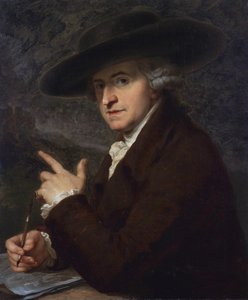
antonio zucchi
1726 - 1795
Quick Facts
- Artistic Movement Or Style: Likely influenced by Van Loo
- Artists Or Movements Influenced By This Artist:
- Chardin
- Greuze
- Artists Who Influenced This Artist: ['Jean Baptiste van Loo']
- Date Of Birth: October 15, 1726
- Full Name: Francoise Duparc
- Nationality: Spanish
- Notable Artworks:
- La tricoteuse
- Man with a sack of nuts
- Place Of Birth: Murcia, Spain
Related Articles
Neo-Classicism's Greatest Hits: 10 Masterpieces for Your Home |
Journey through Neo-Classicism's finest! Explore 10 iconic masterpieces by David, Ingres & Canova. Discover art history, techniques & timeless beauty – perfect for inspiring your home decor. Find museum-quality reproductions at
The Enduring Legacy of Classicism: Principles, Evolution & Influence in Western Art
Explore the enduring legacy of Classicism in Western art! Discover its historical context, key principles, iconic masterpieces & lasting influence. Learn about Renaissance and Neoclassical movements with ArtsDot.
Timeless Resonance: Exploring Classic Vibe in Art – A Historical & Aesthetic Analysis
Explore the rich history & enduring aesthetic of Classicism art! Discover key movements, iconic artists like Raphael & David, and its lasting influence on Western art. Deepen your appreciation today.
The Enduring Legacy of Classical Style: Form, Narrative & Influence in Art
Explore the enduring legacy of classical art – from ancient Greece & Rome to Neoclassicism. Discover key artists, philosophical roots & build a timeless collection with ArtsDot's expert guidance.
The Enduring Legacy of Classicism: Harmony, Reason & Ideal Form in Western Art
Explore the enduring legacy of Classicism in Western art. Discover Renaissance & Neoclassical masterpieces, key artists, and build a timeless collection with ArtsDot's expert guidance.