 Preview
 Send
Send Share
Share
 Details

 Download
 Similars
 X-Ray
X-Ray Diaporama
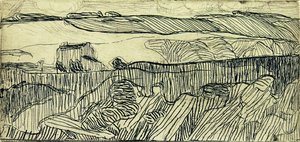
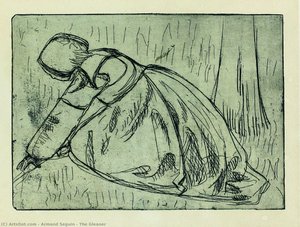
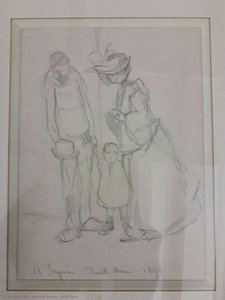
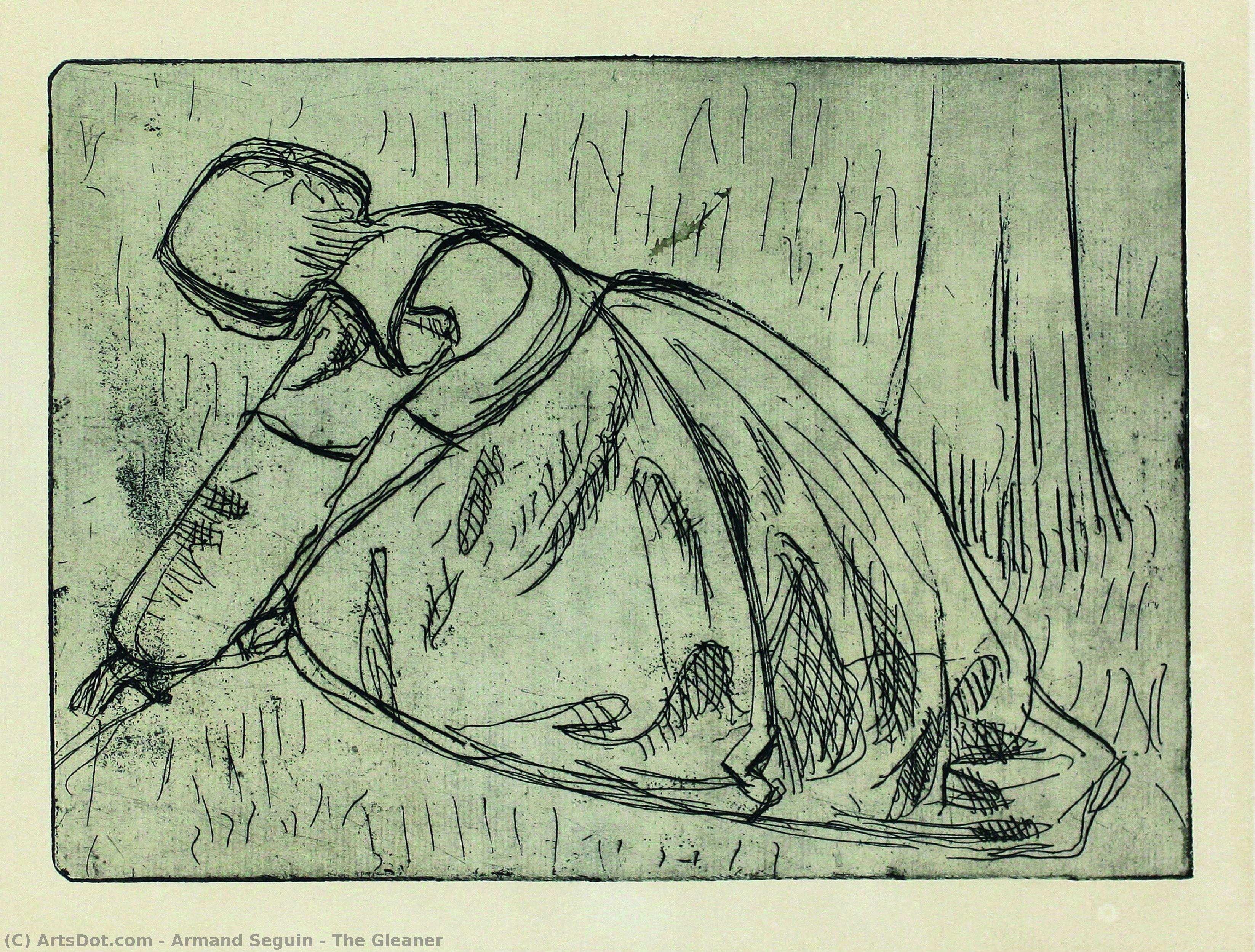
The Gleaner
 Etching
- Impressionism
 1893
1893- 19th Century
 17.0 x 24.0 cm
 Musée de Pont-Aven
 Read More
Hand Made Oil Reproduction
Hand-painted oil on canvas in your size and frame, made to order by our artists. ( Buy Print Buy Image)




P118B $10

P118H $10

P118W $10

P438Z $10

P508JH $12

P508YH $12

P805H $10

P805Z $10

P919BZ $10

P919G $10

P919XJ $10

P959ZH $10

P968JZ $12

W106C $8

W218G $10

W218JH $8

W218Y $10

W307PJ $10

W316G $10

W316PJ $8

W316Y $10

W398PJ $8

W4111J $10

W500HY $15

W500JH $15

W692G $12

W849H $8

W940BG $15

W953PJ $8




Pick from our preset sizes that match the artwork's original proportions.

You may enter your own dimensions to fit a specific frame or space. If your selected size does not match the original image's proportions, we will either crop the artwork or extend the painting with additional hand-painted elements. A digital mockup will be sent for your approval before production begins.
Please note that the on-screen preview does not reflect the actual cropping or extension. Only the mockup will accurately show the final composition.
While custom sizes are available, we recommend selecting a dimension from the predefined list to preserve the original proportions.
After order, ArtsDot.com team will email client for instructions and provide a mockup preview
Worldwide Delivery () in 3/4 weeks instead of standard 5 weeks. (16 August). No compromise on quality.

Free Worldwide Express Shipping

High-Quality Linen Canvas

Full Shipping Insurance

Customs Tax Refund Guarantee

True Color Matching Guarantee

60-Day Return Policy (Defects Only)

100% Money-Back Guarantee

Bulk Discount Offer
 Glass option is only available in size under 110 CM

The Gleaner
Reproduction Medium
Reproduction Size
-


Total Price
$ 263
Artwork Description
A Poignant Moment in Etched Monochrome
In the delicate, monochromatic world of Armand Séguin’s 1893 etching, The Gleaner, we are invited into a quiet, intimate encounter with the rhythms of rural life. The artwork captures a solitary woman captured in a moment of profound physical and spiritual focus, bending low to the earth to gather what remains after the harvest. Through the masterful use of line and shadow, Séguin transforms a simple act of labor into a meditative study of grace and endurance. The composition, though stripped of color, vibrates with a tactile energy; one can almost feel the texture of the ground and the weight of the stillness that hangs in the air between the trees.
The technique employed here is a testament to the precision of late 19th-century printmaking. As an etching, the piece relies on the interplay of light and dark—the chiaroscuro effect—to define form and depth. The artist uses fine, rhythmic strokes to delineate the woman’s silhouette against the soft, blurred backdrop of the French countryside. This careful manipulation of tone creates a sense of atmosphere that is both melancholic and serene. The presence of birds, positioned subtly within the frame, adds a layer of natural vitality, suggesting a world that continues its cycle of life and death, indifferent to the human struggle, yet intimately connected to it.
The Soul of Brittany and the Symbolist Influence
To understand The Gleaner, one must look toward the artistic currents flowing through France during the fin de siècle. Armand Séguin, while often associated with the Pont-Aven School, brought a unique sensitivity to his subjects that moved beyond mere Impressionism into the realm of Symbolism. This piece serves as a window into that transition. The subject matter—the gleaner—is a classic trope of the era, representing the dignity of the working class and the cyclical nature of existence. However, Séguin imbue this figure with a certain sensual intensity and a quiet, introspective dignity that elevates the scene from a documentary study to a poetic reflection on human perseverance.
For the discerning collector or interior designer, this artwork offers more than just visual beauty; it provides an emotional anchor. The starkness of the black and white medium allows the piece to integrate seamlessly into diverse decor styles, from the sophisticated minimalism of a modern gallery-style room to the warm, storied atmosphere of a classical study. It is a work that commands attention through its subtlety rather than through loudness. Owning a high-quality reproduction of this etching means bringing a piece of art history into one's home—a fragment of a vanished era characterized by a deep, soulful connection to the natural landscape and the quiet beauty found in the most humble of human endeavors.
Related Artworks
Artist Biography
The Soul of Brittany: The Life and Vision of Armand Séguin
Armand Séguin (1869–1903) remains a captivating, yet somewhat enigmatic figure within the landscape of late 19th and early 20th-century French art. Often overshadowed by his more flamboyant contemporaries within the Pont-Aven School—such as Paul Gauguin, Émile Bernard, and Roderic O’Conor—Séguin possessed a unique artistic voice characterized by a profound sensitivity to light, color, and the evocative spirit of Brittany, his homeland. His work, imbued with a sensual intensity and a subtle melancholy, offers a poignant glimpse into the evolving currents of Impressionism and Symbolism, ultimately forging a distinct path that continues to resonate with collectors and historians alike.
Séguin’s early life was marked by a quiet intellectual curiosity, nurtured within a family steeped in scientific tradition. His grandfather, also named Armand Séguin, was a renowned chemist, and this lineage instilled in the artist a meticulous observation of the natural world—a trait that would profoundly influence his artistic approach. While he initially studied at the École des Arts Déments in Paris, he found the rigid academic structure stifling to his creative spirit. Seeking inspiration and a more liberated environment, he gravitated towards the burgeoning avant-garde circles centered around Pont-Aven, a small village nestled in the Breton countryside. It was here that he encountered the transformative influence of Gauguin, which pushed Séguin to explore themes of primitivism, spirituality, and the raw, unvarnished beauty of rural life.
Mastery of Form and the Pont-Aven Influence
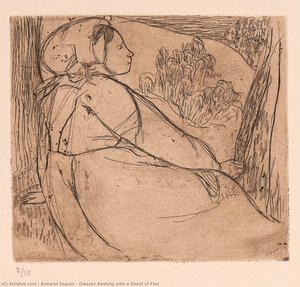
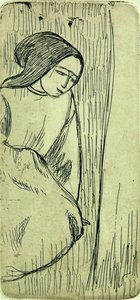
The core of Séguin’s artistic development revolved around his evocative depictions of Breton peasants and women. Unlike the often-idealized portrayals of rural subjects prevalent during the era, Séguin captured a remarkable authenticity, imbuing his figures with a palpable sense of vulnerability and quiet dignity. His mastery extended across various mediums, from delicate etchings to profound studies of the human form. In works such as Gleaner Resting with a Sheaf of Flax, he utilizes the stark beauty of black and white to embody the Impressionist mood of the late 1890s, capturing a moment of tranquil labor that feels both timeless and deeply rooted in the Breton soil.
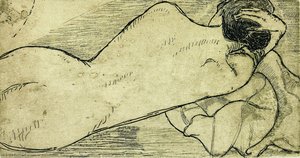
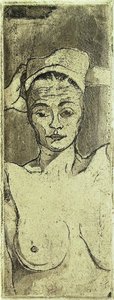
His technical prowess is perhaps most evident in his intimate studies of the nude. In pieces like Nude with hands behind the head, Séguin moves beyond mere anatomical representation to explore the emotional resonance of the human figure. These works are characterized by:
- A profound sensitivity to light: Using contrast to define the soft contours of the body.
- Emotional depth: Creating a sense of intimacy that invites the viewer into a private, contemplative space.
- Symbolic undertones: Blending the physical reality of the subject with a dreamlike, almost spiritual atmosphere.
A Legacy of Quiet Intensity
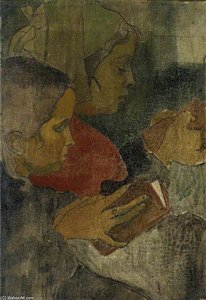
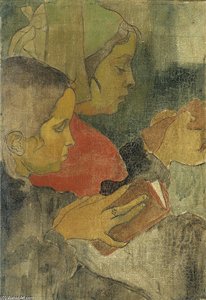
Though his life was tragically short, ending in 1903 at the age of only thirty-four, Séguin left behind a body of work that serves as a vital bridge between the observational nature of Impressionism and the emotive depths of Symbolism. His ability to capture the "soul" of Brittany—seen in the poignant Seated woman with black bonnet, where a sense of quiet prayer is etched into the subject's very presence—ensures his place in the annals of French art history.
The historical significance of Armand Séguin lies in his refusal to succumb to the purely decorative. He sought the truth in the textures of peasant life and the vulnerability of the human form. While he may not have achieved the global fame of Gauguin, his contribution to the Pont-Aven School provided a necessary layer of intimacy and psychological depth. Today, his works stand as a testament to a brief but brilliant era of artistic experimentation, reminding us of the power of seeing the extraordinary within the ordinary.
armand seguin
1869 - 1903 , France
Quick Facts
- Artistic Movement Or Style: Post-Impressionist
- Artists Or Movements Influenced By This Artist: ['Pont-Aven School']
- Artists Who Influenced This Artist:
- Paul Gauguin
- Émile Bernard
- Date Of Birth: 1869
- Date Of Death: 1903
- Full Name: Armand Séguin
- Nationality: French
- Notable Artworks:
- Les délices de la nuit
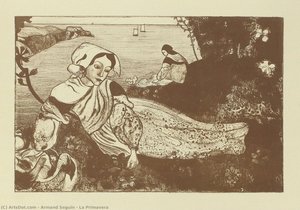
- La Primavera (Femme Couchée)
- Profils de deux Bretonnes
- Place Of Birth: Châteauneuf-du-Faou, France
Related Articles

White on Canvas: 10 Masterpieces & Timeless Elegance for Your Home Decor
Explore 10 iconic white paintings by Monet, Whistler & Rothko! Discover the stories behind these serene masterpieces and their impact on art history. Find museum-quality reproductions for your home decor at .

Monochrome Visions: Exploring the Aesthetic & Historical Significance of Black & White Photography
Explore the rich history & artistic power of black and white photography. From early techniques to iconic masters like Ansel Adams, discover why monochrome continues to captivate art lovers today. Expert insights for collectors.
Etching Masters: 10 Legendary Prints That Revolutionized Art | ArtsDot
Journey through 10 legendary etching masterpieces by Rembrandt, Dürer & Goya. Explore the history of printmaking and discover timeless art for your home. Find museum-quality reproductions at ArtsDot.com.

Dark Masterpieces: 10 Iconic Paintings Dominated by Black Tones |
Explore 10 iconic paintings dominated by black tones, from Rembrandt’s chiaroscuro to Goya's dark expressions. Discover the stories behind these masterpieces & find museum-quality art reproductions for your home at .
Etching: A Historical Survey of Technique, Aesthetic Qualities & Enduring Artistic Significance
Explore the rich history of etching, from its origins to Rembrandt's masterful innovations. Discover the technique, aesthetic qualities & enduring legacy of this captivating art form. Expert insights for collectors and enthusiasts.