 Preview
 Send
Send Share
Share
 Details

 Download
 Similars
 X-Ray
X-Ray Diaporama
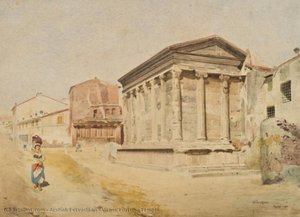
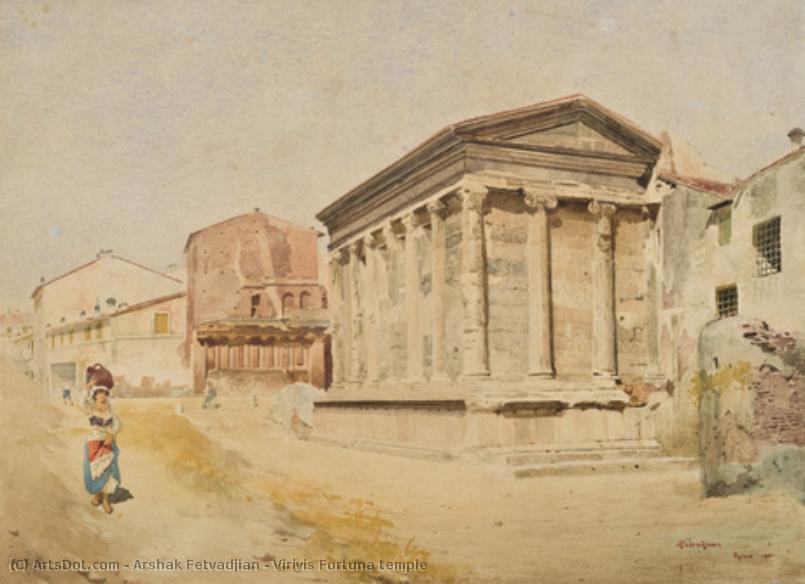
Virivis Fortuna temple


 Read More
Giclée / Art Print
Museum-quality giclée or canvas print with fast production and flexible finish options. ( Buy Hand Made Painting Buy Image)




































Pick from our preset sizes that match the artwork's original proportions.

You may enter your own dimensions to fit a specific frame or space. If your selected size does not match the original image's proportions, we will either crop the artwork or extend the image with a mirrored or solid-fill edge. A digital mockup will be sent for your approval before production begins.
Please note that the on-screen preview does not reflect the actual cropping or extension. Only the mockup will accurately show the final composition.
While custom sizes are available, we recommend selecting a dimension from the predefined list to preserve the original proportions.
Worldwide Delivery () in 2 weeks instead of standard 4/5 weeks. (26 August)

Free Worldwide Express Shipping

High-Quality Linen Canvas

Full Shipping Insurance

Customs Tax Refund Guarantee

True Color Matching Guarantee

60-Day Return Policy (Defects Only)

100% Money-Back Guarantee

Bulk Discount Offer
 Glass option is only available in size under 110 CM

Virivis Fortuna temple
Giclée / Art Print
Reproduction Size
-


Total Price
$ 63
Related Artworks

Artist Biography
Arshak Abrahami Fetvadjian: Preserver of Ani’s Legacy
Arshak Abrahami Fetvadjian (1866-1947) stands as a pivotal, yet often overlooked, figure in Armenian art and cultural preservation. Born in Trabzon, Turkey – then part of the waning Ottoman Empire – his life was inextricably linked to the fate of his homeland and the enduring beauty of its architectural heritage. Fetvadjian’s artistic journey wasn't merely one of creating beautiful images; it was a deeply personal mission to document and safeguard the memory of Ani, a medieval Armenian city that tragically fell into ruin, becoming a poignant symbol of loss and resilience. His dedication spanned over two decades, resulting in an astonishing output of nearly 2,000 works – from meticulous pencil sketches to luminous watercolor paintings – each offering a unique window into the grandeur of Ani’s churches, monasteries, and palaces.
Early Life and Artistic Training
Fetvadjian's early life was shaped by the turbulent political landscape of the late 19th century. He received his initial artistic training at the National Art Institute in Trabzon, a crucial step towards developing his skills. Recognizing his potential, he later pursued further studies at the State Fine Arts School (Imperial Academy of Art) in Constantinople – now Istanbul – and subsequently honed his craft in Rome and Vienna, immersing himself in the European art scene. These formative years exposed him to diverse artistic styles and techniques, laying the foundation for his distinctive approach. Notably, his time in Rome under the tutelage of Cesare Maccari, a renowned Italian sculptor, significantly influenced his understanding of form and composition.
The Watercolor Masterpiece: Documenting Ani
Fetvadjian’s most enduring legacy lies in his breathtaking watercolor paintings of Ani. Beginning around 1900, he embarked on a prolonged and deeply personal project to meticulously document the city's architectural treasures before they were lost to time and conflict. This wasn’t simply an exercise in artistic skill; it was a desperate attempt to preserve a vanishing cultural landscape. He spent years traveling through the region, patiently capturing the intricate details of Ani’s churches – including the Virivis Fortessa temple, with its iconic gatehouse – monasteries, chapels, and palaces. His watercolors are remarkable for their precision, sensitivity, and ability to convey both the monumental scale and delicate beauty of these ancient structures. The resulting collection represents an invaluable historical record, offering a visual testament to Ani’s former glory.
Beyond Architecture: Portraits and Design
While his work on Ani rightfully dominates his reputation, Fetvadjian's artistic output extended beyond architectural subjects. He produced numerous portraits of Armenians during the early 20th century, capturing the faces and personalities of a community grappling with profound historical changes. Furthermore, he played a vital role in the nascent Armenian Republic (1918-1920), designing the currency and postage stamps – a crucial contribution to establishing a new national identity amidst immense challenges. These design elements were not merely functional; they were imbued with symbolic meaning, reflecting Armenian history and aspirations.
Exile and Legacy
The rise of Soviet power in Armenia led to Fetvadjian’s exile to the United States in 1922. He settled in Boston, a vibrant center for the Armenian diaspora, but struggled to find recognition and commissions within the American art world. Despite facing isolation and hardship, he continued to paint until his death in Medford, Massachusetts, in 1947. Remarkably, shortly before his passing, he bequeathed his entire artistic collection – encompassing thousands of works – to the National Gallery of Armenia. Today, Fetvadjian’s paintings are treasured national treasures, serving as a poignant reminder of Armenian heritage and the enduring power of art to preserve memory and identity. His work continues to inspire artists and scholars alike, solidifying his place as a crucial figure in Armenian cultural history.
- Key Works: Virivis Fortessa temple watercolor, Ararat watercolor, numerous portraits of Armenians.
- Significant Period: Early 20th Century (1900-1947)
- Style: Primarily Watercolor Painting, with elements of Pencil Drawing and Design
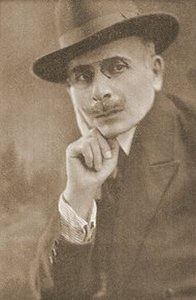
arshak abrahami fetvadjian
1866 - 1947 , Turkey
Quick Facts
- Artistic Movement Or Style: Watercolor painting
- Artists Who Influenced This Artist: ['Cesare Maccari']
- Date Of Birth: October 1, 1866
- Date Of Death: October 7, 1947
- Full Name: Arshak Abrahami Fetvadjian
- Nationality: Armenian
- Notable Artworks:
- Virivis Fortuna temple
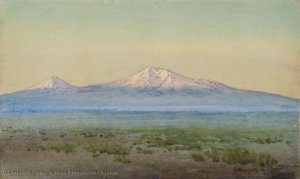
- Ararat
- Place Of Birth: Trabzon, Turkey