

 Preview
 Send
Send Share
Share
 Details

 Download
 Similars
 X-Ray
X-Ray Diaporama
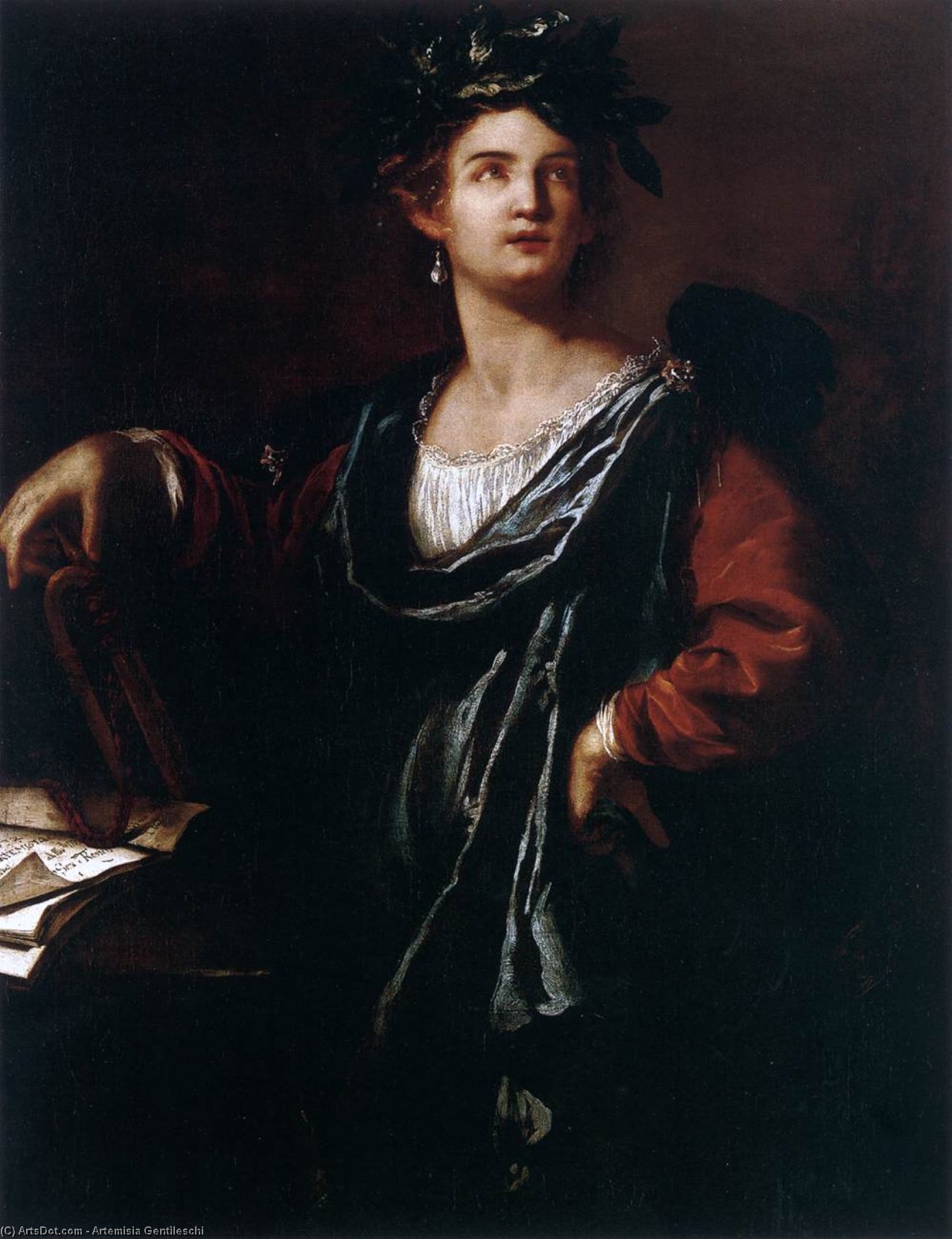
Clio, the Muse of History
 Oil On Canvas
- WallArt
- Baroque Painting
 1632
1632 128.0 x 97.0 cm
 Cassa di Risparmio di Pisa
 Read More
Purchase a high-resolution, enhanced digital image, far superior to the online preview.
Each file is meticulously prepared by our in-house specialists using advanced tools and expert manual retouching. We ensure every image has exceptional clarity, precise color accuracy, and fine detail.
The final file is delivered via email within 72 hours, optimized for immediate use in professional, editorial, and print environments. This is the same quality trusted by top-tier design studios, publishers, and galleries.
Digital Image
Download a high-resolution file for personal display, printing, and creative projects. ( Buy Print Buy Hand Made Painting)
Included in Every Digital Image Order
Expert Digital Delivery, Guaranteed
When you choose ArtsDot.com, you're not just getting an image - you're receiving a professionally enhanced digital artwork, crafted with precision and backed by a satisfaction guarantee. Here's everything that comes with your order, automatically:

Fast Email Delivery
Your high-resolution digital image file will be emailed to you within 72 hours of ordering - ready for immediate use.

AI-Enhanced Digital File
Your artwork is professionally optimized using advanced AI tools and manual editing, ensuring maximum detail, clarity, and color accuracy.

Free Lifetime Re-Delivery
Accidentally deleted or lost your file? No worries - we'll resend it to you anytime, free of charge.

No Import Fees - Ever
Enjoy your artwork instantly with zero customs, duties, or delivery fees - digital downloads are always tax-free.

Color Accuracy Guarantee
We ensure your digital image reflects the original colors as closely as possible using professional tools and color management.

60-Day Satisfaction Guarantee
If you're not satisfied with your digital image, we'll revise it or refund 100% within 60 days - no questions asked.

100% Money-Back Guarantee
Not satisfied? Get a full refund within 60 days of receiving your digital file - no questions asked.

Bulk Order Discounts
Buy 3 images, save 10% - Buy 5, save 15% - Buy 10+, save 20%. Great for creative projects, galleries, and agencies.
Collectible Description
A Portrait of Power and Remembrance: Unveiling Artemisia’s Clio
Artemisia Gentileschi's “Clio, the Muse of History,” painted in 1632, is more than simply a depiction of a classical figure; it’s a potent statement about female agency, artistic ambition, and the enduring power of narrative. This arresting work, currently residing in the Palazzo Blu in Pisa, Italy, immediately commands attention with its dramatic lighting, dynamic composition, and the commanding presence of Clio herself. It's a painting that whispers tales of ancient Greece while simultaneously reflecting the artist’s own fiercely independent spirit.
The Mythic Figure and Baroque Drama
As the muse of history, Clio embodies the act of remembering and recording events – a role traditionally associated with masculine authority. Yet, Gentileschi subverts this expectation through her masterful execution. Clio is not presented as a serene, distant observer; instead, she’s depicted in a moment of intense engagement, holding a book open to her breast and a trumpet poised at her lips. This isn't the passive recording of facts but an active proclamation of history, a vibrant call to awareness. The composition itself is deeply rooted in the Baroque style – characterized by dramatic contrasts of light and shadow (chiaroscuro), intense emotion, and dynamic movement. Gentileschi expertly employs this technique, drawing the viewer’s eye directly to Clio's face and hands, imbuing the scene with a palpable sense of drama.
Decoding the Symbols: Book, Trumpet, and Laurel
Every element within “Clio” is laden with symbolic meaning. The open book represents the written record of history – specifically referencing Thucydides, a Greek historian whose work was considered foundational for the genre. The trumpet, often associated with victory and public announcements, signifies Clio’s role as a herald of important events. It suggests that she isn't merely documenting the past but actively shaping our understanding of it. The laurel wreath crowning her head is a traditional symbol of honor and immortality – acknowledging Clio’s status as a divine muse and ensuring her legacy endures through time. Interestingly, some scholars suggest the inclusion of the trumpet was also a deliberate nod to Caravaggio's influence, a stylistic element Gentileschi adopted and brilliantly adapted.
A Woman in Her Element: Artemisia’s Assertion
Beyond the mythological subject matter, “Clio” is profoundly personal. The inscription on the book – signed by Artemisia herself – reveals her pride in her artistic skill and a subtle act of defiance against the constraints placed upon women artists during that era. The painting was likely commissioned for Charles of Lorraine, fourth duke of Guise, and it’s believed that the name “Rosiers” on the inscription refers to Antoine de Rosières II, his *maître d'hôtel*. This detail highlights Gentileschi’s position as a respected professional artist within a courtly setting. The painting stands as a testament to her talent, ambition, and resilience in a world dominated by male artists.
Bringing Clio Home: A Reproduction for Your Space
ArtsDot offers meticulously crafted hand-painted reproductions of “Clio, the Muse of History,” allowing you to experience the drama and beauty of this iconic masterpiece within your own home or office. Our skilled artisans replicate Gentileschi’s masterful use of color, light, and composition with exceptional detail, capturing the painting's emotional intensity and historical significance. Whether you are an art enthusiast, a collector seeking a statement piece, or simply someone drawn to the power of storytelling, a ArtsDot reproduction of “Clio” will serve as a timeless reminder of artistic brilliance and female empowerment.
Related Artworks

Artist Biography
A Daughter of Rome: The Life and Art of Artemisia Gentileschi
Artemisia Gentileschi’s name echoes through the halls of art history, resonating not simply as that of a painter, but as an emblem of resilience, defiance, and extraordinary artistic talent in a world determined to silence female voices. Born in Rome in 1593, she entered a milieu steeped in artistry—her father, Orazio Gentileschi, was a respected painter deeply influenced by the revolutionary realism of Caravaggio. From her earliest years, Artemisia’s gift was undeniable, nurtured within her father's workshop where she absorbed techniques of composition and the dramatic use of light and shadow that would become hallmarks of her distinctive style. This formative training wasn’t merely about mastering brushstrokes; it was an immersion into a world of artistic ambition, one typically closed to women. Recognizing his daughter’s exceptional talent, Orazio provided opportunities unavailable to most females of the era, allowing her to study from life models—a crucial step in developing anatomical accuracy and expressive power.
Shadows and Strength: Artistic Development
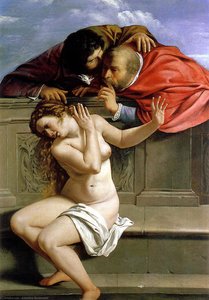
Gentileschi's artistic development was profoundly shaped by Caravaggio’s tenebrism—the stark contrast between light and darkness that imbued his paintings with an intense emotionality. Yet, she didn’t simply mimic her father or Caravaggio; she forged her own unique voice, characterized by a raw psychological depth and a compelling focus on female subjects often depicted with unprecedented agency and strength. Even in her early works, like *Susanna and the Elders* (1610), a biblical scene depicting Susanna being spied upon by two lecherous old men, Artemisia’s interpretation diverges from traditional portrayals. Here, Susanna isn't passively vulnerable; she displays a quiet dignity and resistance, foreshadowing the powerful female figures that would dominate her later oeuvre. But it is *Judith Slaying Holofernes* (existing in multiple versions between 1614-1620) that cemented her reputation as a master of dramatic narrative and psychological realism. The painting isn’t merely a depiction of violence; it's an exploration of courage, determination, and the righteous fury of a woman defending her people. The visceral intensity, the unflinching portrayal of the act itself, shocked and captivated audiences then—and continues to do so today. Other notable works like *Judith and her Maidservant* (1625) and *Danaë* (c. 1636-1639) further demonstrate her evolving style, showcasing both vulnerability and power in her female protagonists. Her ability to render flesh with such realism, combined with a masterful use of chiaroscuro, created scenes that were both terrifying and deeply moving.
A Trial by Fire: Trauma and Triumph
Artemisia’s life was irrevocably altered by a horrific event: her rape at the hands of Agostino Tassi, a fellow painter and colleague of her father. The ensuing trial (1611-1612) became a public spectacle, subjecting Artemisia to grueling questioning and societal scrutiny. While she bravely testified against Tassi, the proceedings were marred by bias and attempts to discredit her character. This trauma profoundly impacted her life and art, imbuing her work with an emotional intensity that some scholars believe is directly linked to her personal experiences. The trial itself became a symbol of the challenges faced by women seeking justice in a patriarchal society. Despite this ordeal, Artemisia refused to be defined by it. She continued to paint, moving between Rome, Florence, and Naples, establishing herself as a successful artist in her own right. In 1616, she achieved another milestone: becoming the first woman admitted to the Accademia di Arte del Disegno in Florence—a testament to her talent and perseverance. This achievement was not merely symbolic; it opened doors for future generations of female artists.
Legacy of a Pioneer
Artemisia Gentileschi’s career spanned decades, marked by both artistic innovation and personal resilience. She worked for prominent patrons, including the Medici family, and established a thriving workshop, proving that women could not only excel as artists but also succeed in a traditionally male-dominated profession. For centuries, her work was often overshadowed by the circumstances of her life, viewed through the lens of scandal rather than artistic merit. However, beginning in the 20th century, there has been a significant reevaluation of her art, recognizing her as one of the most important and innovative painters of the Baroque period. Her paintings are now celebrated for their emotional depth, dramatic realism, and powerful depictions of women—not as passive objects but as active agents in their own narratives. Artemisia Gentileschi is more than just an artist; she’s a feminist icon, a trailblazer who defied societal expectations and left behind a legacy that continues to inspire generations. Her story serves as a potent reminder of the importance of recognizing and celebrating the contributions of women throughout history—and of ensuring that their voices are never silenced again. She painted not just with her hands, but with her soul, leaving an indelible mark on the world of art.
Key Works
- Judith Slaying Holofernes (1614-1620): Perhaps her most famous work, showcasing dramatic realism and female empowerment.
- Susanna and the Elders (1610): An early masterpiece demonstrating her unique interpretation of a classic biblical scene.
- Judith and Her Maidservant (1625): A compelling portrayal of female solidarity and strength after a violent act.
- Danaë (c. 1636-1639): A sensual and psychologically complex depiction of the mythological figure.
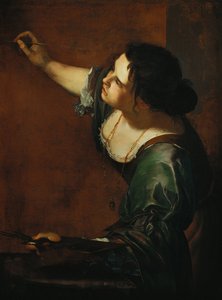
Artemisia Gentileschi
1593 - 1656 , Italy
Quick Facts
- Artistic Movement Or Style: Baroque painting
- Artists Or Movements Influenced By This Artist:
- Feminist art
- Baroque painters
- Artists Who Influenced This Artist:
- Caravaggio
- Orazio Gentileschi
- Date Of Birth: 1593
- Date Of Death: 1656
- Full Name: Artemisia Gentileschi
- Nationality: Italian
- Notable Artworks:
- Judith Slaying Holofernes
- Susanna and the Elders
- Danaë
- Judith & her Maidservant
- Place Of Birth: Rome, Italy

