 Preview
 Send
Send Share
Share
 Details

 Download
 Similars
 X-Ray
X-Ray Diaporama
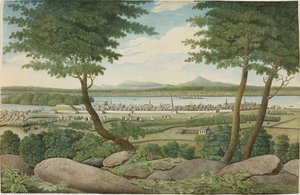
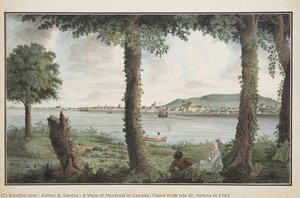
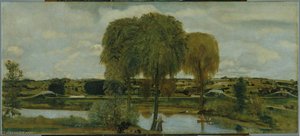
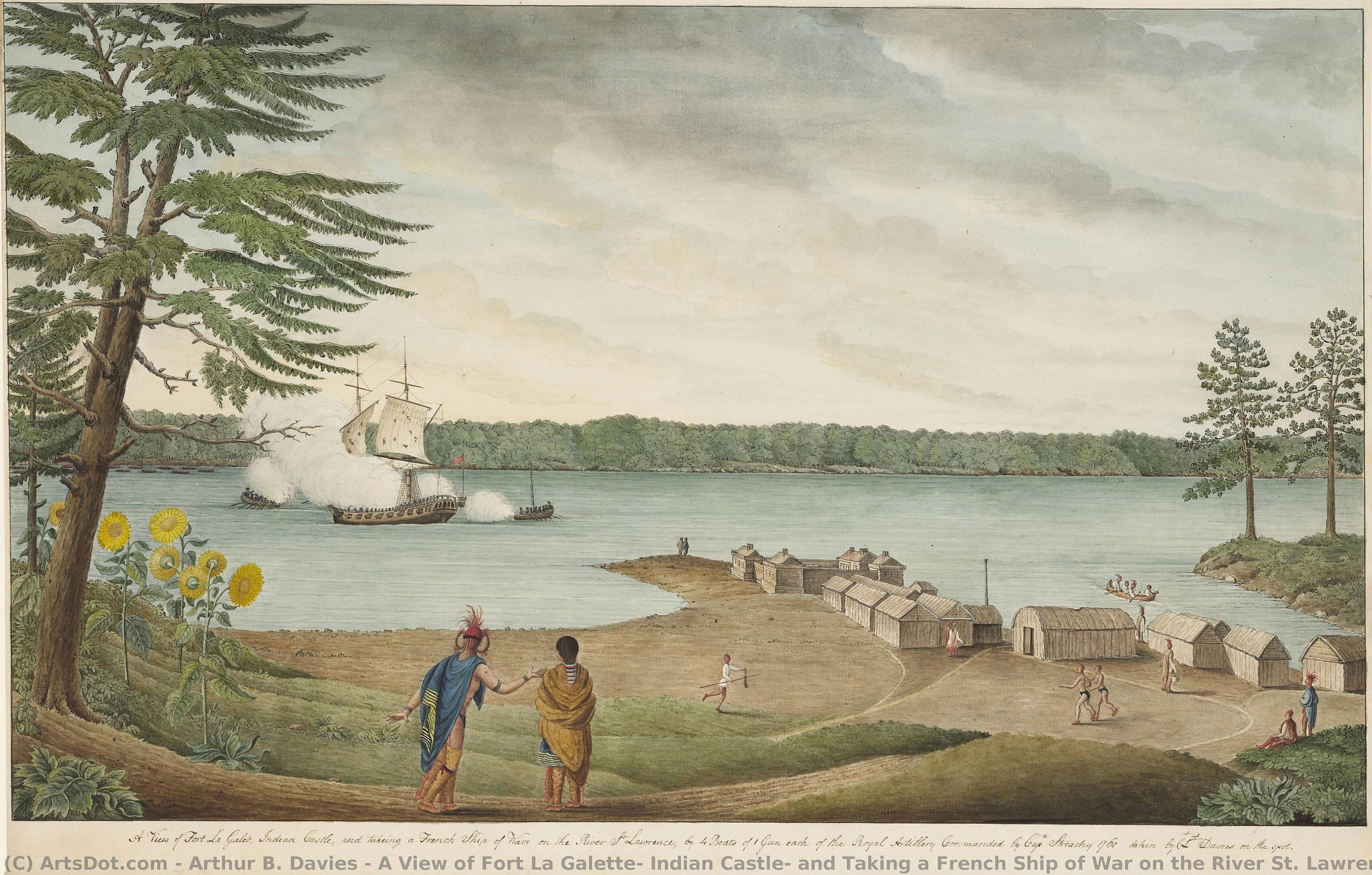
A View of Fort La Galette, Indian Castle, and Taking a French Ship of War on the River St. Lawrence, by Four Boats of One Gun Each of the Royal Artillery Commanded by Captain Streachy
 Oil On Canvas
- WallArt
- Hudson River School
 1760
1760- 19th Century
 38.0 x 58.0 cm
 National Gallery of Canada
 Read More
Hand Made Oil Reproduction
Hand-painted oil on canvas in your size and frame, made to order by our artists. ( Buy Print Buy Image)




P118B $10

P118H $10

P118W $10

P438Z $10

P508JH $12

P508YH $12

P805H $10

P805Z $10

P919BZ $10

P919G $10

P919XJ $10

P959ZH $10

P968JZ $12

W106C $8

W218G $10

W218JH $8

W218Y $10

W307PJ $10

W316G $10

W316PJ $8

W316Y $10

W398PJ $8

W4111J $10

W500HY $15

W500JH $15

W692G $12

W849H $8

W940BG $15

W953PJ $8




Pick from our preset sizes that match the artwork's original proportions.

You may enter your own dimensions to fit a specific frame or space. If your selected size does not match the original image's proportions, we will either crop the artwork or extend the painting with additional hand-painted elements. A digital mockup will be sent for your approval before production begins.
Please note that the on-screen preview does not reflect the actual cropping or extension. Only the mockup will accurately show the final composition.
While custom sizes are available, we recommend selecting a dimension from the predefined list to preserve the original proportions.
After order, ArtsDot.com team will email client for instructions and provide a mockup preview
Worldwide Delivery () in 3/4 weeks instead of standard 5 weeks. (17 August). No compromise on quality.

Free Worldwide Express Shipping

High-Quality Linen Canvas

Full Shipping Insurance

Customs Tax Refund Guarantee

True Color Matching Guarantee

60-Day Return Policy (Defects Only)

100% Money-Back Guarantee

Bulk Discount Offer
 Glass option is only available in size under 110 CM

A View of Fort La Galette, Indian Castle, and Taking a French Ship of War on the River St. Lawrence, by Four Boats of One Gun Each of the Royal Artillery Commanded by Captain Streachy
Reproduction Medium
Reproduction Size
-


Total Price
$ 263
Artwork Description
A Dramatic Scene on the St. Lawrence: "A View of Fort La Galette..." by Arthur B. Davies
Arthur Bowen Davies’s “A View of Fort La Galette, Indian Castle, and Taking a French Ship of War on the River St. Lawrence…” is more than just a depiction of a river scene; it's a meticulously rendered tableau brimming with historical tension and evocative atmosphere. Painted in 1760, this artwork captures a pivotal moment – the strategic maneuvering around Fort La Galette near Quebec City, a location crucial to British efforts during the Seven Years’ War. The painting’s power lies not just in its subject matter but also in Davies's masterful execution, reflecting his deep engagement with both European artistic traditions and his own uniquely American sensibility.
- Subject Matter: The scene unfolds on the St. Lawrence River, showcasing a complex interplay of military activity and civilian observation. A French ship of war is engaged in a daring maneuver, supported by smaller vessels commanded by Captain Streachy and the Royal Artillery. This wasn’t simply a picturesque landscape; it was a strategic operation with significant geopolitical implications.
- Historical Context: The painting dates to a period of intense conflict between Britain and France for control of North America. Fort La Galette, an important British fortification, was under threat, and the depicted action reflects the desperate measures taken by both sides to secure their positions.
Davies’s Style and Technique: A Fusion of Influences
Davies's artistic style is a fascinating blend of influences. Initially drawn to the romantic landscapes of George Inness and the Hudson River School, he developed a distinctive approach characterized by meticulous detail and a strong sense of atmospheric perspective. His use of light and shadow is particularly noteworthy, creating a palpable sense of depth and drama within the composition. The black-and-white palette enhances this effect, lending the scene a timeless quality reminiscent of early topographical prints – a common genre for documenting strategic locations during the era.
- Realism with Romantic Flair: Davies skillfully balances realism in his depiction of the boats, figures, and river landscape with a romantic sensibility evident in the dramatic lighting and dynamic composition.
- Detailed Rendering: The artist’s attention to detail is remarkable, from the rigging of the ships to the expressions on the faces of the men involved. This level of precision speaks to Davies's technical skill and his commitment to creating a believable and engaging scene.
Symbolism and Emotional Impact
"A View of Fort La Galette..." resonates with a sense of urgency and potential conflict. The figures engaged in the preparations for boarding the ship, the watchful gaze of those on shore, and the looming presence of the French vessel all contribute to this feeling. While ostensibly a historical record, the painting transcends mere documentation; it evokes the anxieties and uncertainties inherent in wartime. The inclusion of the dog adds an unexpected element of humanity and perhaps even a subtle commentary on the human cost of conflict.
- Military Tension: The scene’s composition inherently conveys the tension of military operations, highlighting the strategic importance of the location and the potential for violence.
- Human Element: The presence of the dog introduces a relatable element, reminding us of the human cost of war beyond the grand scale of battles.
A Valuable Reproduction – Bringing History to Life
This meticulously crafted hand-painted reproduction captures the essence of Davies’s original artwork with exceptional fidelity. Measuring 38 x 58 cm, it's a piece that can be displayed in a variety of settings, from formal studies to more casual living spaces. Its historical significance combined with Davies’s artistic skill makes this reproduction a compelling addition to any art collection or a thoughtful choice for interior design – a window into a pivotal moment in North American history.
Related Artworks
Artist Biography
A Mystic in the Modern Age: The Life and Art of Arthur B. Davies
Arthur Bowen Davies, born in Utica, New York, in 1862, occupies a uniquely complex position within the narrative of American art. He wasn’t simply *of* his time—the tumultuous era bridging the 19th and 20th centuries—but actively shaped it, serving as both a conduit for European modernism and a champion of distinctly American artistic voices. His journey began with an early fascination for landscape painting, sparked by a touring exhibition that showcased the works of George Inness and the Hudson River School masters. This initial exposure instilled in him a reverence for nature’s beauty and a technical proficiency that would remain hallmarks of his style throughout his career. However, Davies wasn't destined to become merely another practitioner of traditional landscape; he possessed an inner vision, a yearning to express something beyond the purely representational. After studies at the Chicago Academy of Design and the Art Students League in New York, he began to forge a path that blended romantic sensibilities with emerging modernist ideals. His early career involved illustration work, but his true calling lay in painting—in creating worlds imbued with symbolism and emotional resonance.The Ashcan School & The Armory Show: A Catalyst for Change
Davies’s artistic development unfolded against a backdrop of significant social and cultural shifts. He became associated with “The Eight,” a group of artists who challenged the conservative norms of the National Academy of Design in 1908. While often linked to the Ashcan School—a movement known for its gritty depictions of urban life—Davies stood somewhat apart. Where artists like John Sloan focused on the raw realities of city streets, Davies sought refuge in a more ethereal realm. His paintings weren't about documenting the visible world; they were about evoking moods, dreams, and spiritual longings. Nevertheless, his involvement with The Eight demonstrated his commitment to artistic independence and his willingness to challenge established conventions. This spirit of rebellion culminated in his pivotal role as one of the organizers of the 1913 Armory Show—a watershed moment that introduced European modernism (Cubism, Fauvism, Futurism) to a largely unsuspecting American public. The show was met with both outrage and excitement, irrevocably altering the course of American art history. Davies’s contribution wasn't merely logistical; he possessed an exceptional understanding of contemporary artistic trends and a keen eye for talent, making him instrumental in selecting the works exhibited. He understood that art needed to reflect the changing world, even if that meant embracing radical new forms.A Language of Symbolism & Ethereal Visions
Davies’s mature style is characterized by its lyrical quality, delicate brushwork, and evocative use of color. His paintings often feature figures—often women or mythological beings—immersed in dreamlike landscapes. These aren't portraits in the traditional sense; they are archetypal representations of human emotions and spiritual states. Unicorns: Legend, Sea Calm, perhaps his most famous work, exemplifies this approach. The painting depicts a group of ethereal figures frolicking with unicorns on a tranquil shore—a scene that is both enchanting and deeply symbolic. His works frequently explore themes of longing, loss, and the search for transcendence. He wasn’t interested in depicting reality as it *is*, but rather as it *feels*. This emphasis on subjective experience aligns him with Symbolist painters like Odilon Redon and Pierre Puvis de Chavannes, artists who sought to express inner truths through evocative imagery. Davies's palette is often muted and harmonious, creating a sense of atmosphere and mystery. He masterfully employed techniques such as glazing and scumbling to achieve luminous effects and subtle gradations of tone. His art invites contemplation, urging viewers to look beyond the surface and delve into the realm of the imagination.Contradictions & Legacy
The life of Arthur B. Davies was marked by contradictions. While publicly advocating for artistic freedom and innovation, he maintained a relatively conservative personal life—at least, the one presented to the world. The revelation after his death in Florence, Italy, in 1928, that he had lived a double life with two families—Virginia Meriwether Davies, whom he married in 1892, and Edna—shocked the art community. This hidden aspect of his biography adds another layer of complexity to his artistic persona. Despite this personal turmoil, or perhaps because of it, Davies left an indelible mark on American art. He was a pivotal figure in the development of American modernism, bridging the gap between traditional aesthetics and avant-garde experimentation. His influence can be seen in the work of subsequent generations of artists who continued to explore themes of spirituality, symbolism, and emotional expression.- He remains a testament to the power of art to transcend boundaries—both artistic and personal.
- His paintings continue to resonate with viewers seeking beauty, mystery, and a glimpse into the hidden depths of the human soul.
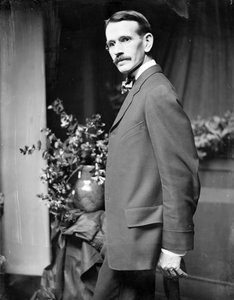
Arthur B. Davies
1862 - 1928 , United States of America
Quick Facts
- Artistic Movement Or Style: Modernism, Symbolism
- Artists Or Movements Influenced By This Artist:
- American Modernism
- Ashcan School
- Artists Who Influenced This Artist:
- George Inness
- Corot
- Millet
- Date Of Birth: 1862
- Date Of Death: 1928
- Full Name: Arthur Bowen Davies
- Nationality: American
- Notable Artworks: ['Unicorns: Legend, Sea Calm']
- Place Of Birth: Utica, USA
Related Articles
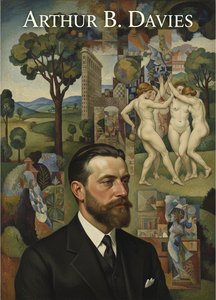
Arthur B. Davies: Pioneering American Modernism & the Cosmopolitan Spirit
Explore the life & work of Arthur B. Davies, a pivotal figure in American Modernism. Discover his unique style, role in the 1913 Armory Show, and lasting influence on art history. Learn about collecting Davies' works.
El Greco's Masterpieces: Explore 25 Iconic Paintings & Spiritual Visions | ArtsDot
Journey through El Greco's 25 most iconic paintings! Explore the spiritual depth & dramatic beauty of this Spanish Renaissance master. Discover art history, techniques & find museum-quality reproductions for your home at ArtsDot.com.
18th Century Masters: 10 Artworks That Define an Era | ArtsDot
Journey through 18th century art! Explore 10 iconic paintings – from Rococo elegance to Neoclassical grandeur. Discover Fragonard, David & more. Find museum-quality reproductions and elevate your home decor on ArtsDot.com.
Flowing Narratives: Rivers in Painting – A Historical Exploration
Explore the rich history of rivers in painting! Discover masterpieces from ancient times to Impressionism & beyond. Learn about symbolism, artists like Monet & Daubigny, and find your perfect serene artwork at ArtsDot.

Hudson River School: 10 Masterpieces That Capture America's Wild Beauty | ArtsDot
Journey through America's breathtaking landscapes with our guide to the Top 10 Hudson River School masterpieces. Explore Thomas Cole, Frederic Church & more! Find museum-quality art reproductions and elevate your home decor at ArtsDot.com.