

 Preview
 Send
Send Share
Share
 Details

 Download
 Similars
 X-Ray
X-Ray Diaporama
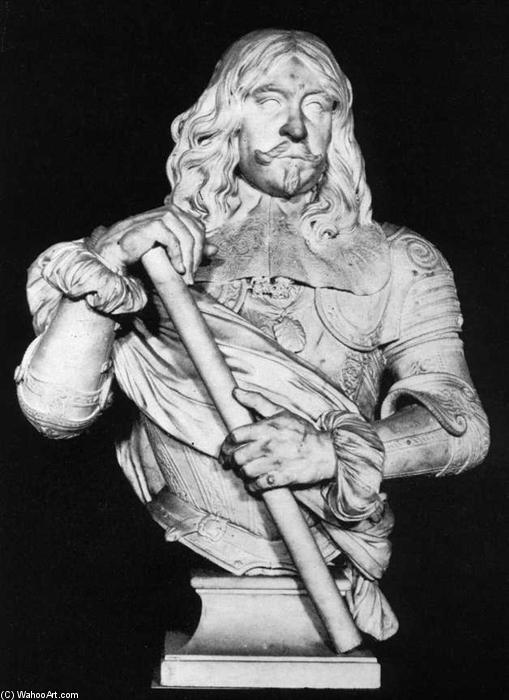
Louis of Bavaria


 Read More
Purchase a high-resolution, enhanced digital image, far superior to the online preview.
Each file is meticulously prepared by our in-house specialists using advanced tools and expert manual retouching. We ensure every image has exceptional clarity, precise color accuracy, and fine detail.
The final file is delivered via email within 72 hours, optimized for immediate use in professional, editorial, and print environments. This is the same quality trusted by top-tier design studios, publishers, and galleries.
Digital Image
Download a high-resolution file for personal display, printing, and creative projects. ( Buy Print Buy Hand Made Painting)
Included in Every Digital Image Order
Expert Digital Delivery, Guaranteed
When you choose ArtsDot.com, you're not just getting an image - you're receiving a professionally enhanced digital artwork, crafted with precision and backed by a satisfaction guarantee. Here's everything that comes with your order, automatically:

Fast Email Delivery
Your high-resolution digital image file will be emailed to you within 72 hours of ordering - ready for immediate use.

AI-Enhanced Digital File
Your artwork is professionally optimized using advanced AI tools and manual editing, ensuring maximum detail, clarity, and color accuracy.

Free Lifetime Re-Delivery
Accidentally deleted or lost your file? No worries - we'll resend it to you anytime, free of charge.

No Import Fees - Ever
Enjoy your artwork instantly with zero customs, duties, or delivery fees - digital downloads are always tax-free.

Color Accuracy Guarantee
We ensure your digital image reflects the original colors as closely as possible using professional tools and color management.

60-Day Satisfaction Guarantee
If you're not satisfied with your digital image, we'll revise it or refund 100% within 60 days - no questions asked.

100% Money-Back Guarantee
Not satisfied? Get a full refund within 60 days of receiving your digital file - no questions asked.

Bulk Order Discounts
Buy 3 images, save 10% - Buy 5, save 15% - Buy 10+, save 20%. Great for creative projects, galleries, and agencies.
Collectible Description
Louis of Bavaria: A Baroque Portrait of Regal Authority
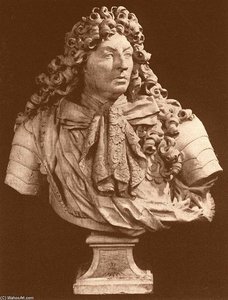
The captivating marble bust of Louis of Bavaria, sculpted by Artus Quellinus II in 1664, stands as a testament to the enduring power and solemn dignity of Holy Roman Emperors. More than simply a likeness, this piece embodies the grandeur of the late Baroque era, skillfully blending classical ideals with dramatic theatricality – a hallmark of Quellinus’s distinctive style. The sculpture captures Louis not merely as a ruler, but as a figure imbued with an aura of authority and contemplative gravitas, inviting viewers to contemplate his legacy and the weighty responsibilities he bore.
Quellinus II, a pivotal figure in the transition from High to Late Baroque sculpture, inherited a rich artistic lineage from his father, Artus Quellinus I. Trained initially under his father’s guidance in Antwerp, and later profoundly influenced by the renowned Grinling Gibbons during his time in London, Quellinus developed a unique voice – one characterized by a masterful command of light and shadow, an expressive use of texture, and a subtle yet potent deployment of classical motifs. This particular bust exemplifies these qualities perfectly, showcasing a refined balance between meticulous detail and emotive suggestion.
A Study in Baroque Technique and Material
The sculpture itself is executed in meticulously carved marble, a material chosen for its inherent luminosity and ability to capture intricate details. Quellinus II’s technique demonstrates an exceptional understanding of subtractive sculpting – carefully removing material to reveal the form beneath, creating a remarkable sense of volume and depth. Note the subtle gradations of tone achieved through careful polishing and shading; these nuances bring the face to life, conveying not just Louis' features but also his inner character. The drapery, though simplified, is rendered with an impressive level of realism, suggesting the weight and flow of royal garments.
The composition is remarkably balanced, with the bust’s central placement immediately drawing the viewer’s eye to the face – a focal point dominated by a thoughtful expression. The strong verticality of the figure contrasts subtly with the flowing curves of the draped fabric, creating a dynamic tension that adds visual interest. The armor, meticulously detailed yet not overly ornate, speaks to Louis' military prowess and his role as a defender of the realm. The subtle hints of insignia – perhaps emblems of his duchies or territories – further enrich the portrait’s narrative.
Symbolism and Historical Context
Louis of Bavaria’s reign was marked by significant political upheaval, including conflict with Frederick the Fair over the Holy Roman throne. This bust, created during a period of intense rivalry, serves as more than just a portrait; it's a carefully constructed symbol of power and legitimacy. The severe expression on Louis’ face – a blend of determination and solemnity – reflects the burdens of leadership and the challenges he faced in maintaining his position. The armor, a traditional symbol of military might, underscores his role as a warrior-king.
Furthermore, the bust aligns with the broader artistic trends of the Baroque period, which emphasized drama, emotion, and the glorification of power. The use of chiaroscuro – the dramatic interplay of light and shadow – is particularly effective in highlighting Louis’ features and creating a sense of depth and volume. The influence of Renaissance portraiture is evident in the idealized proportions and the careful attention to detail, while the theatricality of Baroque sculpture—particularly inspired by Bernini—is subtly incorporated through the dynamic composition and expressive gestures.
A Legacy of Artistic Excellence
Artus Quellinus II’s “Louis of Bavaria” stands as a remarkable achievement in Baroque sculpture. It is a compelling portrait that transcends mere likeness, offering a profound insight into the character and reign of one of Holy Roman Empire's most influential figures. Reproductions of this piece capture not only its visual beauty but also the spirit of artistic innovation and historical significance that define Quellinus’s legacy. This sculpture remains a powerful reminder of the enduring appeal of classical ideals combined with Baroque drama, offering a timeless vision of regal authority and contemplative strength.
Related Artworks

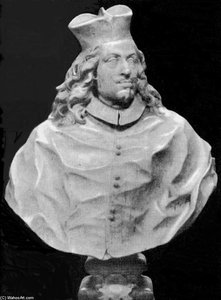
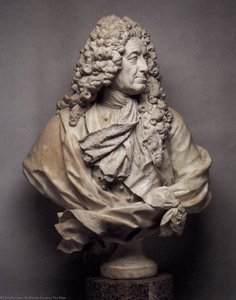
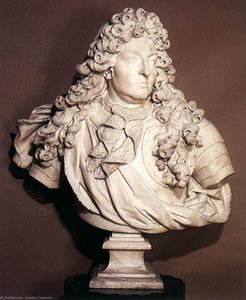
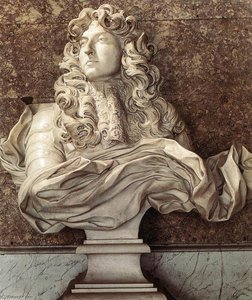
Artist Biography
Artus Quellinus II: Life and Legacy
Early Life and Training
Born in St. Trudena, Belgium, in 1625, Artus Quellinus II came from a prominent artistic family. His father, Artus Quellinus I, was a celebrated sculptor, and he had two brothers – Thomas Quellinus, also a sculptor, and Cornelis Quellinus, a painter. He received his initial training in his father’s workshop in Antwerp, laying the foundation for his future career as a Baroque sculptor.
Move to London and Artistic Development
In 1682, Quellinus II relocated to London, joining the growing community of Flemish artists who had emigrated there. This move was likely encouraged by his wife, Frances Siberechts, daughter of the Antwerp-born painter Jan Siberechts. Before establishing himself independently, he briefly worked in the studios of both Hugh May and, more significantly, Grinling Gibbons – a leading English wood carver and sculptor. His collaboration with Gibbons proved particularly influential.
Key Influences
- Artus Quellinus I (Father): Provided foundational training in sculptural techniques and Baroque aesthetics.
- Grinling Gibbons: Exposed him to the intricacies of English wood carving and a more naturalistic approach within the Baroque style.
- Flemish Baroque Tradition: The broader artistic environment of Antwerp shaped his early development, emphasizing dramatic compositions and religious themes.
Major Works and Artistic Style
Quellinus II’s work is characterized by its dynamic energy, detailed craftsmanship, and often monumental scale. He primarily focused on religious sculpture, creating altarpieces, tomb monuments, and decorative elements for churches and palaces.
- God the Father (1682): A striking marble sculpture showcasing classical influences combined with Baroque drama.
- Visitation (1678): A detailed marble relief depicting a biblical scene, demonstrating his skill in narrative representation.
- Tomb of Bishop Marius Ambrose Capello: An elaborate tomb monument exemplifying his ability to create grand and imposing sculptural ensembles.
- Choir Stalls: Intricate carvings for choir stalls, showcasing his mastery of detail and decorative elements.
Collaborations and Later Life
A significant collaboration occurred with Grinling Gibbons on the altarpiece for the Roman Catholic chapel in Whitehall Palace (1685-86). This project highlighted Quellinus II’s ability to work alongside other leading artists. His early death in 1700 marked a loss for the artistic community, and his widow later married his studio assistant, John Nost.
Historical Significance
Artus Quellinus II played an important role in bringing Flemish Baroque sculpture to England. His work helped shape the aesthetic landscape of late 17th-century English art and influenced subsequent generations of sculptors. He bridged the gap between High and Late Baroque styles, contributing significantly to the development of religious sculpture during this period.
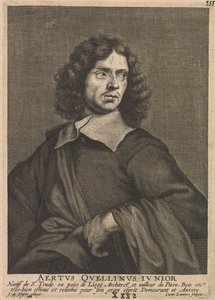
artus ii quellinus
1653 - 1686 , Belgium
Quick Facts
- Birth Date: 1625
- Birth Place: St. Trudena, Belgium
- Death Date: 1700
- Influenced:
- Thomas Quellinus
- Cornelis Quellinus
- Influenced By: Artus Quellinus I
- Movement: Baroque
- Name: Artus Quellinus II
- Nationality: Flemish
- Notable Works:
- God the Father
- Visitation
- Tomb of Bishop Marius Ambrose Capello

