 Preview
 Send
Send Share
Share
 Details

 Download
 Similars
 X-Ray
X-Ray Diaporama
Louis XIII


 Read More
Hand Made Oil Reproduction
Hand-painted oil on canvas in your size and frame, made to order by our artists. ( Buy Print Buy Image)




P118B $10

P118H $10

P118W $10

P438Z $10

P508JH $12

P508YH $12

P805H $10

P805Z $10

P919BZ $10

P919G $10

P919XJ $10

P959ZH $10

P968JZ $12

W106C $8

W218G $10

W218JH $8

W218Y $10

W307PJ $10

W316G $10

W316PJ $8

W316Y $10

W398PJ $8

W4111J $10

W500HY $15

W500JH $15

W692G $12

W849H $8

W940BG $15

W953PJ $8




Pick from our preset sizes that match the artwork's original proportions.

You may enter your own dimensions to fit a specific frame or space. If your selected size does not match the original image's proportions, we will either crop the artwork or extend the painting with additional hand-painted elements. A digital mockup will be sent for your approval before production begins.
Please note that the on-screen preview does not reflect the actual cropping or extension. Only the mockup will accurately show the final composition.
While custom sizes are available, we recommend selecting a dimension from the predefined list to preserve the original proportions.
After order, ArtsDot.com team will email client for instructions and provide a mockup preview
Worldwide Delivery () in 3/4 weeks instead of standard 5 weeks. (20 August). No compromise on quality.

Free Worldwide Express Shipping

High-Quality Linen Canvas

Full Shipping Insurance

Customs Tax Refund Guarantee

True Color Matching Guarantee

60-Day Return Policy (Defects Only)

100% Money-Back Guarantee

Bulk Discount Offer
 Glass option is only available in size under 110 CM

Louis XIII
Reproduction Medium
Reproduction Size
-


Total Price
$ 263
Artwork Description
The Majesty of Louis XIII – A Marble Masterpiece
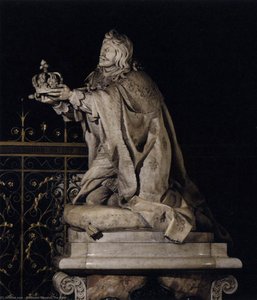
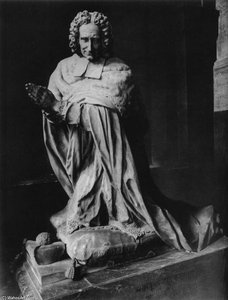
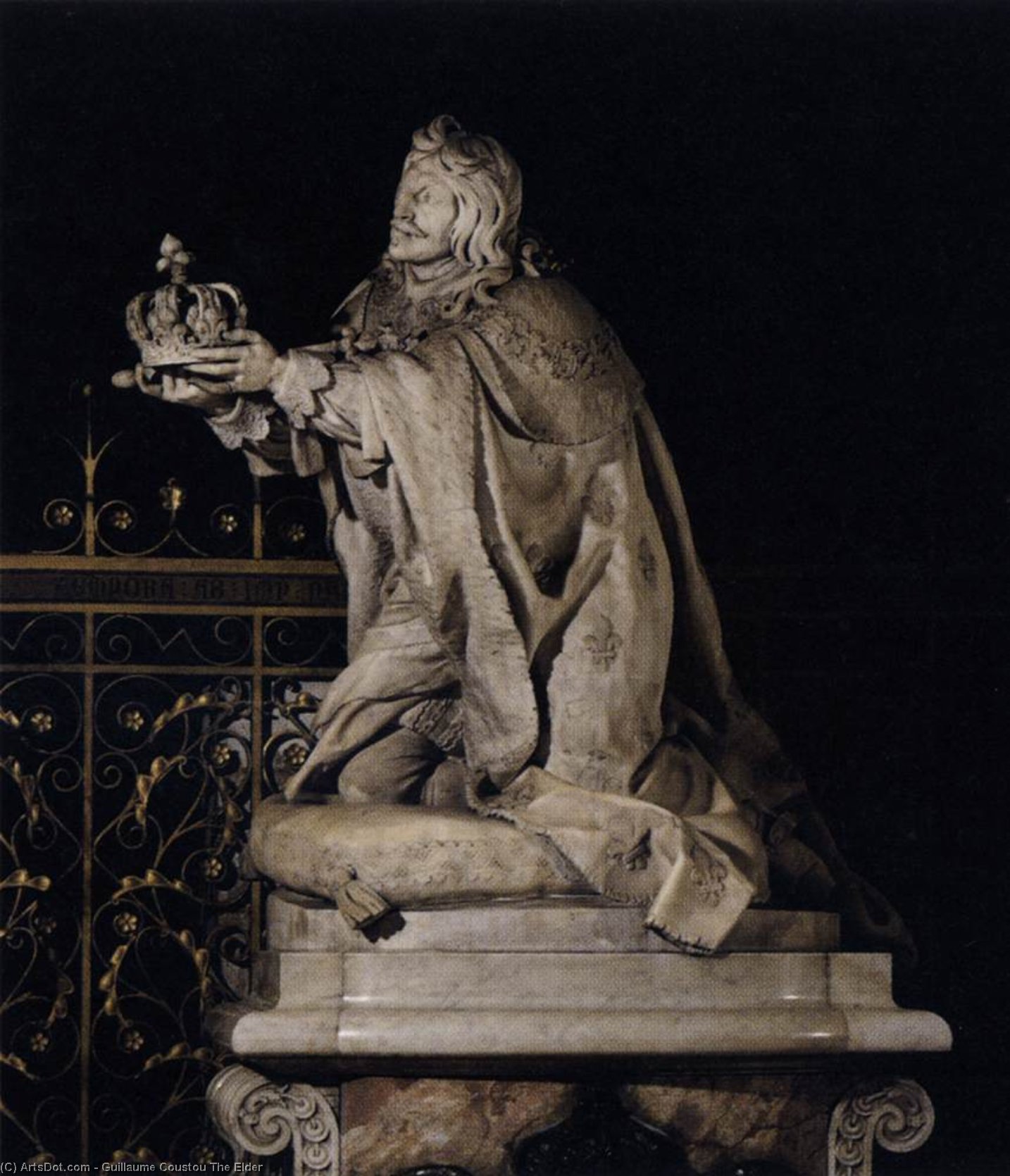
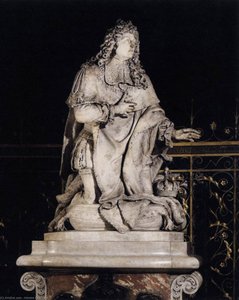
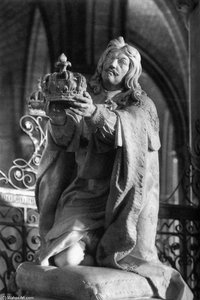
Standing before Guillaume Coustou’s “Louis XIII,” sculpted in the heart of Lyon during 1708, is an experience that transcends mere observation; it's a journey into the opulent heart of late Baroque France. This isn’t simply a statue; it’s a meticulously crafted embodiment of royal authority, a testament to the skill of a master sculptor and a poignant reflection on the legacy of a king. The figure, rendered in pristine white marble, captures Louis XIII with an almost unnerving stillness – a deliberate choice that speaks volumes about his reign and the carefully constructed image he sought to project.
The sculpture’s immediate impact is one of profound dignity. He kneels, presenting a jeweled crown, not in triumphant gesture, but with a quiet solemnity that suggests both power and restraint. The details are astonishing: the intricate folds of his velvet robes, shimmering with an implied richness; the subtle curve of his hand, conveying authority without aggression; even the delicate rendering of the fleur-de-lis emblem adorning his attire speaks to the grandeur of the French monarchy. Coustou’s mastery lies not just in capturing likeness but in imbuing the marble with a sense of life and presence – an almost palpable aura of regal bearing.
A Sculptor's Legacy: Guillaume Coustou and the Royal Atelier
Guillaume Coustou, born into a family steeped in artistic tradition—his uncle, Antoine Coysevox, being a renowned royal sculptor—was a pivotal figure in the French art scene of the 18th century. His early training within this esteemed lineage undoubtedly shaped his approach to sculpture, instilling a deep understanding of classical techniques and an appreciation for the power of form. However, Coustou’s ambition led him beyond the confines of his family's workshop, ultimately seeking his artistic destiny in Rome, where he won the prestigious Prix de Rome. This experience broadened his horizons, exposing him to new influences while simultaneously fostering a spirit of independence that would later define his career.
Coustou’s time in Rome was crucial; it allowed him to develop his own distinctive style, blending classical ideals with Baroque dynamism. He quickly gained recognition for his ability to capture both the grandeur and the humanity of his subjects. His work for Louis XIV's Marly Gardens – particularly the monumental equestrian sculptures – cemented his reputation as one of France’s leading sculptors, showcasing his technical prowess and dramatic flair. The commission for “Louis XIII” reflects this established success, demonstrating Coustou’s ability to translate royal aspirations into a tangible, enduring work of art.
Symbolism and the Portrait of a King
Beyond its aesthetic beauty, “Louis XIII” is rich in symbolic meaning. The kneeling posture immediately establishes a sense of humility and reverence – a deliberate contrast to the image of a conquering warrior. The presentation of the crown signifies not merely power but also responsibility and service to the realm. The jeweled nature of the crown underscores the wealth and prosperity associated with Louis XIII’s reign, while simultaneously hinting at the complexities and challenges he faced.
Furthermore, the sculpture can be interpreted as a reflection on the concept of divine right – the belief that monarchs derive their authority from God. The regal bearing, combined with the symbolic offering of the crown, reinforces this notion, portraying Louis XIII as a divinely appointed ruler entrusted with safeguarding his kingdom. The dark background further enhances the dramatic effect, drawing attention to the figure and emphasizing its importance within the composition.
Replicas and a Timeless Legacy
Reproductions of “Louis XIII” offer an exceptional opportunity to bring this iconic work of art into any setting – from grand halls to intimate living spaces. The meticulous detail captured by Coustou’s hand is faithfully reproduced, allowing viewers to appreciate the sculpture's artistry and symbolism on a personal level. Whether displayed as a statement piece or incorporated into a broader collection, “Louis XIII” remains a powerful reminder of France’s rich artistic heritage and the enduring legacy of its royal past.
Related Artworks
Artist Biography
A Legacy Forged in Stone: The Life and Art of Guillaume Coustou the Elder
Guillaume Coustou the Elder emerged from a Lyon steeped in artistic tradition, born in 1677 into a family that would leave an indelible mark on French sculpture. His lineage was one of creative prowess; his uncle, Antoine Coysevox, already enjoyed renown as a royal sculptor, and his brother, Nicolas Coustou, would also achieve significant acclaim. This familial environment provided the fertile ground for young Guillaume’s artistic development, instilling in him a deep understanding of traditional techniques and an appreciation for the power of form. While initial training likely occurred within this close-knit circle, Coustou's ambition led him to Paris and ultimately, a period of study – albeit unconventional – in Rome. Though he initially won the prestigious *Prix de Rome*, his independent spirit clashed with the rigid discipline of the French Academy there, prompting him to pursue his artistic vision outside its confines. This early act of defiance foreshadowed a career marked by both technical mastery and a dynamic energy that set him apart from many of his contemporaries.Bridging Baroque Grandeur and Rococo Grace
Coustou’s artistic journey unfolded during a fascinating period of transition in French art, poised between the dramatic intensity of the High Baroque and the emerging elegance of the Rococo style. His work beautifully embodies this shift. Early pieces reveal the influence of the Baroque – a grandeur of scale, emotional depth, and theatricality that echoed the reign of Louis XIV. However, Coustou didn’t simply replicate the past; he gradually incorporated elements of the burgeoning Rococo aesthetic, infusing his sculptures with a newfound lightness, grace, and playful ornamentation. This synthesis is particularly evident in his masterful handling of anatomy and composition. He possessed an exceptional ability to capture movement and emotion within the constraints of marble, imbuing his figures with a sense of life and vitality. While pinpointing direct influences proves challenging, the dramatic flair and technical virtuosity of Gian Lorenzo Bernini undoubtedly served as inspiration, particularly in Coustou’s ambitious undertakings.The Triumph of Marly: A Symbol of Royal Power
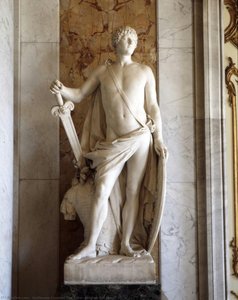
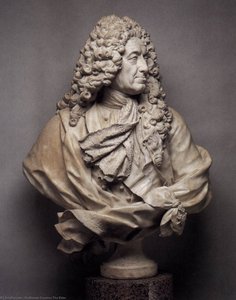
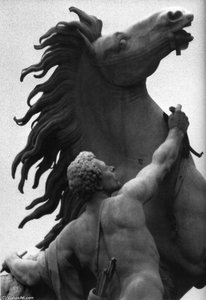
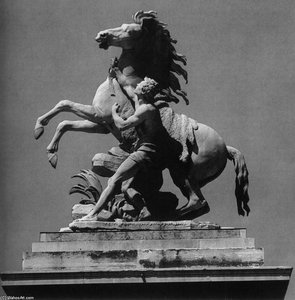
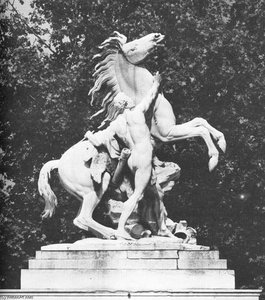
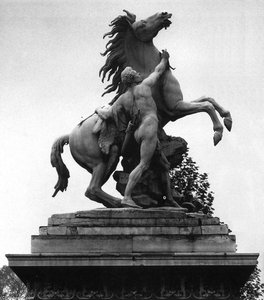
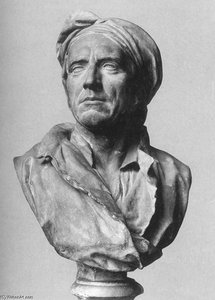
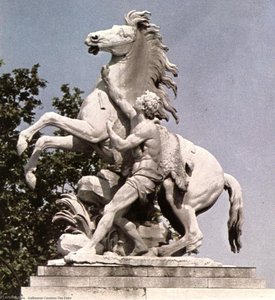
Coustou's career flourished under the patronage of the French monarchy, reaching its zenith with his commission to create the monumental “Horse Tamers” (Chevaux de Marly) in 1739 for the gardens of the Château de Marly. These sculptures are arguably his most celebrated achievement and remain iconic symbols of royal authority and artistic ambition. Originally intended to flank the entrance to the château, they depict powerful horsemen forcefully subduing wild horses – a potent allegory of royal control over nature and untamed forces. The sheer scale of these works is breathtaking, but it’s the dynamic energy captured within the marble that truly captivates. Each muscle strains with effort, each expression conveys determination, and the entire composition exudes a sense of raw power. Beyond the “Horse Tamers,” Coustou's portfolio includes striking portraits such as his marble sculpture of Louis XIII, capturing the regal presence of the king with dignified precision, and the exquisitely detailed Bust of Samuel Bernard, showcasing his skill in portraiture. His neoclassical marble statue of Mars, the Roman god of war, further demonstrates his versatility and mastery of classical forms.A Lasting Influence on French Sculpture
Guillaume Coustou the Elder played a pivotal role in shaping the landscape of 18th-century French sculpture. His works epitomized the opulence and grandeur of the French court, reflecting the artistic tastes of an era defined by extravagance and refinement. The “Horse Tamers,” in particular, transcended their original function as garden ornaments to become enduring symbols of royal power and national pride. Coustou’s ability to bridge the gap between the Baroque and Rococo styles proved profoundly influential on subsequent generations of sculptors, including his own son, Guillaume Coustou the Younger, who continued the family tradition and further developed their artistic legacy. His emphasis on dynamic composition, anatomical accuracy, expressive detail, and a masterful understanding of marble ensured that his influence would resonate long after his death in 1746. He left behind not merely sculptures, but testaments to an era’s ambition and artistry – works that continue to inspire awe and admiration centuries later.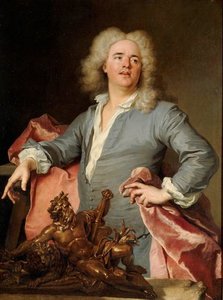
Guillaume Coustou the Elder
1716 - 1777 , France
Quick Facts
- Artistic Movement Or Style: Baroque & Rococo
- Artists Or Movements Influenced By This Artist: ['Guillaume Coustou the Younger']
- Artists Who Influenced This Artist: ['Gian Lorenzo Bernini']
- Date Of Birth: November 29, 1677
- Date Of Death: February 22, 1746
- Full Name: Guillaume Coustou the Elder
- Nationality: French
- Notable Artworks:
- Horse Tamers
- Louis XIII
- Bust of Samuel Bernard
- Statue des Mars
- Place Of Birth: Lyon, France
Related Articles

Bronze Sculptures That Defined Art History | ArtsDot
Journey through art history with our Top 10 bronze sculptures! Explore masterpieces by Rodin, Michelangelo & more. Discover stories behind iconic statues and find museum-quality reproductions for your home decor at ArtsDot.com.

The Enduring Form: Exploring Themes & Techniques in Sculpture Across Historical Periods
Explore the rich history of sculpture from ancient masterpieces to contemporary innovations. Discover key techniques, influential artists & investment potential for discerning art collectors.
The Enduring Form: Sculpture Across History, Technique & Emotional Resonance
Explore the rich history of sculpture with ArtsDot. Discover key techniques, influential artists & investment potential for discerning collectors. Expert insights into valuing and collecting timeless masterpieces.

Theatricality & Triumph: Baroque Drama in Painting & Sculpture
Explore the dramatic world of Baroque art! Discover its history, defining characteristics, & lasting influence on painting & sculpture. Expert insights into Caravaggio, Zurbarán, and Bernini – plus high-quality reproductions at ArtsDot.

Bronze Age to Modern Masters: 10 Sculptures That Redefined Art | ArtsDot
Journey through art history with 10 legendary bronze sculptures – from Michelangelo's David to Rodin’s Thinker. Explore the stories, techniques & timeless beauty of these masterpieces. Find museum-quality reproductions & elevate your home decor on ArtsDot.com.