

 Preview
 Send
Send Share
Share
 Details

 Download
 Similars
 X-Ray
X-Ray Diaporama
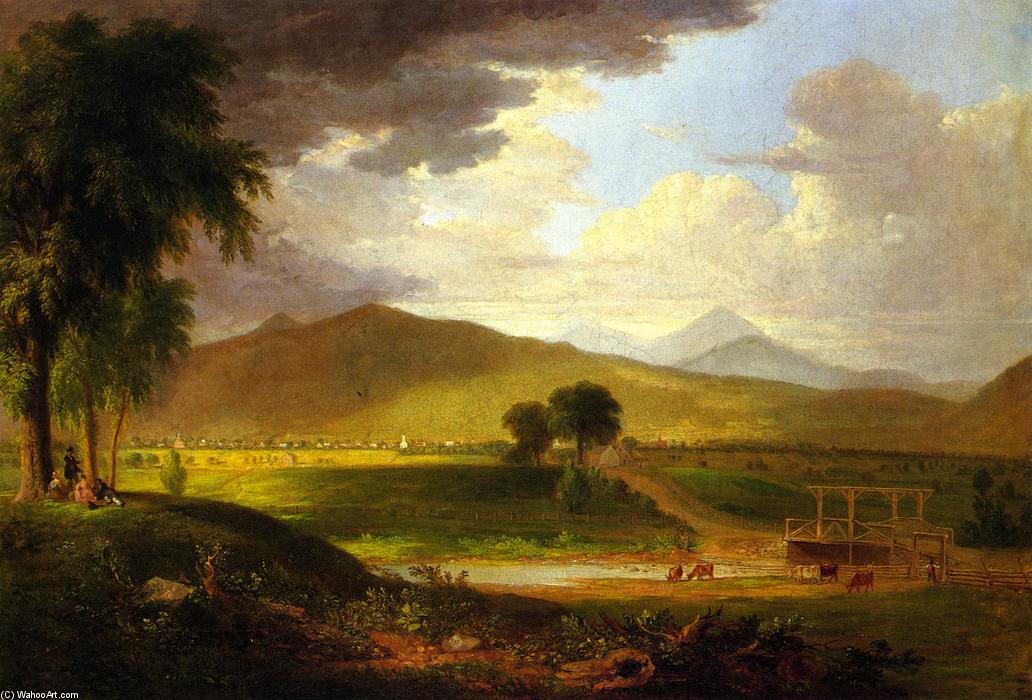
View of Rutland, Vermont


 Read More
Purchase a high-resolution, enhanced digital image, far superior to the online preview.
Each file is meticulously prepared by our in-house specialists using advanced tools and expert manual retouching. We ensure every image has exceptional clarity, precise color accuracy, and fine detail.
The final file is delivered via email within 72 hours, optimized for immediate use in professional, editorial, and print environments. This is the same quality trusted by top-tier design studios, publishers, and galleries.
Digital Image
Download a high-resolution file for personal display, printing, and creative projects. ( Buy Print Buy Hand Made Painting)
Included in Every Digital Image Order
Expert Digital Delivery, Guaranteed
When you choose ArtsDot.com, you're not just getting an image - you're receiving a professionally enhanced digital artwork, crafted with precision and backed by a satisfaction guarantee. Here's everything that comes with your order, automatically:

Fast Email Delivery
Your high-resolution digital image file will be emailed to you within 72 hours of ordering - ready for immediate use.

AI-Enhanced Digital File
Your artwork is professionally optimized using advanced AI tools and manual editing, ensuring maximum detail, clarity, and color accuracy.

Free Lifetime Re-Delivery
Accidentally deleted or lost your file? No worries - we'll resend it to you anytime, free of charge.

No Import Fees - Ever
Enjoy your artwork instantly with zero customs, duties, or delivery fees - digital downloads are always tax-free.

Color Accuracy Guarantee
We ensure your digital image reflects the original colors as closely as possible using professional tools and color management.

60-Day Satisfaction Guarantee
If you're not satisfied with your digital image, we'll revise it or refund 100% within 60 days - no questions asked.

100% Money-Back Guarantee
Not satisfied? Get a full refund within 60 days of receiving your digital file - no questions asked.

Bulk Order Discounts
Buy 3 images, save 10% - Buy 5, save 15% - Buy 10+, save 20%. Great for creative projects, galleries, and agencies.
Collectible Description
A Window on Vermont’s Soul: Asher Brown Durand's "View of Rutland"
Asher Brown Durand’s “View of Rutland, Vermont,” painted in 1839, isn’t merely a landscape; it’s a carefully constructed vision of the American wilderness imbued with Romantic ideals and a profound sense of national identity. This oil on canvas captures a quintessential scene from the Hudson River School – a vast expanse of rolling hills, punctuated by the modest settlement of Rutland nestled within a verdant valley. Durand, a pivotal figure in establishing naturalism as a dominant force in American art following the death of Thomas Cole, masterfully employs light and shadow to evoke both the grandeur and tranquility of the Vermont landscape. The painting’s power lies not just in its depiction of a specific place but in its ability to resonate with broader themes of exploration, progress, and the sublime beauty of nature—elements deeply intertwined with the burgeoning American spirit.The Hudson River School: A Romantic Vision
To fully appreciate “View of Rutland,” it’s essential to understand the context within which Durand worked – the Hudson River School. Emerging in the early 19th century, this movement sought to capture the raw beauty and power of the American landscape with a scientific rigor tempered by emotional intensity. Artists like Cole, Frederic Church, and George Catlin were deeply influenced by European Romanticism, but they adapted these principles to depict the unique character of North America. Durand, initially an engraver renowned for his meticulous detail, transitioned to painting, bringing his precision and observational skills to bear on capturing the nuances of light, texture, and color in nature. “View of Rutland” exemplifies this shift—a move away from purely representational art towards a more subjective and emotionally resonant portrayal of the natural world.Technique and Composition: Layers of Light and Detail
Durand’s technique is characterized by broad, confident brushstrokes that build up layers of color to create a sense of depth and atmosphere. The painting's composition is carefully orchestrated, guiding the viewer’s eye through the landscape with a clear foreground, middle ground, and distant background. The foreground bursts with lush vegetation – grasses, shrubs, and trees rendered in rich greens and browns—drawing us into the scene. The settlement of Rutland, with its modest buildings and figures engaged in daily life, occupies the middle ground, offering a glimpse into human activity within this vast wilderness. In the distance, towering mountains are silhouetted against a turbulent sky filled with dramatic clouds illuminated by shafts of sunlight. Durand’s masterful use of light is particularly noteworthy; he employs chiaroscuro—the contrast between light and dark—to create a sense of drama and highlight key elements within the composition. The warm hues of the sunset cast long shadows, adding depth and mystery to the scene.Symbolism and the American Ideal
Beyond its purely aesthetic qualities, “View of Rutland” carries significant symbolic weight. The vastness of the landscape represents freedom, opportunity, and the potential of America—a theme central to the Romantic ideal. The figures in the settlement suggest a harmonious relationship between humanity and nature, reflecting the burgeoning belief that progress could be achieved through respect for the environment. The painting can also be interpreted as an allegory for the nation’s westward expansion, with the landscape symbolizing the untamed frontier awaiting exploration and development. Durand's work, particularly this piece, embodies the American dream—a vision of a prosperous and virtuous nation built on the principles of hard work, self-reliance, and appreciation for the natural world. It is a powerful reminder of America’s early connection to its landscape and the enduring allure of the wilderness.Reproductions: Bringing Durand's Vision Home
Today, high-quality reproductions of “View of Rutland” are available through various art reproduction services. These meticulously crafted prints capture the painting’s rich colors, intricate details, and evocative atmosphere, allowing you to bring this iconic work of American art into your home or office. Whether displayed as a statement piece in a living room or a calming addition to a study, Durand's landscape offers a timeless connection to the beauty and spirit of America’s past.Related Artworks
Artist Biography
A Life Rooted in the American Landscape
Asher Brown Durand, born August 21, 1796, in Maplewood, New Jersey, wasn’t initially destined for a life steeped in paint and canvas. His early years were shaped by the practical world of his father, a watchmaker and silversmith, instilling in him a meticulous attention to detail that would later profoundly influence his artistic approach. This foundation in craftsmanship led to an apprenticeship with engraver Peter Maverick in 1812, a path that initially seemed to define his career. Durand quickly proved himself exceptionally skilled, becoming a partner in the firm and establishing its New York City branch. His reputation as an engraver soared after completing the intricate reproduction of John Trumbull’s *The Declaration of Independence* in 1823 – a feat that cemented his standing within the artistic community. However, beneath the precision of engraving lay a burgeoning passion for capturing the raw beauty of the natural world, a calling that would ultimately lead him to become a pivotal figure in American art.From Engraving to Embracing Nature’s Palette
The transition from meticulous engraver to celebrated landscape painter wasn't immediate. Durand continued his engraving work while simultaneously exploring painting, initially focusing on portraiture and genre scenes. A crucial turning point arrived with the patronage of Luman Reed in the 1830s, who encouraged him to fully embrace his artistic inclinations. Reed’s support allowed Durand to dedicate himself more completely to painting, a pursuit further ignited by a transformative sketching expedition with his close friend, Thomas Cole, in the Adirondacks in 1837. This journey into the untamed wilderness proved pivotal; it was here that Durand truly discovered his calling – to capture the sublime grandeur of the American landscape. He began to spend summers immersed in nature, meticulously documenting the Catskills, Adirondacks, and White Mountains through countless drawings and oil sketches. These studies weren’t merely preparatory exercises but became integral to his artistic process, informing the compositions and details of his finished paintings.A Founding Voice of the Hudson River School
Durand's dedication to landscape painting aligned him with a growing circle of artists who shared a similar vision – a group that would become known as the Hudson River School. He was among its founding members, alongside Cole, and played a vital role in establishing the school’s distinctive aesthetic. The Hudson River School wasn’t simply about depicting scenery; it was about imbuing landscapes with emotional resonance and spiritual significance. Durand's work embodies this philosophy, characterized by a meticulous realism combined with a romantic sensibility. He believed in observing nature with unwavering accuracy but also recognized its power to evoke feelings of awe, reverence, and the sublime. His paintings weren’t just representations of places; they were expressions of his deep connection to the American wilderness and a celebration of God's creation.Legacy and Enduring Influence
Durand’s influence extended beyond his own artistic output. He served as president of the National Academy of Design from 1845 to 1861, using his position to champion American art and nurture emerging talent. He also penned insightful “Letters on Landscape Painting” published in *The Crayon* – a significant art periodical – articulating his artistic principles and advocating for direct observation from nature. His commitment to realism and detailed representation set a high standard for subsequent generations of landscape painters. Works like *Kindred Spirits*, painted in 1849 as a tribute to Thomas Cole, became iconic representations of the Hudson River School aesthetic and continue to resonate with viewers today. The painting’s depiction of Cole and poet William Cullen Bryant amidst a serene woodland scene encapsulates the school's reverence for nature and its belief in the power of art to connect humanity with the divine. Durand’s paintings offer more than just picturesque views; they provide a window into 19th-century America, reflecting its evolving relationship with the natural world and its burgeoning sense of national identity. His legacy endures not only through his captivating canvases but also through his enduring influence on American landscape painting and his unwavering commitment to capturing the beauty and spiritual significance of the land.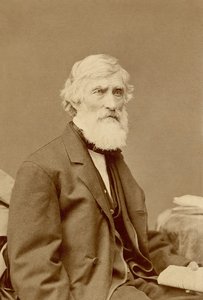
Asher Brown Durand
1796 - 1886 , United States of America
Quick Facts
- Artistic Movement Or Style: Hudson River School
- Artists Or Movements Influenced By This Artist: ['Hudson River School']
- Artists Who Influenced This Artist: ['Thomas Cole']
- Date Of Birth: August 19, 1796
- Date Of Death: 1886
- Full Name: Asher Brown Durand
- Nationality: American
- Notable Artworks:
- Landscape, Composition
- The Solitary Oak
- Sketch in the Woods
- Canoes in rapids
- Place Of Birth: New York City, USA

