

 Preview
 Send
Send Share
Share
 Details

 Download
 Similars
 X-Ray
X-Ray Diaporama
 Stats
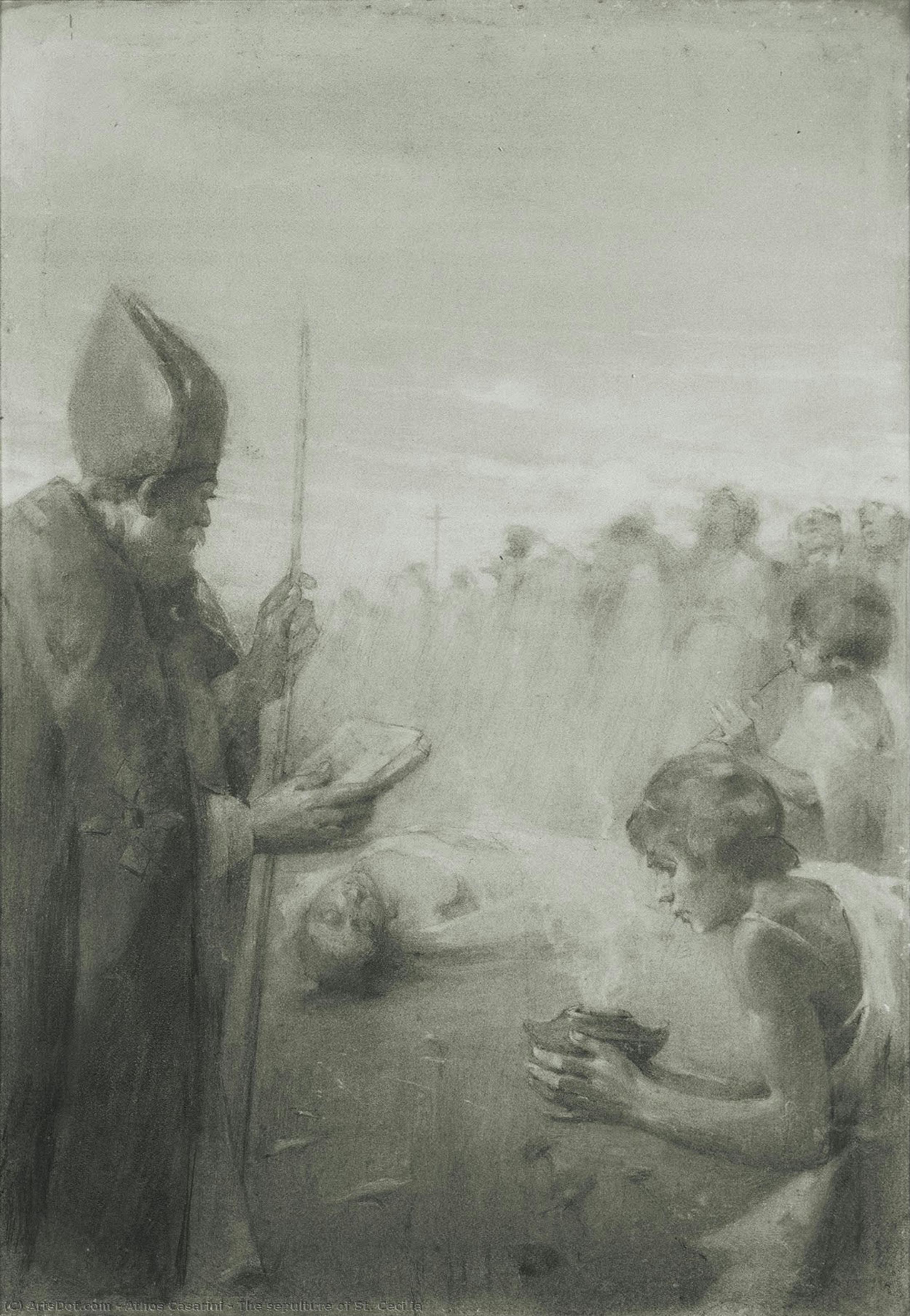
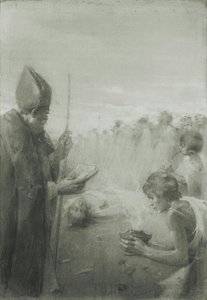
StatsThe sepulture of St. Cecilia


 Read More
Purchase a high-resolution, enhanced digital image, far superior to the online preview.
Each file is meticulously prepared by our in-house specialists using advanced tools and expert manual retouching. We ensure every image has exceptional clarity, precise color accuracy, and fine detail.
The final file is delivered via email within 72 hours, optimized for immediate use in professional, editorial, and print environments. This is the same quality trusted by top-tier design studios, publishers, and galleries.
Digital Image
Download a high-resolution file for personal display, printing, and creative projects. ( Switch to Print Buy Hand Made Painting)
Included in Every Digital Image Order
Expert Digital Delivery, Guaranteed
When you choose ArtsDot.com, you're not just getting an image - you're receiving a professionally enhanced digital artwork, crafted with precision and backed by a satisfaction guarantee. Here's everything that comes with your order, automatically:

Fast Email Delivery
Your high-resolution digital image file will be emailed to you within 72 hours of ordering - ready for immediate use.

AI-Enhanced Digital File
Your artwork is professionally optimized using advanced AI tools and manual editing, ensuring maximum detail, clarity, and color accuracy.

Free Lifetime Re-Delivery
Accidentally deleted or lost your file? No worries - we'll resend it to you anytime, free of charge.

No Import Fees - Ever
Enjoy your artwork instantly with zero customs, duties, or delivery fees - digital downloads are always tax-free.

Color Accuracy Guarantee
We ensure your digital image reflects the original colors as closely as possible using professional tools and color management.

100-Day Satisfaction Guarantee
If you're not satisfied with your digital image, we'll revise it or refund 100% within 100 days - no questions asked.

100% Money-Back Guarantee
Not satisfied? Get a full refund within 100 days of receiving your digital file - no questions asked.

Bulk Order Discounts
Buy 3 images, save 10% - Buy 5, save 15% - Buy 10+, save 20%. Great for creative projects, galleries, and agencies.
Related Artworks




Artist Biography
Athos Casarini: A Futurist Echo of Bologna’s Soul
Athos Casarini (1883–1917) emerged from the vibrant artistic landscape of Bologna, Italy—a city steeped in tradition yet yearning for innovation—to become a singular voice within the burgeoning Futurist movement. His life was tragically cut short during World War I, leaving behind a legacy of powerfully expressive paintings that continue to resonate with collectors and scholars alike. Born into a family deeply rooted in artistic pursuits, Casarini’s early exposure fostered an innate fascination with visual art, propelling him toward formal studies at the Accademia di Belle Arti di Bologna. However, it was his encounter with Futurism—a revolutionary artistic doctrine championed by Filippo Tommaso Marinetti—that irrevocably shaped his creative vision.
The trajectory of Casarini's career took a transformative turn in 1909 when he emigrated to New York. In the bustling metropolis of the early twentieth century, he quickly established himself as an elegant satirical draftsman, contributing his sharp, sophisticated line to prestigious publications such as Harper's Weekly, Collier's, and the New York World. It was during this American period that Casarini, alongside his contemporary Joseph Stella, played a pivotal role in introducing the dynamism of Futurism to the United States. His presence at the legendary 1913 Armory Show—the landmark exhibition that introduced modern art to America—marked him as a vital bridge between European avant-garde radicalism and the burgeoning American art scene.
The Synthesis of Motion and Spirit
Marinetti's manifesto declared war on everything familiar: past glories, academic conventions, and bourgeois morality. Casarini wholeheartedly embraced this ethos, translating its dynamism and rejection of established norms into a distinctive visual language characterized by fragmented forms, bold colors, and energetic brushstrokes. He sought to capture the speed and chaos of modern life—the roar of engines, the pulse of urban sprawl—transforming these sensations into tangible images on canvas. Yet, unlike many of his contemporaries who focused almost exclusively on industrial imagery and the cold steel of machinery, Casarini’s work possessed a profound connection to spiritual themes.
This unique duality—the embrace of technological advancement alongside the contemplation of religious iconography—distinguishes him as an artist uniquely positioned within his time. His canvases often navigated the tension between the ephemeral rush of the modern age and the eternal weight of tradition. Notable pieces such as “Resurrexit, non est hic” demonstrate this mastery, utilizing a monumental scale to depict St. Cecilia’s tomb in a way that serves as a poignant meditation on mortality and resurrection, all while being infused with the fractured, rhythmic energy of Futurist stylistic elements.
A Legacy Forged in Conflict
Despite his role in the movement that often glorified the "cleansing" power of war, Casarini held a rare and principled stance; he was notably the only Futurist artist to publicly speak out against the conflict. Nevertheless, driven by a sense of duty or perhaps a final desire to return to his roots, he returned to Italy and enlisted as a volunteer in 1915. His journey ended abruptly on the battlefields of the Carso, where he died in September 1917. This premature end silenced one of the most promising voices of the era, yet his influence endured through the works brought back to Bologna by his brother.
The historical significance of Casarini lies in his ability to blend disparate influences—from the colorful vibrancy of Fauvism and the emotional depth of Northern Expressionism to the flattened perspectives of Japanese prints. His art remains a testament to a brief, intense period of human creativity where the old world and the new collided with breathtaking force. To study Casarini is to witness the pulse of a generation caught between the sacred traditions of his Italian heritage and the relentless, beautiful momentum of the modern machine age.
athos casarini
1883 - 1917 , Italy
Quick Facts
- Artistic Movement Or Style: Futurist Painter
- Date Of Birth: 1883
- Full Name: Athos Casarini
- Nationality: Italian
- Notable Artworks:
- Resurrexit, non est hic
- The sepulture of St. Cecilia
- Place Of Birth: Bologna, Italy