


A Legacy of Artistic Excellence: The Accademia di Belle Arti di Bologna
Nestled within the historic, terracotta-hued heart of Bologna, Italy, the Accademia di Belle Arti di Bologna stands as a profound testament to the enduring spirit of human creativity. To walk through its halls is to traverse centuries of artistic evolution, beginning with the revolutionary vision of the Carracci brothers—Ludovico, Agostino, and Annibale—who in the late sixteenth century sought to reshape the trajectory of painting. What began as the Accademia degli Incamminati eventually blossomed into the prestigious Accademia Clementina, a sanctuary for those dedicated to mastering the fine arts. Today, this institution remains not merely a relic of the past but a living, breathing epicenter of artistic pedagogy and preservation, where the weight of tradition meets the pulse of contemporary innovation.
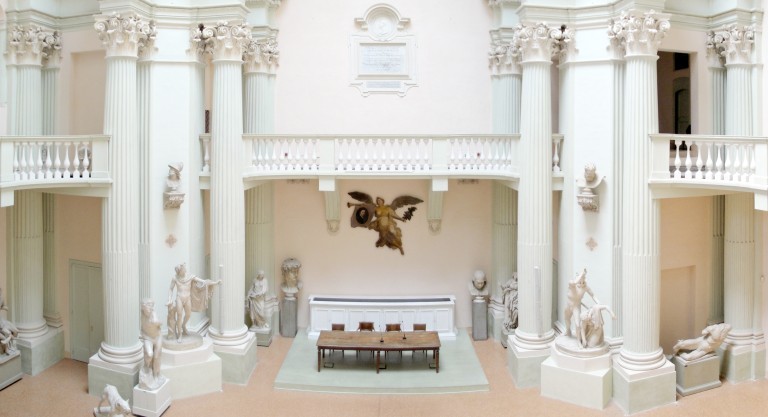
The architecture of the Academy itself is an immersive experience in Baroque splendor. Housed within a magnificent palazzo designed by the master Giuseppe Pozzi in 1759, the building serves as a grand stage for the art it protects. Visitors are greeted by an ornate façade that commands respect, leading into interior spaces where every gilded detail and sweeping architectural line whispers stories of Bologna’s illustrious cultural zenith. For the admirer of classical elegance, the Academy's structure provides a seamless transition from the bustling medieval streets of the city into a realm of refined, monumental beauty, making it an essential destination for those who appreciate how architecture can elevate the soul.
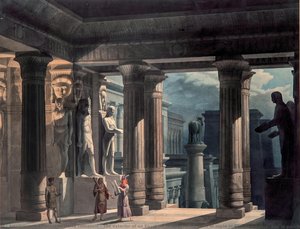
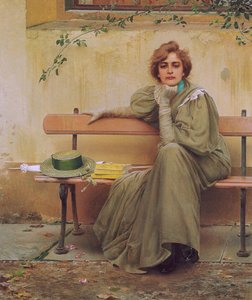
The collection held within these walls is a breathtaking tapestry of movement and mastery, spanning from the Renaissance to the modern era. The galleries are dominated by evocative paintings that capture the very essence of emotion; one might find themselves lost in the dramatic, light-drenched Baroque canvases of Giuseppe Marchesi , known as Sansone, whose works evoke a sense of profound religious fervor. In contrast, the meticulous architectural interiors rendered by Antonio Giuseppe Basoli offer a window into a world of classical precision and structural grace. This dialogue between different eras is further enriched by the presence of exquisite sculptures, such as those by Contardo Maria Tomaselli , which lend a tactile, three-dimensional depth to the Academy's storied halls.
What truly distinguishes the Accademia di Belle Arti di Bologna from other institutions is its dual identity as both a museum and an incubator for the next generation of masters. It is a place where the legendary Giorgio Morandi once shared his profound knowledge of engraving, and where contemporary voices continue to find resonance through groundbreaking exhibitions. For collectors seeking inspiration or interior designers looking to infuse a space with historical gravitas, the Academy offers more than just art; it offers an encounter with the very lineage of Italian excellence. It remains a singular destination where the echoes of the Carracci legacy continue to inspire the bold strokes of tomorrow.