 Preview
 Send
Send Share
Share
 Details

 Download
 Similars
 X-Ray
X-Ray Diaporama
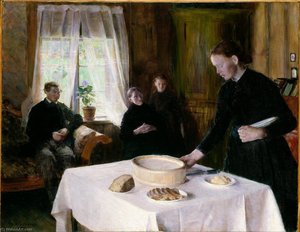
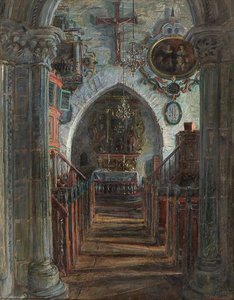
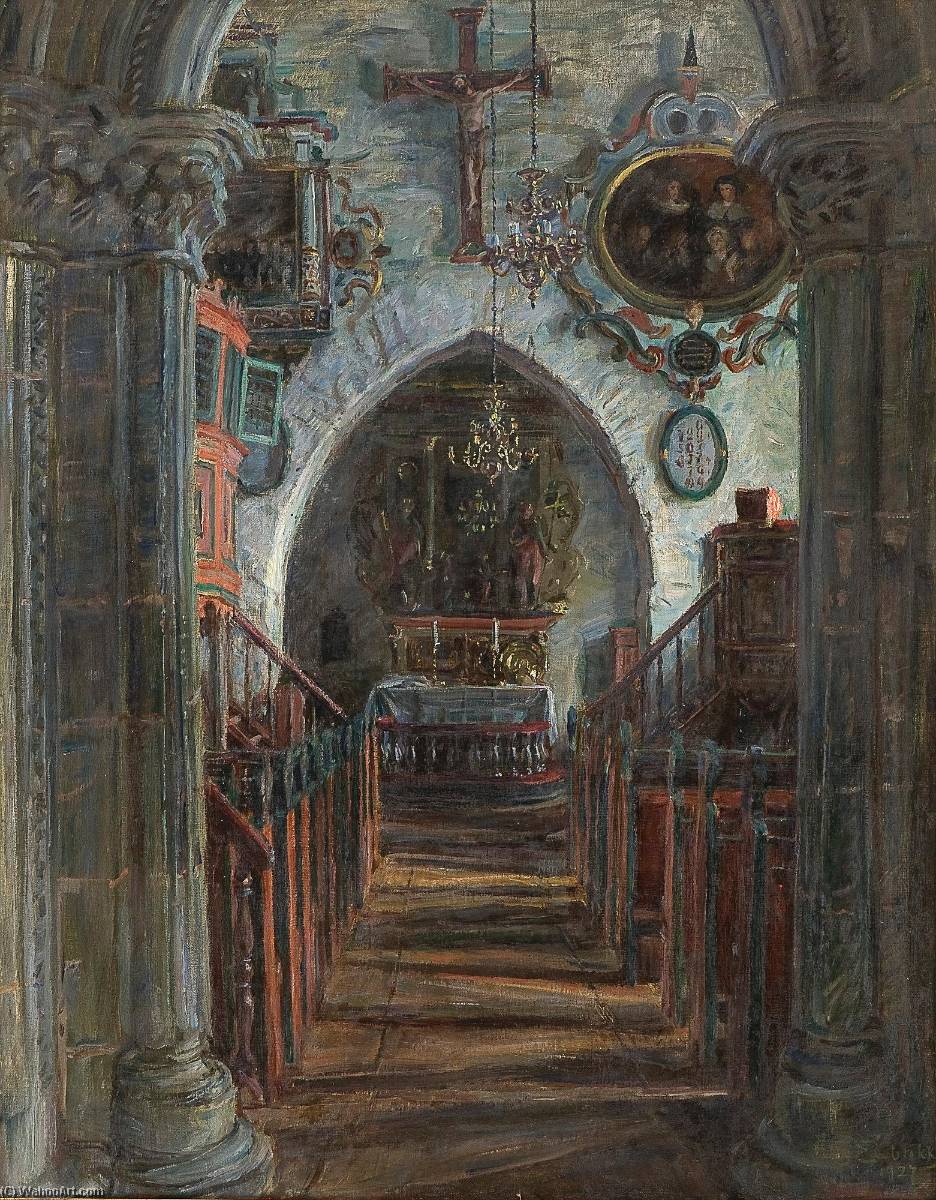
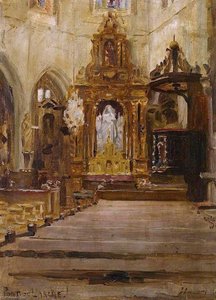
Interior of the Luster Church

 Read More
Giclée / Art Print
Museum-quality giclée or canvas print with fast production and flexible finish options. ( Buy Hand Made Painting Buy Image)




































Pick from our preset sizes that match the artwork's original proportions.

You may enter your own dimensions to fit a specific frame or space. If your selected size does not match the original image's proportions, we will either crop the artwork or extend the image with a mirrored or solid-fill edge. A digital mockup will be sent for your approval before production begins.
Please note that the on-screen preview does not reflect the actual cropping or extension. Only the mockup will accurately show the final composition.
While custom sizes are available, we recommend selecting a dimension from the predefined list to preserve the original proportions.
Worldwide Delivery () in 2 weeks instead of standard 4/5 weeks. (22 August)

Free Worldwide Express Shipping

High-Quality Linen Canvas

Full Shipping Insurance

Customs Tax Refund Guarantee

True Color Matching Guarantee

60-Day Return Policy (Defects Only)

100% Money-Back Guarantee

Bulk Discount Offer
 Glass option is only available in size under 110 CM

Interior of the Luster Church
Giclée / Art Print
Reproduction Size
-


Total Price
$ 63
Related Artworks








Artist Biography
August Eiebakke: A Master of Norwegian Landscape and Religious Vision
August Eiebakke (1867-1938) stands as a significant, yet often underappreciated, figure in late 19th and early 20th century Norwegian art. Born in Askim, Østfold, his artistic journey unfolded against the backdrop of a rapidly changing nation grappling with industrialization and modernization while simultaneously clinging to its rich cultural heritage. Eiebakke’s work is characterized by a profound connection to the natural world, particularly the dramatic landscapes of Norway, combined with a deeply rooted interest in religious themes and historical narratives. His paintings offer a poignant glimpse into the soul of his era, reflecting both the beauty and the anxieties of a nation forging its own identity.
Eiebakke’s early artistic training remains somewhat shrouded in mystery, though it's believed he initially studied at the Royal Academy of Fine Arts in Oslo. However, he largely pursued self-directed learning, immersing himself in the works of Northern European masters like Johan Christian Dahl and Wilhelm Schirmer – artists who similarly celebrated the grandeur and spirituality of the Norwegian landscape. This influence is readily apparent in Eiebakke’s compositions, which often feature expansive vistas, dramatic lighting effects, and a meticulous attention to detail reminiscent of Romanticism. He was particularly drawn to the rugged beauty of the fjords and mountains, capturing their imposing scale and ethereal atmosphere with remarkable skill.
The Influence of Religious Symbolism
Beyond landscape painting, Eiebakke’s oeuvre is notable for its recurring engagement with religious subjects. He frequently depicted scenes from the Bible, often imbued with a distinctly Norwegian sensibility. Unlike purely didactic portrayals, his religious paintings are rarely straightforward moral tales; instead, they explore themes of faith, sacrifice, and redemption through evocative imagery and carefully constructed compositions. Many of these works feature figures in humble settings – shepherds tending their flocks, villagers gathering for worship – emphasizing the importance of community and spiritual connection within a rural context. The use of muted color palettes and atmospheric perspective further enhances the sense of solemnity and contemplation.
A particularly compelling example is “Sunday in the Countryside” (1889), now held by Nasjonalmuseet in Oslo. This painting, and others like it, showcase Eiebakke’s ability to capture not just the visual beauty of a scene but also the emotional resonance of everyday life. The figures are rendered with sensitivity and realism, conveying a sense of quiet dignity and spiritual awareness. The composition itself—a simple gathering in a rural setting—is imbued with symbolic weight, suggesting a deeper connection between humanity and the divine.
Technique and Style
Eiebakke’s artistic style evolved considerably throughout his career. Initially influenced by Romanticism, he gradually developed a more nuanced and expressive approach, incorporating elements of Impressionism and Symbolism. His brushwork became looser and more fluid, allowing for greater tonal variation and atmospheric effects. He skillfully employed light and shadow to create a sense of depth and drama, particularly in his depictions of the Norwegian landscape. His use of color was often restrained, favoring earthy tones and subtle gradations to evoke mood and atmosphere.
A key characteristic of Eiebakke’s work is his meticulous attention to detail, evident in the rendering of textures – from the rough bark of trees to the folds of clothing. This commitment to realism is balanced by a willingness to idealize forms and imbue scenes with a sense of spiritual significance. His paintings often possess an almost photographic quality, capturing the essence of a particular moment or place with remarkable precision.
Legacy and Recognition
Despite his considerable talent and dedication, Eiebakke’s work received relatively little recognition during his lifetime. He primarily worked as a freelance artist, accepting commissions for portraits, religious paintings, and landscape scenes. However, in recent decades, there has been a growing appreciation for his artistic achievements. His paintings are now included in several prominent collections, including the Blasius Collection in Germany, and are frequently exhibited at museums and galleries throughout Norway. His work continues to resonate with viewers today, offering a powerful testament to the enduring beauty of the Norwegian landscape and the profound spirituality that shaped the nation’s cultural identity.
Further research into Eiebakke's life and work can be found through resources such as MutualArt (MutualArt) and the Nasjonalmuseet website (Nasjonalmuseet). His paintings continue to be studied and admired for their evocative beauty, technical skill, and profound spiritual depth.
Quick Facts
- Artistic Movement Or Style: Landscape & Religious
- Date Of Death: 1938
- Full Name: August Eiebakke
- Nationality: Norwegian
- Notable Artworks:
- Sunday in the Countryside
- Untitled (AQZNXL)
- Place Of Birth: Askim, Østfold