 Preview
 Send
Send Share
Share
 Details

 Download
 Similars
 X-Ray
X-Ray Diaporama
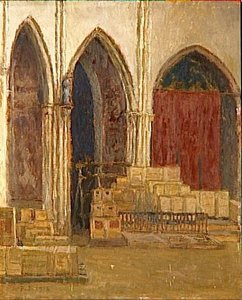
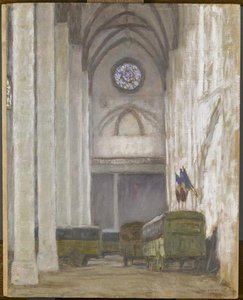
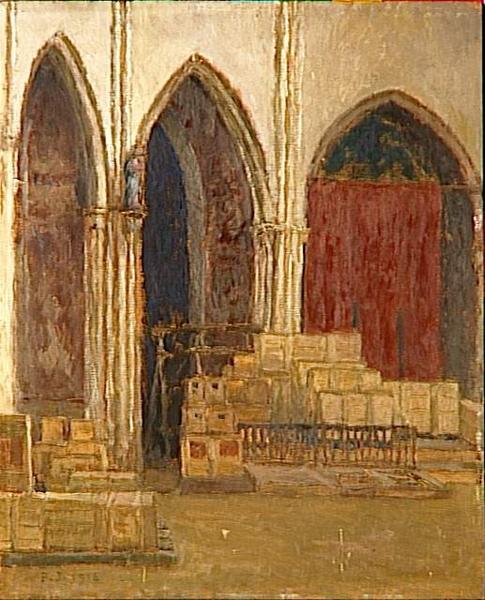
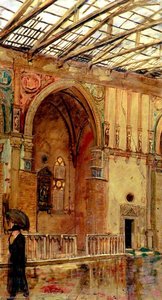
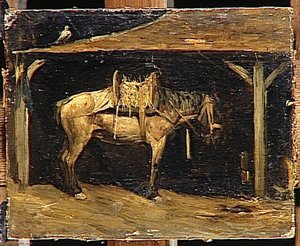
VUE INTERIEURE DE L'EGLISE DES JACOBINS DE TOULOUSE EN 1918


 Read More
Hand Made Oil Reproduction
Hand-painted oil on canvas in your size and frame, made to order by our artists. ( Buy Print Buy Image)




P118B $10

P118H $10

P118W $10

P438Z $10

P508JH $12

P508YH $12

P805H $10

P805Z $10

P919BZ $10

P919G $10

P919XJ $10

P959ZH $10

P968JZ $12

W106C $8

W218G $10

W218JH $8

W218Y $10

W307PJ $10

W316G $10

W316PJ $8

W316Y $10

W398PJ $8

W4111J $10

W500HY $15

W500JH $15

W692G $12

W849H $8

W940BG $15

W953PJ $8




Pick from our preset sizes that match the artwork's original proportions.

You may enter your own dimensions to fit a specific frame or space. If your selected size does not match the original image's proportions, we will either crop the artwork or extend the painting with additional hand-painted elements. A digital mockup will be sent for your approval before production begins.
Please note that the on-screen preview does not reflect the actual cropping or extension. Only the mockup will accurately show the final composition.
While custom sizes are available, we recommend selecting a dimension from the predefined list to preserve the original proportions.
After order, ArtsDot.com team will email client for instructions and provide a mockup preview
Worldwide Delivery () in 3/4 weeks instead of standard 5 weeks. (16 August). No compromise on quality.

Free Worldwide Express Shipping

High-Quality Linen Canvas

Full Shipping Insurance

Customs Tax Refund Guarantee

True Color Matching Guarantee

60-Day Return Policy (Defects Only)

100% Money-Back Guarantee

Bulk Discount Offer
 Glass option is only available in size under 110 CM

VUE INTERIEURE DE L'EGLISE DES JACOBINS DE TOULOUSE EN 1918
Reproduction Medium
Reproduction Size
-


Total Price
$ 263
Artwork Description
Paul Jamot’s “Vue intérieure de l’église des Jacobins de Toulouse” – A Window into Parisian Impressionism
Paul Jamot's "Vue intérieure de l’église des Jacobins de Toulouse," painted in November 1918, stands as a testament to the enduring power of Impressionist art and its ability to capture not just visual reality but also the emotional atmosphere of a pivotal moment in history. This monumental canvas—measuring approximately 41.5 x 27.3 cm (RF 1941 17)—offers viewers an immersive experience into the grandeur of Toulouse Cathedral during the tumultuous years following World War I.- Subject Matter: The artwork focuses squarely on architectural detail—specifically, three towering Gothic arches dominating the cathedral interior. These arches are juxtaposed with stacked boxes representing scaffolding and construction materials, subtly hinting at the ongoing efforts to rebuild France after the devastation of the war.
- Style & Technique: Jamot’s approach aligns perfectly with Impressionism's core tenets. Visible brushstrokes create a textured surface, prioritizing capturing light and color over precise representation. The palette is dominated by earthy hues—ochre, red, and brown—reflecting the stone walls of the cathedral and conveying a sense of solemnity and resilience.
- Historical Context: Painted in 1918, “Vue intérieure” encapsulates the spirit of recovery and optimism that characterized France’s post-war period. The cathedral served as a symbol of national unity and faith amidst the challenges posed by rebuilding society after immense loss.
- Materials & Medium: Oil paint on canvas – a traditional medium that allows for rich pigment saturation and nuanced blending, ensuring the artwork retains its vibrancy over time.
- Provenance: The painting was bequeathed to the Musée du Louvre in 1941 by Paul Jamot himself, cementing its place within Parisian art history and demonstrating his commitment to preserving artistic heritage.
Exploring Paul Jamot’s Artistic Vision
Paul Jamot (1863-1939) was a prominent figure in French Impressionism, alongside luminaries like Monet and Renoir. His artistic journey began with an early fascination for the landscapes of Provence—a region that would inspire countless paintings throughout his career. However, it was his encounter with Edvard Munch’s “The Scream” – a seminal work exploring themes of anxiety and existential dread – that profoundly shaped Jamot's own artistic sensibilities.- Influences: Munch’s expressive use of color and form served as an impetus for Jamot to delve deeper into the psychological dimensions of painting, prioritizing conveying emotion over strict realism.
- Notable Works Beyond “Vue intérieure”: Jamot produced a diverse body of work encompassing landscapes, portraits, and still lifes—each infused with his distinctive Impressionistic style and imbued with a sensitivity to capturing fleeting moments of beauty and feeling.
* Wikipedia: https://en.wikipedia.org/wiki/Paul_Jamot – Provides biographical details and an overview of his artistic output.
* Louvre Museum Database:https://collections.louvre.fr/en/art/paul-jamot-vue-interieure-de-l-eglise-des-jacobins-de-toulous-AQSU2B-en/ – Offers comprehensive information about “Vue intérieure,” including dimensions, materials, and provenance.
* Image Search:https://ArtsDot.com/en/art/paul-jamot-vue-interieure-de-l-eglise-des-jacobins-de-toulous-AQSU2B-en/?srsltid=AfmBOoouRffRY5wOQ3PHJtqGw5OAU_rRSC5ewaVePFmWEjg3mjBS2eHj – Allows you to view a high-resolution image of “Vue intérieure” and discover related artworks by Jamot.
Related Artworks
Artist Biography
Edvard Munch: A Soul Exposed
Edvard Munch (December 12, 1863 – January 23, 1944) was a Norwegian painter and printmaker whose intensely evocative art profoundly shaped the course of modernism. More than simply depicting scenes, Munch sought to externalize inner emotional states—anxiety, dread, love, and loss—transforming personal experience into universal symbols that continue to resonate deeply with viewers today. His legacy rests not just on a collection of iconic images like *The Scream*, but on his pioneering exploration of the human psyche through color, form, and an unflinching honesty about the darker aspects of existence. Munch’s childhood was steeped in sorrow and illness, experiences that would indelibly mark his artistic vision. Born into a middle-class family in Løten, Norway, he witnessed the deaths of his mother and two siblings from tuberculosis at a young age. His father, a devout Lutheran, and his brother, Edvard, also succumbed to illness, leaving Munch with a profound sense of vulnerability and mortality. These early losses fueled a lifelong preoccupation with themes of sickness, death, and psychological torment—subjects he relentlessly pursued throughout his career. The constant threat of disease and the pervasive atmosphere of grief shaped his artistic sensibility, imbuing his work with an underlying current of melancholy and unease. Munch’s artistic development began modestly, initially influenced by the naturalistic tendencies prevalent in Kristiania (now Oslo) at the time. However, he quickly outgrew these conventions, seeking a more expressive language to convey his inner world. A pivotal moment came during a trip to Paris in 1889, where he encountered the works of Impressionists like Claude Monet and Post-Impressionists such as Paul Gauguin and Vincent van Gogh. These encounters exposed him to new techniques—particularly the use of color—and encouraged him to prioritize emotional impact over strict representation. He also found kinship with the Kristiania Bohème, a group of artists and writers who championed individualism and challenged societal norms. This circle introduced him to figures like Christian Krohg, who provided encouragement and guidance, helping him refine his artistic voice. Munch’s exploration of Symbolism began during this period, influencing his use of suggestive imagery and symbolic color palettes. Munch's most famous work, *The Scream* (1893), is arguably the embodiment of modern anxiety. Born from a specific experience—a walk at sunset where he felt “the great scream in nature”—the painting captures a moment of profound existential distress. The figure’s contorted face and outstretched hands convey an overwhelming sense of terror, while the swirling colors of the sky amplify the feeling of unease. However, *The Scream* is just one facet of Munch's oeuvre. He produced a vast body of work encompassing paintings, prints, drawings, and sculptures, each exploring different facets of human emotion. His series *The Frieze of Life*, painted between 1893 and 1900, depicted key stages of life—love, joy, anxiety, illness, death—with raw intensity and psychological depth. Works like *Madonna* (1895) and *Vessel of Melancholy* (1892) demonstrate his ability to imbue seemingly simple subjects with profound emotional resonance. Munch’s use of color was particularly innovative; he often employed jarring, unnatural hues—fiery reds, sickly yellows, and deep blues—to heighten the emotional impact of his scenes. Throughout his life, Munch struggled with mental illness, experiencing periods of intense anxiety and depression. These personal struggles profoundly influenced his art, providing a constant source of inspiration and torment. Despite facing significant challenges, he continued to create prolifically until his death in 1944. His work was initially met with criticism and misunderstanding, but gradually gained recognition as a groundbreaking contribution to modern art. Today, Edvard Munch is celebrated as one of the most important artists of the late 19th and early 20th centuries—a visionary who dared to expose the darkest corners of the human soul and transform personal anguish into enduring symbols of our shared experience. His legacy continues to inspire artists and viewers alike, reminding us of the power of art to confront difficult emotions and illuminate the complexities of the human condition.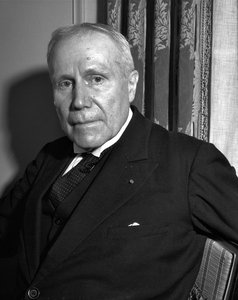
paul jamot
1863 - 1939
Quick Facts
- Artistic Movement Or Style: Expressionism, Symbolism
- Artists Or Movements Influenced By This Artist: ['German Expressionism']
- Artists Who Influenced This Artist:
- Vincent van Gogh
- Paul Gauguin
- Date Of Birth: December 12, 1863
- Date Of Death: January 23, 1944
- Full Name: Edvard Munch
- Nationality: Norwegian
- Notable Artworks:
- The Scream
- Madonna
- Death
- Place Of Birth: Løten, Norway
Related Articles

Cézanne's Masterpieces: 25 Iconic Artworks to Transform Your Space
Journey through 25 iconic artworks by Paul Cézanne – a master of Impressionism and Post-Impressionism. Explore his landscapes, still lifes, and the stories behind these timeless masterpieces. Discover museum-quality reproductions & curated decor at ArtsDot.com.
Paul Klee's Masterpieces: Explore 25 Iconic Paintings & Prints | ArtsDot
Journey through Paul Klee's 25 most iconic paintings & prints. Explore his abstract style, Bauhaus influence, and vibrant color palettes. Find museum-quality art reproductions & decor ideas at ArtsDot.com. Discover all masterpieces online.
Impressionism's Masterpieces: 10 Paintings That Defined a Movement | ArtsDot
Journey through Impressionism's heart with 10 iconic paintings by Monet, Renoir & Degas. Explore light, color & the stories behind these masterpieces. Find museum-quality art reproductions and elevate your home decor on ArtsDot.com.
Intimate Interiors: Domestic Life & Artistic Representation from Renaissance to Impressionism
Explore the evolution of domestic life in Western art from the Renaissance to Impressionism. Discover symbolism, realism & artistic techniques shaping intimate interior scenes. Learn more with ArtsDot.
Paul Huet: Capturing the Essence of French Romanticism Through Light and Landscape
Explore the captivating world of Paul Huet (1803-1869), a master of French Romantic landscape painting. Discover his influence on Barbizon & Impressionism, and browse high-quality reproductions at ArtsDot.