 Preview
 Send
Send Share
Share
 Details

 Download
 Similars
 X-Ray
X-Ray Diaporama
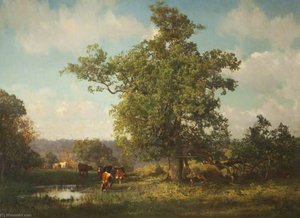
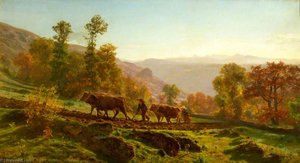
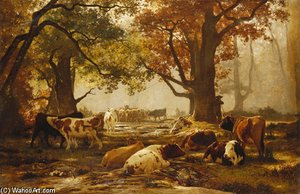
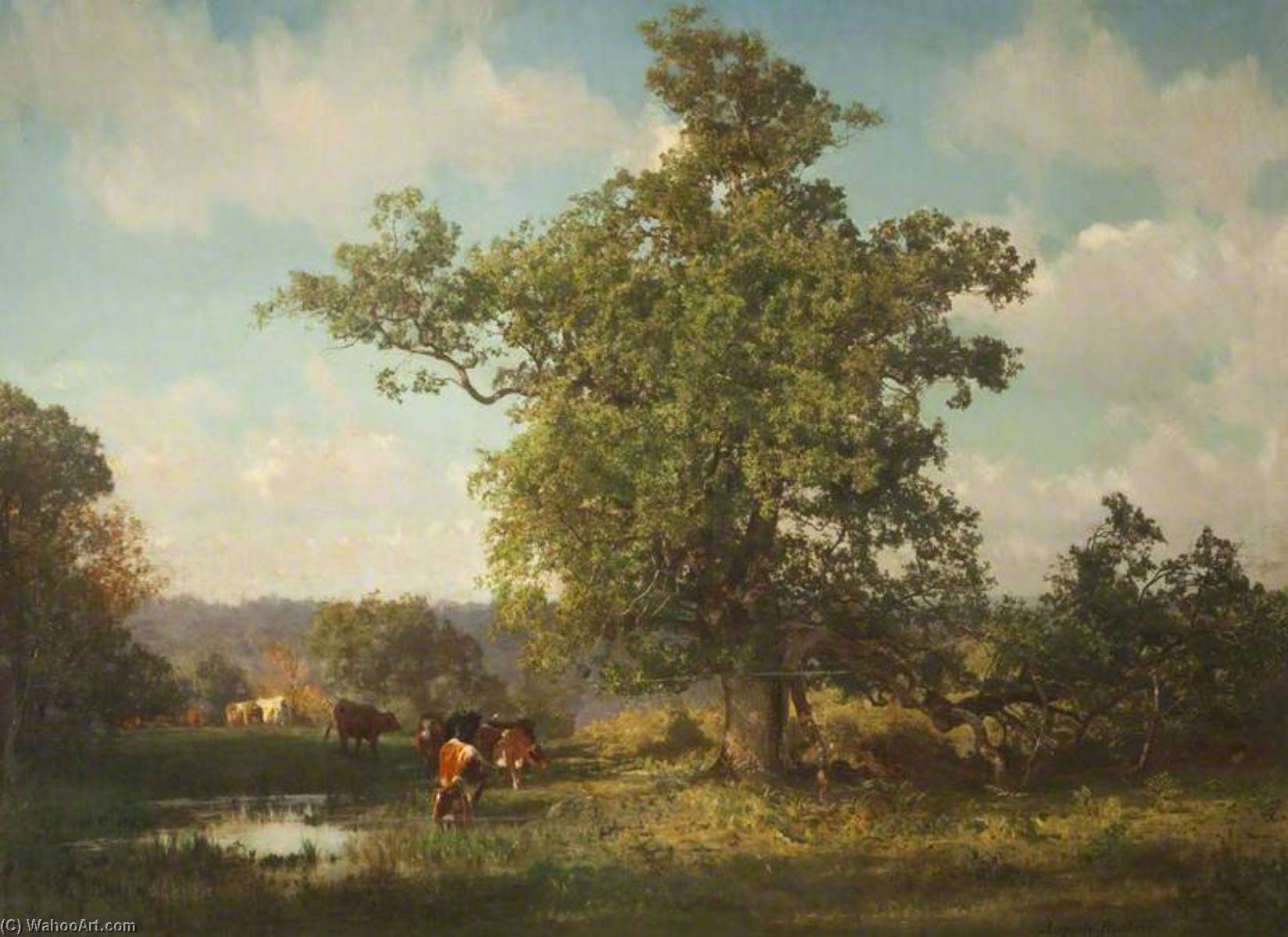
Oak Tree and Sylvan Glade
 Romanticism
 1884
1884 71.0 x 102.0 cm
 Harris Museum - Art Gallery
 Read More
Giclée / Art Print
Museum-quality giclée or canvas print with fast production and flexible finish options. ( Buy Hand Made Painting Buy Image)




































Pick from our preset sizes that match the artwork's original proportions.

You may enter your own dimensions to fit a specific frame or space. If your selected size does not match the original image's proportions, we will either crop the artwork or extend the image with a mirrored or solid-fill edge. A digital mockup will be sent for your approval before production begins.
Please note that the on-screen preview does not reflect the actual cropping or extension. Only the mockup will accurately show the final composition.
While custom sizes are available, we recommend selecting a dimension from the predefined list to preserve the original proportions.
Worldwide Delivery () in 2 weeks instead of standard 4/5 weeks. (17 August)

Free Worldwide Express Shipping

High-Quality Linen Canvas

Full Shipping Insurance

Customs Tax Refund Guarantee

True Color Matching Guarantee

60-Day Return Policy (Defects Only)

100% Money-Back Guarantee

Bulk Discount Offer
 Glass option is only available in size under 110 CM

Oak Tree and Sylvan Glade
Giclée / Art Print
Reproduction Size
-


Total Price
$ 63
Collectible Description
A Peaceful Scene
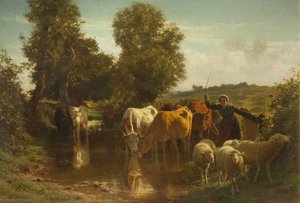
The painting depicts a tranquil scene of cows grazing in a field near a majestic oak tree. The composition is well-balanced, with the tree providing shade and a natural element to the scene. In the background, two horses can be seen, adding depth and interest to the painting. The overall atmosphere is one of peace and harmony, inviting the viewer to step into the serene world created by Bonheur. Key Features of the painting include:- The use of warm colors to create a sense of comfort and tranquility
- The delicate brushstrokes that capture the texture of the tree's bark and the softness of the grass
- The way the light filters through the leaves, casting dappled shadows on the ground
The painting Oak Tree and Sylvan Glade is a testament to Bonheur's skill as a landscape painter. His ability to capture the beauty of nature and convey a sense of peace and tranquility has made this painting a beloved work of art. As a handmade oil painting reproduction, it can be enjoyed in the comfort of one's own home, bringing a touch of serenity to any room.
Related Artworks
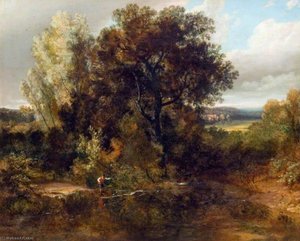
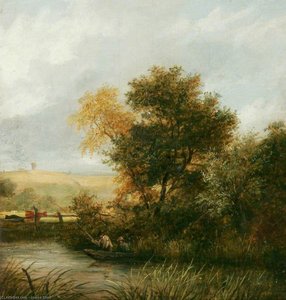
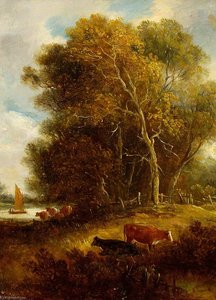
Artist Biography
A Life Painted in the Shadows of Brilliance
Auguste François Bonheur, born in Bordeaux in 1824, existed within a remarkable artistic lineage—a family steeped in creativity and renown. While history often remembers his sister, Rosa Bonheur, as the preeminent animal painter of her generation, Auguste carved out a distinct, though often understated, path for himself within the French art world. His life was one dedicated to capturing the serene beauty of pastoral landscapes and the quiet dignity of animals, informed by a meticulous attention to detail and a subtle understanding of light and atmosphere. The Bonheur family’s artistic fervor began with Oscar-Raymond Bonheur, Auguste's father, a landscape and portrait painter who instilled in his children a traditional academic approach to artmaking. This foundation proved crucial for Auguste, shaping his early training within the atelier and fostering a style characterized by precision and observation. Tragedy struck early when their mother passed away, leaving an indelible mark on the family dynamic and perhaps contributing to the close-knit bond between Auguste, Rosa, and their brother Isidore, who pursued sculpture.Formative Years and Artistic Development
Auguste’s formal artistic education commenced in 1848 at the prestigious École des Beaux-Arts in Paris, where he studied under Paul Delaroche, a master of historical painting known for his dramatic compositions and meticulous realism. However, it was within his father's atelier that Auguste truly honed his skills, absorbing the techniques and principles of classical landscape painting. His early exhibitions began in 1845 at the Salon, marking the commencement of his public career. These initial works already hinted at his developing specialization: animals integrated seamlessly into expansive landscapes. It’s important to note that this period coincided with a growing fascination within French art for *peintre animalier*—artists dedicated to depicting animals with scientific accuracy and artistic sensitivity. Auguste found himself drawn to this movement, but distinguished himself through an emphasis on the overall atmospheric effect of his scenes, rather than solely focusing on anatomical precision.Influences and a Distinctive Style
The influence of 17th-century Dutch masters is readily apparent in Auguste Bonheur’s work. He deeply admired painters like Aelbert Cuyp and Paulus Potter, particularly their ability to render cattle with both realism and an evocative sense of place. The luminous quality of light, the subtle gradations of tone, and the expansive horizons characteristic of these Dutch landscapes resonated strongly with Auguste's artistic sensibilities. However, he wasn’t merely imitative; he synthesized these influences into a style uniquely his own. Critics often observed that while sharing a subject matter with Rosa Bonheur, Auguste possessed a greater aptitude for capturing spatial depth and achieving a purer, more nuanced color palette in his landscapes. He excelled at conveying the ambience of rural scenes—the gentle haze of a summer afternoon, the crisp air of an autumn morning—creating paintings that invited viewers to immerse themselves in the tranquility of the countryside.Recognition and Legacy
Auguste Bonheur’s talent didn't go entirely unnoticed during his lifetime. He received accolades at the Salon exhibitions, earning a third-class medal in 1852 for “Côtes de Brageac (Cantal)” and “Environs of Mauriac (Cantal),” followed by a first-class medal in 1861. A pivotal moment came with his painting "La Sortie du Pâturage" (The Departure to Pasture), a large-scale work exhibited in 1861 that garnered significant attention and earned him the coveted first-class medal. The painting was even included in a government lottery, demonstrating its cultural significance and appeal to a wider audience. In 1867, he was appointed a Knight of the Legion of Honour, solidifying his standing within the French artistic establishment. A trip to Scotland in the 1860s proved particularly inspiring, resulting in notable works like “Highland Scene with Cattle,” now held at the Victoria and Albert Museum. Despite these achievements, Auguste often remained overshadowed by his sister’s immense popularity. Nevertheless, his paintings continue to be valued for their meticulous detail, atmospheric sensitivity, and contribution to 19th-century Realism. He left behind a body of work that offers a compelling glimpse into the artistic talent within the Bonheur family and a testament to his dedication to capturing the enduring beauty of the natural world.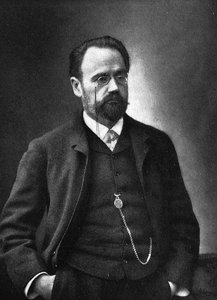
Auguste François Bonheur
1824 - 1884 , France
Quick Facts
- Artistic Movement Or Style: Realism, Animalier
- Artists Who Influenced This Artist:
- Aelbert Cuyp
- Paulus Potter
- Date Of Birth: 1824
- Date Of Death: 1884
- Full Name: Auguste François Bonheur
- Nationality: French
- Notable Artworks:
- La Sortie du Pâturage
- Highland Scene with Cattle
- The Ruins of Chateau d’Apchon
- Oak Tree and Sylvan Glade
- Place Of Birth: Bordeaux, France
Related Articles
Renoir's Masterpieces: Explore 25 Iconic Paintings & Bring Art Home | ArtsDot
Explore 25 iconic Pierre-Auguste Renoir paintings! Discover the stories behind Impressionist masterpieces like 'Dance at Le Moulin de la Galette' & 'Luncheon of the Boating Party'. Find museum-quality art reproductions and elevate your home decor with ArtsDot.com.

John Constable's Masterpieces: Explore 25 Iconic Landscapes for Your Home
Journey through John Constable's 25 most celebrated landscapes. Explore Romanticism, Dedham Vale & his masterful use of light in iconic paintings like 'Hay Wain'. Find museum-quality art reproductions and elevate your home decor on ArtsDot.com.

Beyond the Horizon: 10 Landscape Masterpieces for Your Home Decor
Journey through 10 breathtaking landscape paintings by Monet, Van Gogh & more! Explore iconic artworks, artistic techniques & find inspiration for your home decor. Museum-quality reproductions at ArtsDot.com. Discover all masterpieces on ArtsDot.com
Cultivating Visions: A Historical Journey Through Rural Landscapes in Art
Explore the rich history of rural landscape painting with ArtsDot. Discover Impressionist masterpieces, key artists & movements. Find your perfect serene artwork and bring nature's beauty home.

Evocations of Place: A Historical Journey Through Landscape Art
Explore the rich history of landscape art with ArtsDot. Discover renowned artists, movements like Impressionism & Romanticism, and expert guidance for collecting timeless pieces. Find your perfect serene escape today!