 Send
Send Share
Share
 Details

 Download
 Similars
 Diaporama
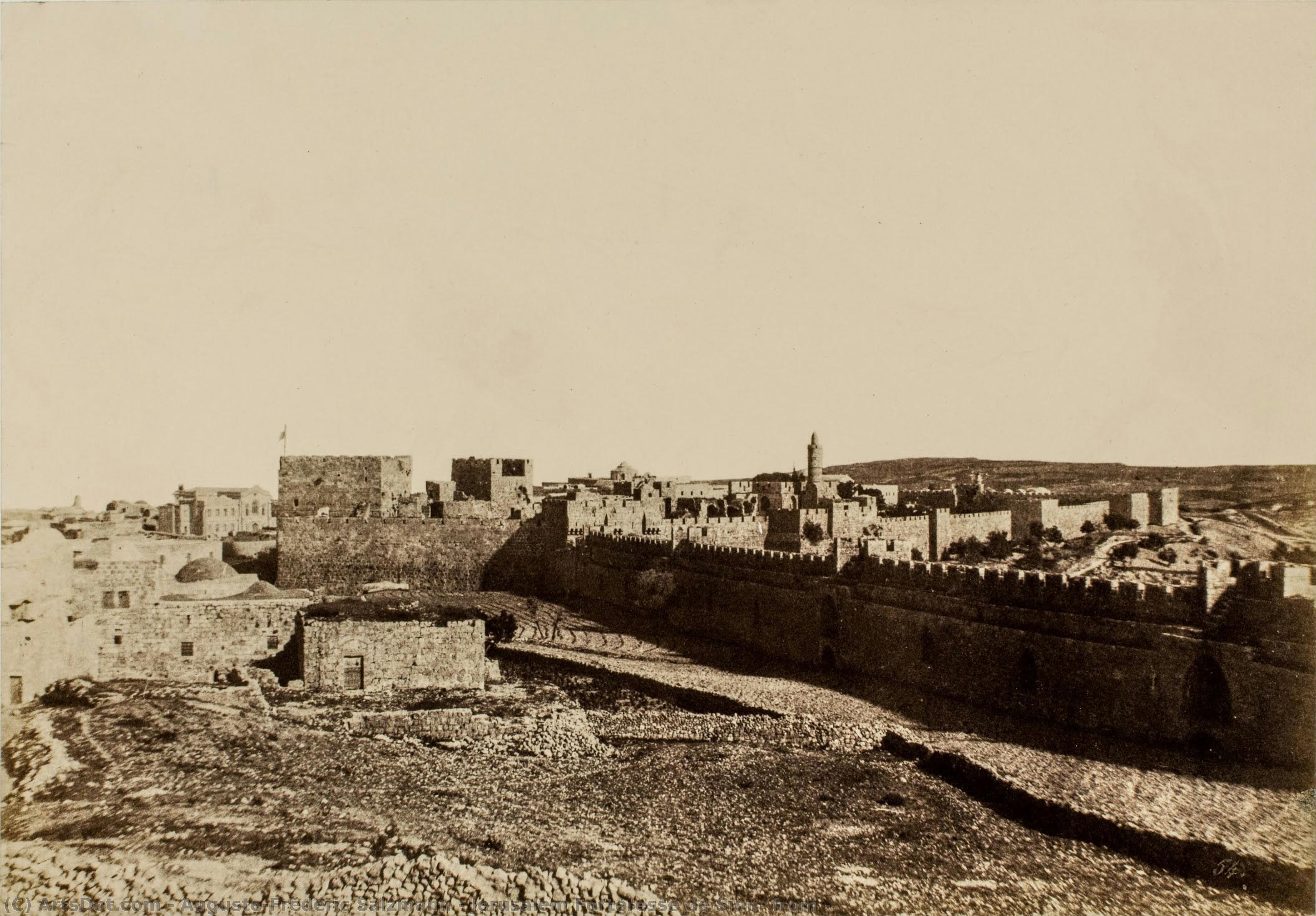
Jerusalem Forteresse de Sion, from


 Read More
Hand Made Oil Reproduction
Hand-painted oil on canvas in your size and frame, made to order by our artists. ( Buy Print Buy Image)




































Pick from our preset sizes that match the artwork's original proportions.

You may enter your own dimensions to fit a specific frame or space. If your selected size does not match the original image's proportions, we will either crop the artwork or extend the painting with additional hand-painted elements. A digital mockup will be sent for your approval before production begins.
Please note that the on-screen preview does not reflect the actual cropping or extension. Only the mockup will accurately show the final composition.
While custom sizes are available, we recommend selecting a dimension from the predefined list to preserve the original proportions.
After order, ArtsDot.com team will email client for instructions and provide a mockup preview
Worldwide Delivery () in 3/4 weeks instead of standard 5 weeks. (16 August). No compromise on quality.

Free Worldwide Express Shipping

High-Quality Linen Canvas

Full Shipping Insurance

Customs Tax Refund Guarantee

True Color Matching Guarantee

60-Day Return Policy (Defects Only)

100% Money-Back Guarantee

Bulk Discount Offer
 Glass option is only available in size under 110 CM

Jerusalem Forteresse de Sion, from
Reproduction Medium
Reproduction Size
-


Total Price
$ 263
Artwork Description
A Window into Antiquity: The Silent Majesty of Jerusalem
In this evocative monochrome photograph from 1856, titled Jerusalem Forteresse de Sion, the viewer is transported back to a pivotal moment in the nineteenth century when the boundaries between art and scientific documentation began to blur. The image captures a breathtaking vista of an ancient cityscape, where the heavy, stone-clad architecture of Jerusalem rises with a sense of eternal permanence. At the heart of the composition lies the imposing fortress of Zion, a structure that serves as both a physical anchor for the landscape and a symbolic gateway to the past. Through the lens of Auguste-Frédéric Salzmann, we do not merely see a city; we witness a living chronicle of human history, where every weathered stone and shadowed alleyway whispers tales of bygone eras.
The photograph’s aesthetic power is derived from its masterful use of light and shadow, a hallmark of early photographic pioneers. Without the luxury of color, Salzmann relies on a rich spectrum of grayscale tones to define the textures of the urban fabric. The stark contrast between the sun-drenched surfaces of the rooftops and the deep, mysterious recesses of the narrow streets creates a profound sense of depth and volume. This interplay of light lends a sculptural quality to the buildings, making the church spires and clock towers appear as if they are emerging from the very mist of time itself. The presence of a solitary figure, caught in a moment of quiet observation, provides a vital sense of scale and human connection, grounding the monumental architecture within the rhythm of daily life.
The Intersection of Art and Archaeology
To understand this work is to understand the unique genius of Auguste-Frédéric Salzmann. As a figure who bridged the gap between the delicate sensibilities of a Parisian painter and the rigorous precision of an archaeologist, Salzmann approached his subjects with a dual gaze. This photograph is more than a mere record; it is a carefully composed vision informed by his training in landscape painting. He utilizes the emerging technology of photography not just to capture facts, but to evoke the atmosphere of the Holy Land. The composition directs the eye upward toward the fortress, inviting a sense of awe and reverence that mirrors the spiritual significance of the location.
For the discerning collector or interior designer, this piece offers an unparalleled opportunity to introduce a sense of historical gravity and intellectual depth into a space. The monochromatic palette makes it a versatile choice for sophisticated decor, pairing exquisitely with both classical and contemporary settings. Whether framed as a centerpiece in a library or used to add a layer of contemplative stillness to a modern living area, Jerusalem Forteresse de Sion serves as a profound conversation piece. It is an invitation to pause, to look closely, and to reconnect with the enduring legacy of human civilization through one of the most transformative mediums in art history.
Related Artworks
Artist Biography
Auguste Salzmann: Bridging Art and Science in the Dawn of Archaeological Photography
Auguste Salzmann (1824–1872) stands as a singular figure in 19th-century art history—a painter who simultaneously championed scientific observation and revolutionized how we perceive and record the past. Born in Paris, France, Salzmann’s artistic inclinations intertwined seamlessly with his fervent passion for archaeology, propelling him to become one of the earliest practitioners of archaeological photography and establishing a lasting legacy as a visual storyteller of antiquity.- Early Life and Artistic Training:
- The Jerusalem Expedition: Pioneering Photographic Documentation
- Salzmann’s Paintings: Landscape Visions Informed by Scientific Curiosity
- Recognition and Legacy: A Founder of Archaeological Imaging
Early Life and Artistic Training
Auguste Salzmann's formative years were steeped in Parisian artistic culture. He received a comprehensive education encompassing drawing, painting, and sculpture—skills that would prove invaluable to his future endeavors. While biographical details remain somewhat sparse, Salzmann’s dedication to mastering the visual arts undoubtedly instilled within him a meticulous eye for detail and an appreciation for capturing nuanced representations of the natural world. This foundational artistic sensibility would later translate into his groundbreaking photographic explorations.The Jerusalem Expedition: Pioneering Photographic Documentation
Salzmann's most celebrated achievement stemmed from his ambitious expedition to Jerusalem in 1856. Recognizing the limitations of traditional sketching and watercolor techniques for accurately portraying the monumental ruins of the Holy Land, Salzmann embraced photography as a transformative tool—a method that allowed him to meticulously document the architectural grandeur and spiritual significance of sites like the Church of the Holy Sepulchre and the Dome of the Rock. His photographic prints, published in “Jerusalem etude et reproduction photographique des monuments de la ville sainte depuis l’époque judaique jusqu’à nos jours,” were unprecedented for their time, offering viewers a visceral glimpse into ancient Jerusalem unlike anything previously achieved. Salzmann's innovative approach fundamentally altered the landscape of archaeological research and cemented his place as a visionary innovator.Salzmann’s Paintings: Landscape Visions Informed by Scientific Curiosity
Beyond his photographic endeavors, Salzmann was also a prolific painter—primarily focused on landscapes imbued with a distinctive blend of Romantic idealism and scientific observation. Influenced by the burgeoning field of geology and botany, Salzmann's canvases depict serene vistas populated by meticulously rendered flora and fauna—a testament to his belief that artistic expression could be enriched by informed understanding of natural phenomena. His paintings aren’t merely aesthetically pleasing; they convey a profound respect for the environment and reflect Salzmann’s conviction that beauty and scientific accuracy could coexist harmoniously.Recognition and Legacy: A Founder of Archaeological Imaging
Auguste Salzmann's pioneering work in archaeological photography garnered considerable acclaim during his lifetime, though he tragically succumbed to tuberculosis at a young age in 1872. Nevertheless, Salzmann’s contribution to the field endured—establishing photographic documentation as an indispensable component of archaeological investigation. Today, his images continue to inspire scholars and artists alike, serving as enduring reminders of the transformative potential of combining artistic vision with scientific rigor. His legacy lives on through reproductions available at ArtsDot.com and collections housed in institutions such as the Musée d’Orsay and the Bibliothèque nationale de France—a testament to Salzmann's indelible mark on both art history and the pursuit of knowledge.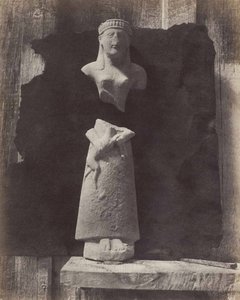
auguste-frédéric salzmann
1824 - 1872 , France
Quick Facts
- Artistic Movement Or Style: Archaeological Photography
- Date Of Birth: Paris, France (1824)
- Full Name: Auguste Frédéric Salzmann
- Nationality: French
- Notable Artworks: ['Jerusalem Forteresse de Sion']
- Place Of Birth: Paris
Related Articles
The Return of the Fresco: Why Wall Murals Are the New Luxury Statement
Elevate your space with bespoke wall murals & frescoes. Explore the resurgence of this luxury art form. Expert design guidance & seamless installation – .
Transforming Spaces: A Comprehensive Exploration of Wall Decor Through Art History & Contemporary Practice
Explore the art of transforming spaces with our comprehensive guide to wall decor. From historical movements to contemporary trends, discover how to curate impactful interiors and commission bespoke artwork for a truly personalized aesthetic.
Stone & Canvas: 10 Masterpieces of Timeless Art |
Explore 10 iconic paintings dominated by 'stone' tones – from Caravaggio’s drama to Rembrandt’s depth. Discover art history, techniques & find museum-quality reproductions for your home at .
The Art of Emphasis: Scaling Artwork for Impactful Statement Walls
Elevate your interiors with impactful statement walls! Expert guide on scaling artwork for perfect proportions & design harmony. Custom solutions & free consultations at ArtsDot.
Monochrome Masters: 10 Artworks That Define Color Intensity |
Explore 10 iconic monochrome artworks – from Yves Klein to Rothko – that masterfully showcase color intensity. Discover the stories behind these timeless paintings & find museum-quality reproductions for your home at .