




Introduction
There’s a peculiar power held within stillness – a weightiness that echoes through time, and a quietude that speaks volumes. Consider the ancient monoliths, the weathered facades of forgotten cities, or even the humble pebble smoothed by relentless waves. Stone, in its myriad forms, embodies endurance, memory, and an almost primal connection to our world’s origins. It is this very essence – this dominion of ‘stone’ tones – that we explore today, not in physical form, but captured on canvas by masters who understood its profound resonance.
Throughout art history, the use of muted palettes—grays, ochres, umbers, and browns—has ebbed and flowed with cultural currents. From the somber realism of early Renaissance painting to the introspective landscapes of the Dutch Golden Age, artists have turned to these earthy hues to convey a range of emotions: solemnity, contemplation, even a sense of the sublime. The 17th century witnessed a surge in chiaroscuro techniques, dramatically employing shadow and light to sculpt form and evoke psychological depth, often resulting in compositions rich with stone-like textures and tones. Later, Romanticism embraced landscapes that frequently featured rocky terrains and imposing geological formations, further solidifying the association between these colors and themes of power, mystery, and the untamed natural world.
But why do these artworks continue to captivate us centuries later? Perhaps it’s their ability to transcend mere representation. These paintings aren't simply *of* stone; they *feel* like stone – solid, enduring, and imbued with a sense of timelessness. They invite us to pause, to reflect on our own place within the vast sweep of history, and to contemplate the forces that have shaped both the landscape around us and the human spirit itself. The subtle gradations of color, the masterful handling of light, and the often-powerful subject matter combine to create experiences that resonate deeply with our shared humanity.
Over the following pages, we will embark on a journey through ten iconic paintings where ‘stone’ tones take center stage. Each work offers a unique perspective on this enduring aesthetic, revealing not only the artistic skill of its creator but also the cultural and emotional context in which it was born. Prepare to be transported – to worlds both real and imagined, rendered with a palette that speaks of strength, silence, and the quiet beauty of ages past.
Las Meninas or The Family of Philip IV - Diego Rodríguez de Silva y Velázquez
 Las Meninas or The Family of Philip IV - Diego Rodríguez de Silva y Velázquez
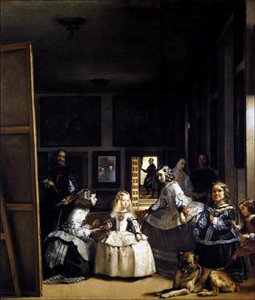
Imagine stepping into a hushed chamber bathed in golden light, the air thick with the scent of beeswax and oil paint. This is the world of Diego Velázquez’s Las Meninas (1656), a painting that isn't merely observed, but *experienced*. The scene unfolds within the Spanish Alcázar Palace, yet feels less like a formal portrait and more like a stolen moment – an intimate glimpse into the life of the royal family.
What truly sets Las Meninas apart is its masterful use of ‘stone’ tones. Velázquez doesn't rely on vibrant hues; instead, he employs a rich palette of grays, browns, and ochres to sculpt form and create an atmosphere of profound realism. The subtle gradations in shadow define the textures of clothing, skin, and even the stone walls themselves, lending the work a remarkable sense of depth and weight. This isn’t about bright colors; it's about capturing the essence of light playing across surfaces, evoking a quiet dignity.
The painting’s innovative composition – including Velázquez himself at his easel – challenges our perception of reality and representation. It invites us to question who is observing whom, blurring the lines between artist, subject, and viewer. This subtle interplay of light and shadow, combined with its complex narrative, makes Las Meninas a timeless masterpiece. A painting like this doesn’t just adorn a wall; it transforms a space, inviting contemplation and offering a quiet refuge from the clamor of modern life – a reminder of enduring beauty found within stillness and masterful artistry.
Van Gogh's Bedroom in Arles (First version) - Vincent Willem van Gogh
 Van Gogh's Bedroom in Arles (First version) - Vincent Willem van Gogh
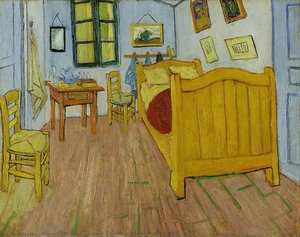
Close your eyes and imagine a room steeped in quietude – not emptiness, but a profound sense of solitude, tinged with both hope and melancholy. This is the essence of Vincent van Gogh’s Van Gogh's Bedroom in Arles (First version) (1888), a painting that offers an extraordinarily intimate glimpse into the artist’s soul.
While seemingly simple, this depiction of Van Gogh’s sanctuary is anything but. The ‘stone’ tones – the muted yellows and blues – aren't merely colors; they are emotional currents made visible. The thick impasto brushstrokes create a tactile surface, lending depth and physicality to every object within the room. These aren’t precise renderings of reality, but expressions of Van Gogh’s inner state. The slightly tilted perspective and closed shutters contribute to a feeling of confinement, yet the vibrant yellow walls hint at a yearning for warmth and connection.
This painting belongs among the Top 10 because it transcends representation. It speaks to the universal human experience of loneliness, hope, and the search for peace within oneself. The deliberate distortion and bold color choices invite us into Van Gogh’s subjective world, allowing us to feel his vulnerability and longing. A work like this doesn't just decorate a space; it transforms it – offering a quiet refuge from the clamor of modern life and reminding us that even in solitude, beauty can be found.
Adoration Of The Magi - Sandro Botticelli
 Adoration Of The Magi - Sandro Botticelli
A hush falls over the scene in Sandro Botticelli’s Adoration of the Magi , a moment frozen in time where faith and majesty converge. This Early Renaissance masterpiece isn't simply a depiction of a biblical event; it’s an invitation to witness profound reverence.
The painting earns its place among the Top 10 for its exquisite balance of beauty, emotion, and innovation. Botticelli masterfully employs ‘stone’ tones – warm ochres, muted browns, and subtle grays – to create a sense of grounded realism within a richly detailed composition. The dilapidated structure housing the scene isn't grand or opulent; it emphasizes humility and prefigures Christ’s sacrifice. These aren’t vibrant colors meant to shock, but rather hues that evoke contemplation and spiritual depth.
The delicate modeling of figures, graceful lines, and intricate details draw you into this sacred encounter. The overlapping forms create a sense of depth, while the radiant star guiding the Magi symbolizes divine guidance. A work like Adoration of the Magi doesn’t just adorn a wall; it transforms a space – offering a quiet sanctuary for reflection and reminding us that even within the most elaborate settings, true beauty lies in simplicity and grace.
False Mirror - René Magritte
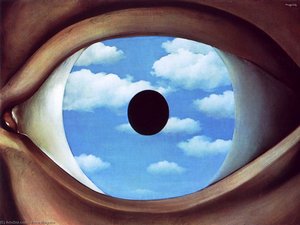 False Mirror - René Magritte
Imagine gazing into an eye that doesn’t reflect *you*, but rather holds within it a boundless expanse of sky. This is the captivating paradox at the heart of René Magritte’s False Mirror , a work that invites us to question the very nature of perception.
This painting earns its place among the Top 10 for its unsettling beauty and profound emotional resonance. The ‘stone’ tones – the fleshy hues of the eye contrasted with the cool blues of the sky – create a striking visual tension. Magritte's meticulous realism lends an uncanny quality to this impossible scene, forcing us to confront our own assumptions about reality.
The artwork isn’t merely seen; it is *felt*. The dark pupil becomes a void, hinting at hidden truths and the mysteries of the subconscious. A reproduction of False Mirror would serve as a compelling focal point in any interior space – particularly studies or bedrooms – sparking conversation and inviting quiet contemplation. Its cool palette offers versatility, while its enigmatic nature encourages viewers to lose themselves in its depths.
The Self-Seers II (Death and Man) - Egon Schiele
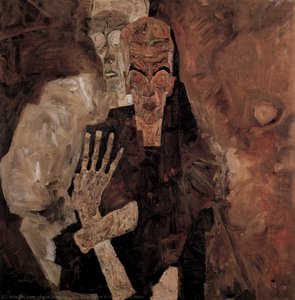 The Self-Seers II (Death and Man) - Egon Schiele
A haunting stillness permeates Egon Schiele’s The Self-Seers II (Death and Man) , a visceral exploration of mortality rendered with unflinching honesty.
This painting earns its place among the Top 10 for its raw emotional intensity and groundbreaking Expressionist style. The ‘stone’ tones – browns, ochres, grays, and muted reds – aren't merely colors; they are a reflection of inner turmoil, amplified by Schiele’s thick impasto technique. The skeletal hand reaching from the darkness is an unambiguous symbol of fate, confronting the gaunt figure with inescapable truth.
A reproduction of this artwork isn’t simply decorative; it's a compelling focal point that introduces a sophisticated air of introspection to any space. Its unsettling power sparks conversation and invites contemplation – a testament to the enduring relevance of Schiele’s vision. The somber palette offers versatility, while its dramatic flair adds depth and complexity to living rooms, studies, or gallery walls.
Flower Garden (Girl and Washing) - emile nolde
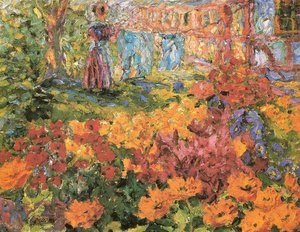 Flower Garden (Girl and Washing) - emile nolde
Step into a world brimming with color and life – a sensory paradise captured in Emil Nolde’s Flower Garden (Girl and Washing) (1908). This painting isn't simply a depiction of flowers; it’s an invitation to experience the sheer joy of immersion within nature.
This artwork earns its place among the Top 10 for its bold, unrestrained expression and groundbreaking use of color. The ‘stone’ tones – earthy browns grounding the composition – provide a subtle counterpoint to the vibrant blooms, enhancing their luminosity. Nolde's thick impasto technique creates a tactile surface that seems to pulse with life, beckoning close inspection.
A reproduction of this artwork isn’t merely decorative; it infuses any space with energy and optimism. Its bold aesthetic invites contemplation and sparks conversation – a testament to the enduring power of Expressionist art. At , we faithfully preserve the emotion and texture of Nolde's original vision, allowing you to bring this sensory paradise into your own home.
The Dance Class - Edgar Degas
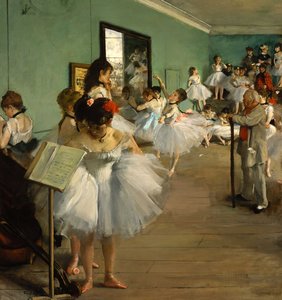 The Dance Class - Edgar Degas
Step into the hushed world of Edgar Degas’ The Dance Class (1874), and you'll feel a palpable energy – a sense of disciplined grace unfolding within a sun-drenched studio. This isn't merely a depiction of ballet; it’s an intimate glimpse into the dedication, artistry, and quiet moments that define this demanding profession.
This painting earns its place among the Top 10 for its revolutionary approach to capturing movement and light. The ‘stone’ tones – the muted teal greens of the walls and warm browns of the wooden floor – provide a serene backdrop against which the dancers' white tutus seem to float. Degas masterfully blends realistic detail with impressionistic touches, creating an atmosphere that feels both tangible and dreamlike.
At , we believe in making great art accessible, allowing you to bring this timeless beauty into your own space. A reproduction of The Dance Class isn’t just a decorative element; it's an invitation to experience the elegance and energy of Degas’ vision – a refined addition to any home or office.
The Vision After the Sermon (Jacob Wrestling the Ang - Eugène Henri Paul Gauguin
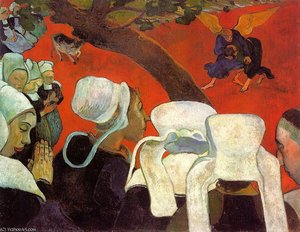 The Vision After the Sermon (Jacob Wrestling the Ang - Eugène Henri Paul Gauguin
Paul Gauguin’s The Vision After the Sermon (Jacob Wrestling the Angel) isn't simply a painting; it’s a window into a world where faith and vision intertwine. Created in 1888, this masterpiece embodies the spirit of Post-Impressionism, challenging conventional notions of reality and inviting us to explore deeper spiritual truths.
This artwork earns its place among the Top 10 for its bold use of color and expressive forms. The ‘stone’ tones – deep reds and oranges grounding the composition – create a fiery intensity that draws you into the scene. Gauguin's simplified shapes and visible brushstrokes amplify the emotional impact, conveying a sense of reverence and awe.
A reproduction of The Vision After the Sermon isn’t merely decorative; it infuses any space with a profound sense of mystery and contemplation. Its timeless beauty invites conversation and sparks reflection – a testament to Gauguin's enduring legacy. At , we faithfully preserve the emotion and texture of this iconic work, allowing you to bring its spiritual power into your own home.
The companions of fear - René Magritte
 The companions of fear - René Magritte
Unveiling René Magritte’s The Companions of Fear (1942) is like entering a dreamscape where the familiar becomes profoundly unsettling. This mesmerizing work isn't merely a painting; it’s an invitation to question our perceptions and explore the hidden depths of the subconscious.
Its inclusion among the Top 10 stems from Magritte’s masterful blend of surrealism and naturalistic detail, creating an enduring enigma. The ‘stone’ tones – earthy browns and grays grounding the composition – provide a sense of weight and reality against which the fantastical owls emerge. This interplay of light and shadow evokes a contemplative mood, inviting introspection.
A reproduction of The Companions of Fear transcends mere decoration; it becomes a focal point for conversation and reflection within any refined interior. At , we faithfully preserve the nuance and emotional depth of Magritte’s vision, allowing you to bring this timeless masterpiece into your home.
Plate two, from A Rake's Progress - William Hogarth
 Plate two, from A Rake's Progress - William Hogarth
William Hogarth’s Plate two, from A Rake's Progress isn’t simply an engraving; it’s a meticulously rendered window into the excesses and moral failings of 18th-century England. The scene pulsates with life – a gathering steeped in elegance, yet subtly hinting at impending ruin.
Its inclusion among the Top 10 stems from Hogarth’s unparalleled ability to blend social commentary with artistic mastery. The ‘stone’ tones – the stark blacks and whites – create a dramatic contrast that underscores the scene's satirical edge. This interplay of light and shadow, coupled with intricate detailing, draws you into the world of Tom Rakewell and his inevitable downfall.
A reproduction of this work transcends mere historical representation; it becomes a conversation starter within any refined interior. The timeless narrative of excess and consequence resonates today, adding a layer of intellectual depth to your home or office.
Conclusion
As the light fades on these ten canvases, we’re reminded that masterpieces are not merely relics of a distant past—they are living echoes of human experience, capable of stirring emotion and igniting imagination across centuries. Each brushstroke, each carefully chosen hue, speaks to our shared longing for beauty, truth, and connection.
These paintings, dominated by the quiet power of ‘stone’ tones, offer a unique invitation to contemplation—a space where time seems to dissolve and we can connect with the artists' souls. They remind us that art is not simply about what we see, but how it makes us *feel*, and the stories it whispers within our hearts.
At , we believe in bringing this enduring power into your world. Our skilled artists meticulously recreate these iconic works by hand, honoring the original’s spirit and detail with every stroke of the brush. We invite you to explore our full collection and discover a masterpiece that resonates with *your* soul—a timeless presence to grace your home and inspire generations to come.