 Preview
 Send
Send Share
Share
 Details

 Download
 Similars
 X-Ray
X-Ray Diaporama
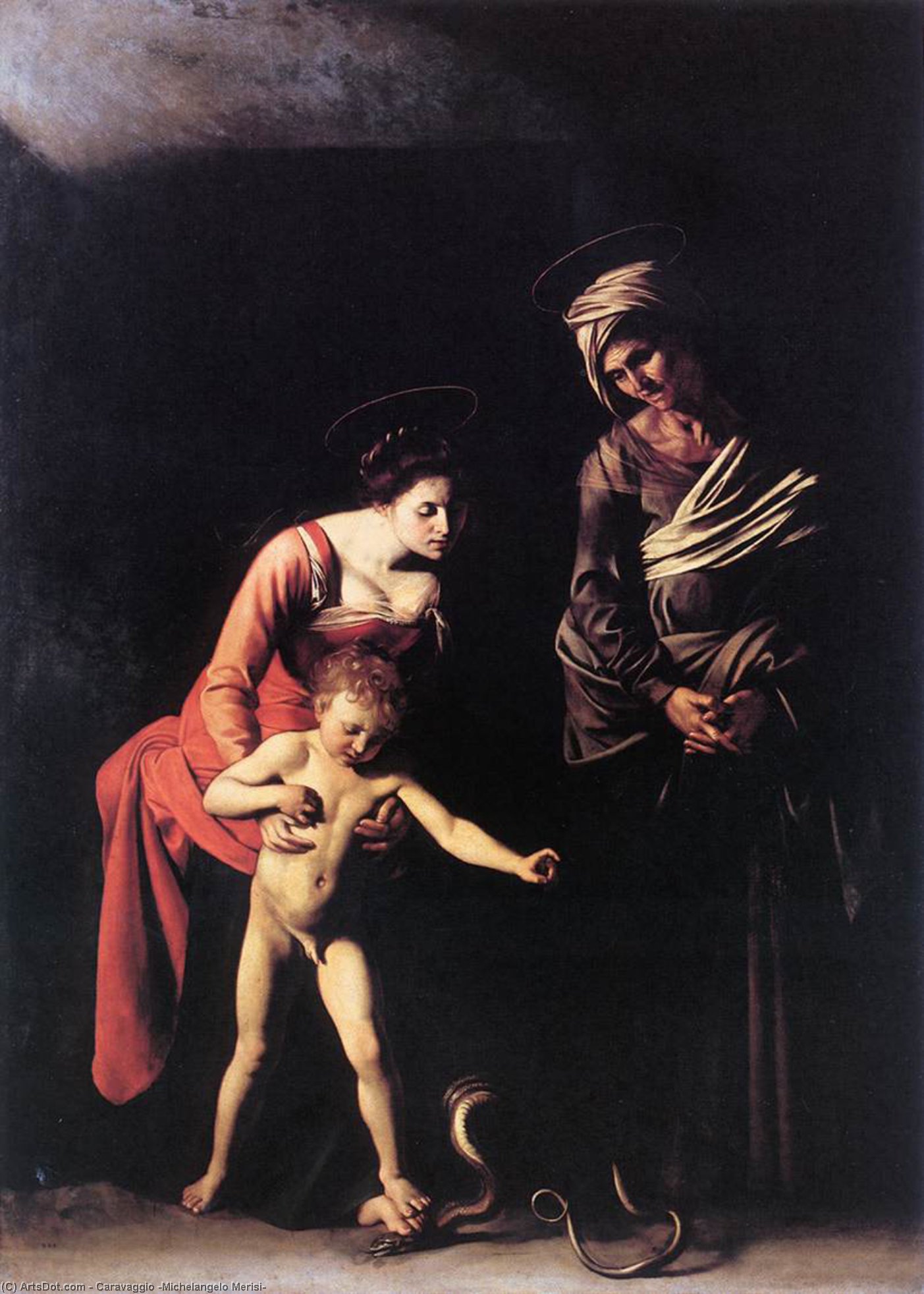
Madonna and Child with St. Anne
 Oil On Canvas
- WallArt
- Baroque Art
 1606
1606- Early Modern
 292.0 x 211.0 cm
 Read More
Hand Made Oil Reproduction
Hand-painted oil on canvas in your size and frame, made to order by our artists. ( Buy Print Buy Image)




P118B $10

P118H $10

P118W $10

P438Z $10

P508JH $12

P508YH $12

P805H $10

P805Z $10

P919BZ $10

P919G $10

P919XJ $10

P959ZH $10

P968JZ $12

W106C $8

W218G $10

W218JH $8

W218Y $10

W307PJ $10

W316G $10

W316PJ $8

W316Y $10

W398PJ $8

W4111J $10

W500HY $15

W500JH $15

W692G $12

W849H $8

W940BG $15

W953PJ $8




Pick from our preset sizes that match the artwork's original proportions.

You may enter your own dimensions to fit a specific frame or space. If your selected size does not match the original image's proportions, we will either crop the artwork or extend the painting with additional hand-painted elements. A digital mockup will be sent for your approval before production begins.
Please note that the on-screen preview does not reflect the actual cropping or extension. Only the mockup will accurately show the final composition.
While custom sizes are available, we recommend selecting a dimension from the predefined list to preserve the original proportions.
After order, ArtsDot.com team will email client for instructions and provide a mockup preview
Worldwide Delivery () in 3/4 weeks instead of standard 5 weeks. (16 August). No compromise on quality.

Free Worldwide Express Shipping

High-Quality Linen Canvas

Full Shipping Insurance

Customs Tax Refund Guarantee

True Color Matching Guarantee

60-Day Return Policy (Defects Only)

100% Money-Back Guarantee

Bulk Discount Offer
 Glass option is only available in size under 110 CM

Madonna and Child with St. Anne
Reproduction Medium
Reproduction Size
-


Total Price
$ 313
Artwork Description
A Symphony of Shadow and Grace
In the hushed corridors of art history, few names command as much visceral reverence as Michelangelo Merisi da Caravaggio. His masterpiece, Madonna and Child with St. Anne, is not merely a religious icon but a profound psychological drama captured in oil on canvas. Painted during the height of his creative powers around 1605–1606, this work serves as a definitive cornerstone of the Baroque era. At first glance, the viewer is struck by the sheer intensity of the scene; it is an encounter that feels less like a distant, divine vision and more like a tangible, breathing moment of human connection. Caravaggio strips away the polished, idealized veneers common in Renaissance art, replacing them with a raw, unyielding realism that forces us to confront the holiness within the human condition.The Mastery of Tenebrism
The true soul of this painting lies in its revolutionary use of tenebrism—a heightened form of chiaroscuro where extreme contrasts between light and dark define the very essence of the composition. Caravaggio directs an unseen, dramatic light source from the upper left, casting a brilliant glow upon the faces of the Madonna, the Christ Child, and St. Anne. This illumination does more than just reveal their features; it sculpts them out of the surrounding void. The background is swallowed by deep, impenetrable shadows, creating a sense of infinite depth that pushes the figures toward the viewer. This technique creates a powerful focal point, ensuring that every ripple in the Madonna’s crimson drapery and every soft contour of the infant's skin demands our undivided attention. For the collector or designer, this interplay of light and shadow offers a sophisticated visual weight, making it an ideal centerpiece for spaces that value dramatic, atmospheric elegance.Symbolism and Emotional Resonance
Beyond its technical brilliance, the painting is rich with layers of theological and emotional complexity. The arrangement follows a stable, pyramidal structure—a nod to classical tradition—yet the energy within that frame is restless and alive. As the Christ Child reaches out toward St. Anne, his movement introduces a dynamic diagonal that guides the eye through the narrative of familial tenderness and divine destiny. Beneath the figures, subtle yet potent symbols emerge; the presence of serpents at the base serves as a stark reminder of temptation and the struggle between good and evil, a theme deeply rooted in the Genesis narrative. There is a palpable sense of melancholy intertwined with devotion in the expressions of the women, suggesting the heavy burden of prophecy. This duality—the sweetness of the maternal bond contrasted with the gravity of spiritual sacrifice—imbued the work with an emotional depth that continues to captivate and move audiences centuries later.An Eternal Inspiration for the Modern Interior
For those looking to curate a collection or design a space with profound character, a reproduction of this Caravaggio masterpiece offers more than just decoration; it offers a window into the sublime. The restrained yet impactful color palette—dominated by rich reds, earthy browns, and luminous flesh tones—complements both classical and contemporary settings. Whether placed in a gallery-style living room or a quiet study, the painting’s ability to command attention through its dramatic tension makes it an incomparable choice. It is a piece that invites contemplation, sparking conversations about the intersection of faith, humanity, and the enduring power of light to pierce through the darkness.Related Artworks


Artist Biography
A Life Forged in Shadow and Light
Michelangelo Merisi da Caravaggio, a name synonymous with the dramatic intensity of Baroque painting, was born in Milan in 1571, a period steeped in both artistic flourishing and societal upheaval. His early life was marked by loss; plague ravaged his hometown, claiming the lives of his father and grandfather when he was just six years old. Raised amidst relative poverty, young Michelangelo’s formative years instilled within him a keen awareness of human suffering and resilience—themes that would later dominate his canvases. He began his artistic training in Milan under Simone Peterzano, a former pupil of Titian, absorbing the fundamentals of Renaissance technique but already hinting at a rebellious spirit that would soon shatter conventional norms. This apprenticeship provided a solid foundation, yet it was in Rome, arriving around 1592, that Caravaggio truly found his voice, though not without initial struggle and hardship. The city, a vibrant hub of artistic patronage and religious fervor, proved both alluring and unforgiving to the ambitious young painter.Revolutionizing Vision: Technique and Style
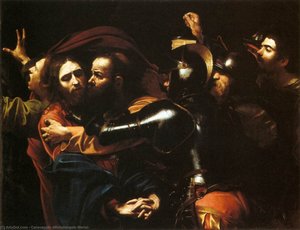
Caravaggio’s arrival in Rome heralded a seismic shift in the landscape of Italian art. He rejected the prevailing Mannerist style—characterized by its artificial elegance and elongated forms—in favor of an uncompromising realism that shocked and captivated audiences. His most defining innovation was his masterful use of chiaroscuro, the dramatic contrast between light and dark, which he elevated to a new level of expressive power. This technique, often referred to as tenebrism, wasn’t merely an aesthetic choice; it was a means of intensifying emotional impact, drawing viewers into the heart of the scene, and imbuing his figures with a palpable sense of presence. He eschewed idealized depictions, instead populating his paintings with ordinary people—often drawn from the streets of Rome—as models for religious figures. This radical approach challenged traditional notions of beauty and sanctity, making the sacred relatable and profoundly human. His compositions were often stark and direct, focusing on pivotal moments of intense drama, whether it be the brutal realism of “The Taking of Christ” or the quiet contemplation in "Saint Francis of Assisi in Ecstasy".Key Works and Lasting Influence
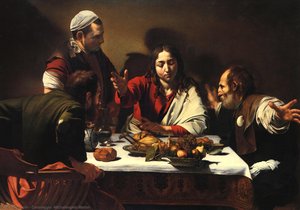
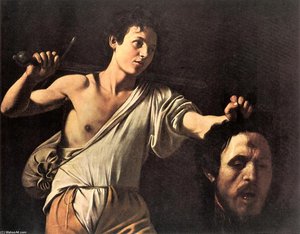
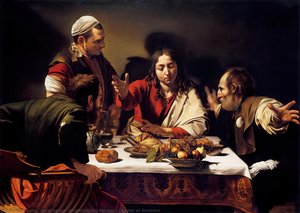
Throughout his relatively short career, Caravaggio produced a body of work that continues to resonate with audiences today. Early pieces like “The Fortune Teller” (1594) demonstrate his burgeoning talent for capturing realistic detail and psychological nuance. “Supper at Emmaus” (1601-1602), housed in the National Gallery in London, exemplifies his mastery of chiaroscuro and ability to convey profound emotional depth within a biblical narrative. “David with the Head of Goliath” (c. 1610) is particularly haunting, often interpreted as a self-portrait reflecting Caravaggio’s own troubled state of mind. His influence extended far beyond Italy, inspiring a generation of artists known as the Caravaggisti, or “shadowists,” who adopted his style throughout Europe. Notable followers included Peter Paul Rubens, Jusepe de Ribera, and Gerrit van Honthorst, each adapting Caravaggio’s techniques to their own unique artistic visions.A Tumultuous Existence and Enduring Legacy
Caravaggio's life was as dramatic and turbulent as his art. A volatile temperament and a penchant for brawls led him into frequent trouble with the law, culminating in a murder charge in 1606 that forced him to flee Rome. He spent the next four years wandering through Naples, Malta, and Sicily, continuing to paint while desperately seeking a papal pardon. Despite his efforts, he remained an outlaw, haunted by his past and plagued by personal conflicts. He died in Porto Ercole, Italy, in 1610 under mysterious circumstances—the cause of his death remains debated, with theories ranging from fever to poisoning. Though his life was cut short, Caravaggio’s artistic legacy endures as a testament to his revolutionary vision and unwavering commitment to realism. He challenged the conventions of his time, paving the way for a more modern approach to painting and leaving an indelible mark on the course of Western art history. His work continues to inspire awe and provoke contemplation, reminding us of the power of art to illuminate the darkest corners of the human experience.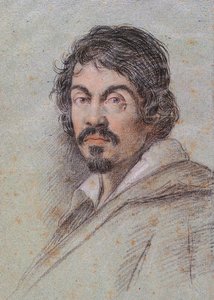
Caravaggio
1571 - 1610 , Spain
Quick Facts
- Artistic Movement Or Style: Baroque, Tenebrism
- Artists Or Movements Influenced By This Artist:
- Rubens
- Ribera
- Caravaggisti
- Artists Who Influenced This Artist:
- Titian
- Leonardo da Vinci
- Michelangelo
- Date Of Birth: September 29, 1571
- Date Of Death: July 18, 1610
- Full Name: Michelangelo Merisi da Caravaggio
- Nationality: Italian
- Notable Artworks:
- The Fortune Teller
- Supper at Emmaus
- David with Goliath
- Saint Francis in Ecstasy
- Place Of Birth: Milan, Italy
Related Articles

Baroque Masterpieces: 10 Paintings That Defined an Era |
Journey through the drama & grandeur of Baroque art! Explore 10 masterpieces by Caravaggio, Rembrandt, Rubens & more. Discover stunning oil paintings, rich colors & timeless stories. Find museum-quality reproductions at .

The Dramatic Flourish: Exploring the Baroque Movement's Enduring Legacy in Art History
Explore the dramatic world of Baroque art! Discover iconic artists like Caravaggio & Rubens, defining techniques, and its lasting impact on art history. Expert insights for collectors & enthusiasts at ArtsDot.

The Visceral Stage: Exploring Dramatic Narratives & Emotional Intensity in Baroque Art
Explore the dramatic world of Baroque art! Discover iconic masters like Caravaggio & Rembrandt, their techniques, and the movement's lasting impact. Expert insights for collectors & enthusiasts at ArtsDot.
Chiaroscuro & Emotional Resonance: Exploring Dramatic Light in Western Painting
Explore the captivating world of chiaroscuro & tenebrism! Discover Caravaggio's influence, Baroque masters, and the enduring power of dramatic lighting in art history. Learn about these techniques with ArtsDot.
Decoding Baroque Grandeur: A Guide to the Drama and Emotion of 17th-Century Art
Explore the breathtaking drama of 17th-century Baroque art. Our expert guide decodes the use of chiaroscuro, emotional intensity, and historical grandeur to help you appreciate and curate timeless masterpieces for your collection.