 Preview
 Send
Send Share
Share
 Details

 Download
 Similars
 X-Ray
X-Ray Diaporama
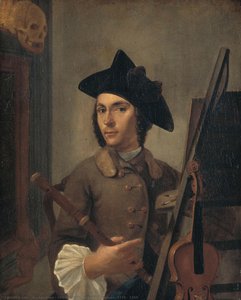
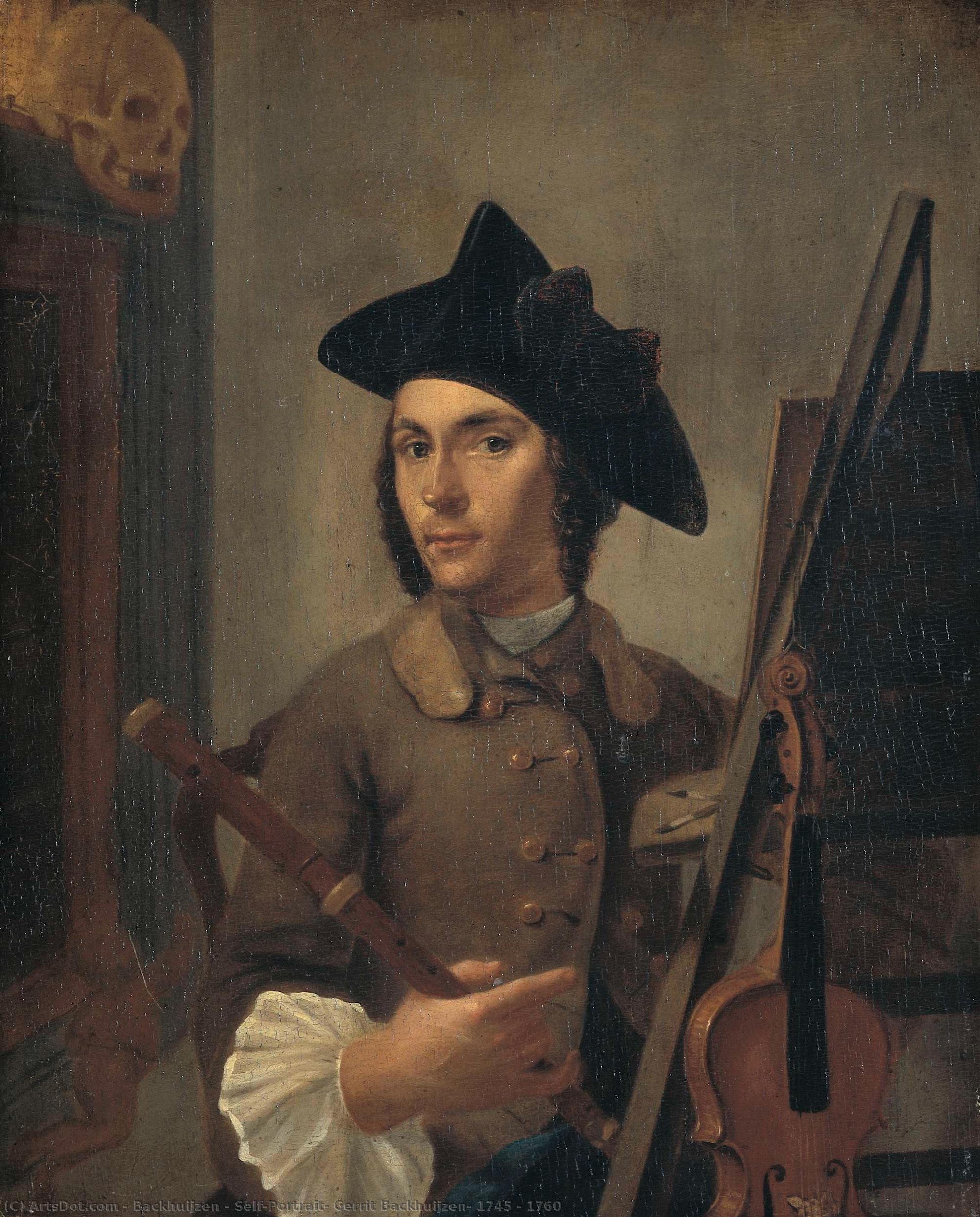
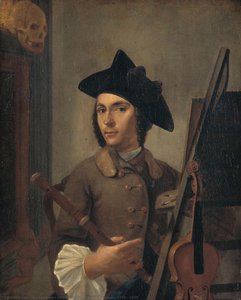
Self-Portrait, Gerrit Backhuijzen, 1745 - 1760
 1760
1760 31.0 x 25.0 cm
 Read More
Hand Made Oil Reproduction
Hand-painted oil on canvas in your size and frame, made to order by our artists. ( Buy Print Buy Image)




































Pick from our preset sizes that match the artwork's original proportions.

You may enter your own dimensions to fit a specific frame or space. If your selected size does not match the original image's proportions, we will either crop the artwork or extend the painting with additional hand-painted elements. A digital mockup will be sent for your approval before production begins.
Please note that the on-screen preview does not reflect the actual cropping or extension. Only the mockup will accurately show the final composition.
While custom sizes are available, we recommend selecting a dimension from the predefined list to preserve the original proportions.
After order, ArtsDot.com team will email client for instructions and provide a mockup preview
Worldwide Delivery () in 3/4 weeks instead of standard 5 weeks. (23 August). No compromise on quality.

Free Worldwide Express Shipping

High-Quality Linen Canvas

Full Shipping Insurance

Customs Tax Refund Guarantee

True Color Matching Guarantee

60-Day Return Policy (Defects Only)

100% Money-Back Guarantee

Bulk Discount Offer
 Glass option is only available in size under 110 CM

Self-Portrait, Gerrit Backhuijzen, 1745 - 1760
Reproduction Medium
Reproduction Size
-


Total Price
$ 263
Artwork Description
Related Artworks




Artist Biography
A Life Embraced by the Sea: Ludolf Bakhuizen and the Dutch Golden Age of Marine Painting
Ludolf Bakhuizen, a name synonymous with the dramatic power and meticulous detail of 17th-century Dutch marine painting, was born in Emden, Germany, around 1630. Though his origins lay beyond the borders of the Dutch Republic, it was within Amsterdam’s vibrant artistic milieu that he truly flourished. Bakhuizen's early life took an unconventional turn; initially destined for a career as a clerk and calligrapher – skills honed in both Emden and later at a trading house in Amsterdam – his innate talent for visual representation soon eclipsed these pursuits. He abandoned the world of commerce to dedicate himself fully to art, marking a pivotal moment that would cement his legacy as one of Holland’s most celebrated seascape painters.
The transition wasn't immediate. Bakhuizen initially explored pen drawings and calligraphy before turning his attention to oil painting, studying first under Allart van Everdingen, known for his Italianate landscapes with dramatic skies, and then Hendrik Dubbels, a master of more realistic maritime scenes. This dual apprenticeship proved formative, blending an appreciation for atmospheric effects with a commitment to accurate depiction. By 1663, Bakhuizen had joined the prestigious painters’ guild in Amsterdam, signifying his acceptance into the established art world.
The Master of Turbulent Waters
Bakhuizen's artistic focus was remarkably consistent: he painted seascapes – and almost invariably, those seas were rough. He didn’t depict placid harbors or tranquil sunsets; instead, he captured the raw energy of storms, the perilous dance between ships and waves, and the sheer power of nature unleashed. This specialization set him apart, particularly after 1672 when Willem van de Velde the Elder and Younger relocated to England, leaving a void in Dutch marine painting that Bakhuizen readily filled. He became *the* leading painter of maritime subjects in Holland, his works sought after by collectors eager to possess a piece of this uniquely Dutch artistic vision.
What distinguished Bakhuizen’s work wasn't merely the subject matter but the extraordinary realism he achieved. He was not content to rely on secondhand accounts or studio compositions; he actively studied the sea firsthand, venturing out in open boats during storms to observe and record the effects of wind, waves, and light. This dedication to observation translated into paintings that conveyed a palpable sense of immediacy and authenticity. His ships weren’t simply vessels afloat; they were rendered with meticulous detail – from the straining timbers to the billowing sails – conveying both their structural integrity and vulnerability in the face of overwhelming forces.
Influences and Artistic Development
While Bakhuizen developed a distinctive style, he wasn't immune to external influences. The impact of Willem van de Velde the Elder is undeniable; Van de Velde’s dynamic compositions and masterful handling of light undoubtedly shaped Bakhuizen’s early work. However, Bakhuizen moved beyond imitation, infusing his paintings with a greater sense of drama and atmospheric intensity. He also drew inspiration from earlier Dutch masters like Jan Porcellis, known for his detailed ship studies, and the Italianate landscape tradition he encountered through Allart van Everdingen.
Bakhuizen’s later years saw him explore etching and calligraphy alongside painting, demonstrating a versatility that extended beyond the canvas. He also produced numerous variations on similar themes – ships battling storms, vessels navigating treacherous waters – but each iteration revealed subtle nuances in composition, light, and mood. His paintings often served as patriotic statements, depicting Dutch warships flying the national flag with pride, reflecting the Republic’s maritime power and commercial dominance.
Legacy and Historical Significance
Ludolf Bakhuizen died in Amsterdam in 1708, leaving behind a substantial body of work that continues to captivate audiences today. His paintings are not merely historical records of ships and seascapes; they are powerful evocations of the human relationship with nature – a testament to both our vulnerability and resilience in the face of overwhelming forces.
- A Defining Voice of Dutch Marine Painting: Bakhuizen’s specialization in turbulent seascapes established him as a leading figure in a genre deeply intertwined with Dutch national identity and maritime prowess.
- Masterful Realism: His dedication to firsthand observation and meticulous detail resulted in paintings that conveyed an unparalleled sense of authenticity and immediacy.
- Influence on Subsequent Generations: Bakhuizen’s work influenced countless artists who followed, shaping the development of marine painting for decades to come.
- Historical Documentation: His paintings provide valuable insights into 17th-century shipbuilding, naval practices, and maritime life.
Bakhuizen’s legacy extends beyond the aesthetic realm. His work serves as a reminder of Holland’s Golden Age – a period of unprecedented commercial expansion, artistic innovation, and unwavering confidence in its own power and ingenuity. He captured not just *what* the sea looked like, but *how it felt* to confront its immensity, making him a truly exceptional artist whose works continue to resonate with viewers centuries later.
Quick Facts
- Artistic Movement Or Style: Marine painting, Dutch Baroque
- Artists Who Influenced This Artist:
- Allart van Everdingen
- Hendrik Dubbels
- Willem van de Velde the Elder
- Date Of Birth: 1630 or 1632
- Date Of Death: November 7, 1708
- Full Name: Ludolf Bakhuizen
- Nationality: Dutch
- Notable Artworks:
- Ships in Distress off a Rocky Coast
- Seascape with Full Moon
- War Vessel in the Y
- Place Of Birth: Emden, Germany