 Preview
 Send
Send Share
Share
 Details

 Download
 Similars
 X-Ray
X-Ray Diaporama
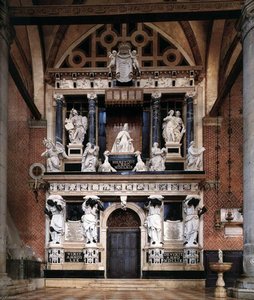
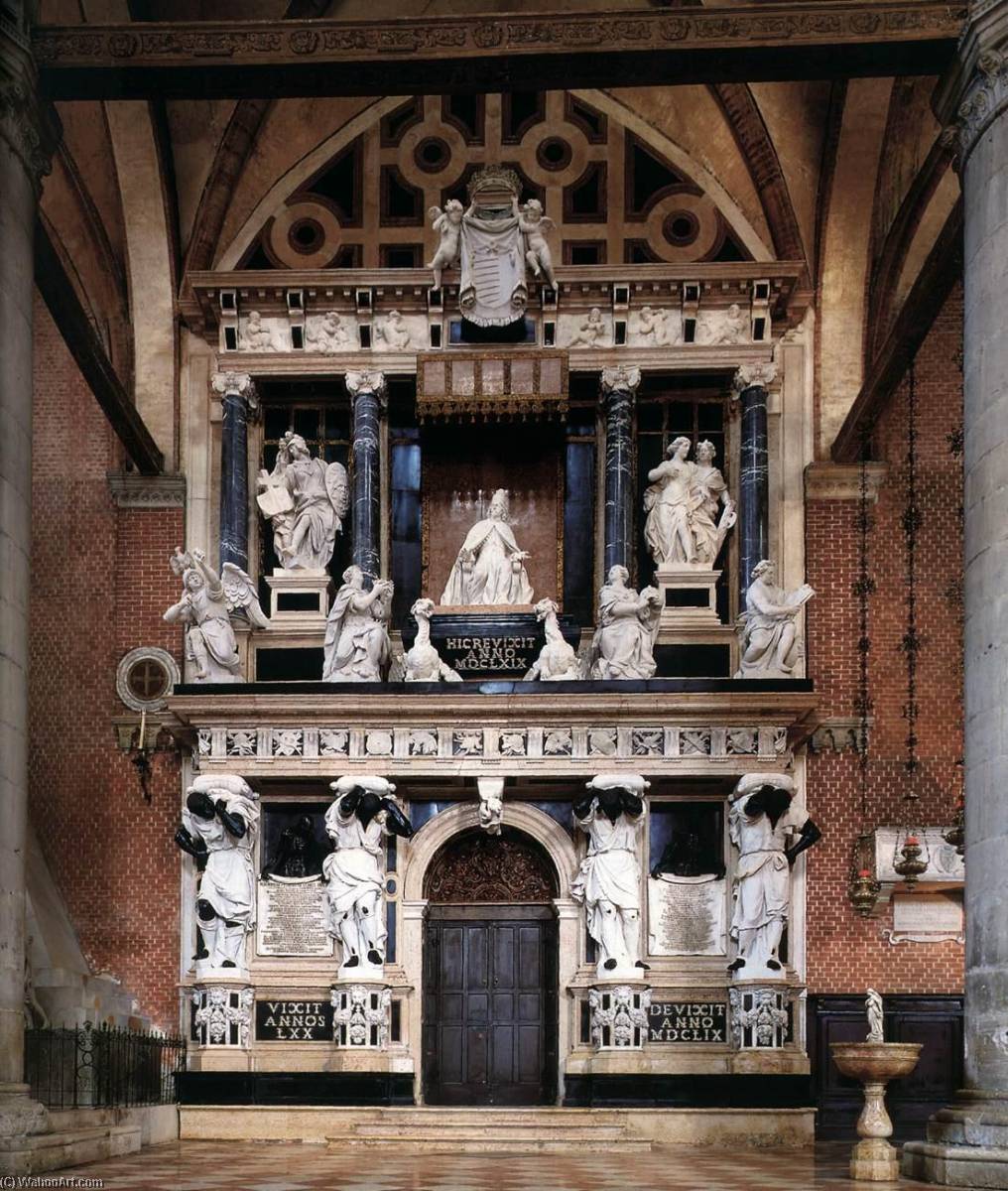
Monument to Doge Giovanni Pesaro

 Read More
Hand Made Oil Reproduction
Hand-painted oil on canvas in your size and frame, made to order by our artists. ( Buy Print Buy Image)




































Pick from our preset sizes that match the artwork's original proportions.

You may enter your own dimensions to fit a specific frame or space. If your selected size does not match the original image's proportions, we will either crop the artwork or extend the painting with additional hand-painted elements. A digital mockup will be sent for your approval before production begins.
Please note that the on-screen preview does not reflect the actual cropping or extension. Only the mockup will accurately show the final composition.
While custom sizes are available, we recommend selecting a dimension from the predefined list to preserve the original proportions.
After order, ArtsDot.com team will email client for instructions and provide a mockup preview
Worldwide Delivery () in 3/4 weeks instead of standard 5 weeks. (17 August). No compromise on quality.

Free Worldwide Express Shipping

High-Quality Linen Canvas

Full Shipping Insurance

Customs Tax Refund Guarantee

True Color Matching Guarantee

60-Day Return Policy (Defects Only)

100% Money-Back Guarantee

Bulk Discount Offer
 Glass option is only available in size under 110 CM

Monument to Doge Giovanni Pesaro
Reproduction Medium
Reproduction Size
-


Total Price
$ 263
Related Artworks
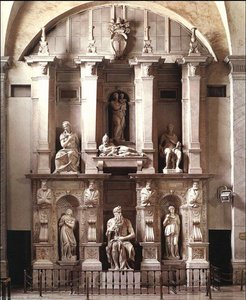
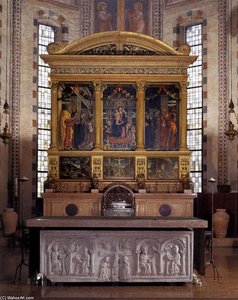
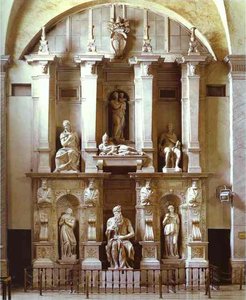

Artist Biography
Baldassare Longhena: Architect of Venetian Dreams
Born in the heart of Venice in 1598, Baldassare Longhena’s life was inextricably linked to the city's artistic and architectural destiny. His father, a skilled stone carver, recognized his son’s innate talent early on, securing him an apprenticeship under the renowned architect Vincenzo Scamozzi – a pivotal connection that would shape Longhena’s entire career. This formative period instilled in him not only technical mastery but also a deep appreciation for classical principles and a burgeoning desire to transform Venice into a city of unparalleled beauty. Longhena's legacy isn't simply one of buildings; it’s the embodiment of Venetian spirit, reflecting its grandeur, resilience, and enduring connection to the sea.
Early Influences and Apprenticeship
Scamozzi’s workshop proved to be a crucible for Longhena’s artistic development. He immersed himself in the study of Roman architecture, meticulously analyzing the proportions and harmonies of ancient structures. Scamozzi's influence extended beyond mere technique; he instilled a profound understanding of spatial relationships and the importance of light and shadow – elements that would become hallmarks of Longhena’s distinctive style. Crucially, Scamozzi introduced him to the principles of Palladian architecture, a movement that profoundly impacted Venetian design during this period. This exposure to both Scamozzi's more restrained approach and Palladio’s classical elegance laid the foundation for Longhena’s own unique synthesis.
Mastering the Grand Canal: Palaces and Public Spaces
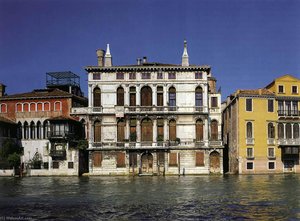
Following Scamozzi’s death in 1647, Longhena assumed responsibility for completing several significant projects, demonstrating his immediate capacity to lead. He masterfully executed Scamozzi's ambitious Procuratie Nuove in St. Mark’s Square – a complex of imposing residences and offices that dramatically reshaped the Piazza and established a new standard for Venetian civic architecture. This project showcased his ability to integrate classical elements with contemporary needs, creating a space both functional and aesthetically compelling. His subsequent designs included the Palazzo Belloni Battaglia and the Palazzo Giustiniani Lolin, further solidifying his reputation as a leading architect of Venice’s elite.
The Basilica di Santa Maria della Salute: A Monument to Faith and Innovation
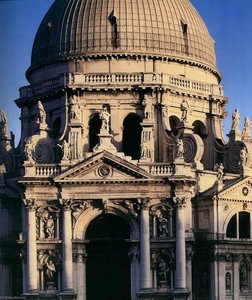
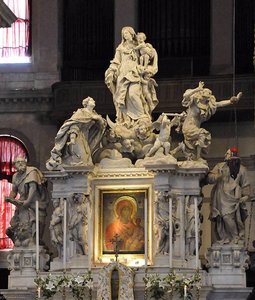
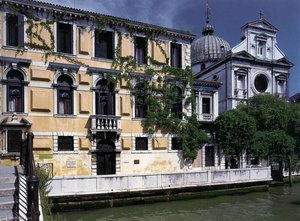
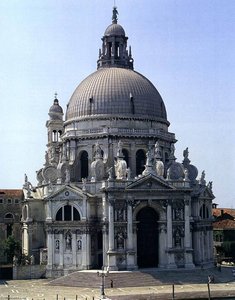
Longhena's most celebrated achievement is undoubtedly the Basilica di Santa Maria della Salute (1631/32–1687), a masterpiece that stands as a testament to his genius. Commissioned in thanksgiving for deliverance from the devastating plague of 1630, the basilica’s design was revolutionary for its time. Its imposing façade, modeled on Roman triumphal arches, dominates the Venetian skyline and serves as a powerful symbol of faith and resilience. The church's interior is equally impressive, featuring soaring domes, intricate frescoes, and a masterful use of light – all orchestrated to create an atmosphere of awe and reverence. Longhena’s innovative approach to structural engineering, particularly in the design of the dome and its supporting buttresses, was groundbreaking and set a new precedent for Venetian architecture.
Legacy and Influence
Baldassare Longhena's influence extended far beyond his own lifetime. His designs served as models for subsequent architects, both in Venice and throughout Europe. The principles of spatial organization, light manipulation, and classical harmony that he championed continue to resonate in Venetian architecture today. His work exemplifies the culmination of centuries of artistic tradition, blending Roman grandeur with Venetian sensibility. Longhena’s legacy is not merely one of buildings; it's a reflection of Venice itself – a city of beauty, innovation, and enduring spirit. His contributions remain integral to understanding the evolution of Baroque architecture and the unique character of the Serenissima.
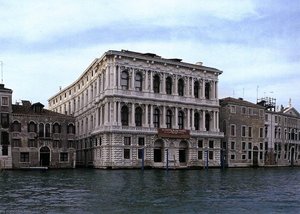
baldassare longhena
1598 - 1682
Quick Facts
- Artistic Movement Or Style: Baroque Architecture
- Artists Or Movements Influenced By This Artist:
- Italian Baroque Art
- Venetian Architecture
- Artists Who Influenced This Artist:
- Vincenzo Scamozzi
- Andrea Palladio
- Date Of Birth: 1598
- Date Of Death: 1682
- Full Name: Baldassare Longhena
- Nationality: Italian
- Notable Artworks:
- Santa Maria della Salute
- Ca' Rezzonico
- Ca' Pesaro Facade
- Place Of Birth: Venice, Italy